Saudi Arabia’s authorities have identified the quieter periods for performing Umrah, recommending times after Fajr and later at night to help pilgrims avoid peak crowds and enjoy a smoother experience.
Best Time for Umrah: Saudi Authorities Highlight Quieter Hours After Fajr and Late at Night.
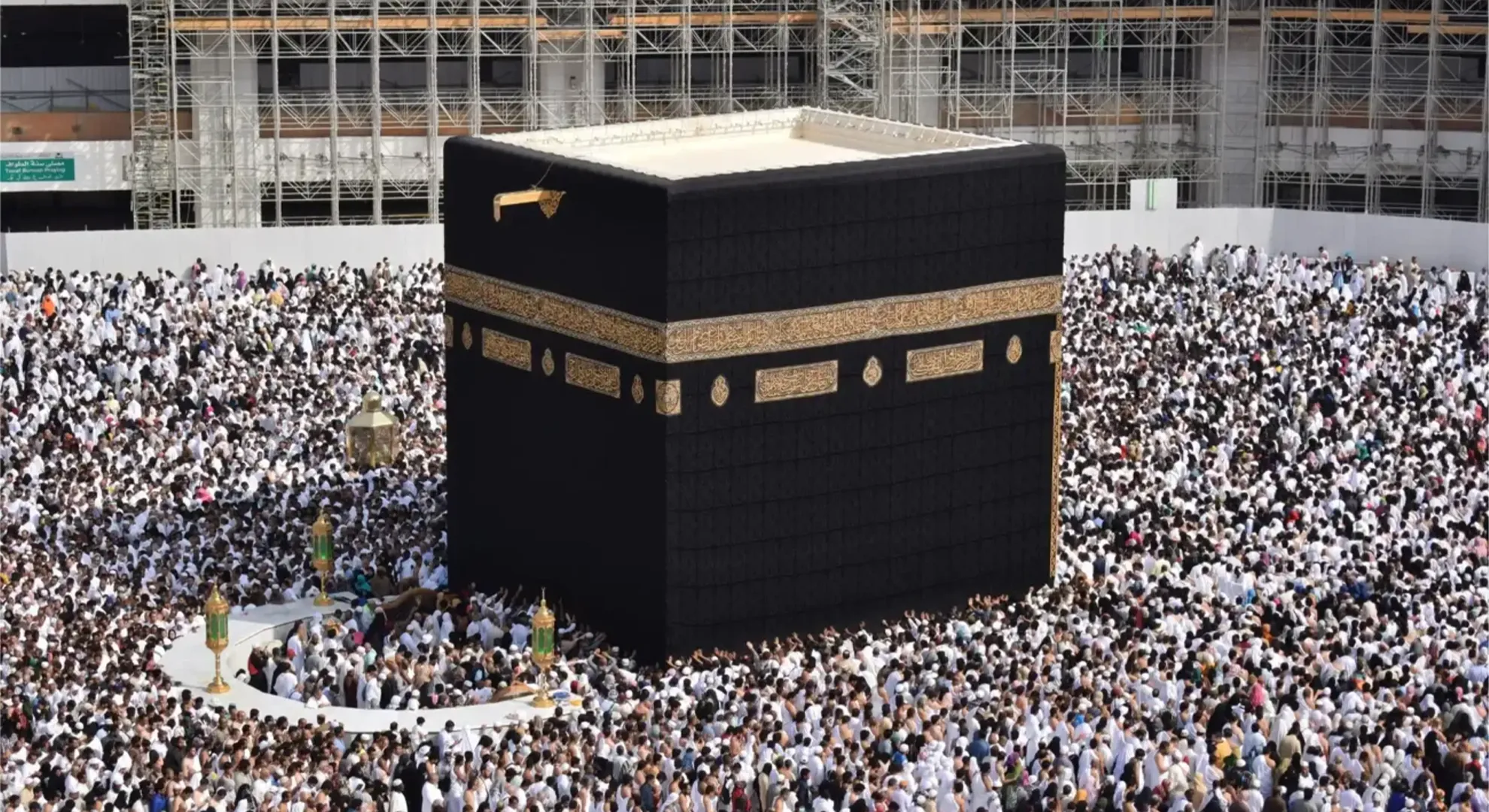
During the intense summer season, choosing the right time to begin Umrah becomes particularly important, as pilgrims need to consider high temperatures and crowded conditions for a more comfortable experience.
Planning the Right Time for Umrah Can Make the Experience More Comfortable
For Muslims preparing to undertake Umrah, the journey involves much more than arranging the necessary travel documents, securing a visa, purchasing appropriate clothing and booking flights to Saudi Arabia. Careful planning can also play an important role once pilgrims arrive in Makkah, particularly when deciding when to begin the rituals.
One of the key considerations is choosing a suitable time to perform Tawaf, the act of circumambulating the Kaaba at the Grand Mosque, or Al Masjid Al Haram. Selecting a less crowded period can make the experience more manageable and may allow pilgrims to complete the rituals with greater comfort and less difficulty.
Timing becomes even more significant during the summer months. Temperatures in Makkah can become extremely high, making physical activity more demanding, particularly for elderly pilgrims, children and people who may find prolonged exposure to heat challenging.
Although Umrah itself can be completed within a relatively short period under suitable circumstances, the overall experience can become considerably longer when large numbers of worshippers gather at the same location. Crowded conditions can affect movement around the mosque and make certain stages of the visit more challenging.
For this reason, pilgrims are encouraged to think carefully about when they intend to begin their Umrah rather than simply arriving at the mosque without considering the expected crowd levels.
Choosing the right time
The Saudi Ministry of Hajj and Umrah has provided guidance aimed at helping visitors better understand crowd patterns at Al Masjid Al Haram in Makkah.
The ministry has identified periods when the mosque generally experiences heavier footfall, as well as quieter times when fewer worshippers are expected to be present.
Knowing the difference between busy and less crowded periods can help pilgrims plan their visit more effectively.
For those performing Umrah during the warmer months, this information can be particularly useful. Avoiding the busiest periods may reduce the amount of time spent moving through dense crowds and can make the physical demands of the pilgrimage easier to manage.
The Grand Mosque remains the central location for several important parts of the Umrah experience, meaning crowd levels around the site can have a direct impact on how easily pilgrims are able to move from one stage of the ritual to another.
Why crowd levels matter
Umrah attracts Muslims from many parts of the world throughout the year. Pilgrims arrive in Makkah with the shared purpose of completing the religious rites, resulting in periods when the number of worshippers inside and around Al Masjid Al Haram rises significantly.
During particularly busy periods, moving through the mosque can take longer than expected. Areas surrounding the Kaaba may become heavily occupied, and pilgrims may need to move more slowly while remaining mindful of those around them.
For someone unfamiliar with the surroundings, navigating a large crowd can also be stressful.
Choosing a quieter period can therefore help create a more relaxed environment for completing the rituals.
It can also be beneficial for families travelling together. Parents accompanying young children may find it easier to move around when the number of worshippers is lower, while older members of a group may appreciate having more space and less congestion.
Summer presents an additional challenge
The importance of timing becomes even greater when Umrah is performed during the hottest months of the year.
High temperatures can increase physical fatigue, particularly when pilgrims are walking or standing for extended periods.
Although the rituals themselves may not necessarily take several hours, the combination of travelling to the mosque, waiting, completing the rites and moving through crowded areas can extend the overall duration of the experience.
Pilgrims therefore need to consider more than simply how long the religious rituals take.
They should also think about the journey to and from the mosque, the amount of time they may spend in crowded areas and the weather conditions during their visit.
Planning the start of Umrah around quieter periods can help reduce some of these challenges.
Understanding the Umrah experience
Umrah is a voluntary pilgrimage in Islam and can be performed at various times of the year, unlike Hajj, which takes place during a specific period in the Islamic calendar.
For Muslims who make the journey to Makkah, completing Umrah is an important spiritual experience.
The rituals require pilgrims to move through several stages, with a significant portion of the experience taking place at Al Masjid Al Haram.
Tawaf, for example, involves walking around the Kaaba seven times. The ritual is performed in an area where thousands of worshippers may gather, meaning the number of people present can influence how easily pilgrims are able to move.
After Tawaf, pilgrims continue with other parts of the Umrah process, including Sa’i between Safa and Marwah.
Because these activities involve physical movement, the surrounding conditions can make a noticeable difference to the overall experience.
Why off-peak hours can help
Performing Umrah during a less crowded period can offer several practical advantages.
A lower number of worshippers may make it easier to move through the mosque and around the designated areas.
It may also reduce the pressure associated with navigating large groups, particularly for those travelling with family members.
For elderly pilgrims, quieter periods can be especially helpful because they may be able to move at a more comfortable pace.
Families with children can also benefit from avoiding the most congested periods.
Another advantage is that pilgrims may find it easier to concentrate on the spiritual aspect of their visit when they are not dealing with significant congestion.
For many people, Umrah is an opportunity for prayer, reflection and worship. A calmer environment can help them focus more fully on the religious significance of the journey.
Ministry guidance for pilgrims
The Saudi Ministry of Hajj and Umrah’s identification of busy and quieter periods is intended to help visitors plan their time at the Grand Mosque.
Instead of everyone arriving at the same time, pilgrims can use information about crowd patterns to make more informed decisions about when to begin their rituals.
This type of planning can be particularly valuable during periods when visitor numbers are high.
The ministry’s guidance also reflects the practical reality that conditions inside the Grand Mosque can vary considerably throughout the day.
A period that is extremely busy may be followed by a quieter window, allowing pilgrims who have flexibility in their schedules to choose a more suitable time.
Planning before reaching the mosque
Good preparation can begin well before pilgrims enter Al Masjid Al Haram.
Travellers can consider the weather forecast, their own physical abilities and the needs of people accompanying them.
They can also organise transportation and decide where they will meet other members of their group if they become separated.
For people travelling with elderly relatives or children, additional planning may be particularly important.
The objective is not simply to complete Umrah as quickly as possible, but to make the journey manageable and spiritually meaningful.
A little preparation can help pilgrims avoid unnecessary stress once they arrive at the mosque.
The importance of avoiding excessive heat
During summer, the timing of outdoor movement becomes particularly relevant.
Heat exposure can make walking and other physical activity more tiring. Pilgrims may therefore prefer to select periods when temperatures are more manageable, while also taking crowd conditions into consideration.
Choosing an appropriate time does not eliminate the need for sensible precautions.
Pilgrims should remain attentive to their own condition, take appropriate breaks where possible and follow official guidance provided by Saudi authorities.
Those who have specific health concerns may also wish to seek appropriate medical advice before undertaking physically demanding travel or religious activities.
A balance between spiritual and practical considerations
For many pilgrims, choosing when to perform Umrah is ultimately about finding a balance.
They want to experience the spiritual importance of visiting the Kaaba while also ensuring that the physical conditions are manageable.
A crowded mosque can make movement more difficult, while extreme heat can add to fatigue.
By considering both factors in advance, pilgrims may be able to select a period that better suits their individual circumstances.
The Saudi authorities’ information about peak and off-peak periods provides an additional tool for making that decision.
Umrah does not need to be rushed
Although the core rituals can potentially be completed in less than two hours under favourable circumstances, pilgrims should avoid viewing the experience simply as something to finish as quickly as possible.
For many Muslims, the journey is a deeply meaningful act of worship.
Taking time to prepare, understanding the rituals and choosing appropriate conditions can make the experience more comfortable and less stressful.
The amount of time required can also vary depending on crowd levels, individual pace and other circumstances.
A quieter period may allow pilgrims to move more smoothly, while a particularly busy period could require additional patience.
Who may benefit most from choosing quieter periods?
While all pilgrims can benefit from avoiding excessive crowds, certain groups may find careful timing particularly valuable.
Older worshippers may have greater difficulty walking through congested areas or standing for extended periods.
Parents accompanying young children may also prefer conditions that make it easier to keep their families together.
People who are unfamiliar with Makkah can benefit from having more space to navigate the mosque without feeling overwhelmed by large crowds.
Those who are sensitive to heat may also find it useful to choose a time that reduces their exposure to the most demanding weather conditions.
A more considered approach to Umrah
The modern Umrah journey involves a combination of spiritual preparation and practical planning.
Pilgrims need to think about travel arrangements, accommodation, clothing and documentation, but they should also consider when they will perform the rituals after arriving in Makkah.
The timing of Tawaf can influence the overall experience because the area around the Kaaba can become extremely busy.
By paying attention to official information about crowd levels, visitors may be able to choose periods when movement is easier.
This can be particularly helpful during the summer, when heat adds another challenge.
Making the most of the visit
For those travelling to Makkah, Umrah is an opportunity to focus on worship and reflection.
Planning ahead can help reduce avoidable difficulties and allow pilgrims to devote more attention to the spiritual purpose of their visit.
Rather than arriving at the Grand Mosque without considering the conditions, visitors can look at official guidance and make decisions based on crowd levels, weather and their own circumstances.
This is especially important for those who may need additional time or assistance.
Official guidance can make planning easier
The Saudi Ministry of Hajj and Umrah’s identification of peak and quieter periods provides pilgrims with useful information before they begin their rituals.
Knowing when visitor numbers are likely to be higher can help people decide whether to adjust their plans.
Similarly, being aware of quieter periods can give those with flexible schedules the opportunity to choose a less congested time.
Such planning can contribute to a smoother experience for both individual pilgrims and the wider congregation.
Final takeaway
For anyone preparing to perform Umrah, choosing the right time can be almost as important as arranging the journey itself.
The experience involves physical movement, and the conditions inside and around Al Masjid Al Haram can change considerably depending on the number of worshippers present.
During the hot summer season, careful timing becomes even more valuable because high temperatures can add to physical strain.
While the main rituals can sometimes be completed in under two hours, the overall duration and difficulty can vary depending on crowd levels and individual circumstances.
The Saudi Ministry of Hajj and Umrah has therefore highlighted periods when the Grand Mosque tends to be busier and times when visitor numbers are comparatively lower.
For pilgrims with flexible schedules, choosing a quieter period may make it easier to navigate the mosque, reduce congestion and focus on the spiritual purpose of their visit.
Ultimately, thoughtful preparation can help make the Umrah journey more comfortable, organised and meaningful. By considering crowd patterns, weather conditions and their own needs before setting out, pilgrims can approach the sacred visit with greater confidence and peace of mind.
Saudi Authorities Share Quieter Hours for Umrah as Pilgrims Prepare for Summer Heat
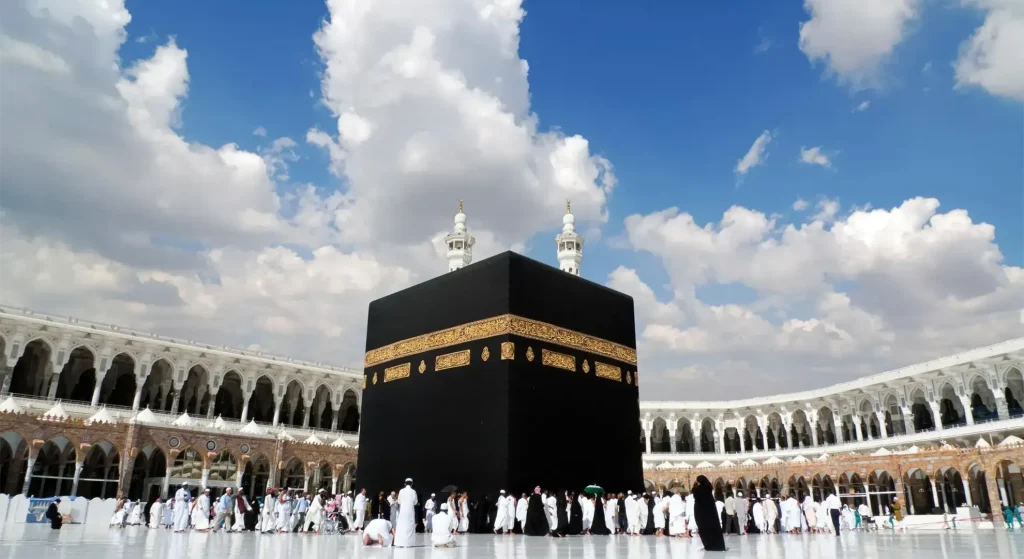
Pilgrims planning to perform Umrah in Makkah have been given guidance on the times when crowd levels around the Kaaba are comparatively lower, allowing visitors to plan their rituals with greater care.
According to the Saudi Ministry of Hajj and Umrah, the number of worshippers around the Kaaba changes throughout the day. Some periods see moderate activity, while other hours can become considerably busier as more pilgrims arrive to perform their religious rites.
For visitors hoping to avoid heavy congestion, understanding these daily patterns can be particularly useful, especially during the hot summer season.
Morning hours offer moderate crowd levels
The period between 5am and 8am is generally associated with moderate crowds around the Kaaba.
During these early morning hours, pilgrims continue to perform Tawaf, but the number of people circulating around the Kaaba is lower compared with the busiest periods of the day.
For some visitors, the early morning can therefore provide a more manageable opportunity to begin their Umrah.
The relatively moderate crowd levels may make movement easier and reduce some of the difficulties associated with navigating through a densely packed area.
However, pilgrims should be aware that crowd conditions can change and that the number of worshippers present at any particular moment may vary.
Evening hours are among the busiest
The situation changes considerably later in the day.
The ministry has identified the period between approximately 5pm and 9pm as one of the busiest windows at the Grand Mosque.
This increased activity is largely linked to the weather.
With temperatures remaining high during the daytime, many pilgrims prefer to postpone their Umrah until after sunset or closer to the cooler part of the evening.
As a result, a large number of visitors may choose similar times to begin their rituals, creating significant congestion around the Kaaba and throughout Al Masjid Al Haram.
For pilgrims who are able to adjust their schedules, avoiding this busy window could make the experience more comfortable.
Ramadan can bring even larger crowds
The number of worshippers can increase substantially during Ramadan, when Muslims place a particular emphasis on prayer and other acts of worship.
The Grand Mosque in Makkah traditionally attracts very large numbers of visitors during the holy month.
Consequently, the already busy evening period can become even more crowded during Ramadan.
Many people prefer to perform Umrah during this spiritually significant period, while others visit the mosque for prayers and other religious activities.
This combination can result in exceptionally high visitor numbers.
Pilgrims who are hoping for a quieter experience may therefore want to consider the official guidance and plan their visit around periods when crowd levels are expected to be lower.
Two recommended off-peak windows
For visitors who would prefer to perform Umrah away from the heaviest crowds, the Saudi Ministry of Hajj and Umrah has highlighted two periods that generally offer lower levels of congestion.
The first quieter window is from 10pm until 4am.
The second is from 9am until 4pm.
These periods can provide pilgrims with alternatives to the particularly busy evening hours.
Those with flexible schedules may consider selecting one of these windows when arranging their Umrah, particularly if they want to minimise the amount of time spent in dense crowds.
A less congested environment can also be beneficial for pilgrims who want to concentrate more fully on the spiritual aspects of their visit.
Why choosing the right time matters
Performing Umrah is an important religious experience, and many pilgrims want to approach the rituals with a sense of calm and concentration.
Heavy crowds can make movement more difficult and may require visitors to spend additional time navigating busy areas.
For elderly pilgrims, families with children and people who may find prolonged physical activity challenging, selecting a quieter period can be particularly helpful.
A lower level of congestion may also allow pilgrims to move at a more comfortable pace.
Rather than having to follow the flow of a very large crowd, visitors may find it easier to navigate the mosque when fewer people are present.
Pilgrims should plan before arriving
The Saudi authorities are also reminding those planning to perform Umrah that preparation should begin before they reach the Grand Mosque.
Visitors are encouraged to use the Nusuk app to reserve an appropriate Umrah appointment and obtain the required permit for entering Al Masjid Al Haram for the ritual.
The booking system allows pilgrims to select from available time periods according to their plans.
This means visitors can organise their schedules in advance instead of waiting until they arrive at the mosque to decide when to perform their Umrah.
Planning ahead can be especially useful during periods of high demand, when popular time slots may attract large numbers of pilgrims.
Nusuk helps pilgrims organise their visit
The Nusuk platform has become an important part of planning religious visits in Saudi Arabia.
Pilgrims can use the system to arrange the required appointment and select a suitable time for performing Umrah.
Having a scheduled period can help visitors organise other aspects of their day around the ritual.
For example, they can plan their accommodation, transportation and meals while keeping their selected Umrah time in mind.
It can also help groups travelling together coordinate their movements.
Visitors should make sure they follow the latest official requirements and instructions when arranging their permits and appointments.
Summer temperatures add another challenge
Crowd levels are not the only issue pilgrims need to consider.
Summer weather in Saudi Arabia can be extremely hot, with temperatures in some areas reaching around 50°C on particularly hot days.
Such conditions can make outdoor movement and physical activity more demanding.
Pilgrims performing Umrah during the summer therefore need to pay close attention to their health and comfort.
The authorities have urged visitors to take appropriate precautions against the heat and sunlight.
Staying properly hydrated is one of the most important measures pilgrims can take during hot weather.
Staying hydrated is essential
High temperatures can cause the body to lose fluids more quickly, particularly when a person is walking or spending time outdoors.
Pilgrims are therefore encouraged to drink sufficient fluids and avoid becoming dehydrated.
This is particularly important for people who may already be tired from travelling or who have spent considerable time walking around Makkah.
Visitors should pay attention to signs of heat-related illness and avoid pushing themselves beyond their physical limits.
Anyone feeling unwell should seek appropriate assistance rather than attempting to continue through the discomfort.
Protection from direct sunlight
Authorities have also encouraged pilgrims to use umbrellas to shield themselves from direct sunlight.
An umbrella can provide some protection while walking between locations and during periods when visitors are exposed to the sun.
Combining shade with adequate hydration can help pilgrims manage the demanding summer conditions.
However, visitors should also consider their clothing, rest periods and overall schedule when planning an outdoor journey during periods of extreme heat.
Finding the balance between crowds and weather
For summer Umrah, selecting the right time involves balancing two important factors: crowd levels and temperature.
The evening may offer relief from the strongest daytime heat, but it is also one of the busiest periods because many pilgrims have the same idea.
Conversely, some daytime periods may experience lower crowd levels but can expose visitors to higher temperatures.
This is why pilgrims should consider both factors rather than choosing a time based on crowd numbers alone.
Individual circumstances also matter.
A young and physically fit pilgrim may be comfortable with conditions that could be more difficult for an older visitor.
Families should similarly consider the needs of children and elderly relatives when deciding which time slot is most appropriate.
Early morning can be another option
The hours between 5am and 8am have been described as a period of moderate crowd levels.
For some pilgrims, this may represent a useful middle ground.
The morning period can avoid some of the intense congestion associated with the evening while also offering conditions that may be more manageable than the hottest part of the afternoon.
However, pilgrims should always consider the actual conditions on the day and follow instructions from Saudi authorities.
The busiest period begins in the evening
The 5pm-to-9pm window can become particularly crowded because of the number of people choosing to perform Umrah later in the day.
As the sun sets and temperatures become more bearable, more pilgrims begin arriving.
This can result in significant congestion around the Kaaba.
During Ramadan, when visitor numbers rise even further, the evening crowd can become particularly substantial.
Those seeking a quieter experience may therefore want to avoid automatically choosing the evening simply because it is cooler.
Quieter periods may improve the experience
The purpose of identifying off-peak periods is not simply to help visitors move faster.
A less crowded environment can also contribute to a more comfortable and focused religious experience.
For pilgrims who find dense crowds distracting or physically demanding, quieter periods may allow them to concentrate more fully on the significance of the rituals.
The recommended windows of 10pm to 4am and 9am to 4pm provide options for those who have flexibility in their schedules.
Pilgrims can select the period that best suits their circumstances while taking weather and personal health into account.
Families should plan carefully
Those travelling with children may benefit from preparing their schedule well in advance.
Young children can find long periods in crowded and hot conditions tiring.
Parents may therefore want to consider a time that balances manageable temperatures with lower crowd levels.
Similarly, families travelling with elderly relatives should assess whether the selected time is suitable for everyone in the group.
The aim should be to ensure that all members of the group can complete the journey safely and comfortably.
Elderly and vulnerable pilgrims need extra care
Older adults and people with underlying health concerns may be more vulnerable to the effects of extreme heat.
For these visitors, choosing an appropriate time of day can be particularly important.
They should consider speaking with a healthcare professional before undertaking strenuous travel if they have concerns about their ability to cope with heat or physical exertion.
During the pilgrimage itself, they should avoid overexertion and pay attention to warning signs from their bodies.
Official instructions from Saudi authorities should also be followed throughout the visit.
Advance planning can reduce stress
A successful Umrah trip requires more than simply reaching Makkah.
Pilgrims can reduce unnecessary stress by organising their accommodation, transportation, permits and ritual schedule before beginning their visit.
Checking the available Nusuk time slots in advance can help them establish a clear plan.
They can then arrange the rest of their day around the selected appointment.
This can be particularly helpful during periods when visitor numbers are high.
Official advice remains important
Crowd patterns can change because of many factors, including religious occasions, holidays, weather and overall visitor numbers.
Therefore, pilgrims should continue checking official Saudi sources for the latest instructions rather than relying solely on general expectations about crowd levels.
The ministry’s guidance provides useful planning information, but conditions on the ground may vary.
Visitors should remain flexible and follow directions from officials at the Grand Mosque.
A practical guide for summer pilgrims
For those preparing to perform Umrah during the hot season, the available guidance can be summarised simply:
5am to 8am: Moderate crowd levels are generally expected around the Kaaba.
9am to 4pm: One of the identified off-peak windows.
5pm to 9pm: Typically among the busiest periods.
10pm to 4am: Another recommended period for those seeking fewer crowds.
Ramadan: Evening crowd levels can become significantly higher.
Before travelling to the mosque: Pilgrims should arrange their Umrah appointment through Nusuk and obtain the required permit.
During hot weather: Visitors should stay hydrated and use umbrellas or other suitable protection from direct sunlight.
Planning can make a significant difference
For pilgrims preparing for Umrah, selecting the right time can have a meaningful impact on the overall experience.
The busiest hours may bring heavy congestion, while the identified off-peak windows can provide an alternative for visitors who want to avoid the largest crowds.
At the same time, summer temperatures mean that pilgrims cannot focus only on crowd levels. They must also consider the effects of heat, particularly when performing physically demanding activities.
Using the Nusuk app to select an appropriate time slot, staying hydrated, protecting themselves from direct sunlight and following official instructions can all help pilgrims prepare more effectively.
Ultimately, every pilgrim has different needs and circumstances. What works well for one visitor may not be suitable for another.
By considering crowd conditions, weather, physical ability and the needs of companions, visitors can make a more informed decision about when to perform Umrah.
For those looking for a quieter experience, the 10pm-to-4am and 9am-to-4pm periods identified by Saudi authorities offer useful alternatives to the heavily crowded evening hours.
With careful preparation and attention to official guidance, pilgrims can approach their Umrah with greater confidence while focusing on the spiritual purpose of their journey.