UAE Voices Strong Condemnation After Iranian Forces Target ADNOC Vessels While They Were Navigating the Strait of Hormuz, Raising Serious Concerns Over Maritime Safety and Regional Security.
UAE Denounces Iranian Assault on ADNOC Ships Sailing Through the Strait of Hormuz.
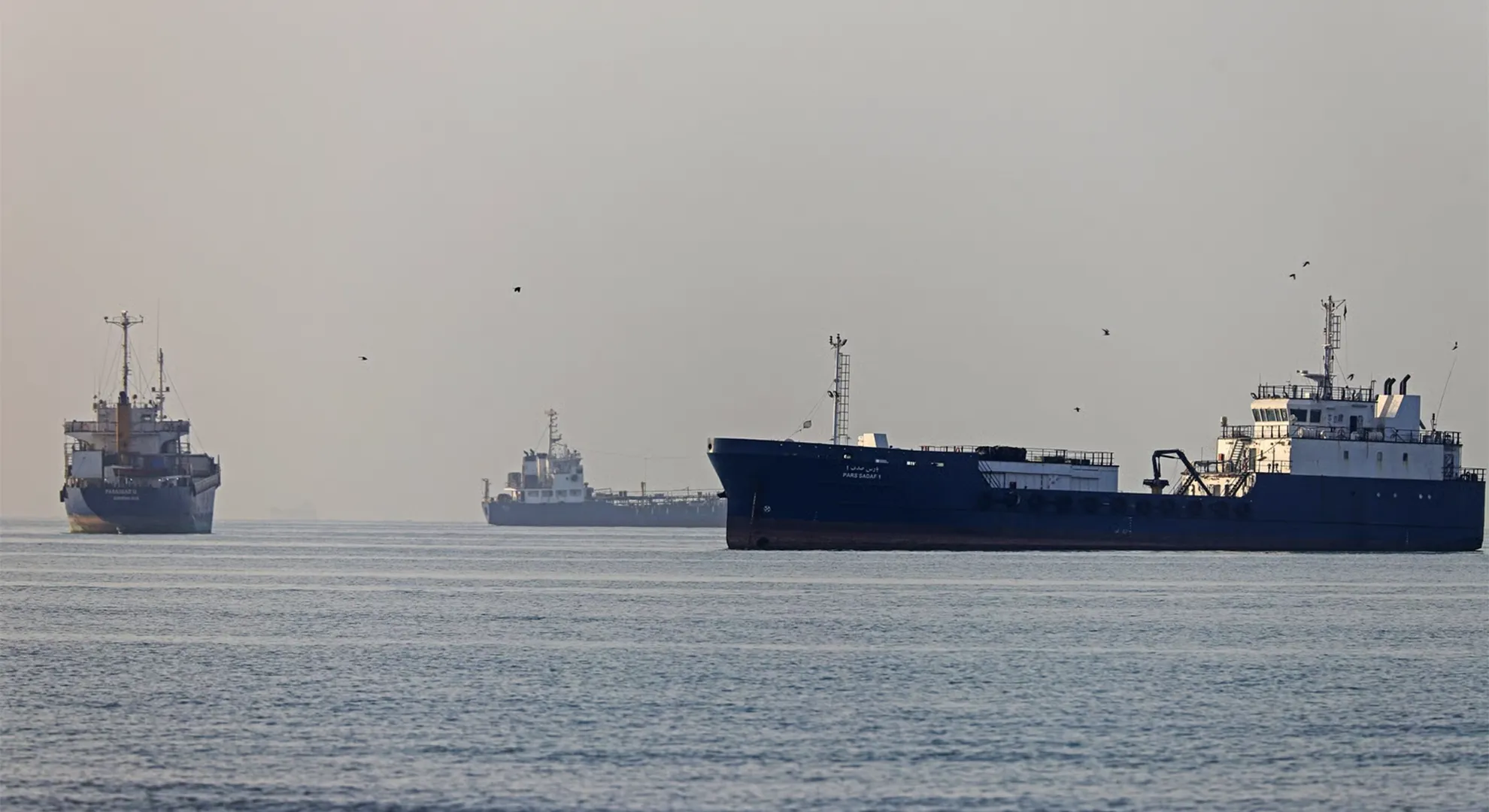
The UAE Foreign Ministry condemned attacks on commercial vessels, saying Iran’s IRGC was exploiting the Strait of Hormuz to pressure the economy and described such actions as piracy.
Editor’s Note: For continuing developments related to the escalating US-Iran conflict and its impact on regional security and international shipping, readers should follow the latest updates through the INSIDER 18 live coverage.
The United Arab Emirates has issued a strong condemnation following an attack on two vessels associated with Abu Dhabi National Oil Company (ADNOC) while they were travelling through the Strait of Hormuz. The UAE government described the incident as a serious and hostile act and expressed concern over the broader implications for maritime security, regional stability and the international energy supply chain.
In a statement released early Friday, the UAE Ministry of Foreign Affairs strongly criticised the attack and reaffirmed the country’s position that commercial vessels must be protected while using international maritime routes. The ministry said the incident involved two ships affiliated with ADNOC and called the attack an unacceptable escalation in the security situation surrounding the strategically important waterway.
The UAE said the incident represents a serious breach of international principles governing freedom of navigation. In particular, the Ministry of Foreign Affairs referred to United Nations Security Council Resolution 2817, which underlines the importance of allowing maritime traffic to move freely and rejects actions aimed at attacking commercial vessels or preventing the normal use of international shipping routes.
The ministry’s statement placed the attack within a broader context of growing concern over the safety of ships operating in and around the Strait of Hormuz. The waterway is a critical passage for international trade and energy transportation, connecting the Gulf with wider global maritime routes.
The UAE stressed that commercial shipping should not be used as a means of applying political or economic pressure. According to the ministry, attempts to target merchant vessels or restrict their movement through the Strait of Hormuz amount to a serious challenge to established principles of maritime security.
The UAE Foreign Ministry went further by describing the use of the waterway as a mechanism for economic pressure or coercion as an act of piracy. The statement specifically attributed this conduct to Iran’s Islamic Revolutionary Guard Corps (IRGC), reflecting the UAE’s strong criticism of the alleged actions against commercial shipping.
The ministry warned that attacks on commercial vessels could have consequences extending far beyond the individual ships involved. Such incidents can create uncertainty for crews, shipping companies, energy producers and international businesses that depend on secure maritime transportation.
The UAE also linked the issue to global energy security. The Strait of Hormuz is one of the world’s most important energy shipping routes, with significant volumes of oil and other energy products passing through the area. Any threat to the safe movement of vessels can therefore create concerns about the reliability of international energy supplies.
The ministry said that targeting commercial ships threatens not only the immediate safety of people working aboard those vessels but also the wider stability of the region. The UAE argued that continued attacks or restrictions could increase tensions and undermine confidence in the security of one of the world’s most important maritime corridors.
The statement also called for an immediate end to such incidents. The UAE urged Iran to stop what it described as unprovoked attacks and to take steps toward ending hostilities.
The UAE further called for the complete and unconditional reopening of the Strait of Hormuz. According to the ministry, restoring unrestricted access to the waterway is essential for protecting regional security and ensuring the continued flow of international commerce.
The call reflects the UAE’s broader emphasis on freedom of navigation. The country has repeatedly stressed the importance of keeping major maritime routes open and safe, particularly those that serve as vital channels for energy exports and international trade.
The Strait of Hormuz holds particular importance for Gulf countries because it provides a major maritime link between energy-producing states and international markets. Ships carrying crude oil, petroleum products and other commodities rely on the route to reach destinations around the world.
Any disruption to this movement could therefore have consequences for producers, buyers and consumers. Shipping companies may face higher risks and operational costs, while energy markets could react to uncertainty over future supplies.
The UAE’s condemnation follows the reported attack on two ADNOC-affiliated vessels as they transited the Strait of Hormuz. The incident has added to a series of maritime security concerns in the region and has prompted renewed attention to the risks facing commercial shipping.
For the UAE, the safety of its maritime operations is particularly important because ADNOC is a major energy company with extensive activities involving the production and transportation of energy resources. An attack involving vessels linked to the company is therefore viewed as a significant security matter.
The Ministry of Foreign Affairs emphasised that commercial vessels should be allowed to navigate without being subjected to threats or attacks. It argued that using shipping routes as a tool of economic pressure undermines international maritime security and creates risks for the wider global economy.
The reference to UN Security Council Resolution 2817 was also significant. The UAE cited the resolution as reinforcing the principle that freedom of navigation must be protected and that commercial vessels should not be targeted or prevented from using international maritime routes.
By invoking the resolution, the UAE positioned the incident within the framework of international law and maritime security. The ministry’s statement indicated that the UAE considers attacks on commercial ships and interference with shipping routes to be inconsistent with the principles established by the international community.
The UAE’s criticism also extended to what it described as economic coercion. According to the ministry, the Strait of Hormuz should not be turned into a mechanism for exerting financial pressure on other countries or controlling the movement of energy supplies.
The government warned that such behaviour could have broader repercussions for regional stability. The Gulf is home to major energy-producing countries, and the secure transportation of their exports is closely connected to international economic activity.
The UAE therefore called for the Strait to be reopened fully and without conditions. It said that restoring normal maritime traffic would be necessary to reduce tensions, protect shipping and support the continued movement of global trade.
The ministry’s appeal to Iran included a demand for an immediate cessation of hostilities. The UAE said Iran should demonstrate full commitment to ending the attacks and preventing further incidents involving commercial shipping.
The statement comes at a time of heightened regional tensions, with maritime routes increasingly becoming a focus of security concerns. The Strait of Hormuz has traditionally been considered a strategically sensitive area because of its importance to energy transportation.
For international shipping companies, security in the strait is essential. Vessels travelling through the waterway carry a wide range of cargo, and many ships are involved in transporting energy supplies from Gulf producers to overseas markets.
An attack on even a small number of vessels can therefore raise concerns among shipping operators about the safety of future voyages. Companies may need to assess security risks, insurance requirements, crew safety and possible changes to their operating plans.
The UAE’s statement highlighted these concerns by focusing on the principle that commercial ships should remain protected regardless of political tensions between governments.
The ministry said the reported attack was not simply an isolated maritime incident but represented a broader threat to the stability of the region. If commercial shipping becomes a target during periods of conflict, the resulting uncertainty can affect trade routes and economic activity across multiple countries.
The UAE also warned about the implications for global energy security. Because the Strait of Hormuz is a major channel for energy exports, any prolonged restrictions or attacks could create uncertainty in international markets.
Energy security depends not only on the availability of oil and gas but also on the ability to transport those supplies safely. Maritime routes such as the Strait of Hormuz therefore play an essential role in connecting producers with consumers.
The UAE’s call for the waterway to be fully reopened reflects this reality. The government said that unrestricted navigation is necessary to protect both regional interests and global trade.
The Ministry of Foreign Affairs also urged Iran to avoid further actions that could escalate the situation. By calling for an immediate end to hostilities, the UAE indicated that de-escalation and restoration of maritime security should be priorities.
The statement’s language reflects the seriousness with which the UAE views the reported attack. The government described the incident as hostile, strongly rejected the targeting of ADNOC-affiliated vessels and warned of its implications for maritime and energy security.
The UAE’s position is that commercial shipping must remain separate from military and political disputes. Merchant vessels should not become instruments of pressure or targets during regional confrontations.
The government also argued that freedom of navigation is essential to maintaining stable international trade. If major maritime routes are restricted, commercial activity can be disrupted and costs can rise for businesses and consumers.
For Gulf countries, the issue is particularly sensitive because their economies are closely connected to international energy markets. Secure maritime transportation is essential for maintaining exports and ensuring that energy supplies reach global customers.
The attack on the ADNOC vessels has therefore prompted a response that goes beyond the immediate safety of the ships. The UAE has connected the incident to broader principles concerning international navigation, regional peace and global economic stability.
The ministry’s reference to piracy reflects the UAE’s assessment of the seriousness of targeting commercial shipping. By describing the alleged actions in these terms, the government sought to underline its view that the Strait should not be used to impose economic pressure or restrict legitimate maritime activity.
The UAE also stressed the importance of protecting the people who work aboard commercial ships. Seafarers can face significant risks when vessels travel through areas affected by military conflict or heightened security threats.
Ensuring the safety of crews is therefore an important element of the UAE’s call for an end to attacks. The government said maritime security must include protection for both ships and the people aboard them.
The reported incident involving two ADNOC-affiliated vessels has consequently become another point of concern in the continuing regional tensions. The UAE has used the occasion to reiterate its opposition to attacks on commercial vessels and interference with international maritime routes.
The government has also emphasised that the Strait of Hormuz must remain open to legitimate shipping. According to the UAE, unrestricted access is necessary for regional stability and for the continued functioning of global trade networks.
The demand for a complete reopening of the waterway is therefore closely connected to the UAE’s wider call for de-escalation. Ending attacks and restoring normal maritime traffic would, in the UAE’s view, help reduce pressure on the region and limit the potential impact on international commerce.
The ministry’s statement also signals that the UAE is closely monitoring developments affecting its energy sector and maritime interests. ADNOC plays a central role in the country’s economy, making the safety of its vessels and energy infrastructure a major national concern.
The UAE’s response makes clear that it regards the reported targeting of ADNOC vessels as unacceptable. It has called on Iran to end further attacks, comply with international principles governing maritime navigation and support the reopening of the Strait.
The situation also highlights how events in the Gulf can have international consequences. Because the region is a major source of energy for global markets, threats to shipping can quickly become a concern for countries far beyond the Middle East.
The UAE therefore stressed the need to protect global energy security as well as regional stability. Keeping shipping routes open is essential to ensuring that energy supplies can continue moving between producers and consumers.
The ministry’s statement concluded with a clear appeal for immediate action. Iran was urged to halt attacks, commit to ending hostilities and allow the Strait of Hormuz to return to full and unconditional operation.
The UAE said such measures would be necessary to protect the region’s security and preserve the smooth flow of international trade.
The latest statement reinforces the UAE’s position that commercial shipping should not be subjected to military attacks, economic coercion or restrictions. It also reflects growing concern over the security of maritime routes during the continuing regional conflict.
For the UAE, protecting freedom of navigation is closely connected to safeguarding economic stability. The country’s energy sector depends on reliable access to international markets, while the wider global economy depends on the continued movement of energy supplies through major maritime corridors.
The reported attack on the two ADNOC-affiliated vessels has therefore prompted a strong diplomatic response. The UAE has condemned the incident, invoked the importance of international maritime principles and called for the immediate restoration of safe passage through the Strait.
As regional tensions continue, the security of the waterway is expected to remain a major international concern. Governments, energy companies and shipping operators will continue to watch developments closely because any prolonged disruption could affect trade and energy markets.
The UAE’s latest statement makes its position clear: attacks on commercial vessels and attempts to use the Strait of Hormuz for economic pressure are unacceptable. Abu Dhabi is calling for an end to such incidents, the protection of seafarers and commercial ships, and the restoration of unrestricted maritime movement.
The government has also urged Iran to demonstrate a commitment to ending hostilities and ensuring that the Strait can once again function as a secure passage for international shipping.
With the waterway serving as a vital link for Gulf energy exports, maintaining freedom of navigation remains a critical issue for the UAE and the international community. The UAE’s response to the latest ADNOC vessel incident underlines the importance it places on maritime security, regional stability and the uninterrupted movement of global trade.
About the attack on Adnoc’s vessels
Abu Dhabi National Oil Company (ADNOC) has confirmed that two vessels connected to the company were involved in an attack while travelling through the Strait of Hormuz on the evening of Thursday, August 13. The incident represents another security concern for commercial shipping in the strategically important waterway and comes less than a week after another vessel linked to the UAE energy group was reportedly targeted.
The latest development has drawn renewed attention to the safety of merchant ships and their crews operating in the region. The Strait of Hormuz is a crucial maritime passage for energy transportation, making the security of vessels travelling through the waterway an important concern for the UAE as well as international shipping operators.
According to a statement issued by ADNOC and reported by the Emirates News Agency, Wam, the company stressed that protecting the lives and welfare of seafarers remains a fundamental priority. The company also highlighted the importance of preserving freedom of navigation and maintaining a secure maritime environment for commercial vessels using the waterway.
ADNOC confirmed that the incident occurred on August 13 as the two vessels were making their way through the Strait of Hormuz. Despite the attack, the company said there were no reported injuries. The immediate situation was subsequently brought under control, according to the energy company.
The confirmation provides important information about the outcome of the incident. While the vessels were targeted during their transit, ADNOC said that no crew members were injured and that the situation was successfully contained. The company did not indicate any loss of life in connection with the latest incident.
The attack is particularly notable because it occurred only days after another incident involving an ADNOC vessel. The repeated targeting of vessels in such a short period has increased concerns about maritime security and the risks faced by commercial shipping operating through the Strait of Hormuz.
For ADNOC, the safety of its seafarers remains a central concern. The company has emphasised that people working aboard commercial vessels should be protected while carrying out their duties, particularly when ships are travelling through areas affected by heightened regional tensions.
The latest statement also placed emphasis on the principle of freedom of navigation. Commercial shipping depends on the ability of vessels to travel safely through established maritime routes without facing threats that could endanger crews, disrupt cargo movements or interfere with international trade.
The Strait of Hormuz has an especially important role in global energy transportation. The waterway provides a major connection between the Gulf and international maritime routes, allowing energy-producing countries in the region to transport supplies to markets around the world.
Because of this importance, any attack involving vessels travelling through the strait can attract considerable international attention. A security incident may raise concerns among shipping companies, energy producers, insurers, governments and businesses that depend on the reliable movement of goods and fuel.
ADNOC’s response focused on the need to maintain maritime security and ensure that commercial ships can continue operating safely. The company reiterated the importance of protecting seafarers and preserving secure navigation through the waterway.
The August 13 incident also demonstrates the challenges faced by crews working on commercial vessels in areas where regional tensions are elevated. Seafarers are responsible for transporting essential goods and energy products, but their work can expose them to risks when security conditions deteriorate.
ADNOC’s emphasis on crew safety reflects the human dimension of maritime security. While the movement of energy supplies is economically important, the people operating the ships remain the immediate priority during any emergency or security incident.
The company confirmed that no injuries occurred during the latest attack. This means that, despite the seriousness of the incident, the reported consequences for personnel were limited. ADNOC also said that the situation was brought under control, suggesting that the immediate threat was contained.
The energy group has not encouraged speculation about the circumstances surrounding the attack. Instead, it has asked the public to rely on authorised information when seeking updates about the incident.
This request is particularly relevant during rapidly developing security situations. Reports concerning attacks on commercial vessels can spread quickly, and information circulating through unofficial channels may not always be accurate or complete.
ADNOC therefore urged members of the public to obtain information from official sources. The company also advised people against sharing rumours or unverified claims about the incident.
The appeal is intended to encourage responsible information sharing and reduce confusion surrounding the situation. Official statements can provide verified details while investigations and security assessments are taking place.
The latest incident comes amid broader concerns over shipping activity in and around the Strait of Hormuz. The waterway has long been regarded as strategically important because of the volume of energy products transported through it.
For the UAE, the security of this route has particular significance. The country is a major energy producer and exporter, and ADNOC plays a central role in its energy industry. Safe maritime transportation is therefore essential for maintaining the movement of energy products to international customers.
An attack involving ADNOC vessels can consequently have implications beyond the immediate incident. It can raise questions about the security of future voyages, the protection of crews and the reliability of maritime routes used by energy companies.
The latest confirmation also highlights the importance of maintaining freedom of navigation during periods of regional instability. Shipping companies require predictable and secure routes to move cargo efficiently, while energy markets depend on the uninterrupted transportation of supplies.
When commercial vessels face attacks or other threats, operators may need to reassess their routes and security arrangements. Such changes can increase operational complexity and create additional costs for companies involved in international shipping.
The Strait of Hormuz’s role in the energy supply chain makes these concerns particularly significant. A disruption to maritime traffic in the area could potentially affect the movement of energy products and create uncertainty for international markets.
ADNOC’s latest statement did not suggest that the August 13 incident resulted in injuries. Instead, the company confirmed that the situation was brought under control and that the safety of those aboard the vessels was maintained.
The company has nevertheless used the incident to reinforce its broader message about maritime safety. Protecting seafarers, preserving freedom of navigation and maintaining maritime security remain essential objectives as commercial vessels continue to operate in the region.
The attack being the second such incident involving an ADNOC vessel in less than a week adds to the significance of the development. The short interval between the incidents has highlighted the continuing security challenges facing ships travelling through the Strait.
For shipping operators, repeated incidents can create uncertainty about the risks associated with specific routes. Companies must consider the safety of crews and vessels while also ensuring that essential cargo continues to move between producers and international markets.
The situation can also have implications for the wider maritime industry. Security concerns may affect vessel scheduling, insurance arrangements, crew management and logistical planning.
For seafarers, the priority remains safe passage. The latest incident demonstrates why maritime security measures are important for crews operating commercial ships in strategically sensitive areas.
ADNOC’s statement therefore focused not only on the company and its vessels but also on the broader principle of protecting people who work at sea. The company stressed that the welfare of seafarers must remain at the centre of efforts to improve maritime security.
The call for freedom of navigation is similarly significant. International shipping relies on established maritime routes remaining accessible and secure. Restrictions or attacks affecting those routes can have consequences for multiple countries and industries.
The Strait of Hormuz is particularly important because of its connection to Gulf energy exports. Ships travelling through the waterway form an important part of the global supply chain, carrying energy products from the region to customers around the world.
Any incident involving such vessels therefore has the potential to generate concern well beyond the immediate location. Governments and international organisations monitor developments closely because disruptions to maritime energy transportation can affect global economic conditions.
ADNOC’s confirmation provides a verified account of the latest incident, while its warning against rumours highlights the importance of obtaining reliable information during periods of heightened tension.
The company has not encouraged members of the public to rely on reports from unofficial sources. Instead, it has directed people towards formal and authorised announcements.
This approach is intended to ensure that information about the attack is communicated responsibly. In situations involving maritime security, inaccurate reports can create unnecessary alarm or lead to misunderstandings about the actual circumstances.
By confirming that no injuries were reported and that the situation was brought under control, ADNOC has provided reassurance about the immediate outcome of the incident.
However, the occurrence itself remains significant because it involves commercial vessels travelling through one of the world’s most strategically important waterways.
The latest incident also highlights the difficult environment in which commercial crews are currently operating. Seafarers must continue carrying out essential work while navigating routes where security risks can change quickly.
ADNOC’s emphasis on protecting its personnel reflects the company’s responsibility toward the people operating its vessels. The safety of crews is an essential consideration whenever commercial ships encounter a security threat.
The company has also stressed that maritime security cannot be separated from the broader issue of freedom of navigation. Both are necessary for commercial shipping to function effectively.
When vessels can travel safely, energy and other commodities can move between countries with fewer disruptions. When maritime routes become unsafe, the consequences can extend to trade, energy supplies and economic activity.
The August 13 incident therefore serves as another reminder of the importance of secure shipping routes. Although no injuries were reported, the targeting of commercial vessels remains a serious concern for the maritime sector.
ADNOC’s confirmation comes at a time when attention is already focused on the security situation in the Strait of Hormuz. The waterway is a critical route for energy shipments, and incidents involving commercial vessels can have wider implications.
The company has indicated that the immediate situation was resolved. However, the repeated occurrence of incidents within a short period is likely to keep attention focused on the safety of vessels travelling through the region.
For the UAE energy sector, ensuring that ships can continue to operate safely is particularly important. ADNOC’s vessels form part of the country’s broader energy transportation network, connecting UAE-produced energy resources with international markets.
The company’s latest statement reinforces its commitment to protecting its crews and maintaining safe operations. It also demonstrates the importance of reliable information when incidents occur.
Members of the public have been advised not to spread claims that have not been confirmed by official sources. This is especially important because security incidents can generate large amounts of speculation on social media and other communication platforms.
ADNOC’s request is intended to ensure that information about the incident remains accurate and responsibly communicated. Official announcements provide a more reliable basis for understanding developments than unverified reports.
The company has confirmed three key points regarding the August 13 incident: two of its vessels were attacked while transiting the Strait of Hormuz, no injuries were reported, and the situation was brought under control.
These details provide the currently confirmed picture of the incident. Further information, if released, would need to come through official channels.
The incident’s timing is also important. It occurred less than a week after another reported attack involving an ADNOC vessel, making it the latest in a series of maritime security concerns affecting the company’s operations.
The repeated incidents have placed additional emphasis on the need for measures that protect commercial shipping and the people aboard merchant vessels.
For international shipping, the security of the Strait of Hormuz remains a major concern because of the waterway’s role in global energy transportation. Commercial vessels need dependable access to the route in order to maintain regular supply chains.
The UAE has a direct interest in preserving this access. As a major energy producer, it depends on secure maritime infrastructure and reliable shipping routes to reach international customers.
ADNOC’s emphasis on maritime security is therefore consistent with the wider economic importance of safe navigation. Protecting vessels is necessary for protecting the movement of energy supplies and supporting international trade.
The latest incident also demonstrates that maritime security involves more than preventing damage to ships. It requires ensuring the safety of crews, maintaining confidence among shipping operators and keeping major routes open for legitimate commercial activity.
The company has therefore highlighted both the human and economic dimensions of the issue. Protecting seafarers and maintaining freedom of navigation are closely connected objectives.
Although the August 13 incident did not result in reported injuries, the fact that two vessels were targeted remains significant. The event reinforces concerns about the risks facing commercial shipping in the region.
ADNOC’s decision to confirm the incident provides clarity while its request for reliance on official sources seeks to prevent misinformation.
As developments continue, shipping companies and energy operators will remain focused on the security of vessels travelling through the Strait of Hormuz. The ability to maintain safe maritime operations will remain essential to the movement of energy products and other goods.
For the crews aboard the two ADNOC vessels, the most important outcome was that no injuries were reported. The company also confirmed that the immediate situation was brought under control.
Nevertheless, the latest incident is a reminder that seafarers can face serious risks while performing essential duties in strategically sensitive waters.
ADNOC’s statement has therefore reinforced the company’s focus on crew welfare, maritime security and freedom of navigation. It has also called for accurate reporting and warned against the spread of unverified information.
The company is encouraging members of the public to distinguish between confirmed facts and speculation. During a security incident, reliable information is particularly important because inaccurate reports can create confusion and unnecessary concern.
The August 13 attack remains an important development in the region’s maritime security situation. Two ADNOC vessels were targeted while travelling through the Strait of Hormuz, but the company confirmed that there were no injuries and that the incident was brought under control.
The energy group has used the opportunity to reiterate the importance of safeguarding the people who work aboard commercial ships and ensuring that maritime routes remain secure.
The company also stressed that international navigation must be protected so that commercial vessels can continue to move safely through established shipping corridors.
For the UAE and its energy sector, these principles are particularly important. ADNOC’s operations depend on secure transportation networks, while international customers depend on the reliable delivery of energy supplies.
The latest incident has therefore renewed attention on the security of the Strait of Hormuz and the conditions faced by vessels operating there.
While the immediate situation has been contained and no injuries have been reported, the incident highlights the continuing need for vigilance and effective maritime security measures.
ADNOC has made clear that further information should come from official sources. The company has asked the public to avoid spreading rumours, speculation or claims that have not been independently verified.
As the situation develops, official statements will remain the most reliable source for confirmed details about the incident and any subsequent developments.
For now, ADNOC’s confirmed account is that two of its vessels came under attack on the evening of August 13 while transiting the Strait of Hormuz. The company reported no injuries and said that the situation was brought under control.
The incident is the second reported attack involving an ADNOC vessel in less than a week, adding to concerns about the safety of commercial shipping in the region.
ADNOC has responded by emphasising the protection of seafarers, the preservation of freedom of navigation and the importance of maintaining maritime security. It has also urged the public to rely on official information and refrain from circulating unverified reports.
The company’s position underscores the wider importance of keeping the Strait of Hormuz safe and accessible. As a major route for international energy transportation, the waterway plays a vital role in global trade.
Ensuring that commercial vessels can navigate without facing attacks or other serious threats is therefore important not only for the UAE but also for the wider international community.
The latest incident serves as another reminder of the risks confronting maritime operators during periods of heightened regional tension. Despite those challenges, ADNOC has confirmed that the immediate situation was contained and that no injuries occurred among those aboard the affected vessels.