Fujairah’s property sector could see stronger demand as Etihad Rail expands connectivity, with investors increasingly expecting improved accessibility to support higher real estate prices across the emirate.
Etihad Rail Expected to Drive Fujairah Real Estate Growth as Investors Anticipate Rising Property Values.
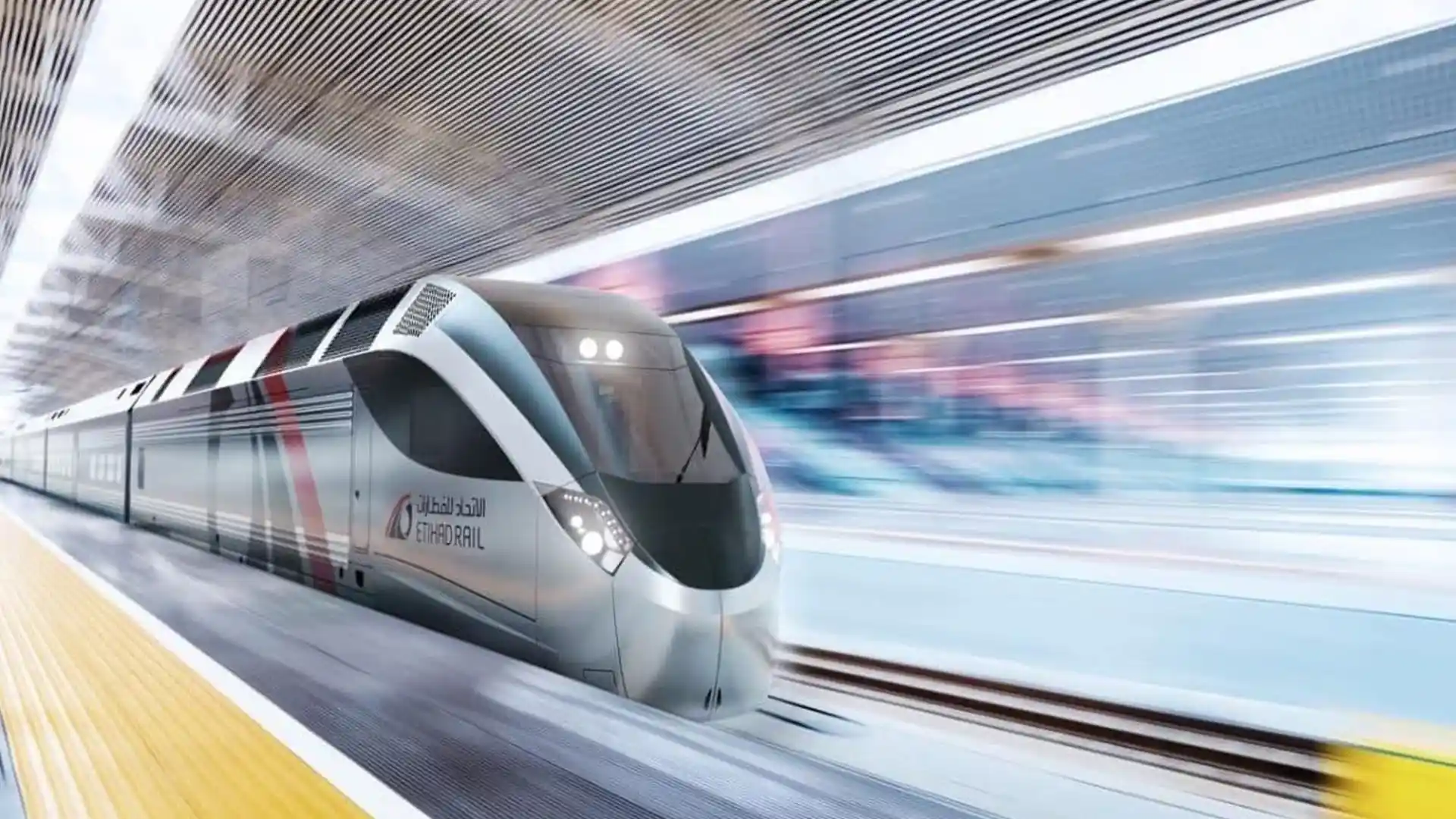
Real estate leaders believe enhanced rail links could significantly strengthen Fujairah’s appeal, encouraging more people to settle there permanently while creating fresh opportunities for businesses, homeowners and investors seeking long-term growth in the emirate’s property market.
Etihad Rail Could Give Fujairah Property Market a Major Boost as Accessibility Improves
The expansion of Etihad Rail’s passenger services is expected to have a significant influence on Fujairah’s real estate sector, with industry professionals predicting increased demand for homes, stronger property prices and greater interest from investors.
As rail connectivity improves the emirate’s links with other parts of the UAE, Fujairah could become an increasingly attractive option for people looking to live, work or invest outside the country’s larger urban centres.
Property specialists believe the impact could extend beyond the residential market. Better transportation links may encourage the development of new retail centres, commercial projects and mixed-use communities, particularly in areas located close to the planned railway stations.
The improved accessibility could also change the way people view Fujairah. Rather than being regarded mainly as a destination for short breaks and weekend trips, the emirate could increasingly appeal to residents seeking a permanent home while continuing to attract businesses and property investors.
Better connectivity could support property demand
Real estate executives expect areas surrounding the planned Fujairah and Sakamkam stations to be among the first locations to benefit from the improved transport infrastructure.
Nasar Tajalli, general manager of Fujairah Real Estate Agency, said interest could initially be concentrated on residential land and villas located close to the upcoming stations.
According to Tajalli, these locations could subsequently attract a wider range of commercial activity as surrounding communities expand. Retail outlets and mixed-use developments could emerge as demand for housing, services and amenities increases.
The development of transport infrastructure can often influence property preferences because buyers and tenants tend to value convenient access to workplaces, commercial centres and other important destinations.
For Fujairah, the introduction of passenger rail services could make travelling between the emirate and other parts of the UAE more convenient, potentially encouraging more people to consider living in the emirate while working elsewhere.
This could broaden the pool of potential buyers and tenants and create additional demand for properties located within easy reach of railway stations.
Station areas could become investment hotspots
Tajalli expects the first wave of interest to focus on properties positioned close to the planned rail stations.
Residential plots and villas could benefit as individuals and families look for homes offering easier access to the new transport network. As populations around these locations grow, demand for everyday services could also encourage businesses to establish retail and commercial outlets nearby.
Over time, this could contribute to the creation of more active neighbourhoods surrounding the stations.
Mixed-use developments could be particularly attractive because they combine residential, commercial and retail facilities within the same area. Such projects can offer residents greater convenience while providing businesses with access to a growing local customer base.
The development of these communities could also create opportunities for property owners who acquire land or homes before the full benefits of the railway become visible.
Tajalli believes the longer-term effect could be reflected in property values. He estimates that well-positioned properties close to the stations could record gains of around 20 to 30 per cent between 2029 and 2031.
Such an increase would depend on several factors, including the pace of infrastructure development, demand from buyers and tenants, the quality of new projects and broader economic conditions.
Fujairah’s appeal could expand
Fujairah has traditionally offered a different lifestyle from the UAE’s larger metropolitan centres. The emirate is known for its mountains, coastline and relatively quieter environment, making it popular among residents and visitors looking for an alternative to the busier urban areas.
It is also unique geographically, as it is the only UAE emirate situated entirely on the country’s eastern coastline. Fujairah shares a border with Oman and faces the Gulf of Oman, giving it a distinct location compared with the emirates along the Arabian Gulf.
Its natural surroundings have contributed significantly to its appeal. Mountains, beaches and diving locations attract tourists, while the comparatively relaxed environment has made the emirate attractive to residents seeking a different pace of life.
However, one factor that has historically influenced decisions about living in Fujairah is accessibility.
For people working in other emirates, travel time and transportation options can play an important role when deciding where to purchase or rent a home.
The development of a passenger railway could help address this consideration by providing another transportation option and strengthening Fujairah’s connections with the wider UAE.
Potential impact on residential development
A rise in demand for homes could encourage developers to introduce more residential projects in locations benefiting from improved connectivity.
Developers may look for land close to railway stations as they assess where future demand could emerge. Residential communities located near transport hubs could become particularly appealing to buyers who prioritise convenience.
Villas and residential plots are expected to be among the early areas of interest, according to Tajalli. As more people begin considering Fujairah as a permanent place to live, developers could also explore apartments, townhouses and other housing formats.
The resulting increase in supply could create a more diverse property market, giving residents and investors a broader selection of housing options.
The railway could also influence the location of future developments. Instead of concentrating exclusively on existing residential areas, developers may increasingly examine land surrounding new transportation corridors.
This could eventually lead to the expansion of communities around the stations and the creation of new neighbourhoods designed around accessibility.
Commercial opportunities may follow
The expected impact is not limited to residential real estate.
As more people live and travel through station areas, businesses may see opportunities to establish shops, restaurants, offices and other services nearby.
Retail development could therefore become another important part of Fujairah’s property growth story.
A growing residential population typically creates demand for supermarkets, cafes, restaurants, healthcare facilities, schools, entertainment venues and other everyday services.
Mixed-use developments could benefit from this trend by bringing several types of facilities together in one location.
For investors, such projects could provide opportunities to benefit from both residential and commercial demand.
The emergence of new commercial areas could also contribute to job creation, further strengthening the connection between infrastructure investment, employment and property demand.
Quality of life could improve
Beyond its potential effect on property prices, improved connectivity could influence the overall quality of life for Fujairah residents.
Shorter or more convenient journeys can make it easier for people to access employment centres, services and other destinations across the UAE.
For families, better transportation options can be an important consideration when choosing where to live.
Workers who previously preferred to live closer to their workplaces may become more open to Fujairah if commuting becomes easier.
This could give the emirate an opportunity to attract residents who value its natural surroundings and quieter lifestyle but still want access to employment and business opportunities elsewhere.
The combination of lifestyle and connectivity could become one of Fujairah’s strongest advantages in the property market.
Long-term investment potential
Tajalli, who has followed Fujairah’s property sector for more than 20 years, believes the emirate has historically not received the same level of attention as some other UAE property markets despite its considerable lifestyle appeal.
The arrival of improved passenger rail connectivity could help change that perception.
Investors may increasingly examine Fujairah as they look for markets with potential for long-term growth. Greater accessibility could be an important factor in attracting new investment, particularly if demand from residents and businesses rises.
However, the performance of individual properties will still depend heavily on their location, quality, surrounding infrastructure and proximity to important facilities.
Properties near transport stations may have an advantage, but market growth is unlikely to be uniform across the entire emirate.
Areas with strong connections to rail services, established amenities and new development activity could potentially experience stronger demand than locations further away from major infrastructure.
Fujairah’s geographical advantage
The emirate’s location gives it a distinctive position within the UAE.
Situated on the eastern side of the country and facing the Gulf of Oman, Fujairah offers access to a different coastal environment from the UAE’s western emirates.
Its proximity to Oman also gives the emirate a strategic geographical position.
The combination of coastline, mountains and tourism attractions has helped Fujairah develop a reputation as a destination for visitors seeking outdoor activities and a more relaxed atmosphere.
For property buyers, these characteristics can add another dimension to the appeal of the market.
A home in Fujairah can offer access to beaches, mountains and recreational activities while potentially becoming more convenient for people who need to travel to other parts of the UAE.
A shift from weekend destination to residential hub
The expected rail connectivity could ultimately change the role Fujairah plays within the UAE’s property landscape.
For many people, the emirate has traditionally been associated with holidays, short breaks and tourism.
Improved transport could encourage a shift towards longer-term residential demand.
If commuting becomes more convenient, people may be more willing to choose Fujairah as their primary residence rather than visiting only for weekends.
This could create a broader and more stable base of demand for housing.
A larger resident population could, in turn, support additional businesses and services, creating a cycle in which improved connectivity encourages population growth, which then attracts further development.
New opportunities for developers
Developers are likely to monitor demand around the railway stations closely as passenger services become established.
The initial focus could be on relatively straightforward residential projects, particularly villas and plots. However, increasing demand could eventually support larger master-planned communities.
Such developments could incorporate housing alongside retail, offices, leisure facilities and community services.
The availability of transport infrastructure may also influence the design of these projects, with developers potentially placing greater emphasis on walkability and convenient access to railway stations.
Station-oriented development could create new commercial centres and help diversify the emirate’s property market.
Investors watching the market
The prospect of rising property values is likely to attract investors looking for opportunities before infrastructure-related growth becomes fully reflected in prices.
Early investment can carry both opportunities and risks. While infrastructure can support demand, property performance also depends on broader market conditions, economic growth, interest rates, population trends and the supply of new homes.
Investors are therefore likely to assess individual projects carefully rather than assuming that every property in Fujairah will experience the same level of growth.
Location will remain particularly important.
Properties close to railway stations, major roads, employment areas and established amenities may have stronger appeal than those without convenient access to transportation and services.
A new chapter for Fujairah real estate
The expected arrival of passenger rail services represents an important development for Fujairah and could have consequences extending well beyond transportation.
For the property sector, the railway has the potential to improve accessibility, increase residential demand, encourage commercial development and attract fresh investment.
The areas around the Fujairah and Sakamkam stations could become especially significant as developers and investors assess future opportunities.
Tajalli’s expectation of 20 to 30 per cent appreciation between 2029 and 2031 for well-positioned properties highlights the potential that some industry professionals see in the market.
Whether individual properties achieve such growth will depend on market conditions and the successful development of surrounding infrastructure.
Nevertheless, the broader outlook suggests that connectivity could become an increasingly important driver of Fujairah’s property sector.
As the emirate becomes easier to reach from other parts of the UAE, its combination of natural attractions, relatively quieter surroundings and growing infrastructure could make it increasingly attractive to homeowners, businesses and investors.
The transformation could gradually shift Fujairah’s image from primarily a leisure destination to a more established residential and investment market.
If passenger rail services encourage more people to live and work in the emirate, the resulting demand could support new housing projects, retail centres and mixed-use communities.
For Fujairah, the railway could therefore represent more than a new mode of transport. It could become a catalyst for broader economic and real estate development, opening a new phase of growth for one of the UAE’s most distinctive property markets.
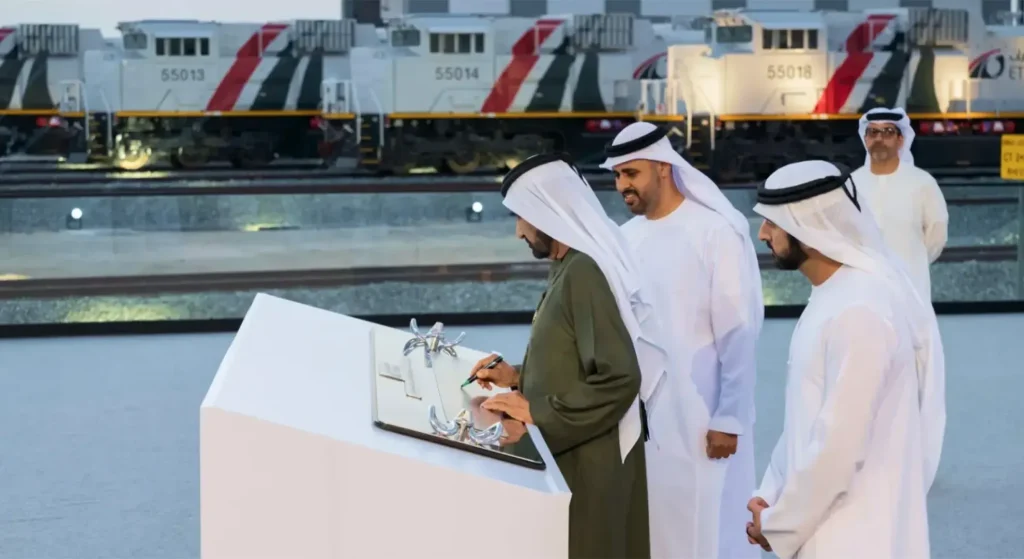
Property Interest in Fujairah Shows Early Signs of Growth
Interest in Fujairah’s property market appears to be gaining momentum even before the full impact of Etihad Rail’s passenger services is felt. Recent search and enquiry figures indicate that more buyers and renters are beginning to explore opportunities in the emirate, suggesting that expectations around improved connectivity may already be influencing market sentiment.
Data from Property Finder shows that online searches for properties available for sale in Fujairah reached their highest monthly level in July, rising to 8,337 searches. The increase points to growing curiosity among potential buyers who are considering the emirate as a possible destination for home ownership or investment.
Enquiry activity also recorded growth during the same period. Between June and July 2026, enquiries relating to rental properties increased by 11.1 per cent, reaching 1,306 leads. Meanwhile, enquiries from people interested in purchasing property rose by 2.2 per cent to 92.
Although these figures represent different stages of the property-search process, the upward movement suggests that interest in Fujairah is becoming more visible among prospective residents and investors.
The rise in searches is particularly significant as the emirate prepares to benefit from improved inter-emirate transportation. Better rail connections could make Fujairah more accessible to people living and working elsewhere in the UAE, potentially encouraging more buyers to consider properties that may previously have been overlooked.
Rail connectivity could influence future demand
One of Etihad Rail’s inaugural stations is located in Al Hilal City, adding an important transportation link to an area that could attract increased attention from property seekers.
Cherif Sleiman, chief revenue officer at Property Finder, said the location is worth monitoring as the UAE’s expanding rail network develops.
He highlighted the potential relationship between areas where demand for residential properties is already exceeding available supply and locations benefiting from new inter-emirate infrastructure.
The interaction between these two trends could become increasingly important for Fujairah’s property market.
Where demand is already strong but housing supply remains limited, the introduction of better transportation infrastructure could further increase the attractiveness of nearby communities.
Improved connectivity may also encourage developers to assess areas surrounding railway stations for future projects.
As more people begin searching for homes close to transportation links, developers could respond by increasing the supply of residential properties, retail facilities and mixed-use communities.
The long-term effect could therefore extend beyond the immediate areas surrounding railway stations, particularly if improved transportation encourages population growth and greater economic activity across the emirate.
Affordable housing remains an advantage
The potential impact of Etihad Rail comes at a time when Fujairah already has several characteristics that appeal to property buyers.
Fibha Ahmed, vice-president of Sales at Bayut and dubizzle Property, said the introduction of passenger rail services could represent a significant moment for the emirate’s real estate sector.
According to Ahmed, improved connectivity has the potential to bring greater attention to property markets that may previously have received less interest from buyers and investors.
Fujairah’s comparatively affordable housing options are one of the factors that could help strengthen its appeal.
Compared with some of the UAE’s more expensive property markets, the emirate can offer buyers access to larger homes and different types of residential properties at relatively accessible price points.
For families and individuals who want more space without moving too far away from the UAE’s major economic centres, this could become an increasingly attractive proposition.
The combination of affordability and improved transportation could be particularly important.
Historically, one of the considerations for people deciding where to live has been the time and convenience involved in travelling between home and work.
If passenger rail services provide a practical connection between Fujairah and other parts of the UAE, potential homeowners may become more willing to consider living in the emirate while maintaining access to employment opportunities elsewhere.
This could broaden Fujairah’s potential residential customer base.
Rail could change investor perceptions
Infrastructure improvements can influence how investors view emerging property markets.
An area that previously appeared relatively distant from major employment and commercial centres can become more attractive when transportation links improve.
For Fujairah, the railway could help strengthen its position within the wider UAE property landscape by making movement between the emirate and other parts of the country more convenient.
This may encourage investors to look beyond the emirate’s established tourism and residential appeal and consider its longer-term development potential.
Ahmed said the effect of Etihad Rail is expected to go beyond simply increasing demand for homes.
Better transport connections could also help support tourism, encourage commercial activity and increase interest in infrastructure projects.
As more visitors and residents are attracted to Fujairah, businesses may see greater opportunities to establish operations in the emirate.
This could create additional demand for retail centres, restaurants, offices, hospitality facilities and other commercial developments.
Mixed-use projects could benefit
One area that could receive increased attention is mixed-use development.
These projects combine residential units with retail, commercial and lifestyle facilities, allowing residents to access several services within the same community.
Improved transportation can make such developments particularly appealing because residents may benefit from convenient access to railway stations while also having essential facilities close to home.
For developers, this could create opportunities to build communities designed around both residential and commercial demand.
The presence of a railway station can potentially become a major factor in deciding where new projects should be located.
Developers may increasingly examine land around transport hubs and assess whether demand is sufficient to support new residential and commercial developments.
Over time, this could contribute to the emergence of new neighbourhoods around Fujairah’s railway infrastructure.
Tourism could receive a boost
Fujairah’s property market is also closely connected to its tourism potential.
The emirate is known for its mountains, beaches, diving locations and distinctive coastal environment, making it an established destination for visitors.
Improved rail accessibility could make these attractions easier to reach for people from other parts of the UAE.
A larger number of visitors could create additional demand for hotels, holiday homes, restaurants, retail outlets and leisure facilities.
Greater tourism activity can also have indirect benefits for the property market by encouraging businesses to invest in areas where visitor numbers are expected to increase.
The combination of tourism and residential demand could therefore create a broader base for future real estate development.
Business activity may increase
Improved connectivity could also strengthen Fujairah’s appeal to businesses.
Companies often consider transportation access when deciding where to establish offices, facilities or other operations.
If rail services improve connections with major population and employment centres, Fujairah could become more attractive to businesses looking for alternative locations.
New business activity could subsequently contribute to employment growth, which may generate additional demand for housing.
This could create a cycle in which better transportation encourages business investment, new employment opportunities attract workers, and increased population supports further residential and commercial development.
The long-term effect would depend on the pace of investment and the development of supporting infrastructure, but industry executives believe the potential is significant.
Ownership opportunities remain important
While improved transportation can encourage people to enter a property market, Ahmed pointed out that connectivity alone will not be enough to guarantee sustained investor interest.
The structure of property ownership will also play an important role.
For international and long-term investors, the ability to purchase appropriate properties under clear and transparent ownership arrangements can be a major consideration.
Investors typically want to know what types of properties they can acquire, what ownership rights apply and whether they can retain their assets over an extended period.
Expanding freehold opportunities could therefore strengthen Fujairah’s appeal to investors, particularly those looking for long-term exposure to the emirate’s property market.
Clear ownership frameworks can provide greater confidence and make it easier for investors to assess the potential benefits of purchasing property.
Connectivity and ownership must work together
Ahmed’s comments highlight an important distinction between attracting attention to a market and converting that interest into actual investment.
A new railway can make a location more accessible and encourage more people to consider living or investing there.
However, potential investors also need suitable properties, understandable ownership rules and confidence in the long-term prospects of the market.
If these factors develop alongside improved transportation, Fujairah could be better positioned to attract sustained investment.
The increase in online searches and property enquiries suggests that some of this interest may already be emerging.
July’s record level of searches for properties listed for sale indicates that potential buyers are actively researching opportunities.
The increase in rental enquiries is also significant because it could point to growing interest from people considering Fujairah as a place to live rather than simply as a short-term destination.
Demand could spread beyond station areas
The immediate impact of Etihad Rail may be strongest around railway stations, but the influence could eventually extend across a wider area.
As transportation becomes more convenient, buyers may become less concerned about living a greater distance from major employment centres.
This could encourage demand in several Fujairah communities rather than concentrating activity exclusively around station locations.
Properties with good road access to railway stations could also become more attractive.
Developers may therefore look at broader transport networks when planning future projects, considering how roads, railways and other infrastructure connect residential communities with employment and commercial areas.
Early indicators worth monitoring
The recent search and enquiry data provide an early indication of changing interest, but they do not by themselves guarantee future price increases.
Real estate markets are influenced by multiple factors, including economic conditions, supply levels, mortgage costs, population growth and investor sentiment.
The impact of Etihad Rail will likely become clearer as passenger services expand and residents begin using the network regularly.
Over time, market participants will be able to assess whether improved accessibility results in stronger demand, higher occupancy levels and increased development activity.
For now, the rise in searches and enquiries suggests that Fujairah is attracting greater attention.
A potentially broader transformation
The railway could ultimately play a role in changing how Fujairah is perceived within the UAE’s real estate market.
The emirate already offers several advantages, including relatively affordable property, larger residential options, natural attractions and a quieter lifestyle.
What has traditionally been missing for some potential residents is the same level of connectivity enjoyed by the country’s largest urban centres.
Etihad Rail could help address that gap.
If travel between Fujairah and other parts of the UAE becomes easier, people who work outside the emirate may have greater flexibility when choosing where to live.
That could make Fujairah a more realistic option for permanent residents rather than primarily a weekend or holiday destination.
Opportunities for investors and developers
For developers, this potential shift could create opportunities to introduce new housing and commercial projects.
For investors, it could provide an opportunity to enter the market as infrastructure improves and demand develops.
However, careful consideration of location, property type, ownership structure and long-term demand will remain essential.
Not every development is likely to benefit equally from improved connectivity.
Properties positioned close to railway stations, major roads, employment areas, retail centres and other amenities may be better placed to benefit from increasing demand.
Similarly, projects that provide a combination of convenience, quality and value could become particularly attractive to buyers.
Looking ahead
Fujairah’s property market appears to be entering a potentially important period as Etihad Rail’s passenger network takes shape.
The record number of property searches in July, combined with rising rental and sales enquiries, indicates that interest is already building.
The presence of a new railway station in Al Hilal City could further strengthen attention towards surrounding areas, particularly where residential demand is already strong.
At the same time, industry experts believe the railway’s influence could extend beyond housing.
Tourism, retail, business activity, infrastructure investment and mixed-use development could all benefit from improved connectivity.
Fujairah’s affordability and distinctive lifestyle provide an existing foundation, while better transportation could add another important advantage.
For the market to realise its full potential, however, improvements in connectivity will need to be accompanied by appropriate property supply and investment-friendly ownership structures.
As Ahmed noted, attracting people to a market is only the first step. Investors also need access to suitable assets and confidence that they can hold and benefit from those assets over the long term.
If these conditions develop together, Fujairah could become increasingly prominent on the UAE’s real estate map.
The combination of growing online interest, new rail infrastructure, affordable housing, tourism potential and opportunities for commercial development suggests that the emirate could be entering a new phase of property-sector growth.
For now, market participants will be watching closely to see whether the early rise in searches and enquiries translates into stronger transactions, increased development and sustained demand once passenger rail services become an established part of the UAE’s transport network.