UAE visitors should be aware of unexpected items that may trigger airport security concerns, from restricted belongings to prohibited goods that could create problems while travelling.
UAE Travel Guide: Unexpected Items That Could Get You Stopped at Airport Security.
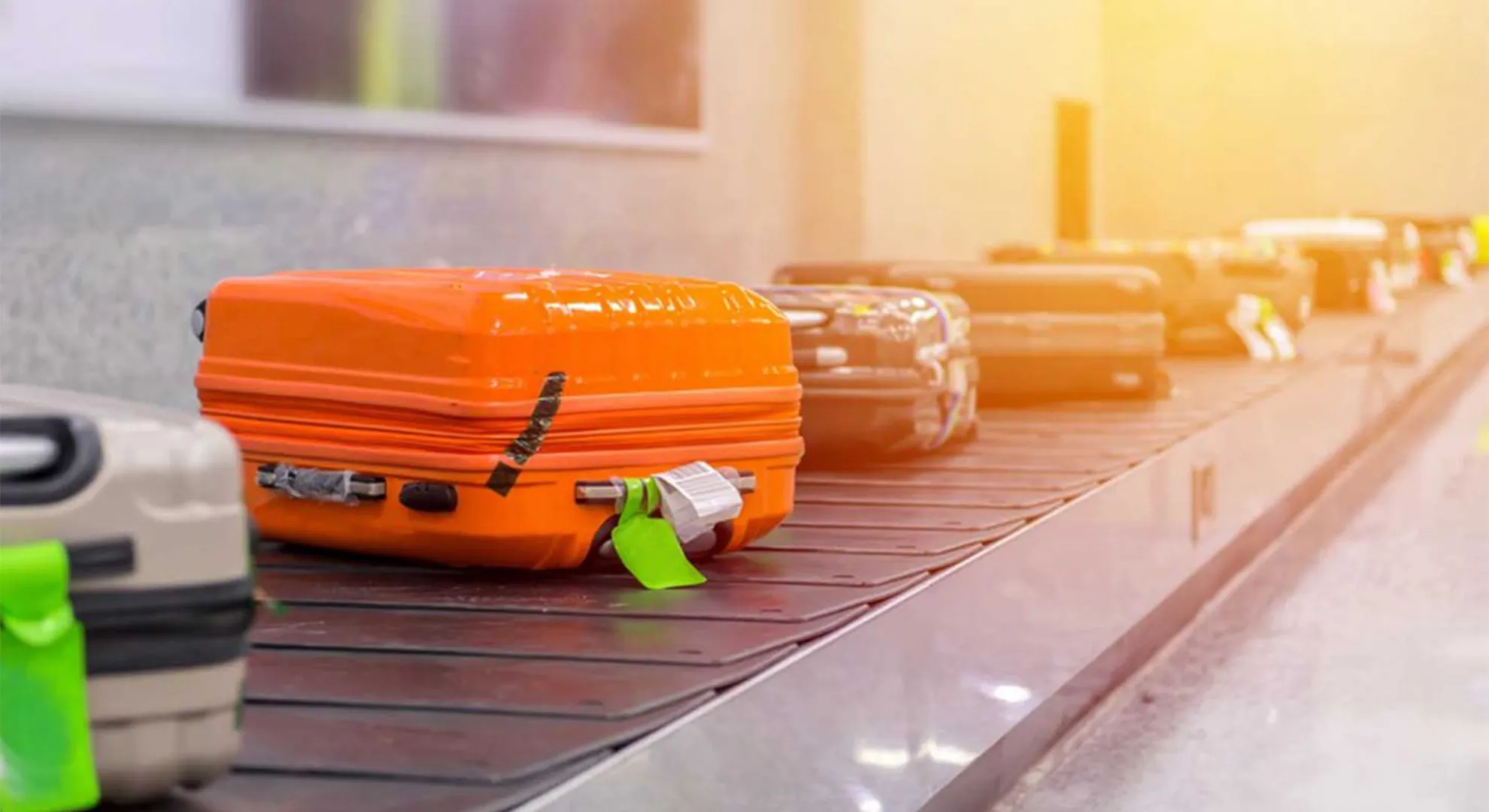
Many luggage rules reflect common international airport standards, but the UAE also enforces specific restrictions that may be unexpected for regular flyers familiar with global travel procedures.
UAE Travel Advice: Unexpected Items That Could Cause Problems at Airport Checks
For many travellers, preparing luggage before a holiday is a simple routine: pack clothes, personal essentials and items needed for the journey, then head to the airport. However, some belongings that appear harmless may not be permitted under UAE aviation and customs regulations and could result in additional screening, delays or confiscation.
The UAE has detailed rules governing what passengers can bring into the country and what items are restricted in checked baggage or cabin luggage. These regulations are designed to protect passengers, airport staff and residents while ensuring that travel procedures remain safe and efficient.
Although many of the country’s requirements are based on widely accepted international aviation practices, certain restrictions are specific and may surprise even passengers who travel frequently. Some items that are legal or commonly carried in other destinations may face limitations when entering the UAE or travelling through its airports.
One important point for travellers is that airport security assessments are not limited to obvious dangerous items. Authorities also monitor goods that could create safety concerns, affect public health or cause inconvenience to other passengers. As a result, travellers are advised to check regulations carefully before placing unusual items in their luggage.
Among the items that may attract attention are objects that resemble weapons. Toy guns, replica firearms and similar items can create confusion during security checks because they may appear similar to real weapons on scanning equipment. Even if they are intended for children or recreational use, such items may be restricted and should not be packed without confirming the relevant rules.
Customs regulations also cover certain agricultural products and food items. Travellers often carry snacks, fruits or local products from their home countries, but some foods may not be allowed due to concerns related to agriculture, hygiene or passenger comfort.
For example, some airlines operating in the UAE have restrictions on carrying strong-smelling fruits inside aircraft cabins. Etihad Airways advises passengers against bringing certain pungent fruits onboard because their strong odours may affect the comfort of other travellers during flights.
These restrictions include fruits such as durian, jackfruit, champedek, pedalai and marang. While these fruits are popular in several parts of the world and are valued for their unique flavours, their intense smell can create challenges in an enclosed aircraft environment.
The rule highlights an important aspect of air travel regulations: not all restrictions are connected to safety risks alone. Some are introduced to maintain a comfortable experience for passengers and prevent issues during long flights.
Travellers should also remember that rules can vary depending on whether an item is carried in hand luggage, checked baggage or brought into the country through customs. An item that may be acceptable in one situation could be restricted in another.
Before travelling to the UAE, passengers are encouraged to review airline guidelines and official customs information, especially if they plan to carry unusual belongings, food products, medicines, electronic equipment or personal items that may require approval.
Another common mistake among travellers is assuming that items permitted in their departure country will automatically be accepted at their destination. International travel involves multiple jurisdictions, and each country has the authority to establish its own entry requirements based on security, health and cultural considerations.
The UAE’s airports handle millions of passengers every year, making effective screening procedures essential. Security teams are trained to identify prohibited and restricted items while helping travellers complete their journeys smoothly.
Being aware of the rules before arriving at the airport can help passengers avoid unnecessary delays. Simple preparation, such as checking baggage restrictions in advance and removing questionable items before packing, can make the travel process easier.
The rise in global travel has also increased awareness of the importance of responsible packing. Items that may seem ordinary at home can create complications when transported internationally. From children’s toys that resemble weapons to certain food products with strong odours, small details can have a significant impact during security checks.
For visitors travelling to the UAE, understanding these regulations is an important part of planning a successful trip. Following baggage guidelines not only helps avoid problems at airports but also supports a safer and more comfortable environment for everyone.
Ultimately, careful packing is about more than saving space in a suitcase. It requires awareness of local laws, airline policies and international travel expectations. By checking restrictions before departure, passengers can enjoy a smoother journey and avoid surprises when passing through UAE airport security or customs.
UAE Airport Restrictions: Everyday Items That Could Create Travel Problems
Many travellers assume that only obvious dangerous objects are restricted at airports. However, UAE aviation and customs regulations cover a much wider range of items, including some everyday belongings, sports equipment, food products and medicines that may appear harmless but can lead to delays, confiscation or additional checks.
Passengers travelling through UAE airports are advised to review baggage rules before departure, as regulations can differ from those in other countries. An item that is acceptable in one destination may be restricted or prohibited when entering the UAE due to security, health or legal requirements.
Measuring tools
A measuring tape may seem like an ordinary household or work-related item, but passengers should be careful when packing one in cabin luggage. At Dubai airports, certain measuring tapes are not allowed in hand baggage because security officials consider that some objects with long, rigid or retractable parts could potentially be misused.
Travellers who need to carry measuring equipment are advised to place permitted items in checked baggage where applicable or confirm airline requirements before arriving at the airport. Packing restrictions are designed to reduce risks inside aircraft cabins, where security controls are stricter.
Sports equipment and recreational items
Sports lovers may need to plan carefully when travelling with their equipment. Items such as cricket bats, fishing rods and skateboards are generally not accepted in cabin baggage because of their size, shape and potential use as security concerns.
Although these items are commonly used for leisure activities, airport authorities classify many sporting goods as unsuitable for carry-on luggage. Passengers wishing to travel with such equipment may need to transport them as checked baggage, subject to airline policies and size limitations.
Planning ahead is especially important for travellers carrying specialist equipment, as airlines may have separate rules regarding packaging, weight and additional charges.
Toys and replica weapons
Items intended for children can also create difficulties during security screening. Toy weapons, replica firearms, bows, arrows and darts may appear harmless, but their resemblance to real weapons means they are often restricted in cabin luggage.
Security scanners and airport staff must treat objects that look like weapons seriously to ensure passenger safety. Even if an item is clearly designed as a toy, carrying it through security may result in questioning, removal of the item or additional screening.
Parents travelling with children should check regulations before packing such toys, particularly when they have realistic designs or features that resemble actual weapons.
Poppy seeds and controlled substances
Some food ingredients that are commonly used in kitchens around the world are subject to strict regulations in the UAE. Poppy seeds are one example of an item that travellers may not realise is restricted.
Although poppy seeds are widely used as a cooking ingredient in many countries, UAE authorities classify them differently because of their association with the opium poppy plant. The country follows strict controls on substances linked to narcotics, and even small quantities may lead to serious legal consequences.
The UAE maintains a strict approach towards controlled substances, and travellers are advised to avoid carrying items that may contain restricted ingredients unless they have confirmed official approval.
Food products that are considered ordinary in one country may therefore fall under different rules when transported internationally. Checking regulations before packing is essential, especially for spices, seeds, herbal products and traditional food items.
Restricted food products
Food items are another category where travellers should pay close attention to customs regulations. Certain products that are available in many countries cannot be brought into the UAE.
Pork and pork-derived products are prohibited from being imported through customs into Dubai International Airport. This includes products such as bacon, ham, lard and items containing pork-based ingredients such as pork gelatine.
The restrictions are linked to UAE regulations concerning food imports and religious dietary standards. Any prohibited products discovered during customs inspections may be confiscated, and travellers may face further procedures depending on the circumstances.
Passengers carrying packaged foods are encouraged to check ingredient labels carefully. Some processed products may contain animal-derived ingredients that are not immediately obvious from the product name.
Medicines and health-related products
Medication rules are another area where international travellers need to be cautious. A medicine that is available without restriction in one country may be regulated differently in the UAE.
Most common prescription and over-the-counter medicines intended for personal use are permitted when travellers follow the required procedures. However, some medicines containing controlled substances, including certain narcotic or psychotropic ingredients, may require additional documents or prior approval before being brought into the country.
Travellers carrying prescription medication should keep medicines in their original packaging and carry supporting documents, such as a prescription or medical certificate, when required. This helps demonstrate that the medication is for legitimate personal use.
The UAE’s Ministry of Health and Prevention (MoHAP) provides guidance on controlled medicines and approval requirements. Passengers should review the latest requirements before travelling, particularly if they rely on specialised medication.
Cannabis and CBD products
Products containing cannabis or CBD can also create serious problems for international travellers entering the UAE. Although some countries permit the sale and use of CBD oils and related products, these items remain prohibited under UAE regulations.
Passengers should avoid carrying cannabis-related products, including oils, supplements or other items containing prohibited compounds, even if they were legally purchased in another country.
Different nations have different approaches to controlled substances, and travellers are responsible for understanding the laws of their destination. International legality does not automatically mean an item can be transported across borders.
Why checking rules matters
Airport regulations exist to protect passengers and maintain secure travel environments. While some restrictions may seem unexpected, each rule is based on considerations involving safety, public health, customs control or national law.
For travellers visiting or passing through the UAE, preparation is the easiest way to avoid complications. Reviewing airline guidance, checking customs requirements and avoiding uncertain items can help ensure a smoother airport experience.
Simple steps such as packing carefully, carrying necessary documents and confirming restrictions before departure can prevent delays and unnecessary stress. With millions of passengers travelling through UAE airports each year, following these regulations helps maintain a safe and efficient travel system for everyone.
Other banned items at Dubai Airport
UAE Airport and Customs Restrictions: Items Travellers Should Avoid Carrying
Passengers travelling to the UAE are advised to carefully check customs and airport regulations before packing their luggage. While many everyday belongings are allowed, certain goods are restricted or completely prohibited because of security concerns, legal requirements, environmental protection measures and public safety rules.
The UAE maintains strict controls on items entering the country, and customs authorities have the power to inspect luggage, confiscate prohibited goods and take further action when necessary. Regulations apply across major airports, including Dubai, Sharjah and Abu Dhabi, although each airport may highlight specific categories of restricted items.
Understanding these rules before travelling can help passengers avoid delays, legal complications and unexpected issues during security screening or customs checks.
Items restricted under Dubai Customs regulations
Dubai Customs maintains a detailed list of goods that passengers are not permitted to bring into the UAE. These restrictions cover a wide range of products, from illegal substances and dangerous materials to items that violate national laws or international agreements.
Narcotic substances and illegal drugs
The UAE has a strict zero-tolerance approach towards illegal drugs. Narcotic substances such as hashish, cocaine, heroin and hallucinogenic pills are prohibited from being brought into the country.
Even small quantities of controlled substances can result in serious legal consequences. Travellers should be especially careful with personal belongings, medications and food products that may contain restricted ingredients.
Goods linked to prohibited trade activities
Items imported from countries or regions subject to official trade restrictions or boycotts may also be banned. These measures are part of wider economic and legal regulations enforced by UAE authorities.
Passengers should ensure that goods carried in their luggage comply with current customs requirements before entering the country.
Protected wildlife products
The UAE prohibits the import of certain wildlife-related materials, including raw ivory and rhinoceros horns. These restrictions support international efforts to protect endangered species and prevent illegal wildlife trade.
Travellers should avoid carrying souvenirs, traditional items or decorative objects made from protected animal materials unless they can verify that the items are legally permitted.
Gambling-related equipment
Gambling equipment, tools and machinery are among the items prohibited under UAE customs regulations. This includes products specifically designed or intended for gambling activities.
The restriction reflects the country’s laws governing gambling and related activities.
Fishing equipment restrictions
Certain types of fishing equipment, including three-layer fishing nets, are not permitted. These restrictions are linked to environmental protection measures and efforts to regulate fishing practices.
Travellers carrying recreational equipment should check whether their items comply with local regulations before arrival.
Cultural and artistic materials
Some artistic and cultural items may also face restrictions. Dubai Customs prohibits certain original engravings, prints, lithographs, sculptures and statues made from various materials.
Additionally, printed materials, photographs, books, magazines, paintings, sculptures and mannequins that violate UAE laws, cultural standards or public decency regulations may not be allowed into the country.
Passengers carrying artwork or publications should ensure that their items meet UAE requirements.
Counterfeit goods and fake currency
Fake or forged currency is strictly prohibited. Authorities also monitor counterfeit items and materials that may violate intellectual property laws.
Travellers should avoid carrying suspicious financial documents, imitation currency or products that could be considered fraudulent.
Other restricted goods
Dubai Customs also prohibits any other items that are restricted under UAE legislation or other applicable regulations. Since rules can change, passengers are encouraged to check official guidance before travelling.
Items not permitted at Sharjah Airport
Sharjah Airport applies strict security rules covering both cabin baggage and checked luggage. Many prohibited items are restricted because they could pose a threat to aircraft safety or passenger security.
Weapons and sharp objects
Sharp items and weapons are not allowed in passenger baggage where they could create a security risk. These include knives with blades of six centimetres or longer, prohibited knives under UAE law, swords, sabres, box cutters, hunting knives and souvenir blades.
Martial arts weapons and other objects designed to cause injury are also restricted.
Passengers who need to transport specialist tools or equipment should check airline procedures and determine whether they can be carried under approved conditions.
Firearms and weapon-related items
All types of firearms and weapons are subject to strict controls. This includes pistols, rifles, ammunition and other firearm-related items.
Starter pistols, flare guns and similar devices may also be restricted because they can resemble operational weapons or create safety concerns.
Dangerous materials and chemicals
Sharjah Airport prohibits various hazardous substances, including fire extinguishers, compressed oxygen containers and ammonia solutions.
Explosive materials are also banned, including fireworks, firecrackers, blasting caps, detonating devices and emergency distress signals.
These restrictions exist because such materials can create significant risks during flight operations.
Objects that may cause injury
Certain everyday items can also be restricted if they are considered potential weapons. Examples include ice picks, alpenstocks, straight razors and long scissors.
Although these objects may have legitimate personal uses, airport security regulations limit their presence in passenger luggage to reduce possible risks.
Replica weapons and imitation items
Toy weapons, dummy firearms, replica grenades and similar objects can also cause problems during airport screening.
Even if these items are not functional, their appearance may create confusion and security concerns. Passengers are advised to avoid carrying realistic replicas that could be mistaken for genuine weapons.
Prohibited items at Abu Dhabi Airport
Abu Dhabi Airport also enforces strict rules regarding items that may threaten aviation safety or passenger security. Certain goods are prohibited in both hand baggage and checked luggage.
Weapons and imitation weapons
Firearms, ammunition, sharp weapons and replica weapons are not permitted unless they meet specific legal requirements and approvals.
The restrictions apply because objects that can cause harm or resemble weapons may create security concerns during airport operations.
Explosives and flammable substances
Materials that could ignite, explode or damage aircraft systems are prohibited. This includes items that present a serious fire risk or could endanger passengers and crew.
Travellers should avoid carrying unknown chemicals, fuel-related products or hazardous materials unless they have received official approval.
Chemicals and toxic substances
Corrosive materials, poisonous substances and compressed gases are among the items restricted at Abu Dhabi Airport.
These products can pose risks not only during flight but also during baggage handling and storage. Strict controls help protect passengers, airport employees and aircraft.
Why travellers should check regulations before flying
Airport and customs rules are designed to protect passengers while ensuring smooth international travel. Many prohibited items may seem harmless in everyday life, but they can become security concerns in an aviation environment.
Travellers should remember that regulations vary between countries. An item that is permitted at departure may not necessarily be accepted at the destination airport.
Before packing, passengers should review airline policies, UAE customs requirements and airport security guidelines. Checking in advance is particularly important for unusual items, professional equipment, medicines, food products and souvenirs.
By understanding restrictions and preparing luggage carefully, travellers can avoid unnecessary delays and enjoy a smoother arrival experience in the UAE.