Motorists across the UAE could see fuel prices decrease for a second consecutive month in August, although the expected reduction is likely to be relatively small compared with previous monthly adjustments.
UAE Conservation Efforts Culminate in UNESCO Recognition for Wadi Wurayah After 20 Years.
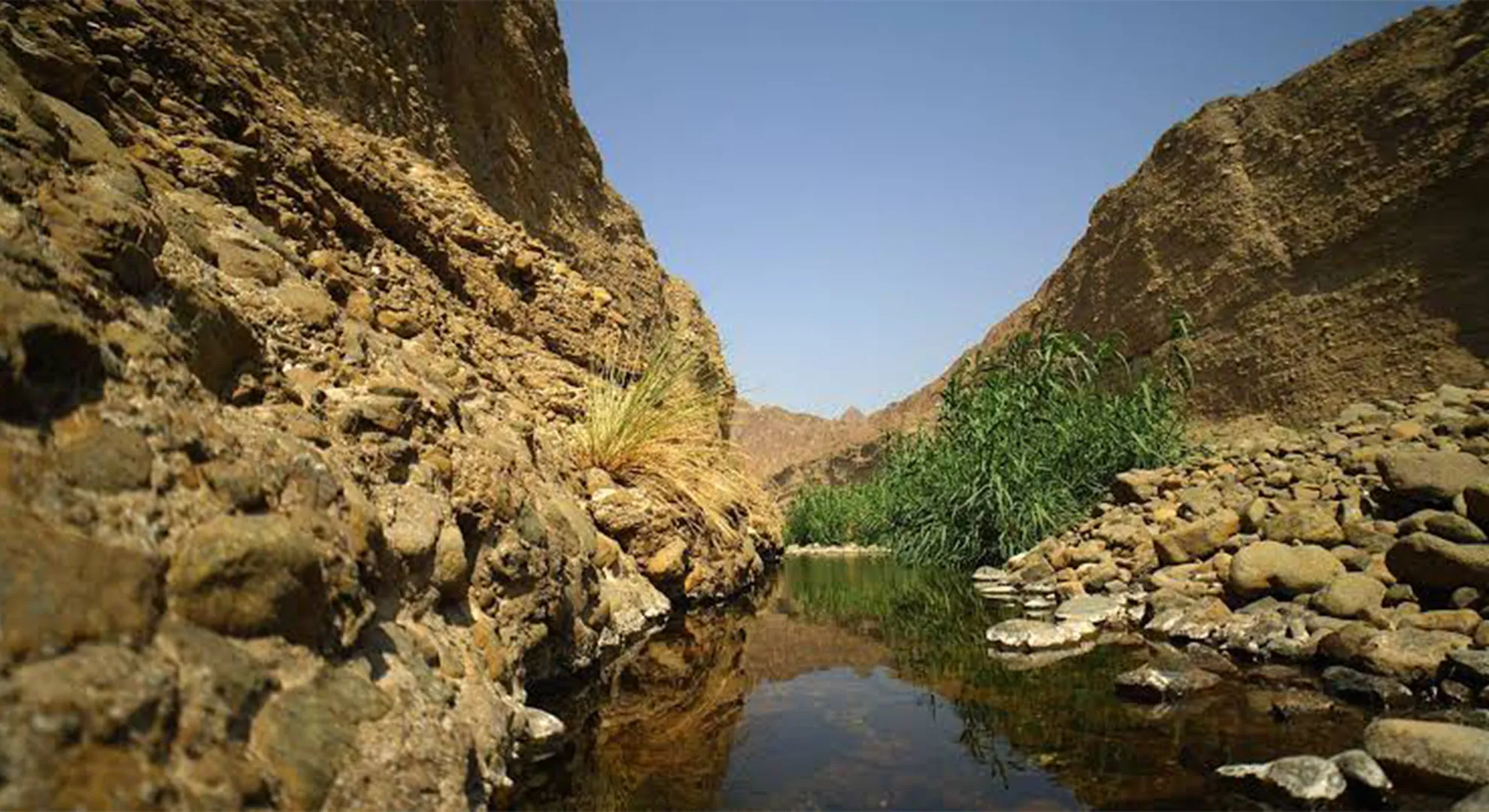
The reserve safeguards one of the Arabian Peninsula’s most important freshwater mountain habitats, providing a home for a remarkable variety of plant and animal species within a compact area.
Wadi Wurayah’s UNESCO Recognition Marks Two Decades of Conservation Efforts in the UAE
The inclusion of Wadi Wurayah National Park on UNESCO’s World Heritage List represents a landmark achievement for environmental conservation in the United Arab Emirates. The recognition is the result of nearly 20 years of sustained work by researchers, environmental specialists, government authorities and conservationists in Fujairah who have focused on preserving one of the country’s most valuable natural landscapes.
What began as an environmental initiative under the direction of Fujairah’s leadership gradually evolved into a comprehensive conservation programme aimed at protecting the park’s unique ecosystems while promoting scientific research and sustainable management. Over the years, the project expanded through biodiversity studies, habitat restoration, wildlife monitoring and community awareness programmes, ultimately strengthening the park’s international significance.
For the Fujairah Environment Authority, the UNESCO inscription is more than international recognition—it reflects years of planning, collaboration and persistence. The achievement highlights the emirate’s commitment to safeguarding its natural heritage while ensuring that future generations can continue to benefit from one of the UAE’s most ecologically important protected areas.
Asilah Abdullah Al Mualla, Director-General of the Fujairah Environment Authority, described the listing as a milestone not only for Fujairah but for the entire United Arab Emirates. She said the recognition demonstrates the country’s growing role in protecting globally significant natural environments and showcases the success of long-term conservation policies.
According to Al Mualla, the journey towards UNESCO recognition required extensive scientific documentation, environmental assessments and careful management of the reserve. Teams spent years gathering evidence of the park’s ecological value, monitoring its diverse wildlife and ensuring that conservation practices met international standards.
She emphasised that the achievement belongs to everyone who contributed to the project over the past two decades. Scientists, environmental experts, field researchers, government agencies and local stakeholders all played important roles in protecting the reserve and preparing the nomination that ultimately secured international recognition.
Al Mualla noted that conservation is a continuous process rather than a one-time accomplishment. Protecting biodiversity requires sustained commitment, regular scientific monitoring and cooperation among institutions, researchers and the wider community. She said the UNESCO listing serves as motivation to continue strengthening conservation efforts while maintaining the park’s ecological integrity.
The recognition also places Wadi Wurayah among a select group of internationally important natural sites, raising its global profile and highlighting the UAE’s dedication to environmental sustainability. Officials believe the designation will encourage further scientific research, support responsible eco-tourism and increase awareness of the country’s unique natural heritage.
While the UNESCO inscription marks the successful conclusion of a lengthy nomination process, authorities view it as the beginning of a new chapter. Future priorities include preserving the park’s ecosystems, expanding research initiatives and ensuring that development remains compatible with long-term environmental protection.
For the teams that have devoted years to conserving Wadi Wurayah, the recognition stands as proof that patience, scientific research and collaboration can produce lasting results. It also reinforces the message that protecting nature requires consistent effort over many years and that meaningful conservation achievements are built through the combined contributions of many dedicated individuals rather than the work of a single organisation or person.
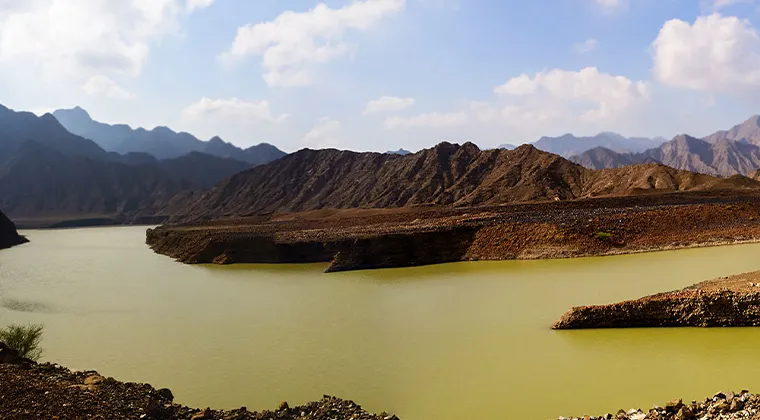
The rigour
The Long Road Behind Wadi Wurayah’s UNESCO Recognition
Securing a place on the UNESCO World Heritage List involved years of preparation, research and coordination, according to Asilah Abdullah Al Mualla, Director-General of the Fujairah Environment Authority. She explained that the nomination process required far more than simply highlighting the beauty of Wadi Wurayah; it demanded detailed scientific proof, comprehensive planning and evidence that the site met the strict criteria established under the World Heritage Convention.
The journey involved extensive studies carried out by specialists in different fields, including ecology, biodiversity, geology and environmental management. Experts worked to document the unique characteristics of Wadi Wurayah and demonstrate why the site holds importance beyond national boundaries.
Al Mualla said one of the most demanding aspects of the process was proving the park’s Outstanding Universal Value — a key requirement for any location seeking recognition as a UNESCO World Heritage Site. This meant showing that Wadi Wurayah possesses exceptional natural qualities that make it significant not only for the UAE but for the global community.
Meeting these standards required years of scientific investigation, detailed reports and careful evaluation of the area’s ecosystems. Researchers collected information about the park’s landscapes, freshwater resources, wildlife and plant species, creating a strong foundation for the nomination file submitted to UNESCO.
The assessment process also involved reviews by international specialists, including experts connected with UNESCO and the International Union for Conservation of Nature (IUCN). Their evaluations examined whether the site’s natural importance was supported by sufficient evidence and whether appropriate systems were in place to protect and manage the area over the long term.
Al Mualla highlighted that preparing such a nomination was a complex undertaking that required determination and cooperation across multiple organisations. Environmental authorities, researchers, government bodies and international experts worked together to address challenges, strengthen documentation and ensure that every aspect of the nomination met global expectations.
The process demanded patience because international recognition of this level cannot be achieved quickly. Years of preparation were required to build scientific understanding, establish conservation strategies and demonstrate that Wadi Wurayah could be effectively protected for future generations.
Despite the challenges, the teams involved remained committed to the goal of securing international recognition for the natural significance of the site. Their efforts reflected a shared belief that Wadi Wurayah represents an important part of the UAE’s environmental heritage and deserves recognition among the world’s most valuable natural areas.
Al Mualla stressed that the UNESCO achievement was not the result of the work of one person or a single organisation. Instead, it was built through the combined efforts of many contributors who supported conservation activities over the years.
Scientists and researchers provided the knowledge needed to understand the area’s ecological importance. Local communities contributed through their connection with the landscape and their support for conservation initiatives. Government institutions helped establish protection measures and long-term management plans, while international partners offered expertise and guidance throughout the nomination process.
According to Al Mualla, the recognition represents the dedication of everyone who worked towards preserving Wadi Wurayah. From field researchers collecting environmental data to teams managing conservation programmes, each contribution played a role in achieving the final outcome.
She described the UNESCO listing as a reflection of teamwork, commitment and a common vision. The achievement demonstrates that protecting natural environments requires cooperation between different sectors and cannot be accomplished through isolated efforts.
The recognition also reinforces the importance of continued conservation work. While achieving World Heritage status is a major milestone, maintaining the ecological value of the site remains an ongoing responsibility. Authorities will continue focusing on research, protection programmes and sustainable management practices to ensure that the area remains preserved.
For Fujairah, the recognition of Wadi Wurayah represents decades of environmental dedication and places the emirate’s natural heritage on an international platform. It highlights the importance of protecting unique ecosystems and shows how long-term conservation efforts can create lasting global impact.
The journey behind the UNESCO designation serves as an example of how scientific knowledge, institutional cooperation and commitment to environmental protection can transform a local conservation project into a globally recognised achievement.
What sets Wadi Wurayah apart
Why Wadi Wurayah Holds Global Environmental Importance
Wadi Wurayah National Park has gained international recognition because of its rare ecological significance and the role it plays in protecting a unique mountain environment within the Arabian Peninsula. According to Asilah Abdullah Al Mualla, Director-General of the Fujairah Environment Authority, the importance of the park extends far beyond its natural beauty. Its value lies in the fragile ecosystems it preserves, the species it supports and the environmental services it provides in one of the world’s most arid regions.
The protected area contains one of the region’s most valuable mountain freshwater habitats, making it an exceptional natural site in the Arabian Peninsula. Freshwater ecosystems in dry environments are particularly important because they support a wide range of plants and animals while providing essential resources for surrounding ecological systems.
Wadi Wurayah’s landscape includes rare habitats that have developed over thousands of years. These environments support a variety of wildlife, including species that are uncommon or found only within specific areas. Protecting such habitats helps preserve biological diversity and maintains the natural relationships between different species and their surroundings.
Al Mualla explained that the park’s significance comes not only from the number of species found there but also from the ecological functions the area continues to perform. The reserve helps maintain natural water systems, supports biodiversity and contributes to the stability of a mountain ecosystem that exists under challenging climatic conditions.
In an environment where water resources are limited, the freshwater systems of Wadi Wurayah have exceptional importance. The streams, pools and mountain habitats provide essential conditions for numerous species and represent a rare example of a functioning freshwater ecosystem in an otherwise dry landscape.
However, Al Mualla noted that the international importance of Wadi Wurayah is not based only on what exists within the park. A major factor behind its success is the way the site has been managed and protected over time.
She highlighted that conservation efforts at Wadi Wurayah have followed a comprehensive approach combining scientific research, environmental monitoring, legal protection and cooperation between different organisations. This strategy has allowed authorities to better understand the ecosystem while developing measures to preserve it for future generations.
Scientific studies have played a central role in shaping conservation decisions. Researchers have collected information about the park’s biodiversity, natural resources and ecological changes, helping authorities create management plans based on evidence rather than assumptions.
Long-term monitoring has also been essential. By observing changes within the ecosystem over many years, experts can identify potential threats, track the condition of habitats and introduce appropriate conservation measures when necessary.
Strong legal frameworks have provided additional support by ensuring that the protected area receives appropriate safeguards. These protections help control activities that could negatively affect the environment while allowing responsible use of the area in ways that support education, research and sustainable tourism.
Another important element of Wadi Wurayah’s conservation model is collaboration. The protection of a complex natural ecosystem requires cooperation between government authorities, scientific institutions, local communities and international organisations. Through these partnerships, knowledge and expertise can be combined to achieve stronger conservation outcomes.
Al Mualla said this integrated approach demonstrates that environmental protection and sustainable development do not have to be competing goals. Instead, when carefully planned, conservation efforts can support education, scientific discovery, responsible tourism and broader economic benefits while preserving natural resources.
The example of Wadi Wurayah shows how protected areas can serve multiple purposes. They can protect biodiversity, provide opportunities for research, strengthen environmental awareness and demonstrate effective methods for managing fragile ecosystems.
The park’s experience also offers lessons for other mountain environments located in dry regions around the world. Many arid landscapes face similar challenges, including limited water availability, climate pressures and the need to balance human development with environmental protection.
According to Al Mualla, Wadi Wurayah represents a model where scientific knowledge, effective governance and community involvement come together. The success of the conservation programme reflects the importance of cooperation and long-term commitment in protecting natural heritage.
The recognition of Wadi Wurayah as a site of global importance highlights the value of preserving unique ecosystems before they face irreversible changes. It shows that even relatively small protected areas can have worldwide significance when they contain rare habitats and support exceptional biodiversity.
Ultimately, Wadi Wurayah’s story demonstrates that successful conservation depends on more than simply creating protected boundaries. It requires continuous research, responsible management, public support and a shared commitment to protecting nature.
Through its approach, the park has become an example of how countries can safeguard valuable ecosystems while promoting sustainable development. Its achievements underline the message that protecting biodiversity is a collective responsibility and that effective conservation is strongest when science, policy and communities work together.
A new chapter begins
Wadi Wurayah’s UNESCO Status Opens a New Era of Conservation and Research
The recognition of Wadi Wurayah National Park as a UNESCO World Heritage Site is being viewed not as the conclusion of a conservation journey, but as the start of a new phase focused on long-term protection, research and environmental awareness.
Asilah Abdullah Al Mualla, Director-General of the Fujairah Environment Authority, said the international designation brings with it a greater responsibility to preserve the natural qualities that made Wadi Wurayah worthy of global recognition. She explained that maintaining the site’s ecological importance will require continuous effort, scientific attention and careful planning.
According to Al Mualla, the next stage will focus on ensuring that the park’s unique environmental features remain protected for future generations. Conservation programmes will continue to develop through expanded research activities, regular ecosystem assessments, restoration initiatives and responsible management of visitors to the protected area.
She emphasised that achieving UNESCO status does not represent the end of conservation work. Instead, it creates a stronger commitment to maintaining the biodiversity, freshwater systems and natural landscapes that define Wadi Wurayah’s importance.
Future plans include strengthening scientific studies within the park to improve understanding of its ecosystems and the challenges they face. Continued research will help specialists monitor environmental changes, identify potential threats and develop strategies to ensure the protection of important habitats and species.
Ecological monitoring will remain a key part of the management strategy. By collecting long-term data, conservation teams can track the health of the environment and make informed decisions about habitat protection and restoration. This approach allows authorities to respond effectively to changing conditions while preserving the balance of the ecosystem.
Habitat restoration will also play an important role in future conservation efforts. Protecting a natural area requires more than preventing damage; it also involves restoring affected environments and supporting the recovery of important ecological features. Through targeted restoration projects, authorities aim to maintain the resilience of Wadi Wurayah’s landscapes.
Managing visitor activity in a sustainable way will be another priority. As international recognition increases awareness of the park, interest from visitors and researchers is expected to grow. Authorities will focus on ensuring that tourism activities remain environmentally responsible while allowing people to experience and appreciate the area’s natural heritage.
Environmental education will also form an important part of the park’s future direction. By increasing public understanding of biodiversity and conservation, officials hope to encourage greater appreciation for the UAE’s natural landscapes. Education programmes can help visitors, students and communities understand the importance of protecting fragile ecosystems.
Al Mualla said the future vision for Wadi Wurayah includes stronger cooperation with scientific institutions and international partners. Expanding research networks will allow experts from different countries and disciplines to contribute knowledge and expertise to the ongoing conservation of the site.
Greater collaboration could lead to new discoveries about the park’s biodiversity, geology and freshwater systems. It would also provide opportunities for the UAE to share its conservation experience with other countries facing similar environmental challenges, particularly those managing fragile mountain ecosystems in dry regions.
The UNESCO recognition has also created an opportunity to increase awareness of the UAE’s natural heritage. While the country is often recognised internationally for its modern development and urban achievements, sites such as Wadi Wurayah demonstrate the importance placed on protecting natural environments.
For conservation authorities, the park represents a balance between development and environmental responsibility. Its management model shows that economic progress and nature protection can work together when supported by strong planning, scientific knowledge and responsible decision-making.
Al Mualla described Wadi Wurayah as an example of how long-term commitment can transform a local conservation effort into an achievement of global significance. The park’s journey reflects the contribution of researchers, environmental specialists, government institutions, communities and many others who supported its protection over the years.
She also highlighted that UNESCO recognition should be viewed as an obligation as much as an honour. Being included on the World Heritage List means accepting the responsibility of maintaining the site’s exceptional value and ensuring that future generations can continue to benefit from its natural resources.
The designation represents recognition of past achievements, but it also creates expectations for the future. Continued investment in conservation programmes, scientific research and environmental management will be essential to protecting Wadi Wurayah’s unique characteristics.
The park’s story demonstrates that successful conservation depends on cooperation between leadership, experts and communities. Protecting natural heritage requires a shared commitment and a willingness to invest time, resources and knowledge over many years.
Looking ahead, Wadi Wurayah is expected to serve as a reference point for conservation efforts in other arid regions around the world. Its approach highlights how protected areas can be managed through a combination of scientific evidence, effective governance and public participation.
The UNESCO listing therefore represents more than an international achievement. It is a reminder that natural landscapes carry responsibilities that extend beyond borders and generations. By continuing its conservation work, Wadi Wurayah can remain a symbol of environmental stewardship and a demonstration of how nature can be protected through cooperation, knowledge and dedication.
For Fujairah and the UAE, the recognition marks both a celebration of what has already been accomplished and a commitment to protecting what lies ahead. The future of Wadi Wurayah will depend on maintaining the same dedication that guided its journey to becoming a globally recognised natural treasure.