A recent global report has identified Dubai as one of the world’s top 10 most welcoming destinations, highlighting the city’s reputation for hospitality, visitor satisfaction, and its friendly environment for residents and tourists alike.
Dubai Recognised as One of the World’s Most Welcoming Destinations in New Report.
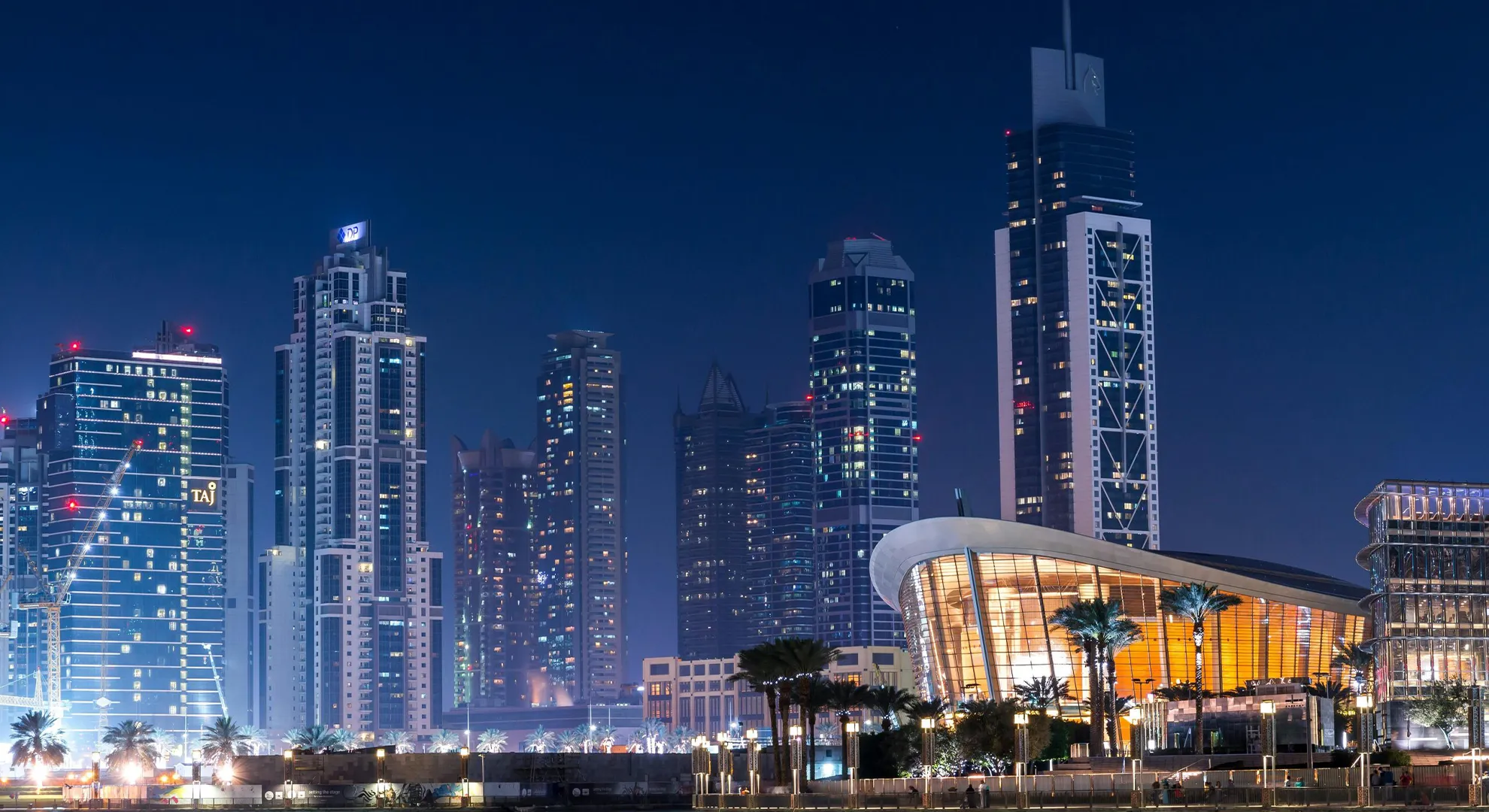
Dubai, the UAE’s commercial hub, ranked seventh among the world’s 10 most welcoming cities in a global study by international insurance provider William Russell, earning an overall score of 7.61 out of 10.
Dubai Ranked Among the World’s Most Welcoming Cities for Expats in Global Study
Dubai has secured a place among the world’s 10 most welcoming cities in a newly released international study that examined how comfortable and accessible major urban centres are for people relocating from abroad. The ranking, published by global insurance provider William Russell, evaluated cities based on a range of indicators reflecting how easily expatriates can adapt, integrate, and establish a new life.
The UAE’s commercial capital was ranked seventh overall, receiving a score of 7.61 out of 10. The result places Dubai ahead of several prominent international cities, including Warsaw, Seoul, and Hong Kong, while cities such as Zurich, Singapore, Tokyo, Copenhagen, Munich, and Prague occupied the higher positions in the ranking.
The report highlights Dubai’s growing reputation as a preferred destination for professionals, entrepreneurs, investors, and skilled workers seeking international career opportunities. Over the years, the emirate has built a strong reputation for offering a multicultural environment, modern infrastructure, and a business ecosystem that attracts talent from around the world.
Dubai’s position in the top 10 reflects its continued appeal as one of the leading destinations for expatriates. Home to residents representing hundreds of nationalities, the city has developed into one of the world’s most internationally diverse urban centres. This multicultural character has contributed to an environment where newcomers often find established expatriate communities, international schools, diverse dining options, and services tailored to people relocating from overseas.
According to the study, the emirate’s welcoming environment is supported by policies that encourage international investment, entrepreneurship, and long-term residency. In recent years, the UAE has introduced several initiatives aimed at attracting skilled professionals, business owners, innovators, and investors by expanding visa options and creating pathways for longer-term residence.
Dubai has also strengthened its position as a global business hub by maintaining regulations that support commercial growth while providing companies with access to international markets. These factors have made the city an attractive destination for multinational corporations, start-ups, and independent professionals looking to establish operations in the Middle East.
The report notes that Dubai’s economy, strategic location, and international connectivity continue to play important roles in attracting people from across the globe. With one of the busiest international airports and strong transport links connecting Europe, Asia, and Africa, the city serves as a gateway for business and tourism alike.
Another factor contributing to Dubai’s high ranking is its sizeable expatriate population. Foreign nationals make up a significant proportion of the city’s residents, creating an international community where newcomers can often find cultural familiarity alongside opportunities to experience life in the UAE. This diversity has helped shape workplaces, neighbourhoods, and social networks that welcome people from a broad range of cultural backgrounds.
The William Russell study assessed cities and countries using several indicators designed to measure how welcoming they are for expatriates. Rather than focusing solely on economic opportunities, the research considered a combination of practical, social, and demographic factors that influence the relocation experience.
Among the key criteria evaluated were the experiences reported by expatriates already living in each destination, providing insight into how satisfied newcomers are with life in their adopted city. These experiences included perceptions of community, ease of settling in, and overall quality of life.
Researchers also examined the proportion of migrants within each location’s population. A larger international community may indicate that a destination has established support networks, diverse communities, and greater familiarity with integrating residents from different countries.
Employment opportunities for foreign-born workers formed another important part of the assessment. Cities with strong labour markets and higher participation by international professionals generally performed better, reflecting their ability to attract and retain global talent.
The study additionally considered local attitudes towards immigrants, recognising that social acceptance and community integration play significant roles in helping newcomers feel welcomed. Positive public perceptions and inclusive communities can contribute to a smoother transition for people relocating from abroad.
Safety was another major factor included in the evaluation. Personal security remains one of the most important considerations for expatriates when choosing where to live and work. Cities that offer stable environments and low levels of crime generally receive higher levels of confidence from international residents.
Visa accessibility and openness also influenced the rankings. Researchers assessed how immigration policies support international mobility, including the availability of residence options that allow skilled professionals, entrepreneurs, and investors to relocate with greater ease.
Dubai’s strong performance across these indicators reflects years of efforts to position itself as a destination that combines economic opportunity with a high standard of living. The emirate continues to attract professionals across industries including finance, technology, healthcare, tourism, logistics, education, engineering, and creative services.
Its expanding economy, world-class infrastructure, international schools, healthcare facilities, and modern residential communities have further strengthened its appeal among expatriates relocating with families. Many multinational companies continue to establish regional headquarters in Dubai, creating additional employment opportunities for skilled workers from around the world.
The city’s reputation for innovation, digital transformation, and ease of doing business has also contributed to its international standing. Government initiatives supporting entrepreneurship, investment, and emerging industries have encouraged both established companies and start-ups to expand their presence in the emirate.
Tourism also plays a role in shaping Dubai’s global image. Millions of international visitors travel to the city each year, many of whom later consider relocating for employment or business opportunities after experiencing its infrastructure, lifestyle, and services firsthand.
William Russell’s latest ranking highlights the growing importance of creating welcoming environments for internationally mobile professionals. As competition for global talent increases, cities that combine economic opportunity with inclusive communities, efficient public services, safety, and supportive immigration policies are becoming increasingly attractive destinations for expatriates.
Dubai’s placement among the world’s most welcoming cities reinforces its status as one of the leading international destinations for people seeking career advancement, business opportunities, and long-term residence. The ranking reflects the emirate’s continued efforts to foster an environment where newcomers can establish themselves professionally while becoming part of a diverse and globally connected community.
The latest global study by international insurance provider William Russell ranked Zurich as the world’s most welcoming city for expatriates and newcomers, awarding the Swiss financial centre an overall score of 9.06 out of 10. The city’s strong performance reflects its reputation for offering a high quality of life, a secure environment, and favourable conditions for people relocating from overseas. By securing the highest score in the assessment, Zurich finished ahead of every other city included in the research, reinforcing Switzerland’s standing as a preferred destination for international professionals and skilled workers.
Occupying second place were Singapore and Tokyo, which shared identical scores of 8.97 out of 10. Despite being located in different regions and offering distinct cultural and economic environments, both cities performed equally well across the factors measured in the report. Their joint ranking illustrates that successful destinations for expatriates can differ significantly in geography, culture, and lifestyle while still providing welcoming conditions for newcomers.
One of the more interesting observations in the study involved Tokyo’s performance in comparison with Japan’s national ranking. Although Tokyo emerged as one of the highest-rated cities worldwide, Japan itself ranked considerably lower in the report’s separate assessment of countries. The contrast highlights how experiences can vary between national and city levels. A country’s overall environment may present certain challenges for expatriates, while an individual city can still offer services, employment opportunities, infrastructure, and communities that make settling in considerably easier.
The findings suggest that local governments, municipal policies, and urban environments can significantly influence how newcomers experience life after relocation. Factors such as public transport, employment opportunities, multicultural communities, safety, housing, and access to essential services may enable a city to outperform broader national trends. Tokyo’s position in the rankings demonstrates that metropolitan areas can develop strong reputations for welcoming international residents regardless of where their respective countries stand overall.
The Danish capital, Copenhagen, secured fourth place in the rankings, continuing its reputation as one of Europe’s most attractive cities for professionals and expatriates. The city has long been recognised for promoting sustainability, work-life balance, efficient public services, and policies that support international workers. These characteristics have helped Copenhagen appeal to individuals seeking not only career opportunities but also a high standard of living and an inclusive social environment.
Researchers noted that Copenhagen continues to attract professionals looking for a different pace of life while maintaining access to a modern economy and strong employment prospects. The city’s emphasis on environmental sustainability, cycling infrastructure, healthcare, education, and public welfare has contributed to its popularity among people relocating from abroad.
Germany’s Munich followed in fifth position with a score of 8.63, reflecting its strong economy, internationally recognised industries, and reputation for safety and quality of life. As one of Germany’s leading business centres, Munich attracts professionals from sectors including engineering, automotive manufacturing, finance, information technology, and scientific research. Its combination of economic opportunity and well-developed public infrastructure continues to make it a preferred destination for expatriates.
Completing the top six was Prague, which earned 7.86 out of 10. The Czech capital has become increasingly attractive to international workers, entrepreneurs, and digital professionals in recent years. Competitive living costs compared with many Western European cities, together with expanding business opportunities and a vibrant cultural scene, have strengthened Prague’s appeal as an international destination.
Immediately behind Prague came Dubai, which secured seventh place globally with a score of 7.61. The UAE’s commercial hub maintained its position among the world’s leading cities for welcoming newcomers, reflecting its multicultural population, business-friendly environment, modern infrastructure, and growing range of residency options for professionals, entrepreneurs, and investors.
The remaining positions in the top ten were occupied by Warsaw, Seoul, and Hong Kong. Warsaw received 7.52, followed by Seoul with 7.44, while Hong Kong completed the list with 7.26. Although each city offers distinct cultural, economic, and social characteristics, all performed well enough across the study’s evaluation criteria to earn a place among the highest-ranked destinations for expatriates.
The report demonstrates that welcoming environments are not confined to one particular region of the world. European, Middle Eastern, and Asian cities all featured prominently in the top rankings, illustrating that successful destinations for newcomers can emerge under different economic models, governance systems, and cultural settings.
In addition to identifying the most welcoming cities, the study also examined how several globally recognised metropolitan centres performed against the same evaluation criteria. The results revealed that international prominence, economic influence, or population size does not necessarily translate into a stronger experience for newcomers.
Among the most notable findings was the relatively modest performance of London. Despite its status as one of the world’s foremost financial and cultural capitals, the British city received an overall score of only 3.08 out of 10. Researchers indicated that London’s lower ranking was influenced by factors including comparatively higher levels of social friction and less favourable safety-related indicators when compared with higher-ranked cities.
Similarly, Paris, another globally influential capital renowned for its culture, tourism, and business opportunities, achieved a score of 3.16. While the French capital remains one of Europe’s leading destinations for international visitors and multinational companies, its performance in the welcoming index suggests that some expatriates may experience greater challenges when integrating into daily life than in cities ranked near the top of the list.
The report placed New York City even lower, assigning the American metropolis a score of 1.88 out of 10. Although New York continues to rank among the world’s most important economic centres and attracts professionals from virtually every country, its welcoming score was significantly below many of its global counterparts.
These findings illustrate that economic success and international recognition alone are not sufficient to create an environment where newcomers immediately feel comfortable or integrated. Cities may excel in commerce, innovation, education, tourism, or cultural influence while still facing challenges related to affordability, safety perceptions, social inclusion, or overall ease of settlement for expatriates.
According to the researchers, creating a welcoming city involves much more than offering employment opportunities. Newcomers often evaluate destinations based on a broad combination of practical and social considerations, including the ease of obtaining visas, opportunities for employment, access to healthcare, public transport, housing availability, community support, cultural openness, and personal security.
Cities that perform well across these categories generally provide a smoother transition for people relocating from abroad. Strong expatriate communities, accessible public services, inclusive workplaces, and effective urban planning can all contribute to helping international residents adapt more quickly to their new surroundings.
The rankings also underscore the increasing competition among global cities to attract skilled professionals, entrepreneurs, researchers, investors, and international businesses. As countries seek to strengthen economic growth through talent attraction, many cities are investing in policies that improve quality of life, simplify immigration procedures, and create supportive environments for foreign residents.
Urban centres that successfully balance economic opportunity with safety, inclusivity, efficient infrastructure, and social integration are becoming increasingly attractive destinations in an era of global mobility. Employers likewise benefit from locations capable of attracting highly qualified international workers, while governments view welcoming environments as an important factor in long-term economic competitiveness.
The contrast between cities at opposite ends of the rankings demonstrates that perceptions of hospitality and inclusion are shaped by a variety of interconnected factors rather than economic strength alone. A globally recognised financial centre may possess exceptional business opportunities but still score lower if newcomers encounter challenges integrating into local communities or navigating everyday life.
Conversely, cities that may not rank among the world’s largest economies can achieve strong performances by creating environments where international residents feel safe, supported, and able to participate fully in society. This broader approach to measuring welcome reflects changing priorities among expatriates, many of whom increasingly consider lifestyle, community, and overall well-being alongside career prospects when choosing where to relocate.
Overall, William Russell’s findings suggest that the world’s most welcoming cities distinguish themselves not simply through economic performance or international reputation, but through their ability to combine opportunity with inclusiveness, security, quality public services, and supportive policies that help newcomers build successful lives. As international mobility continues to grow, these qualities are likely to remain important factors influencing where people choose to live, work, invest, and establish long-term roots.