From Maradona’s Unforgettable ‘Hand of God’ Moment to the Argentina-Egypt Debate, World Cup History Remains Filled With Controversial Episodes That Keep Generating Discussion Across Generations.
World Cup’s Endless Controversies: From the ‘Hand of God’ Incident to the Latest Argentina-Egypt Clash.
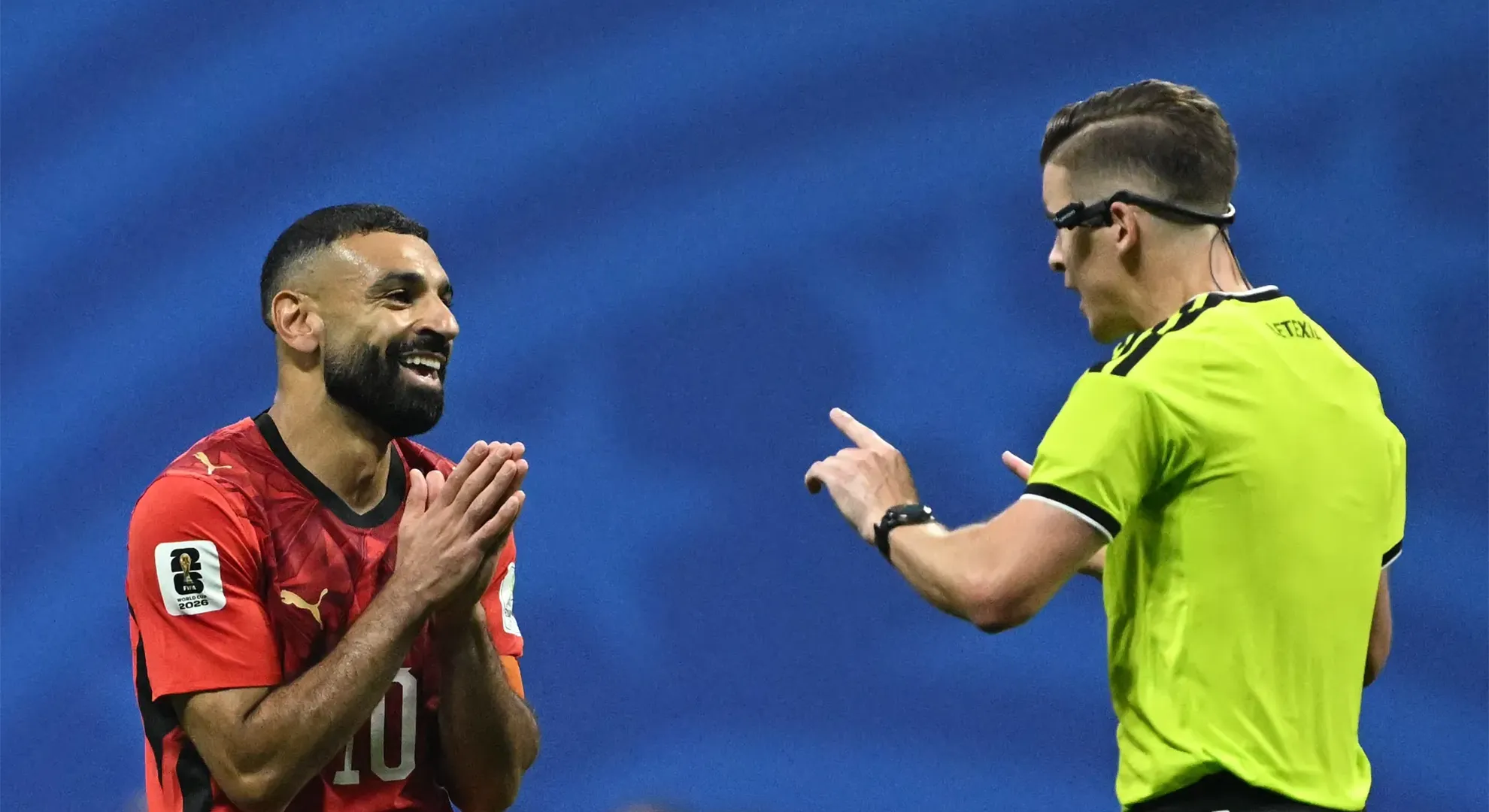
World Cup officiating has long been at the centre of heated discussions, with moments like Maradona’s ‘Hand of God’ and the Argentina-Egypt controversy becoming lasting talking points in football.
World Cup Football and the Controversies That Refuse to Fade Away
Few sporting events create the same emotional intensity as the FIFA World Cup. Every four years, national pride, history, and footballing passion collide on the biggest stage, often making even the most neutral supporters defend their teams with unusual loyalty. Alongside unforgettable goals and legendary performances, the tournament has also produced a long list of disputed moments that continue to divide fans decades later.
World Cup controversies often become part of the competition’s identity. Decisions made in seconds by referees and officials can shape the legacy of players, teams, and entire nations. Some incidents are celebrated by one side as moments of brilliance or fortune, while others view them as examples of injustice that changed football history.
One of the most famous examples came during the 1986 World Cup in Mexico, when Argentina faced England in a quarter-final match at the Estadio Azteca. The game produced one of the tournament’s most memorable moments when Diego Maradona scored a goal that remains one of the most debated incidents in football history.
During the match, Maradona challenged England goalkeeper Peter Shilton for a high ball inside the penalty area. Instead of making contact with his head, Maradona appeared to use his hand to direct the ball into the net. The Tunisian referee, Ali Bin Nasser, did not see the infringement and allowed the goal to stand.
Maradona later famously described the goal as being scored partly by “the hand of God,” a phrase that became permanently attached to the incident. While many English supporters considered it an example of unfair play, Argentine fans embraced it as a symbolic moment of victory and resilience.
That match also produced another legendary moment, when Maradona scored a stunning individual goal often referred to as the “Goal of the Century.” The contrast between the two goals added even more complexity to the debate surrounding one of football’s greatest players.
The controversy also highlights how football discussions often depend on perspective. For many Argentinians, criticism of Maradona’s handball overlooks his extraordinary contribution to the team’s success. For many English fans, however, the incident remains a reminder of a decision they believe should have gone differently.
England itself has experienced its own share of controversial World Cup moments, including one of the most debated goals in tournament history.
The 1966 World Cup final at Wembley saw England face West Germany in a dramatic encounter that remains central to English football history. With the score level during extra time, England striker Geoff Hurst struck a powerful shot that hit the underside of the crossbar before bouncing down near the goal line.
The crucial question was whether the ball had fully crossed the line.
The referee, Gottfried Dienst of Switzerland, was unable to determine the answer immediately and consulted his linesman, Tofiq Bahramov. Following the discussion, the goal was awarded to England, giving the hosts the lead.
England eventually won the match 4-2 and lifted the World Cup trophy for the first and only time in their history. For English supporters, the moment remains part of a historic triumph. However, many German fans have continued to argue that the decision was incorrect and that the goal should not have counted.
The incident became known as the “Wembley ghost goal” and remained a subject of debate for generations. Advances in technology, including modern goal-line systems and video assistance, have since changed how such decisions are handled, but the argument surrounding that 1966 final continues.
Football history is filled with these contrasting memories. A decision that creates celebration for one country can become a source of disappointment and frustration for another.
Argentina experienced another painful World Cup controversy in the 1990 final against West Germany. The match was decided late in the game when Mexican referee Edgardo Codesal awarded West Germany a penalty after a challenge involving Argentine defender Roberto Sensini and German forward Rudi Völler.
Argentine players protested the decision, believing the challenge was fair and that a penalty should not have been awarded. However, the decision stood, and Andreas Brehme converted the spot kick to give West Germany a 1-0 victory.
The defeat was particularly painful for Argentina because they had reached the final after winning the previous tournament in 1986. A second consecutive World Cup victory would have placed them among the rare teams capable of achieving back-to-back championships.
Instead, the final ended with disappointment, and images of Maradona in tears during the trophy ceremony became one of the defining scenes of World Cup history.
These moments demonstrate why football controversies rarely disappear. They become woven into national memories and passed from one generation of supporters to another. A referee’s decision made decades earlier can still influence how fans view a player, a team, or an entire tournament.
Technology has reduced some errors through tools such as goal-line technology and video assistant refereeing, but controversy remains part of football’s emotional appeal. Every major decision still carries the possibility of celebration for one side and heartbreak for another.
The World Cup is not remembered only for champions, goals, and trophies. It is also remembered for the debates, disagreements, and moments that continue to inspire passionate arguments among supporters around the world.
From Maradona’s controversial goal in Mexico to the disputed moments involving England and Argentina, these incidents have become more than simple refereeing decisions. They represent the drama, emotion, and unpredictability that make football’s greatest tournament unlike any other sporting event.
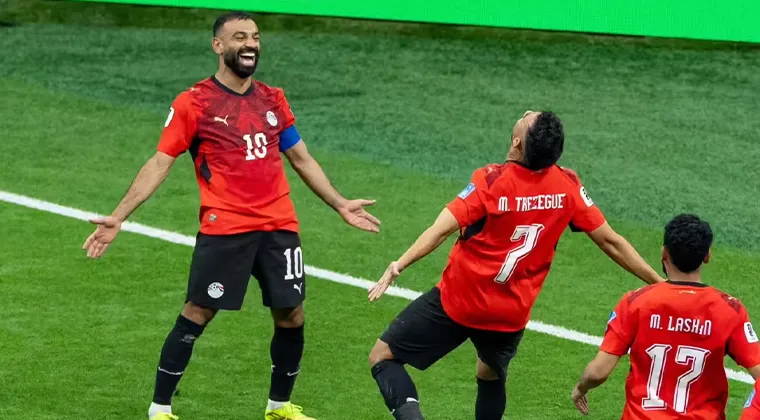
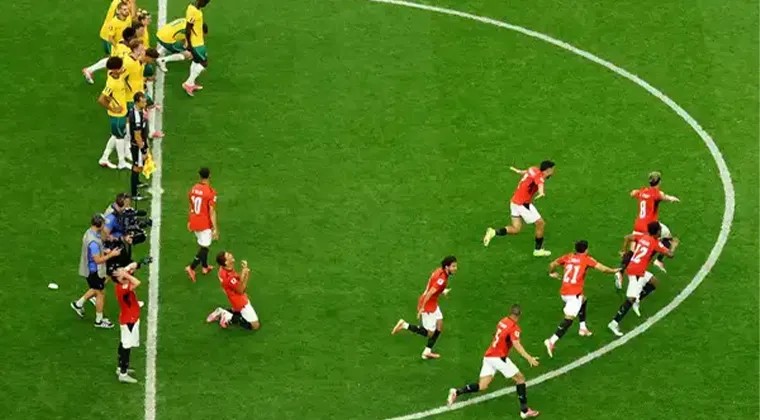
Fast forward to the 2026 World Cup, and Argentina found themselves at the centre of another dramatic and controversial knockout-stage moment. Their remarkable comeback against Egypt, which ended in a 3-2 victory in the round of 16, left Egyptian supporters devastated after witnessing what appeared to be a historic opportunity slip away.
The heartbreak was not only because Egypt surrendered a two-goal advantage late in the match. For much of the contest, the team looked on course to achieve one of the biggest victories in its football history, holding a commanding 2-0 lead until the closing stages.
However, frustration among Egyptian fans grew after several decisions by the match officials came under intense scrutiny. Many supporters argued that key refereeing calls, along with the way the Video Assistant Referee (VAR) system was applied, played a decisive role in changing the outcome of the match.
For millions watching around the world, the defeat became another example of how World Cup controversies can create lasting debates. While Argentina celebrated a dramatic comeback, Egyptian fans were left questioning whether their team’s elimination was decided by events beyond their control.
World Cup Drama: Egypt’s Defeat to Argentina Sparks Debate Over Refereeing Decisions
Argentina’s dramatic comeback victory over Egypt in the 2026 World Cup round of 16 has triggered a heated debate far beyond the final scoreline. While Argentina celebrated a remarkable turnaround after falling two goals behind, many Egyptian supporters were left questioning whether key refereeing decisions influenced the outcome of the match.
The controversy intensified after Egypt coach Hossam Hassan expressed his frustration during the post-match media conference, particularly regarding a second-half goal by Mostafa Zico that was later cancelled following a VAR review.
At the time, Egypt were ahead and appeared to have strengthened their position with a quick attacking move that ended with Zico finding the net. However, after reviewing the sequence, the VAR officials determined that an infringement had occurred earlier in the buildup. The goal was disallowed, leaving Egyptian players and supporters disappointed at what they considered a crucial turning point.
The Egyptian camp also raised concerns about a possible penalty incident late in the match. With the score level at 2-2 and the game approaching its decisive moments, Egypt believed they should have been awarded a spot kick after Mohamed Salah went down inside Argentina’s penalty area following a challenge from Julián Álvarez.
A penalty at that stage could have dramatically changed the direction of the contest. However, the referee allowed play to continue, and VAR did not intervene. Supporters on the Egyptian side argued that the decision deserved closer examination, while others felt the contact was not sufficient to justify a penalty.
Football analysts offered different interpretations of the incident. British journalist Tim Vickery, who specializes in South American football, said the challenge involving Álvarez and Salah did not appear to meet the standard required for a foul or penalty. However, he also acknowledged a long-standing perception in football that major teams sometimes receive more favourable decisions during high-pressure matches.
The Egyptian Football Association later submitted an official complaint regarding the disputed moments, arguing that the decisions had a significant impact on the result. Mostafa Zico, whose goal was ruled out, also voiced his disappointment and suggested that Argentina may have benefited from favourable treatment.
However, not everyone agreed with Egypt’s interpretation of events. Argentine journalist Alejandro Magdaleno, who attended the match, defended the officials and said controversial decisions have always been part of football’s history.
According to Magdaleno, winning and losing teams often view refereeing decisions differently. Victorious teams frequently believe they overcame difficult circumstances, while defeated sides often focus on moments they feel changed the match.
He argued that the officials handled the major incidents correctly, saying the disallowed goal was cancelled because Argentina defender Lisandro Martínez had been fouled during the attacking sequence. He also rejected Egypt’s penalty appeal involving Salah, saying the contact from Álvarez did not justify awarding a spot kick.
For many Egyptian fans, however, the frustration went beyond a single decision. They pointed to what they viewed as inconsistency throughout the match, claiming Argentina players escaped punishment for challenges that would have resulted in disciplinary action against Egyptian players.
Dubai-based Egyptian media professional Sherouk Zakaria described the defeat as emotionally devastating for supporters who believed their team was on the verge of achieving a historic result.
She said Egypt’s performance had given fans genuine hope, especially after taking a 2-0 lead against the reigning world champions. Watching Argentina score three times in the final stages of the match, she explained, was extremely difficult for Egyptian supporters who felt their team had done enough to win.
Zakaria argued that the outcome was not simply the result of mistakes made by Egypt’s players. In her view, questionable decisions from the officials played a major role in changing the momentum of the match.
She also highlighted what she considered an imbalance in disciplinary decisions, saying Egyptian players appeared to receive more punishment for similar challenges while Argentine players avoided bookings.
The defeat created a wave of disappointment among Egyptian supporters around the world. Fans gathered in viewing areas, including locations in Dubai, hoping to witness one of the greatest moments in their national team’s history. Instead, they experienced heartbreak as their team’s World Cup journey ended in dramatic circumstances.
Zakaria said many Egyptians struggled to move on immediately after the match because the opportunity had been so significant. Facing Argentina, one of football’s most successful nations, in a knockout match was already a historic occasion. Taking a two-goal lead made the possibility of victory feel even closer.
For Argentine supporters, however, the match represented another example of their team’s ability to fight back under pressure. Jorge Ferrari, an Argentine expatriate living in Sharjah, said he understood why Egyptian fans were devastated but believed blaming refereeing decisions alone was an understandable reaction to a painful defeat.
He explained that football supporters often search for reasons after losing a major match, especially when their team comes close to achieving something extraordinary. In such situations, refereeing decisions can become the focus because they are easier to identify than tactical mistakes or missed opportunities.
Ferrari said Egypt’s players and coaching staff deserved recognition for pushing Argentina to the limit, but he also suggested that responsibility for the defeat could not be placed entirely on match officials.
The debate surrounding the Argentina-Egypt clash reflects a familiar pattern in football history. Major tournaments frequently produce moments that divide opinion, with supporters interpreting the same incident through very different perspectives.
For Egypt, the loss will remain a painful memory because of how close they came to eliminating one of the world’s strongest teams. For Argentina, the comeback will be remembered as another example of resilience on football’s biggest stage.
Ultimately, the controversy highlights one of football’s enduring realities: in a sport decided by fine margins, refereeing decisions can become as memorable as the goals themselves.
Egypt’s World Cup Exit Sparks Debate Over Tactics, Emotion and Football’s Unpredictable Nature
While many Egyptian supporters focused on refereeing decisions after their dramatic defeat to Argentina, some football observers pointed to another factor that may have influenced the outcome: the tactical choices made during the closing stages of the match.
Argentine supporter Jorge Ferrari believed Egypt missed an opportunity after Lionel Messi brought Argentina level at 2-2 in the 83rd minute. In his view, the African side had a chance to slow the game down, manage possession, and force the match into extra time instead of continuing to search for a winning goal.
Ferrari argued that Argentina’s players were under significant pressure and appeared physically exhausted as the match approached its conclusion. Rather than taking risks, he felt Egypt could have adopted a more cautious approach and attempted to extend the contest.
According to him, Egypt’s decision to continue pushing forward in search of a third goal created spaces that Argentina eventually exploited. The attacking approach, which had helped Egypt take control of the match earlier, may have become a disadvantage during the final moments when defensive discipline was most important.
Ferrari described the decision as a tactical error by the Egyptian coaching staff, suggesting that managing the final minutes of a knockout match against a team of Argentina’s quality requires patience and careful game management.
However, for Egyptian supporters, the significance of the match extended far beyond tactical decisions or the final result. For many, their national team’s unexpected run at the World Cup represented a rare moment of collective happiness and pride.
Dubai-based Egyptian media professional Sherouk Zakaria admitted that the defeat was painful, but she said the team’s journey had already created memories that would remain valuable for years.
She explained that few Egyptians expected their national side to progress so far in the tournament. Historically, Egypt had often struggled to move beyond the group stage in major international competitions, making this World Cup campaign an extraordinary achievement for fans.
For millions of Egyptians and Arab supporters, the team’s performances represented much more than football success. The unexpected victories and competitive displays provided a sense of celebration during a difficult period marked by wider regional concerns and humanitarian crises.
Zakaria said the national team’s progress brought happiness and unity to supporters who needed a positive moment. She described the experience as something unique, even for people who were not normally passionate followers of football.
She explained that watching Egypt compete against one of the strongest teams in world football created a feeling that went beyond sport. The pride generated by the team’s performances connected people across communities and gave supporters memories they had never experienced before.
Although the final result was disappointing, she said Egyptians should still appreciate what the team achieved. Reaching the knockout stage and challenging Argentina represented a historic milestone that would remain part of the country’s sporting legacy.
The controversy surrounding the match also revived a familiar debate in football: the influence of refereeing decisions and video technology on major tournaments.
For neutral observers, controversial moments are often among the most fascinating parts of the sport. They create discussions that continue long after the final whistle and become part of football history.
However, the reaction is often very different for supporters whose teams are directly affected by those decisions. A disputed call can transform a sporting contest into an emotional issue involving national pride, disappointment, and questions about fairness.
Previous World Cups have produced similar examples. During the 2022 tournament in Qatar, Japan’s controversial goal against Germany became one of the most debated moments of the competition. The decision contributed to Germany’s early elimination and once again highlighted how small margins can dramatically change the direction of a World Cup campaign.
At the time, conversations among fans focused on whether technology had helped produce the correct decision or whether the interpretation of the rules had created further confusion.
The emotional reactions surrounding such incidents demonstrate why football remains unique. Unlike many other sports, the game’s history is filled with moments where a single decision, mistake, or stroke of luck can influence the destiny of entire nations.
A Serbian supporter named Ivan summed up this unpredictable nature of football by suggesting that controversy is part of what makes the sport so compelling.
In his view, football’s greatest stories often come from moments that are unexpected, imperfect, and sometimes disputed. Incidents such as Maradona’s famous handball goal remain remembered not only because they were controversial but because they captured the drama and emotion that define the game.
Football, after all, is played by human beings, and human decisions will always play a role. Referees can make mistakes, players can miss opportunities, and teams can experience moments of brilliance or disappointment.
For Egypt, the defeat to Argentina will remain painful because victory was within reach. But the team’s journey also demonstrated the power of football to inspire, unite, and create unforgettable memories.
For Argentina, the comeback represented another chapter in their long World Cup history, proving once again that no match is decided until the final whistle.
And for football fans around the world, the debate over decisions, tactics, and missed opportunities will continue — because controversy, emotion, and uncertainty are all part of what makes the World Cup the world’s most watched sporting event.