UAE Officials Say Gulf Region Should Not Face Consequences of Iran’s Frequent Shifts Between Military Escalation and Diplomatic Engagement.
UAE Representatives: Gulf Must Be Shielded from Iran’s Repeated Shifts Between Conflict and Diplomacy.
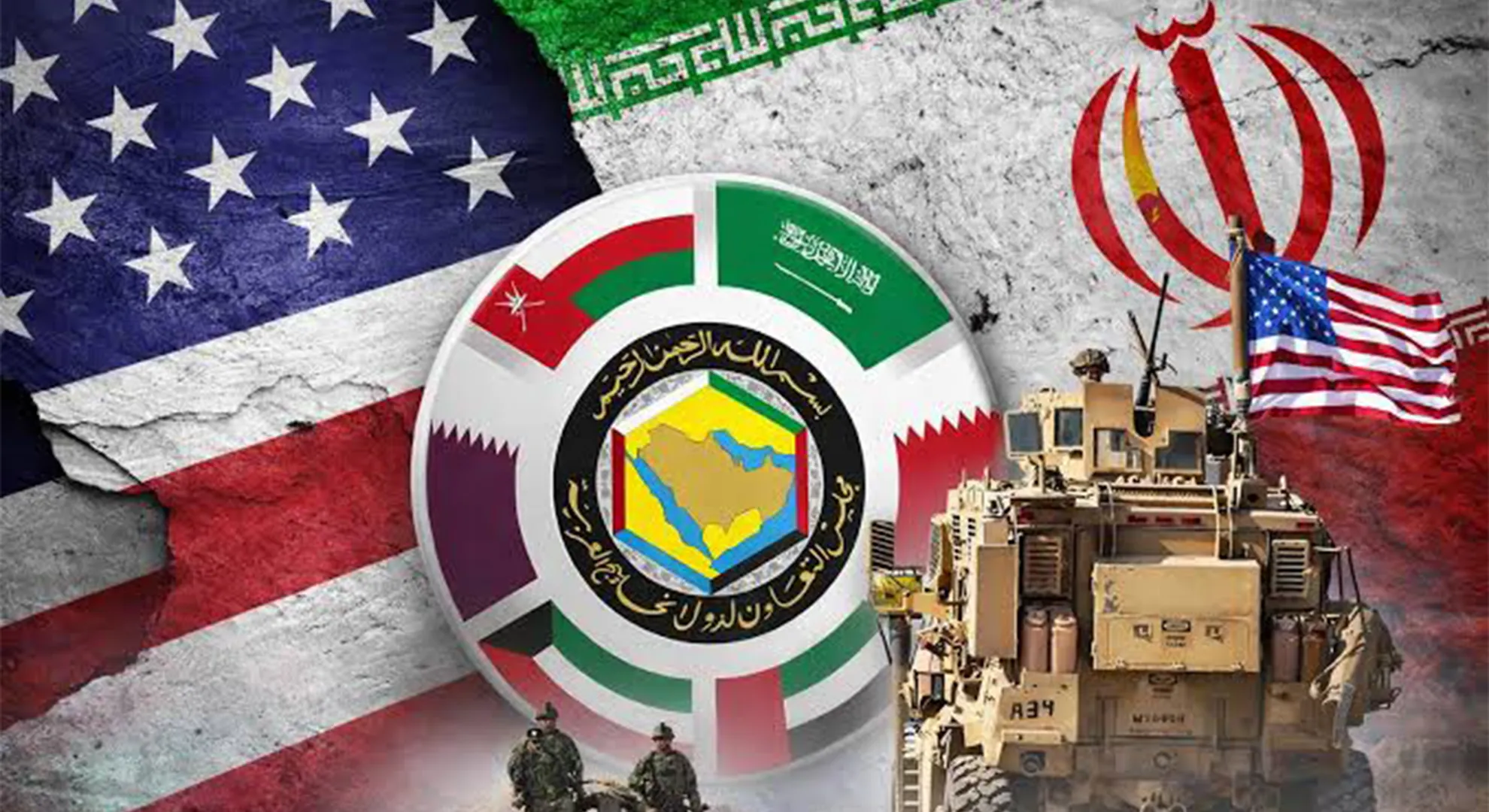
The Gulf region cannot be expected to function under constant uncertainty, where diplomatic efforts are repeatedly undermined by acts of military aggression that endanger national sovereignty and disrupt international commerce, according to a senior official from the United Arab Emirates.
The remarks come amid renewed instability in the Middle East as tensions involving Iran continue to escalate. Recent incidents, including reported attacks on commercial ships navigating the Strait of Hormuz and strikes directed at Bahrain and Kuwait, have intensified concerns over regional security and the safety of one of the world’s most important maritime trade corridors.
Speaking to INSIDER 18, Dr. Mohammed Ibrahim Al Dhaheri, Deputy Director General of the Anwar Gargash Diplomatic Academy, emphasized that meaningful diplomacy cannot succeed unless it is accompanied by a firm commitment to preserving stability across the region. He argued that peace initiatives are unlikely to produce lasting results if repeated violations of international principles continue without meaningful consequences.
According to Dr. Al Dhaheri, diplomacy must be supported by actions that reinforce confidence rather than erode it. He said countries seeking peaceful solutions cannot be expected to continue engaging in dialogue if those efforts are consistently followed by attacks that threaten neighboring states or jeopardize international trade routes.
His comments followed statements by US President Donald Trump, who declared that an interim arrangement intended to end the conflict with Iran had effectively collapsed. The announcement came amid a fresh round of military exchanges that further complicated efforts to reduce regional tensions.
Shortly after the United States carried out strikes against Iranian targets, Bahrain and Kuwait were reportedly subjected to additional attacks attributed to Iran, heightening fears that the confrontation could expand beyond its current scope. The incidents have raised fresh concerns among Gulf governments, many of which have repeatedly called for de-escalation while simultaneously strengthening their security measures.
Dr. Al Dhaheri noted that Gulf countries have consistently supported diplomatic engagement as the preferred means of resolving disputes. However, he stressed that dialogue cannot flourish in an environment where hostile actions repeatedly interrupt attempts to build trust.
He explained that diplomacy is most effective when all parties demonstrate respect for internationally recognized rules governing state behavior. If those principles are ignored, negotiations risk becoming symbolic rather than substantive, making long-term peace increasingly difficult to achieve.
The Strait of Hormuz remains at the center of these security concerns. The narrow waterway serves as one of the world’s most strategically important shipping lanes, carrying a significant share of global oil and liquefied natural gas exports. Any disruption in the area has the potential to affect international energy markets, shipping costs, and global supply chains.
Recent attacks targeting commercial vessels have further underscored the vulnerability of maritime traffic in the region. Reuters reported that a Qatari liquefied natural gas carrier and a Saudi-flagged crude oil tanker sustained damage while operating near the Strait of Hormuz. Following those incidents, maritime authorities raised the security threat level for vessels passing through the area to “severe,” reflecting heightened concerns about the possibility of additional attacks.
The increased risk has prompted shipping companies and regional governments to reassess operational security while monitoring developments closely. Analysts warn that prolonged instability could lead to higher insurance premiums, disrupted shipping schedules, and increased volatility in international energy prices.
Dr. Al Dhaheri argued that protecting maritime security should remain a shared international priority. The uninterrupted movement of commercial vessels through strategic waterways, he said, is essential not only for Gulf economies but also for global trade and energy security.
He further stated that respect for sovereignty and international law forms the foundation of a stable regional order. Without accountability for actions that threaten peace or violate accepted international norms, efforts to rebuild confidence among nations become significantly more difficult.
According to the Emirati diplomat, peace cannot rely solely on negotiations conducted during moments of crisis. Instead, it requires sustained political commitment, mutual respect, and practical measures that discourage further escalation. Diplomatic agreements, he suggested, must be reinforced by responsible conduct if they are to produce durable outcomes.
The recent developments have once again highlighted the fragile security environment facing Gulf nations. While governments across the region continue to advocate political dialogue and peaceful conflict resolution, they have also emphasized their responsibility to safeguard their populations, infrastructure, and economic interests against emerging threats.
Observers note that the current situation illustrates the delicate balance between diplomacy and deterrence. Although negotiations remain essential for reducing tensions, they are unlikely to succeed if military confrontations continue to undermine confidence between the parties involved.
For Gulf countries, ensuring regional stability is increasingly viewed as an indispensable requirement rather than a political preference. Stability supports economic growth, protects vital trade routes, attracts international investment, and helps prevent wider conflicts that could affect both regional and global interests.
Dr. Al Dhaheri concluded that diplomacy remains the best path toward resolving disputes, but only when supported by genuine adherence to international law and a collective commitment to maintaining peace. He stressed that actions capable of destabilizing the region or threatening international maritime navigation should not be ignored, adding that credible responses are necessary to discourage future violations and preserve the rules-based international order.
As uncertainty continues to surround relations between Iran, the United States, and Gulf nations, regional leaders are expected to maintain close coordination with international partners while pursuing diplomatic avenues aimed at preventing further escalation. At the same time, they remain focused on strengthening security measures to ensure the continued protection of strategic waterways, national sovereignty, and the broader stability of the Gulf region.
Senior Emirati diplomat Dr. Mohammed Ibrahim Al Dhaheri said recent developments in the Gulf reinforce concerns that regional tensions remain far from resolved, despite repeated calls for restraint and dialogue. Speaking to INSIDER 18, he argued that the latest attacks involving commercial shipping and Gulf nations illustrate the challenges facing diplomatic efforts aimed at reducing conflict.
Referring to comments made by UAE Presidential Adviser Dr. Anwar Gargash, Dr. Al Dhaheri said the adviser had clearly identified what he described as the central obstacle to achieving lasting regional stability. According to him, incidents involving commercial vessels linked to Qatar and Saudi Arabia, together with reported attacks targeting Bahrain and Kuwait, suggest that Iran has yet to demonstrate a sustained commitment to lowering tensions in the region.
He maintained that confidence-building measures can only succeed when they are accompanied by actions that match diplomatic rhetoric. In his view, recurring security incidents undermine trust among neighboring states and make it increasingly difficult for negotiations to produce durable outcomes.
Dr. Al Dhaheri emphasized that countries across the Gulf have consistently expressed support for political dialogue as the preferred means of resolving disputes. However, he noted that repeated military incidents risk weakening those efforts by creating uncertainty and raising concerns over regional security.
Earlier this week, Dr. Gargash also addressed the latest developments through a message posted on the social media platform X. He argued that the recent attacks reflected a continuing inability to move beyond confrontation and embrace a more stable regional approach.
In his message, Dr. Gargash said Gulf countries should not be expected to bear the consequences of fluctuating regional policies that alternate between military escalation and diplomatic engagement. He stressed that lasting peace requires a consistent commitment to stability rather than periodic shifts between confrontation and negotiations.
His remarks came as Gulf governments continued monitoring developments in one of the world’s most strategically significant maritime regions. Security concerns have intensified following reports of attacks affecting commercial vessels operating near the Strait of Hormuz, a vital passage through which a substantial share of global oil and liquefied natural gas exports travels.
The UAE Ministry of Foreign Affairs also responded to the incidents by issuing a strong statement condemning the reported attacks on commercial ships associated with Qatar and Saudi Arabia. The ministry described the incidents as a serious threat to international maritime safety and warned that such actions increase risks in a waterway that is essential to global trade and energy supplies.
According to the ministry, maintaining the security of international shipping lanes is a shared responsibility that requires all parties to respect international law and avoid actions capable of destabilizing the region. It warned that attacks directed at civilian commercial vessels not only endanger crews and cargo but also have wider implications for the global economy.
The ministry further expressed concern over any attempt to use strategic maritime routes as a means of exerting political or economic pressure. Such actions, it said, have the potential to disrupt international commerce, create uncertainty in global energy markets, and threaten the uninterrupted movement of goods through one of the world’s busiest shipping corridors.
Officials also stressed that freedom of navigation must remain protected under international law. Ensuring the safe passage of commercial vessels, they noted, is essential for maintaining confidence in international trade and preventing broader economic disruption.
The UAE reiterated its support for diplomatic solutions to regional disputes while emphasizing that peaceful engagement must be accompanied by respect for sovereignty, international legal obligations, and the security of neighboring states. It called on all parties to avoid further escalation and to prioritize dialogue aimed at reducing tensions and preserving regional stability.
The statements from Emirati officials come at a time of heightened concern among Gulf countries over the impact of continued instability on economic development, energy exports, and international shipping. Analysts have noted that prolonged uncertainty around the Strait of Hormuz could affect global markets, increase transportation costs, and complicate efforts to maintain secure supply chains.
Despite the current tensions, UAE officials have continued to advocate diplomatic engagement as the most effective path toward lasting peace. At the same time, they have emphasized that meaningful negotiations require an environment built on mutual respect, accountability, and adherence to internationally accepted rules governing state conduct.
For Gulf states, officials argue, long-term stability will depend not only on diplomatic initiatives but also on consistent actions that reduce the risk of conflict, safeguard international navigation, and strengthen confidence among regional neighbors.
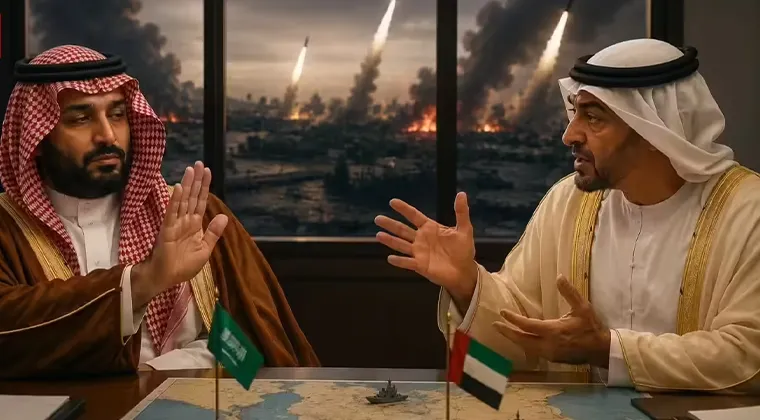
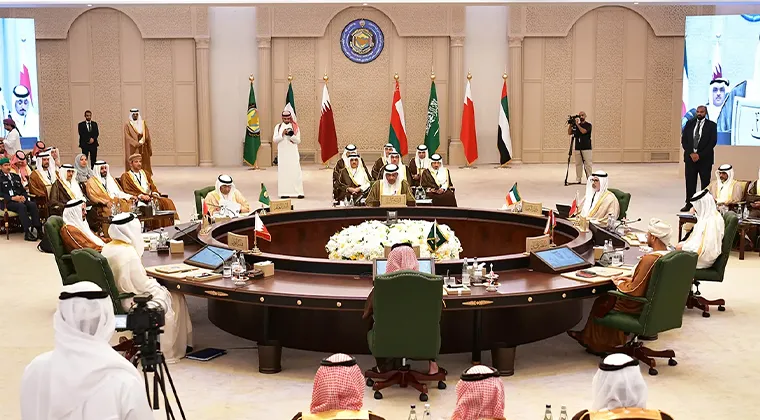
Gulf Countries Must Balance Security Preparedness with Continued Dialogue, Says UAE Diplomat
Gulf nations still have meaningful diplomatic and strategic tools available to reduce tensions with Iran, but those measures must be supported by regional unity, stronger defence cooperation, and sustained international backing, according to Dr. Mohammed Ibrahim Al Dhaheri, Deputy Director General of the Anwar Gargash Diplomatic Academy.
Speaking to INSIDER 18, Dr. Al Dhaheri said the Gulf Cooperation Council (GCC) should continue to respond from a position of confidence, cohesion, and respect for international law. He argued that the region’s collective strength gives its member states the ability to pursue diplomacy without compromising their security interests.
According to him, the GCC’s strategy should not rely solely on deterrence or dialogue. Instead, he advocated a comprehensive policy that combines robust security measures with continuous diplomatic engagement, allowing Gulf states to discourage aggression while keeping opportunities for peaceful communication alive.
“The Gulf has consistently demonstrated its preference for dialogue and peaceful conflict resolution,” he explained. “However, successful diplomacy requires stability, credible deterrence, and a clear understanding among all parties that hostile actions will not be tolerated.”
Dr. Al Dhaheri stressed that regional governments must continue investing in coordinated defence initiatives designed to strengthen collective security. This includes improving military readiness, expanding intelligence cooperation, and increasing coordination among naval forces responsible for protecting strategic maritime routes.
He noted that maritime security has become an increasingly important priority given recent incidents affecting commercial shipping in the Gulf. Protecting international waterways, he said, requires closer cooperation not only among Gulf countries but also with international partners that share an interest in maintaining uninterrupted global trade.
The diplomat emphasized that information sharing plays a critical role in preventing future security threats. Enhanced intelligence cooperation among GCC members, combined with stronger coordination with allied countries, would improve the region’s ability to identify risks early and respond effectively to emerging challenges.
He also called for continued international support to safeguard freedom of navigation in accordance with international law. The Strait of Hormuz and surrounding waters remain among the world’s busiest shipping routes, carrying a significant share of global oil and natural gas exports. Any disruption to these waterways, he warned, carries consequences that extend well beyond the Middle East.
While emphasizing the importance of strengthening security capabilities, Dr. Al Dhaheri said Gulf governments should avoid closing diplomatic channels, even during periods of heightened tension.
He explained that maintaining open communication between governments reduces the possibility of misunderstandings or unintended escalation. Diplomatic engagement, he argued, serves as an important safeguard during crises by providing mechanisms to clarify intentions, address disputes, and reduce the likelihood of military miscalculations.
According to Dr. Al Dhaheri, balancing firmness with dialogue remains the most effective approach for preserving regional stability.
He said governments should demonstrate their willingness to engage diplomatically while making it equally clear that attacks against neighboring states or commercial shipping will not be accepted.
Addressing the broader international response, Dr. Al Dhaheri argued that diplomatic pressure should be linked to measurable actions rather than broad political statements.
In his view, the international community should establish clear expectations regarding acceptable behavior and evaluate progress based on tangible developments on the ground.
Among the priorities he identified were an immediate end to attacks targeting civilian commercial vessels, full respect for the sovereignty and territorial integrity of neighboring countries, and strict adherence to internationally recognized maritime laws and agreements.
He suggested that confidence between regional actors can only improve if commitments are followed by observable changes in conduct.
Without concrete evidence of de-escalation, he cautioned, diplomatic initiatives risk losing credibility and failing to generate lasting progress.
Dr. Al Dhaheri also underscored the importance of coordinated international engagement.
He said countries with influence in the region—including the United States and European partners—should present a unified and consistent position regarding security in Gulf waters.
According to him, protecting maritime routes is not simply a regional concern but a matter of global economic importance.
The uninterrupted flow of energy supplies and commercial goods through Gulf shipping lanes affects markets worldwide, making maritime security a shared international responsibility.
He argued that the international community should avoid treating attacks on commercial vessels as isolated regional incidents.
Instead, such developments should be recognized as threats to international trade, energy stability, and the rules-based global order that governs freedom of navigation.
Dr. Al Dhaheri said coordinated diplomatic messaging is particularly important during periods of heightened geopolitical tension.
When governments send mixed or contradictory signals, he warned, they create uncertainty that can encourage further risk-taking by state actors seeking to test international resolve.
He suggested that inconsistent policies or fragmented responses weaken collective deterrence and make crisis management more difficult.
For that reason, he called for greater alignment among regional governments and their international partners.
A unified strategy, he said, helps reinforce predictable expectations while reducing opportunities for miscalculation.
Asked how policymakers should balance pressure on Tehran without increasing the likelihood of a broader regional conflict, Dr. Al Dhaheri said the answer lies in combining diplomatic engagement with strategic consistency.
He explained that governments must avoid actions that unintentionally fuel escalation while remaining firm in defending international law and regional security.
According to him, effective crisis management requires both restraint and credibility.
Diplomatic efforts are most successful when supported by clear consequences for actions that violate internationally accepted norms.
He emphasized that deterrence should not be viewed as the opposite of diplomacy.
Rather, the two approaches complement one another by creating conditions in which negotiations are more likely to succeed.
When parties understand that aggression carries meaningful political and strategic costs, incentives for constructive dialogue become stronger.
Conversely, uncertainty regarding international responses may encourage further provocations.
Dr. Al Dhaheri said regional stability depends on maintaining this balance carefully.
Governments should continue supporting diplomatic initiatives while ensuring that violations of international law receive coordinated responses from the broader international community.
He argued that preserving peace requires consistency, patience, and cooperation among regional and global stakeholders.
No single country, he said, can effectively safeguard maritime security or regional stability on its own.
Instead, collective action remains essential to addressing shared challenges.
The diplomat also pointed to the importance of maintaining confidence among investors, shipping companies, and international markets.
Repeated security incidents in strategic waterways have the potential to increase transportation costs, disrupt supply chains, and create uncertainty for global energy markets.
Preventing such outcomes, he said, requires sustained diplomatic engagement backed by practical security measures.
Throughout the interview, Dr. Al Dhaheri reiterated that Gulf states remain committed to peaceful solutions but cannot ignore actions that threaten regional peace or international commerce.
He maintained that dialogue should remain open wherever possible, provided it is accompanied by genuine efforts to reduce tensions and respect internationally accepted rules governing state conduct.
Looking ahead, he expressed cautious optimism that opportunities for diplomacy still exist.
He noted that mechanisms for peaceful engagement remain available, and that the international legal framework necessary to support negotiations is already well established.
However, he stressed that meaningful progress ultimately depends on the willingness of all parties to demonstrate their commitment through actions rather than rhetoric.
Concluding his remarks, Dr. Al Dhaheri said the pathway toward regional stability has already been clearly defined through diplomacy, international law, and collective cooperation.
The responsibility now, he suggested, lies with those whose actions will determine whether tensions continue to escalate or whether the region can move toward a more secure and stable future built on mutual respect, accountability, and peaceful engagement.