As temperatures soar and schools close, parents across the UAE are finding creative ways to keep their children entertained, active, and learning through summer camps, indoor attractions, family trips, and home-based activities.
How UAE Families Are Keeping Kids Engaged Throughout the Summer Break.

As summer unfolds, many families across the UAE are choosing staycations and nearby attractions to keep their children engaged, especially as places in free holiday camps become increasingly difficult to secure.
With schools closed for the extended summer holiday, families across the UAE are once again looking for ways to keep children occupied during the hottest months of the year. For many parents, the challenge goes beyond simply filling the daily schedule. They want activities that encourage learning, creativity and physical movement while limiting the amount of time children spend on phones, tablets and television.
Every summer, parents begin planning weeks in advance, weighing up different options that suit both their children’s interests and the family’s budget. Holiday camps, sports programmes, art workshops, library events, indoor play centres and short family trips are among the most popular choices. However, not every family can access the same opportunities, especially when demand is high and costs continue to rise.
One of the biggest hurdles this year has been the limited availability of free summer programmes. Community initiatives and complimentary holiday camps often receive far more applications than they can accommodate, with many reaching capacity shortly after registration opens. Parents who are unable to secure a place are left searching for alternatives, many of which come with a significant price tag.
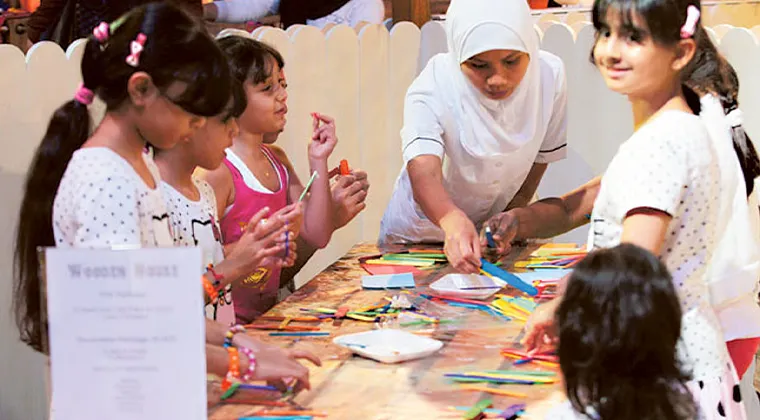
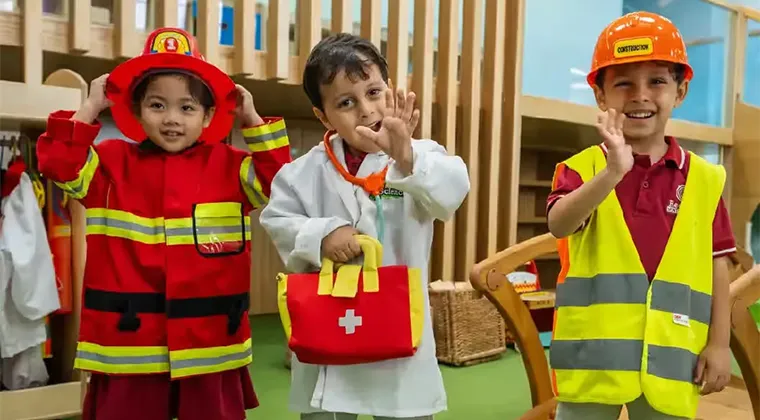
Private summer camps remain a preferred option for many working parents because they provide structured activities, supervised care and opportunities for children to socialise. These programmes often include sports, arts and crafts, science experiments, coding classes, music sessions and educational games. While they offer a convenient solution, the fees can quickly add up, particularly for larger families.
In many cases, the weekly cost of enrolling one child in a private camp can reach several hundred dirhams. For households with two, three or more children, the total expense over several weeks can place considerable pressure on monthly budgets. As a result, some parents are choosing to reduce the number of camp days, split activities between siblings or look for lower-cost alternatives closer to home.
The financial aspect has encouraged many families to become more creative in planning the school break. Instead of relying entirely on organised camps, parents are putting together their own schedules that combine learning, entertainment and family time. Indoor museums, public libraries, shopping mall attractions, community centres and home-based activities have become popular choices, allowing children to remain engaged without requiring a substantial financial commitment.
Staycations are also becoming an attractive option for families who want a change of scenery without the higher costs associated with overseas travel. Spending a few days at a local hotel or resort allows parents and children to enjoy swimming pools, recreational facilities and family-friendly entertainment while avoiding the expense and planning involved in international holidays. Many hotels across the UAE also introduce seasonal promotions during the summer, making short local breaks more affordable for residents.
For working parents, balancing employment responsibilities with childcare remains another important consideration. Some rely on flexible work arrangements, while others coordinate with relatives or alternate schedules between family members to ensure children are supervised throughout the day. In households where both parents work full-time, finding reliable and affordable daytime activities becomes even more important.
Parents are also placing greater emphasis on maintaining routines during the holidays. Reading sessions, educational games, cooking together, arts and crafts, puzzles and simple science experiments are among the activities families are incorporating into daily life. These experiences not only keep children occupied but also encourage creativity, independence and practical skills outside the classroom.
Physical activity continues to be another priority despite the extreme summer temperatures. Since outdoor play is limited during the hottest parts of the day, many families are turning to indoor sports facilities, swimming lessons, gymnastics classes and play areas where children can remain active in a comfortable environment. These activities help children stay healthy while providing opportunities to interact with friends during the school break.
Parents say the key is finding the right balance between structured programmes and free time. While organised camps offer valuable experiences, many families believe children also benefit from slower days spent with siblings, grandparents and parents. Board games, movie nights, creative projects and shared meals can create meaningful memories without requiring large financial investments.
Technology also plays a role in many households, although parents are increasingly setting limits on screen time. Rather than allowing children to spend entire days using electronic devices, many families are introducing daily schedules that include reading, exercise, hobbies and household responsibilities before recreational screen use is allowed. This approach helps maintain a healthy routine throughout the holiday period.
For some families, summer also presents an opportunity to strengthen family relationships. With fewer school commitments and extracurricular activities, parents are making time for shared experiences, whether that means visiting cultural attractions, exploring new neighbourhoods, trying different cuisines or simply spending more time together at home.
As the long holiday continues, every family is adapting in its own way based on individual needs, budgets and work commitments. While some children will spend their summer attending organised camps, others will enjoy local outings, staycations or carefully planned home activities. What remains common across many households is the effort parents are making to ensure the school break is enjoyable, enriching and memorable without placing unnecessary strain on family finances.
To understand how families are approaching this year’s summer holiday, INSIDER 18 spoke with parents across the UAE about the choices they are making, the challenges they face and the practical solutions helping them keep their children engaged throughout the season.
‘Affordable options are limited’
For Dubai resident Um Hasher, the summer school break is a time to ensure her two children remain active, curious and engaged rather than spending long hours indoors on electronic devices. Like many parents in the UAE, she begins planning well before the holidays start, knowing that the intense summer heat limits outdoor activities and makes organised programmes an important part of the season.
This year, however, the family’s plans are centred entirely within the UAE.
“We’re not travelling during the holidays, so we’ve had to think carefully about how to keep the children occupied,” she explained. “Instead of relying on one activity, we’re trying to create a balance. Some days are spent at home with games and learning activities, while on other days we visit shopping malls or indoor attractions where the children can enjoy themselves comfortably. We’ve also enrolled them in educational and recreational programmes so they have opportunities to interact with other children and stay mentally active.”
She says variety is essential because children can quickly become restless when confined indoors for weeks at a time. Alternating between family outings, structured learning and time at home helps keep the holiday interesting while preventing boredom.
Even so, keeping children entertained during the summer comes with a financial cost.
According to Um Hasher, a typical visit to an indoor entertainment destination or shopping mall can cost several hundred dirhams once admission tickets, food, drinks and other expenses are included. Depending on where the family goes and how long they stay, a single outing can range from around Dh300 to Dh600, making frequent trips difficult to justify over a holiday that lasts several weeks.
“We have to think carefully before deciding where to go because every outing adds up,” she said. “When you include entrance fees, meals and any extra activities the children want to try, the amount can become significant.”
The family eventually chose to enrol the children in a paid summer camp, but affordability remained a major consideration throughout the decision-making process.
She described the programme they selected as one of the more reasonably priced options available, costing roughly Dh1,000. However, the lower fee also meant accepting certain compromises.
“The programme was among the least expensive we found, but it doesn’t run for very long,” she said. “It helps for part of the holiday, but it certainly doesn’t cover the entire summer break.”
For her, the biggest challenge is the lack of affordable choices for families with more than one child. While there are numerous camps offering sports, arts, science and educational activities, many charge weekly fees that quickly become difficult to manage once siblings are included.
“I’ve noticed that prices differ a great deal from one camp to another,” she said. “Some are priced within reach, but many cost several hundred dirhams each week, while others exceed Dh1,000. When you have two or three children, those costs multiply very quickly.”
She believes more reasonably priced programmes would make a meaningful difference for many households.
“It isn’t easy to find a camp that offers quality activities while also fitting within an average family’s budget,” she said. “I hope there will be more affordable options in the future or greater support for summer programmes so that more children can benefit from them.”
‘Keeping it local wasn’t necessarily cheaper’
For Aisha Al Darmaki, the original plan for this year’s school holiday seemed straightforward. Rather than organising an overseas vacation, she intended to spend the summer in the UAE, allowing her three children to participate in organised activities while the family enjoyed occasional outings together.
However, she soon realised that staying close to home did not necessarily reduce expenses.
“We decided not to travel abroad and thought spending the summer locally would be the more practical option,” she explained. “Part of that plan included registering the children in holiday programmes so they could stay active, continue learning and spend time with friends.”
Although all three children secured places in summer camps, none of the programmes were offered free of charge.
“Unfortunately, they weren’t complimentary,” she said. “We had to pay for every registration, and I felt the prices were much higher than expected.”
With three children attending activities, the total cost rose considerably, making budgeting an important part of the family’s holiday planning.
She believes that while structured camps provide valuable experiences, many have become increasingly expensive, leaving parents with difficult financial decisions.
“The programmes themselves are useful because they give children opportunities to learn new skills, participate in sports and make friends,” she said. “The problem is that the overall cost becomes difficult for many families to manage.”
Beyond organised camps, ordinary family outings have also become a sizeable expense.
According to Al Darmaki, spending a day together at an indoor attraction, entertainment venue or similar destination often requires a substantial budget once entrance tickets, meals, refreshments and other costs are factored in.
“For our family, a single outing can easily cost between Dh1,000 and Dh1,500,” she said. “When you have several children, everything increases—from admission fees to food and activities.”
Because of those rising costs, the family now plans outings more carefully, choosing only a few special occasions during the summer instead of making frequent visits.
She says many parents are in a similar position, trying to balance giving their children enjoyable holiday experiences while also keeping household spending under control.
“Every parent wants their children to have a memorable summer,” she said. “At the same time, families have to consider their budgets, especially with the cost of camps, entertainment and daily activities.”
Despite the financial challenges, both mothers agree that keeping children engaged during the long summer holiday remains a priority. Whether through organised camps, educational programmes, indoor attractions or simple family activities at home, they believe the effort is worthwhile if it helps children stay active, continue learning and enjoy their time away from school.

Exploring the UAE instead of travelling abroad
As the cost of overseas holidays and organised summer programmes continues to rise, many families are choosing to spend the school break closer to home. Rather than booking international trips or enrolling their children in weeks of structured activities, some parents are discovering new ways to make the most of what the UAE has to offer.
From mountain escapes and beach resorts to farms, heritage sites and family-friendly attractions, domestic tourism has become an increasingly popular option for residents looking to balance memorable experiences with careful budgeting.
For Um Hamad, a Dubai-based mother of four, this year’s summer holiday looks very different from previous years. Instead of travelling overseas, she has decided to dedicate the break to exploring destinations across the Emirates, giving her children an opportunity to experience places they have never visited before.
She said the decision was influenced by both practical and personal reasons.
“In previous years we often considered travelling during the summer, but this time we decided to stay in the UAE and enjoy what is available here,” she explained. “There are so many places suitable for families that we still haven’t explored. Instead of spending money on flights and international accommodation, we thought it would be more meaningful to discover different parts of the country.”
Her family has planned a schedule that includes visits to local farms, hotels, indoor attractions and leisure destinations spread across different emirates. The idea, she said, is to give the children a variety of experiences throughout the holiday while avoiding a repetitive routine.
“We don’t want every day to look the same,” she said. “Sometimes we’ll spend time at a resort, another day we’ll visit a farm or an indoor attraction, and on other occasions we’ll simply enjoy a family outing somewhere new.”
Although staying within the country helps eliminate the costs associated with international travel, family outings still require careful financial planning.
According to Um Hamad, taking four children on a day trip is far from inexpensive. Once transportation, meals, refreshments, entrance tickets and recreational activities are taken into account, the total bill for a single outing usually reaches around Dh1,000.
“When you have a large family, every activity involves additional costs,” she said. “You have admission fees for several children, food, drinks and often small purchases along the way. The expenses add up very quickly.”
Even so, she believes the flexibility of planning independent family outings outweighs the benefits of enrolling her children in structured summer camps.
Unlike scheduled programmes that require attendance on specific dates and times, creating her own family itinerary allows her to adjust activities according to her children’s moods, interests and energy levels.
“I deliberately decided not to register them in any camps this year,” she explained. “I don’t want to be tied to a fixed timetable throughout the holiday. I prefer deciding each week what the children would enjoy most.”
She feels that constantly changing activities helps maintain the children’s enthusiasm throughout the lengthy school break.
“If we repeat the same programme every day, they lose interest,” she said. “Changing locations and trying different experiences keeps them excited because they never know what the next outing will be.”
That does not mean she is completely opposed to summer camps.
She says she would consider enrolling her children if she found programmes that genuinely matched their interests, personalities and developmental stages.
“If I come across camps that are suitable for their ages and offer activities they truly enjoy, then I would certainly think about registering them,” she said. “However, I would still prefer shorter programmes rather than camps that continue for many weeks.”
For Um Hamad, remaining in the UAE also reflects a conscious decision to help her children develop a stronger appreciation for their own country.
She believes that many residents automatically associate school holidays with travelling abroad, overlooking the diverse destinations available within the Emirates.
“The UAE has so much to offer families,” she said. “There are beautiful places, cultural sites, natural attractions and entertainment options across the country. We don’t feel there is anything missing that makes international travel necessary every summer.”
She hopes the holiday will allow her children to learn more about different regions of the country while creating lasting family memories.
“I want my children to become familiar with their own homeland,” she added. “Visiting different emirates gives them a chance to understand the country’s diversity and appreciate what exists here. Supporting local tourism is also something we value.”
Free programmes fill up quickly
While some parents choose alternatives to organised camps, others say they simply have little choice.
For many families, the biggest obstacle is no longer deciding whether to pay for a programme but finding any available place at all.
Free summer camps organised by community groups, government entities and charitable organisations remain among the most sought-after options each year. Because they provide supervised activities at little or no cost, registrations often fill within a short period after applications open.
Parents who miss those registration windows frequently find themselves facing private alternatives with fees that exceed their household budgets.
That was the experience of Maryam Al Yasi, widely known as Um Anas, a mother of four living in Dubai’s Al Aweer area.
Her family includes a daughter diagnosed with ADHD, making structured activities particularly valuable during the long school holiday.
She explained that organised programmes provide opportunities for children to socialise, stay active and maintain routines that can be especially important during extended breaks from school.
“My children were excited about joining summer camps,” she said. “We wanted them to participate in activities where they could learn new things, meet other children and spend their time in a productive way.”
However, finding suitable places proved much more difficult than expected.
The family’s financial circumstances meant that private camps charging substantial registration fees were not a realistic option.
“Our budget simply doesn’t allow us to pay those kinds of fees,” she explained. “We searched for programmes that were free because those were the only ones we could realistically consider.”
Unfortunately, despite their efforts, available places had already been taken.
“We tried to register, but by the time we applied there were no vacancies left in the free camps,” she said.
Without access to either complimentary programmes or affordable paid alternatives, the family began redesigning their plans for the summer holiday.
Rather than focusing on organised activities, they decided to spend more time together at home while gradually exploring different destinations across the UAE whenever their schedule and finances allow.
This summer also coincides with an important milestone for the family after recently moving into a new house.
“We’ve just settled into a new home,” she explained. “Because of that, we want to spend time there together while also taking occasional trips around the country.”
She said their approach this year will revolve around simple experiences instead of expensive entertainment schedules.
Family outings remain part of the plan, although they are carefully budgeted.
According to Um Anas, an average day out generally costs around Dh500 when the family limits spending to meals and children’s recreational activities.
However, if the outing also includes buying household necessities or other essential shopping, total expenses can easily increase to approximately Dh1,000.
“Even relatively simple trips become expensive when you have several children,” she said. “Food, entertainment and shopping all contribute to the final amount.”
Despite those financial realities, she believes spending quality time together remains more important than expensive activities.
The family intends to make the most of nearby attractions, parks, indoor venues and opportunities to explore different parts of the Emirates throughout the holiday.
Her experience reflects a wider challenge facing many parents across the UAE.
Free summer programmes remain highly competitive because they offer an affordable solution for families seeking structured activities during the long school break. Yet demand frequently exceeds available capacity, leaving numerous parents unable to secure places despite applying.
At the same time, private camps continue to offer a broad range of educational and recreational experiences, but their fees may be beyond the reach of households balancing multiple children, rising living costs and other seasonal expenses.
As a result, many families are creating their own alternatives—combining home-based learning, occasional outings, domestic tourism and flexible schedules to ensure children remain engaged without placing excessive strain on household finances.
For parents like Um Hamad and Um Anas, every family approaches the summer differently, but the objective remains remarkably similar: finding meaningful experiences that keep children active, happy and connected while making responsible financial choices that work for their individual circumstances.