
Housing rents have declined in Abu Dhabi and Sharjah, whereas Ajman has emerged as the strongest-performing rental market, with prices surging by up to 57% in selected neighborhoods.
Abu Dhabi and Sharjah See Rental Declines as Ajman Rates Jump by Up to 57%
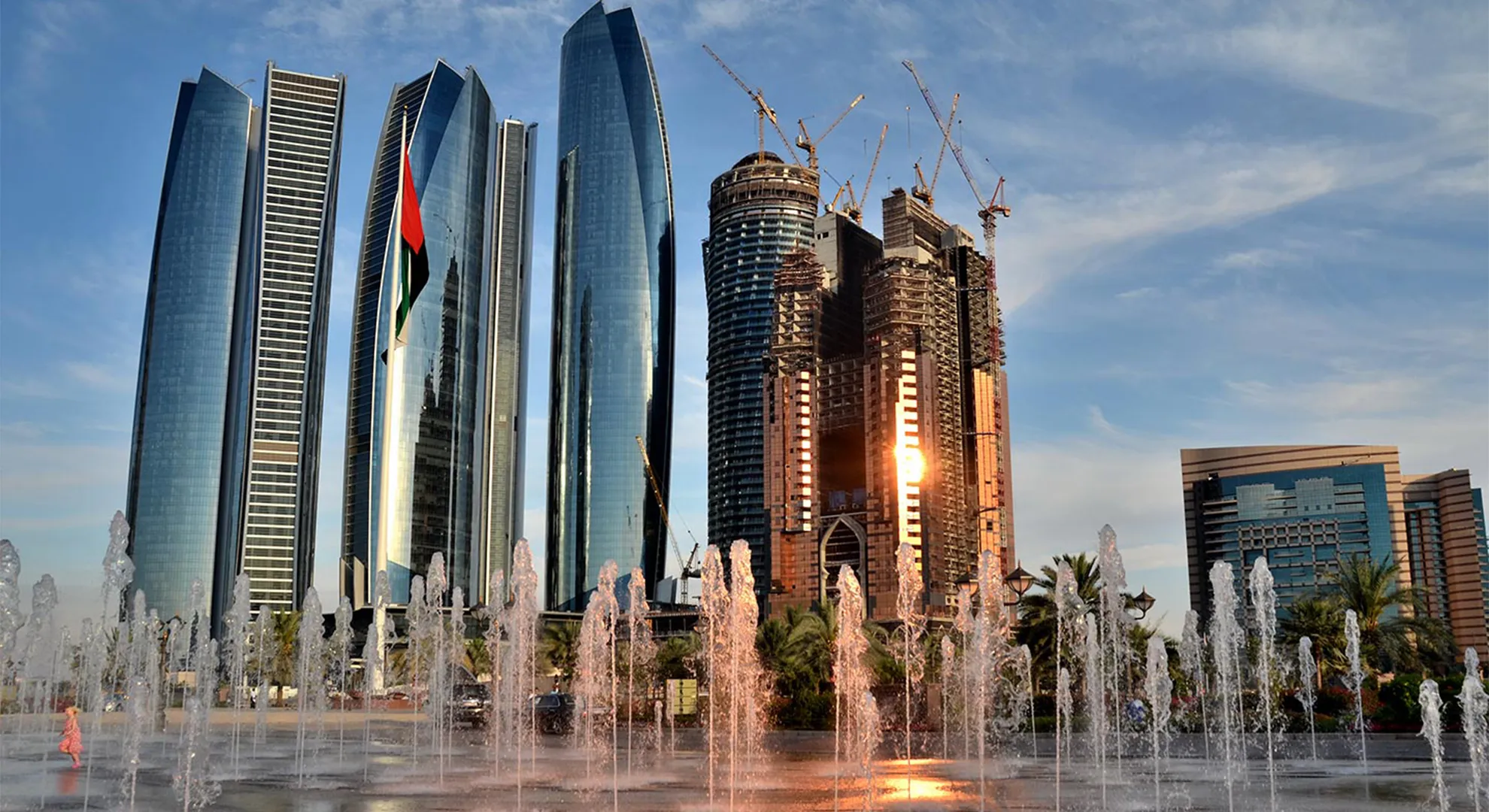
According to Property Finder, rental prices in Abu Dhabi and Sharjah are softening due to an increase in housing supply and broader regional uncertainties, while Ajman is witnessing a sharp rise in rental rates.
Abu Dhabi’s residential rental market lost momentum during the second quarter of 2026, with several of its most sought-after neighbourhoods registering notable declines in lease rates. At the same time, parts of Sharjah also experienced lower rents, reflecting changing market conditions driven by an increase in available housing and shifting tenant demand.
Figures released by Property Finder show that communities such as Al Reem Island and Yas Island posted some of the largest quarter-on-quarter rental corrections in the UAE between April and June 2026. Al Reem Island recorded a rental decline of 13.3 per cent compared with the first quarter of the year, while Yas Island saw rents fall by 10.5 per cent over the same period.
The trend was not limited to island developments. Other established Abu Dhabi neighbourhoods also reported lower rental values. One-bedroom apartments in Corniche and Al Raha Beach experienced average declines of about 8.4 per cent during the second quarter. Meanwhile, residential units in Al Khalidiya and Al Musaffah registered more moderate decreases, with rents easing by roughly 5.6 to 6 per cent from the previous quarter.
Sharjah also witnessed downward pressure on rental prices in several locations. Al Taawun and Al Khan emerged among the emirate’s weakest-performing residential areas during the quarter, with both communities recording double-digit percentage declines compared with the January-to-March period. The slowdown indicates that tenants in some established districts are benefiting from greater housing choices and a more competitive leasing environment.
Industry experts attribute the softer rental market largely to an increase in new residential supply entering the market. As developers complete more projects and additional units become available, prospective tenants have gained stronger negotiating power. This has encouraged landlords in many premium locations to adjust asking rents to remain competitive and reduce vacancy periods.
Cherif Sleiman, Chief Revenue Officer at Property Finder, said the first half of 2026 marked a noticeable shift in Abu Dhabi’s rental landscape, particularly in higher-end communities. According to him, premium destinations such as Yas Island and Al Reem Island experienced the sharpest adjustments as newly delivered residential projects expanded the number of homes available for lease.
He noted that the growing supply has widened the range of options available to renters, making it easier for residents to compare properties and negotiate more favourable lease terms. This has created greater competition among landlords, especially in neighbourhoods that have traditionally attracted strong demand from professionals and families.
Despite the correction in premium districts, not every part of Abu Dhabi followed the same trajectory. More affordable mainland communities demonstrated greater resilience, with areas such as Al Musaffah maintaining relatively stable rental levels during the first six months of the year. The steady performance of these districts suggests that demand for budget-friendly housing continues to remain healthy, even as luxury and waterfront developments undergo price adjustments.
Sleiman said this contrast highlights the differing dynamics across the emirate’s housing market. While upscale communities are responding to increased inventory with lower rents, affordable residential areas continue to benefit from consistent occupancy levels and sustained tenant demand.
Looking ahead, Property Finder believes the direction of Abu Dhabi’s rental market will largely depend on the pace of new project completions and overall demand during the remainder of 2026. If additional housing stock continues to enter the market, landlords in premium communities may face ongoing pressure to offer competitive rental rates and attractive leasing incentives.
At the same time, stable demand in value-oriented neighbourhoods could help limit further price declines outside the luxury segment. This divergence suggests that tenants seeking accommodation in premium areas may continue to find better value during the second half of the year, while renters in more affordable districts are likely to see comparatively stable pricing.
Overall, the second-quarter data reflects an evolving rental market across the UAE, with Abu Dhabi and parts of Sharjah experiencing price corrections after a period of strong growth. Increased housing supply, combined with changing market conditions, is reshaping rental trends and giving tenants greater flexibility when choosing where to live.
Sharjah’s residential leasing market delivered contrasting results during the second quarter of 2026, with rental performance varying significantly from one community to another. Unlike markets that moved in a single direction, Sharjah’s housing sector reflected localized trends, where neighbourhood characteristics, property type, and tenant demand played a much larger role in determining rental values.
Recent data from Property Finder indicates that some districts experienced noticeable corrections in rental prices, while others either remained stable or continued to post modest gains. The differences highlight the increasingly segmented nature of the emirate’s property market, where no single trend applies across all residential areas.
Among the communities that recorded the sharpest declines, Al Khan stood out as the weakest-performing location during the April-to-June period. One-bedroom apartments in the waterfront district registered the largest quarter-on-quarter decrease, with average rents falling by 15.6 per cent. Analysts suggest that a combination of softer market activity, changing tenant preferences, and broader regional uncertainty contributed to the decline.
The slowdown has been linked in part to economic caution among residents and businesses, influenced by geopolitical tensions in the wider region. While demand for housing has not disappeared, prospective tenants have become more selective, often comparing multiple properties before signing leases. This shift has encouraged landlords in certain neighbourhoods to lower asking rents in order to attract occupants and reduce vacancy periods.
Al Taawun also experienced a notable adjustment during the second quarter. Rental prices in the area declined by 11.8 per cent compared with the previous three months, making it one of the emirate’s largest quarterly corrections. Although the district remains popular because of its proximity to Dubai and its broad mix of residential developments, the increase in available units has intensified competition among landlords.
Another established community, Al Qasimia, recorded a more moderate decline of 8.5 per cent. While the reduction was smaller than those seen in Al Khan and Al Taawun, it nevertheless reflected changing market conditions as tenants gained greater flexibility in choosing accommodation.
Outside these locations, the broader Sharjah rental market remained comparatively stable. Many residential districts saw little movement in leasing prices during the second quarter, indicating that demand in several established neighbourhoods continues to match available supply. This balance has helped prevent widespread rental declines across the emirate.
According to Cherif Sleiman, Chief Revenue Officer at Property Finder, Sharjah’s market cannot be viewed as a single entity because individual neighbourhoods are responding differently to current economic and housing conditions. He explained that waterfront districts, particularly those offering smaller apartments, have experienced greater downward pressure on rents, whereas other well-established communities continue to benefit from steady tenant demand.
Areas with strong transport links and convenient access to employment centres have generally demonstrated greater resilience. Communities that attract daily commuters and working professionals continue to see consistent interest from renters, helping landlords maintain relatively stable pricing despite broader market adjustments.
This divergence reflects changing priorities among tenants. Many residents are placing greater emphasis on affordability, commuting convenience, and access to essential services when selecting a home. As a result, neighbourhoods that offer practical advantages continue to perform well even when premium or lifestyle-focused locations experience slower demand.
Market observers believe these contrasting trends could persist throughout the remainder of 2026 if current supply-and-demand dynamics remain unchanged. Premium districts may continue to face pressure as landlords compete for tenants, while affordable and strategically located communities are expected to retain healthy occupancy levels and relatively stable rental values.
The evolving market also provides renters with greater negotiating power than in previous years. In neighbourhoods where supply has increased, tenants may be able to secure better lease terms, discounted annual rents, or additional incentives such as flexible payment plans. Meanwhile, landlords in stronger-performing communities may be less inclined to offer substantial discounts because of continued demand.
Overall, the latest figures illustrate that Sharjah’s residential property market is becoming increasingly diverse. Rather than moving in a uniform direction, rental performance now varies according to each neighbourhood’s characteristics, housing stock, and tenant profile. This localized pattern is expected to remain an important feature of the market as both landlords and tenants respond to changing economic conditions during the second half of the year.

Ajman emerged as one of the strongest performers in the UAE’s residential rental market during the first half of 2026, distinguishing itself from neighbouring emirates where rental growth either slowed or moved into negative territory. The emirate continued to attract residents looking for cost-effective housing, reinforcing its reputation as an affordable alternative for families, young professionals, and commuters seeking better value for money.
According to Property Finder’s latest market data, Ajman’s appeal has been driven largely by tenants relocating from more expensive housing markets. Rising living costs in other parts of the UAE, combined with the availability of comparatively affordable homes in Ajman, have encouraged many renters to consider the emirate as a long-term residential option. This steady influx of demand has placed upward pressure on rental prices across several key neighbourhoods.
The strongest increases were recorded in centrally located communities that remain popular because of their accessibility, established infrastructure, and competitive pricing. Al Rashidiya posted the most significant rental growth, with average rents climbing by 57 per cent during the first half of the year. The sharp increase reflects robust demand for smaller residential units, particularly studio apartments, which continue to attract first-time renters and individuals seeking economical accommodation.
Al Nuaimiya also recorded substantial rental growth, with prices rising by 25.5 per cent over the same period. The neighbourhood has long been regarded as one of Ajman’s most sought-after residential districts because it offers a wide range of housing options, convenient transport links, and access to schools, healthcare facilities, and retail centres. These advantages have helped sustain strong tenant demand despite rising rental costs.
Meanwhile, Al Rawda experienced more moderate but still healthy growth, with average rents increasing by 7.5 per cent. While the pace of appreciation was slower than in Al Rashidiya and Al Nuaimiya, the figures suggest that demand remains resilient across multiple parts of the emirate rather than being limited to a single location.
One of the defining characteristics of Ajman’s rental market during the first half of 2026 was the exceptional performance of studio apartments. This segment experienced the fastest rate of rental growth as budget-conscious tenants competed for smaller and more affordable homes. Strong demand, coupled with limited availability in some areas, allowed landlords to increase asking rents more aggressively than in larger apartment categories.
In contrast, one-bedroom and two-bedroom apartments displayed considerably greater stability. While some neighbourhoods registered modest increases and others recorded slight declines, overall rental movement in these larger unit types remained relatively limited. Market analysts believe this reflects a more balanced relationship between supply and demand, with tenants having a wider selection of larger apartments to choose from.
Property experts note that affordability has been the primary driver behind Ajman’s recent performance. As rental costs continue to rise in several major UAE cities, the emirate has become increasingly attractive to residents seeking to reduce their housing expenses without sacrificing access to essential amenities or convenient transport connections. This shift has strengthened occupancy levels across many residential communities.
Industry observers also suggest that the remarkable pace of growth in the studio segment may not continue indefinitely. As rental prices move higher, they gradually approach the upper limits that many budget-conscious tenants are willing or able to pay. Once those affordability thresholds are reached, rental growth is expected to moderate naturally as demand begins to stabilise.
Even if price increases slow during the second half of the year, analysts believe Ajman will continue to occupy an important position within the UAE’s residential market. Compared with many neighbouring emirates, it is still expected to offer relatively affordable accommodation, making it an attractive destination for residents prioritising value and manageable living costs.
The outlook for the remainder of 2026 therefore points to continued demand, although future rental increases are likely to become more measured than the rapid gains recorded earlier in the year. Strong interest from tenants, combined with Ajman’s competitive pricing, is expected to support a healthy rental market while preventing the extreme volatility seen in some other property sectors.
Overall, the first half of 2026 highlighted Ajman’s growing importance within the Northern Emirates’ housing landscape. Robust demand, especially for studio apartments, pushed rental values higher across leading residential communities, while the emirate’s reputation for affordability continued to attract new residents looking for practical and budget-friendly housing solutions.