From Karak to Gahwa, explore five traditional and modern UAE beverages that offer cooling relief and refreshment during the country’s extremely hot summer months.
UAE Summer Refreshments: 5 Drinks Including Karak and Gahwa to Keep You Cool.
A clinical dietitian explains why several of the UAE’s traditional beverages, both hot and cold, remain surprisingly suitable even during intense 40°C summer heat.
As temperatures regularly climb beyond 40°C during the peak of summer in the United Arab Emirates, maintaining proper hydration becomes a critical health priority rather than a simple lifestyle choice. Experts note that in such extreme climatic conditions, it is not only the amount of fluids consumed that matters, but also the type of beverages chosen throughout the day. The composition of drinks, their natural properties, and their suitability for high heat all play an important role in supporting the body’s ability to regulate temperature and maintain overall well-being.
Clinical dietician Areen Rasheed Al Zorba explains that hydration in the UAE is influenced by more than just modern dietary habits. According to her, the region has developed a deeply rooted relationship with water and beverages over time, shaped by both cultural traditions and scientific understanding of nutrition. This connection reflects how communities adapted to harsh desert environments long before the availability of modern cooling systems or refrigeration technology.
She highlights that many traditional drinks consumed in the region today are not merely chosen for their flavour or refreshment value, but were originally developed as practical responses to extreme weather conditions. These beverages evolved through generations of experience, long before contemporary food science existed, and were designed to help people cope with prolonged exposure to heat and limited access to fresh, cold water sources.
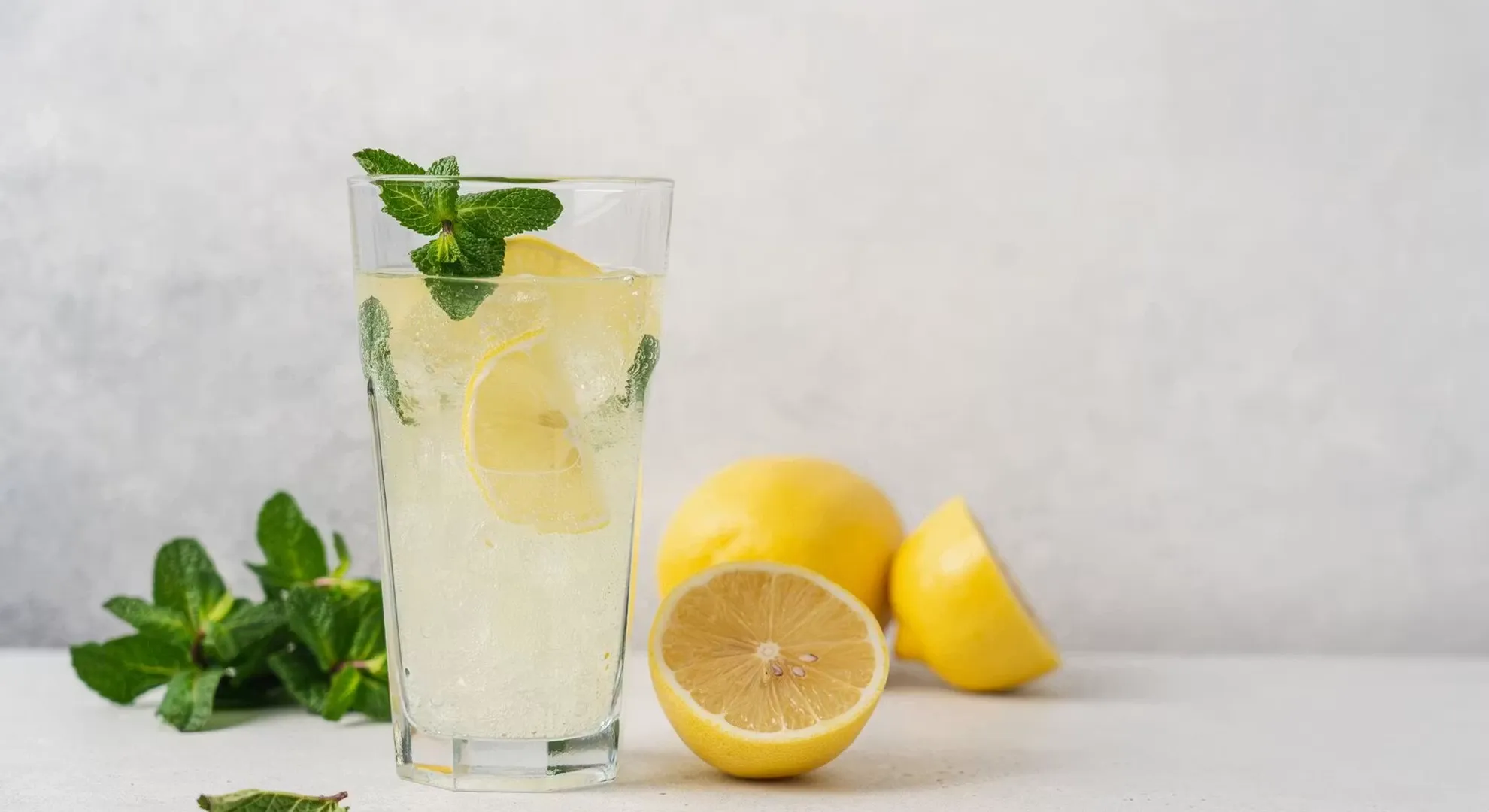
In modern times, a wide variety of drinks are available to support hydration needs. Fresh fruit-based beverages are among the most commonly consumed options, particularly those made from watermelon, lemon, orange, and mango. These fruits are naturally high in water content, making them effective for replenishing fluids while also providing essential vitamins and minerals. Watermelon juice, for example, is especially valued for its high hydration capacity, while citrus-based drinks such as lemon and orange juice offer a refreshing balance of hydration and electrolytes.
Coconut water has also become a widely recognised hydration option, often recommended for its natural electrolyte content. It is frequently consumed after physical activity or during hot weather due to its ability to help restore mineral balance in the body. Similarly, mint-infused water is popular for its cooling sensation and digestive benefits, offering a simple yet effective way to encourage fluid intake during the hottest hours of the day.
Smoothies prepared at home using fresh fruits and natural ingredients have also become part of contemporary hydration habits. These drinks allow for a combination of hydration and nutrition, often blending fruits, yogurt, and ice to create a refreshing beverage that supports both energy levels and fluid replenishment. Together, these modern options form a diverse selection of drinks that cater to different preferences while addressing the physiological demands of extreme heat.
However, long before the introduction of such beverages, traditional communities in the region had already developed effective methods for surviving harsh summer conditions. Bedouin populations, in particular, relied on practical knowledge passed down through generations to manage hydration in the desert. Without access to modern infrastructure, they depended on natural resources and simple but effective techniques to preserve and consume water.
One of the most common methods involved storing water in clay pots or containers made from animal skins. These materials helped keep water relatively cool despite the surrounding heat, as they naturally reduced evaporation and limited exposure to direct sunlight. Leather water bags were also widely used for transportation, allowing individuals to carry drinking water across long distances while travelling through desert landscapes.
Knowledge of water sources was essential for survival, and Bedouin communities developed detailed understanding of where and when water could be found. They were highly aware of wells, oases, and seasonal water points scattered across the desert. Some geographical locations even derived their names from these water sources, reflecting their importance in sustaining life in arid conditions. Areas such as Al Marmoom are historically associated with wells and water availability, highlighting how deeply water access was connected to settlement patterns and movement across the region.
In addition to land-based practices, maritime communities also developed their own strategies for dealing with extreme heat and hydration challenges. Sailors, particularly those involved in pearling activities, had to endure long periods at sea during the hottest months of the year, typically from May to August. During this time, maintaining access to drinkable water was a major concern, as journeys could last for extended periods under intense sun exposure.
Experienced sailors learned to identify specific areas in the sea where fresh or drinkable water could be accessed, a skill that required both knowledge and experience passed down through generations. This understanding was particularly valuable during the pearling season, when divers spent long hours in difficult conditions collecting pearls, often facing dehydration risks due to physical exertion and extreme temperatures.
The historical relationship between people in the region and hydration practices demonstrates how environmental challenges shaped cultural habits and survival techniques. Over time, these traditional methods influenced modern-day preferences, where both heritage drinks and contemporary beverages coexist in daily life.
Today, while air-conditioned environments and modern infrastructure have significantly reduced the physical hardships once associated with desert living, the importance of hydration remains unchanged. Medical professionals continue to emphasize the need for regular fluid intake, especially during peak summer months when heat stress can quickly affect the body’s ability to function normally.
Dieticians like Areen Rasheed Al Zorba stress that understanding both traditional wisdom and modern nutrition science can help individuals make better choices about what they drink. By combining knowledge of natural hydration sources with contemporary dietary practices, people can better manage their health and comfort during extreme weather conditions.
Ultimately, the story of hydration in the UAE reflects a blend of heritage and modern science. From ancient desert survival techniques to today’s wide range of cooling beverages, the evolution of drinking habits shows how communities have continuously adapted to one of the region’s most defining environmental challenges: intense and persistent heat.
Hot drinks, all year round
Karak tea and Arabic Gahwa occupy a unique place in the UAE’s beverage culture because they are not tied to any particular season. Unlike drinks that are consumed mainly for cooling during the summer or warming in the winter, these two beverages remain part of daily life throughout the entire year. Their popularity does not fluctuate with weather changes, but instead stays consistently strong regardless of temperature or time of year.
Karak tea, in particular, has become a widely loved drink across the country. It is typically prepared using a strong black tea base combined with milk, sugar, and aromatic spices such as cardamom. The result is a rich, sweet, and spiced beverage that is both comforting and energising. People consume Karak in a variety of settings—during morning commutes, on work breaks, late evenings, or while socialising with friends. It is just as common to see someone enjoying a cup in the peak of August heat as it is during the cooler winter months of January. Its accessibility and cultural familiarity have made it a staple drink in everyday life.
Similarly, Arabic Gahwa holds deep cultural and traditional significance. Prepared using lightly roasted coffee beans infused with cardamom and sometimes enhanced with saffron, Gahwa is served in small cups and is closely associated with hospitality and generosity. It is not simply a beverage but a symbol of welcome and respect. Traditionally, it is offered to guests upon arrival in homes, gatherings, and formal occasions, regardless of the season or weather conditions outside. Alongside dates, it forms an essential part of Emirati hospitality customs that continue to be observed today.
According to clinical dietician Areen Rasheed Al Zorba, the year-round consumption of these hot beverages is not contradictory to the region’s extreme climate, as it may initially appear. She explains that the relationship between temperature and hydration or comfort is more complex than simply matching cold drinks with hot weather. In many cases, warm beverages can still be suitable in high temperatures depending on how the body responds to them and the cultural context in which they are consumed.
She further highlights that for many Emiratis, drinks like Karak and Gahwa carry significance that extends far beyond their physical properties. The experience of drinking them is closely linked to social connection, tradition, and hospitality. The act of serving and sharing these beverages often holds emotional and cultural importance that can be just as meaningful as their nutritional or physiological effects. In this sense, their continued popularity throughout the year is influenced as much by heritage and identity as by taste or temperature considerations.
When it comes specifically to summer hydration, Laban is frequently identified as one of the most beneficial traditional choices. Al Zorba points out that Laban offers both refreshing qualities and genuine nutritional value, making it a practical option during periods of intense heat. It is rich in protein and contains probiotics, which are beneficial for digestive health and overall gut balance. These properties also contribute to improved hydration, which is essential during hot weather when the body loses fluids more rapidly.
Because of these advantages, Laban has remained a consistent part of household consumption across generations. It is often enjoyed alongside meals or consumed on its own as a cooling drink during the hottest parts of the day. Its enduring presence in the diet reflects its effectiveness as both a nourishing and hydrating beverage, particularly in climates where maintaining fluid balance is essential for health and comfort.
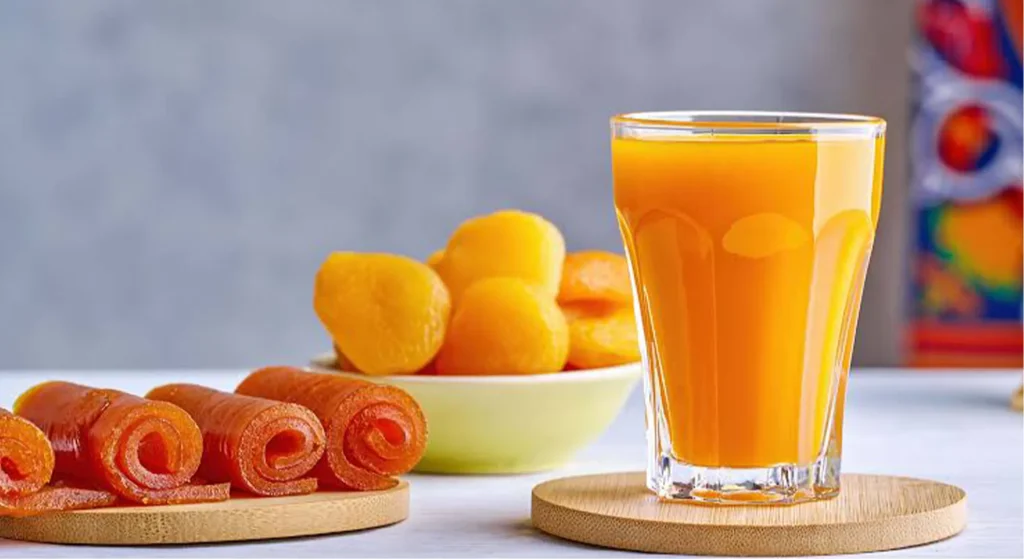
Another group of traditional drinks that continues to hold cultural importance includes Jallab and Qamar Al-Din. Jallab is typically made from a mixture of date syrup, grape molasses, and rose water, often served with ice and garnished with pine nuts or raisins. It is especially popular during festive occasions and social gatherings. Qamar Al-Din, on the other hand, is an apricot-based drink that is commonly associated with Ramadan and family meals during the holy month.
These beverages are more than just refreshments; they are closely tied to memory, tradition, and shared cultural experiences. They often appear during family gatherings, festive celebrations, and religious occasions, reinforcing their role in preserving culinary heritage. For many households, preparing and serving these drinks is part of long-standing traditions that connect present-day practices with earlier generations.
Al Zorba explains that as the UAE continues to adopt modern lifestyles and global dietary influences, traditional beverages still maintain a strong presence in everyday life. Rather than being replaced by newer options, they coexist alongside contemporary drinks, offering both variety and continuity. Their continued popularity demonstrates how cultural practices can adapt while still preserving their core identity.
She further notes that these drinks represent more than just hydration or refreshment. They are carriers of cultural meaning, reflecting values such as hospitality, community, and heritage. Each beverage tells a story of how people in the region adapted to their environment and developed food and drink traditions that remain relevant even today.
In modern urban settings, residents now have access to a wide range of beverages, from international soft drinks to freshly prepared juices and smoothies. However, traditional drinks like Karak, Gahwa, Laban, Jallab, and Qamar Al-Din continue to hold their place because they are deeply embedded in cultural identity. They are often associated with comfort, familiarity, and social connection, making them more than just dietary choices.
Ultimately, the continued relevance of these beverages highlights the balance between tradition and modernity in the UAE. While lifestyles have evolved significantly over time, the cultural importance of traditional drinks remains strong. As Al Zorba emphasises, they are not only consumed for their taste or nutritional benefits but also valued for the sense of continuity and heritage they bring to daily life. In this way, they continue to play a meaningful role in shaping both social interactions and cultural expression in the country today.