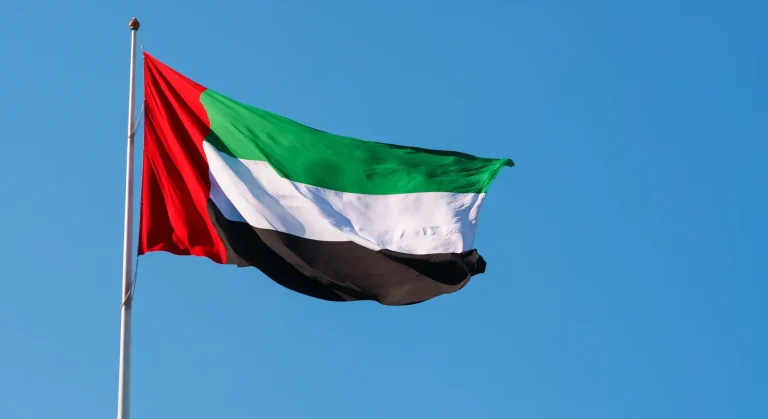
The UK’s decision to remove its advisory against non-essential travel to the UAE, Kuwait, Bahrain, Qatar, and Oman means travellers can once again visit these countries without heightened government caution. The move is expected to boost tourism, business travel, and consumer confidence while supporting airlines, hotels, and local economies across the Gulf region.
UK removes non-essential travel warning for UAE, Kuwait, Bahrain, Qatar and Oman

The United Kingdom has eased its travel guidance for several Gulf countries, including the UAE, following signs of improving stability in the Middle East. The move comes after the United States and Iran signed a memorandum of understanding aimed at reducing tensions, reopening the Strait of Hormuz, and creating a framework for future diplomatic discussions.
In updated travel advisories, the UK’s Foreign, Commonwealth & Development Office (FCDO) announced that it has withdrawn its recommendation against non-essential travel to the UAE and a number of neighbouring Gulf states. The revised guidance also applies to Qatar, Kuwait, Bahrain, Oman, as well as the Eastern Province and Riyadh Province of Saudi Arabia.
Despite the change, British authorities cautioned that the regional situation remains fluid. The FCDO noted that while the agreement has contributed to a reduction in immediate tensions, the possibility of renewed hostilities cannot be completely ruled out, and developments could occur with little warning.
Travel Guidance Updated for Gulf Destinations
The decision is expected to provide reassurance to travellers, businesses, and airlines operating between the UK and the Gulf region. The previous advisory had prompted some travellers to postpone trips or reconsider travel plans amid concerns about regional security.
By lifting the warning, the UK government has signalled increased confidence in the security environment across several Gulf countries, many of which remain important destinations for tourism, business travel, and international investment.
Iran Remains Under Strict Advisory
While restrictions have been relaxed for several Gulf nations, the UK continues to maintain a strong warning against travel to Iran. British authorities stressed that UK nationals, including dual British-Iranian citizens, face significant risks when visiting the country.
The FCDO warned that individuals with British citizenship or connections to the United Kingdom could be subject to questioning, detention, or arrest. As a result, the government continues to advise against all travel to Iran until further notice.
Ongoing Restrictions for Israel and Yemen
The updated guidance does not apply to all countries in the region. The UK continues to advise against travel to certain areas of Israel due to ongoing security concerns. In some parts of the country, only essential travel is recommended.
Meanwhile, Yemen remains subject to the strongest level of travel warning. British nationals are advised not to travel anywhere in the country because of ongoing conflict, instability, and unpredictable security conditions.
Safety Measures for British Travellers
The FCDO has encouraged British citizens travelling within the region to remain vigilant and stay informed about local developments. Travellers are advised to monitor official announcements, follow instructions issued by local authorities, and keep their travel arrangements under regular review.
Officials also recommend signing up for travel alerts, maintaining valid travel documents, and staying informed through reliable local and international news sources.
Preparedness Remains Important
Although tensions have eased, authorities emphasise that travellers should remain prepared for unexpected developments. In the event of a security incident or renewed conflict, individuals should immediately follow local emergency guidance and seek shelter when instructed.
Experts note that secure indoor locations, particularly rooms with limited windows and external walls, generally offer the greatest protection during emergencies. Travellers are also encouraged to familiarise themselves with emergency procedures before arriving at their destination.
Positive Outlook for Regional Travel
The easing of travel restrictions is likely to support tourism, strengthen business activity, and boost confidence among travellers considering visits to the Gulf. Airlines, hotels, and tourism operators may also benefit from increased demand as confidence gradually returns to the region.
Industry observers believe the decision reflects growing optimism that diplomatic engagement can help reduce regional tensions and restore stability to one of the world’s most important economic and transportation corridors. As negotiations continue, governments and travellers alike will be closely watching developments in the months ahead.


Boost for Tourism and Hospitality
The revised travel guidance is expected to provide a welcome boost to the tourism and hospitality sectors across the Gulf region. Hotels, resorts, tour operators, and entertainment venues may benefit from renewed confidence among British travellers, particularly as many visitors from the UK consider the Gulf a popular destination for leisure, family holidays, and short-term breaks.
Positive Impact on Airlines
Airlines operating routes between the United Kingdom and Gulf countries could also see stronger demand following the change in travel advice. The removal of the warning may encourage more passengers to proceed with travel plans that were previously postponed due to uncertainty surrounding regional security conditions. Increased passenger traffic could support both tourism and business-related travel.
Strengthening Business and Investment Links
The Gulf region remains an important economic partner for the United Kingdom, with significant trade, investment, and commercial ties connecting businesses across multiple sectors. Improved travel confidence may facilitate more face-to-face meetings, corporate visits, industry events, and investment discussions, helping strengthen economic cooperation between the UK and Gulf nations.
Reassurance for Expatriate Communities
Thousands of British citizens live and work across the Gulf, particularly in countries such as the UAE, Qatar, and Bahrain. The updated guidance may offer reassurance to expatriates and their families by reflecting an improved assessment of the regional security environment. It may also make it easier for friends and relatives from the UK to plan visits.
Importance of the Strait of Hormuz
The reopening and continued operation of the Strait of Hormuz remains a critical factor for global trade and energy markets. As one of the world’s most strategically important shipping routes, the waterway facilitates the movement of significant volumes of oil, gas, and commercial cargo. Reduced tensions in the area could contribute to smoother trade flows and greater stability in international energy markets.
Travel Industry Optimism
Travel agencies and tourism professionals are likely to welcome the decision as it removes an obstacle that may have influenced booking behaviour in recent months. Industry experts suggest that clearer travel guidance often plays a major role in consumer confidence, particularly when choosing international destinations.
Continued Need for Vigilance
Despite the positive developments, security analysts caution that geopolitical situations can change rapidly. Travellers are encouraged to remain informed, monitor official government updates, and stay aware of local conditions throughout their journey. Maintaining flexibility in travel plans and ensuring adequate travel insurance coverage remain important precautions.
Regional Stability and Economic Growth
A more stable security environment could support broader economic activity across the Gulf. Increased tourism, stronger business travel, and improved investor sentiment often contribute to economic growth. As confidence returns, governments and private-sector organisations may find new opportunities to advance development projects, attract investment, and expand international partnerships.
Looking Ahead
While the easing of travel advisories marks a positive step, regional developments will continue to be closely monitored by governments and international organisations. Future diplomatic progress, security cooperation, and economic engagement will likely play an important role in shaping travel policies and maintaining confidence among visitors and businesses alike. The latest update nevertheless signals growing optimism regarding stability and mobility across the Gulf region.