
Education leaders in the UAE believe the CBSE Global Curriculum could significantly influence Indian schooling by promoting international learning standards, enhancing student skills, and better preparing learners for global opportunities.
CBSE Global Curriculum may transform Indian education in UAE, school leaders believe
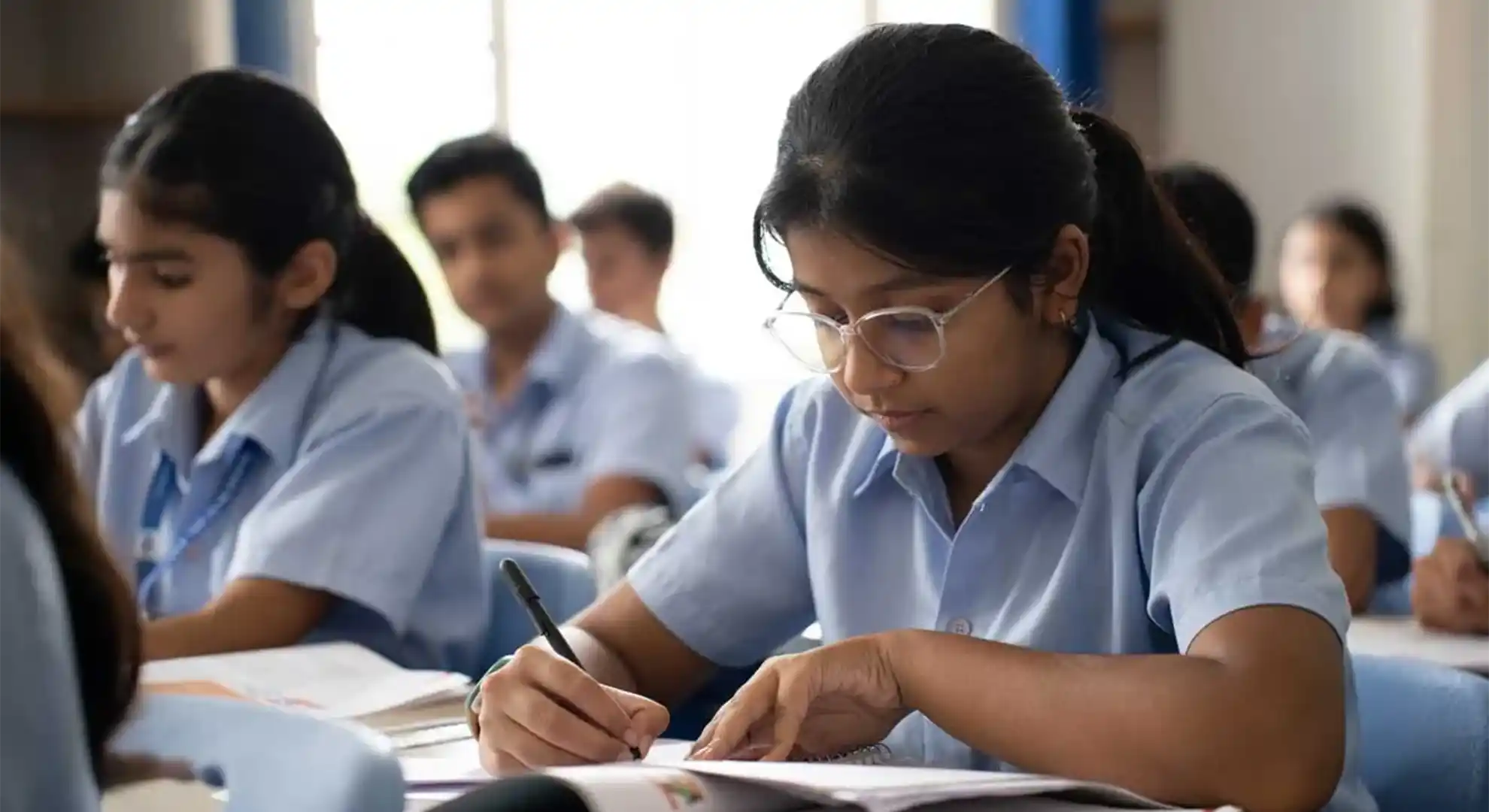
Educators in the UAE believe CBSE’s proposed Global Curriculum could bring major changes to Indian-curriculum schools overseas by placing greater emphasis on global skills, innovation, research, and practical learning. The initiative is expected to better prepare students for international higher education and careers while making CBSE education more competitive on the global stage.
Under the proposed reforms, CBSE-affiliated schools outside India would eventually adopt the Global Curriculum framework as part of a wider effort to modernise the board’s educational approach. The objective is to align learning standards more closely with international expectations and meet educational requirements in different countries where CBSE schools operate.
Although the programme was initially expected to be introduced in 2026, discussions are still ongoing. Education leaders involved in the process say the framework remains under development and is being refined through consultations with various stakeholders. The UAE, which hosts a significant number of CBSE schools, is closely monitoring the initiative due to its potential impact on thousands of students.
Ongoing consultations shaping the curriculum
School leaders say the framework is evolving through continuous engagement with educators, students, parents, and academic experts.
According to Pramod Mahajan, Principal of Sharjah Indian School, the development process includes extensive discussions involving multiple groups to ensure that different viewpoints are reflected in the final curriculum. He explained that feedback from students, families, teachers, subject specialists, and external organisations is being carefully considered before the framework is finalised.
Mahajan noted that current proposals suggest a stronger focus on STEM disciplines, the inclusion of international languages, and a competency-based learning model. The curriculum is also expected to encourage global citizenship and equip students with skills relevant to future academic and professional environments.
He added that the initiative is intended to appeal to a broader student population rather than serving only Indian learners. The framework is being designed to align with admission requirements at leading universities worldwide, ensuring students are better prepared for higher education opportunities across different countries.
While competency-based learning already forms part of the existing CBSE structure, Mahajan explained that the Global Curriculum would likely offer greater flexibility and a wider range of subject choices. Students could benefit from customised learning pathways that better reflect their interests, career goals, and cultural backgrounds.
For example, while subjects such as Indian history would continue to be taught, learners may have more freedom to choose alternative academic tracks. This shift would support a transition from a primarily localised educational model to one with a broader international outlook.
Relevance for UAE classrooms
Education leaders in the UAE believe the proposed curriculum could strengthen the connection between classroom learning and real-world global developments.
Prarthana Kale, Principal of The Indian Academy Dubai, said a more internationally aligned curriculum would allow students to engage with topics that are increasingly important in today’s world. Areas such as sustainability, artificial intelligence, innovation, entrepreneurship, space science, and cultural diversity could be explored through practical and interdisciplinary learning experiences.
She explained that this educational direction closely reflects the UAE’s national priorities, which focus on innovation, sustainability, competitiveness, and global citizenship. According to Kale, the goal extends beyond academic achievement to helping students develop the ability to apply knowledge effectively in both local and international contexts.
Supporting university and career readiness
School leaders also believe the reforms could improve students’ prospects for admission to international universities and help them adapt to evolving career landscapes.
Shiny Davison, Principal of Woodlem Park School in Ajman, described the initiative as a timely and forward-looking development. She noted that many of the educational practices highlighted in the proposed framework—including experiential learning, competency-based assessment, critical thinking, and interdisciplinary studies—are already gaining prominence across schools in the GCC region.
Davison said the value of the Global Curriculum lies in providing a more structured and unified approach that can create consistency among CBSE schools operating internationally. She believes this alignment will help schools deliver a more globally relevant educational experience.
According to her, the curriculum has the potential to significantly strengthen students’ competitiveness in the international higher education sector. By promoting research capabilities, innovation, problem-solving, and practical application of knowledge, it could better equip learners for university studies and future careers in an increasingly interconnected world.


Moving Beyond Traditional Learning Models
Education experts believe that one of the most significant outcomes of the proposed CBSE Global Curriculum could be the shift from traditional rote learning towards a more inquiry-driven and student-centred model of education. Rather than focusing primarily on memorisation and examination performance, the framework is expected to encourage analytical thinking, creativity, collaboration, and problem-solving skills. Such competencies are increasingly valued by universities and employers worldwide, particularly as industries adapt to rapid technological advancements and changing workforce demands. Educators say students may benefit from project-based learning, research assignments, and interdisciplinary activities that help them apply classroom knowledge to real-life situations. This approach could also strengthen communication skills, leadership abilities, and adaptability—qualities considered essential for success in a global environment. Furthermore, schools implementing the curriculum may have greater opportunities to build partnerships with international institutions, participate in cross-border academic programmes, and expose students to diverse perspectives and cultures. While many details of the framework are still under discussion, school leaders view the initiative as a potential step towards making CBSE education more flexible, inclusive, and globally recognised. They stress that successful implementation will require careful planning, teacher training, and ongoing stakeholder engagement to ensure that the curriculum meets the needs of students while maintaining the strong academic foundations for which CBSE schools are known.
Enhancing Skills for the Future Economy
Another key advantage highlighted by educators is the curriculum’s potential to better prepare students for emerging industries and future job markets. As economies around the world increasingly rely on technology, innovation, and knowledge-based sectors, schools are under growing pressure to equip students with skills that extend beyond traditional academic subjects. The proposed framework is expected to place greater emphasis on digital literacy, artificial intelligence, data analysis, entrepreneurship, and collaborative problem-solving. School leaders believe this could help students develop a stronger understanding of real-world challenges and prepare them for careers that may not yet exist today. By integrating practical experiences with academic learning, the curriculum aims to foster adaptability and lifelong learning—qualities that are becoming essential in a rapidly changing global economy.
Opportunities and Challenges Ahead
While the proposed reforms have been largely welcomed, educators acknowledge that successful implementation will require significant preparation. Schools may need to invest in teacher training, upgraded learning resources, and new assessment methods to fully embrace the curriculum’s objectives. Parents and students will also need clear guidance on how the changes could affect subject choices, university admissions, and future career pathways. Despite these challenges, many school leaders remain optimistic about the initiative’s long-term impact. They believe the curriculum has the potential to create a more balanced educational experience that combines academic excellence with practical skills, global awareness, and personal development. If implemented effectively, the framework could position CBSE schools among the most competitive and internationally recognised educational systems worldwide.