
**Teaching opportunities are increasing across the UAE as schools accelerate recruitment efforts and look for qualified educators to join their teams ahead of the upcoming 2026-27 academic session.**
UAE Education Jobs See Growth as Schools Search for Teachers Before 2026-27 Year Begins.
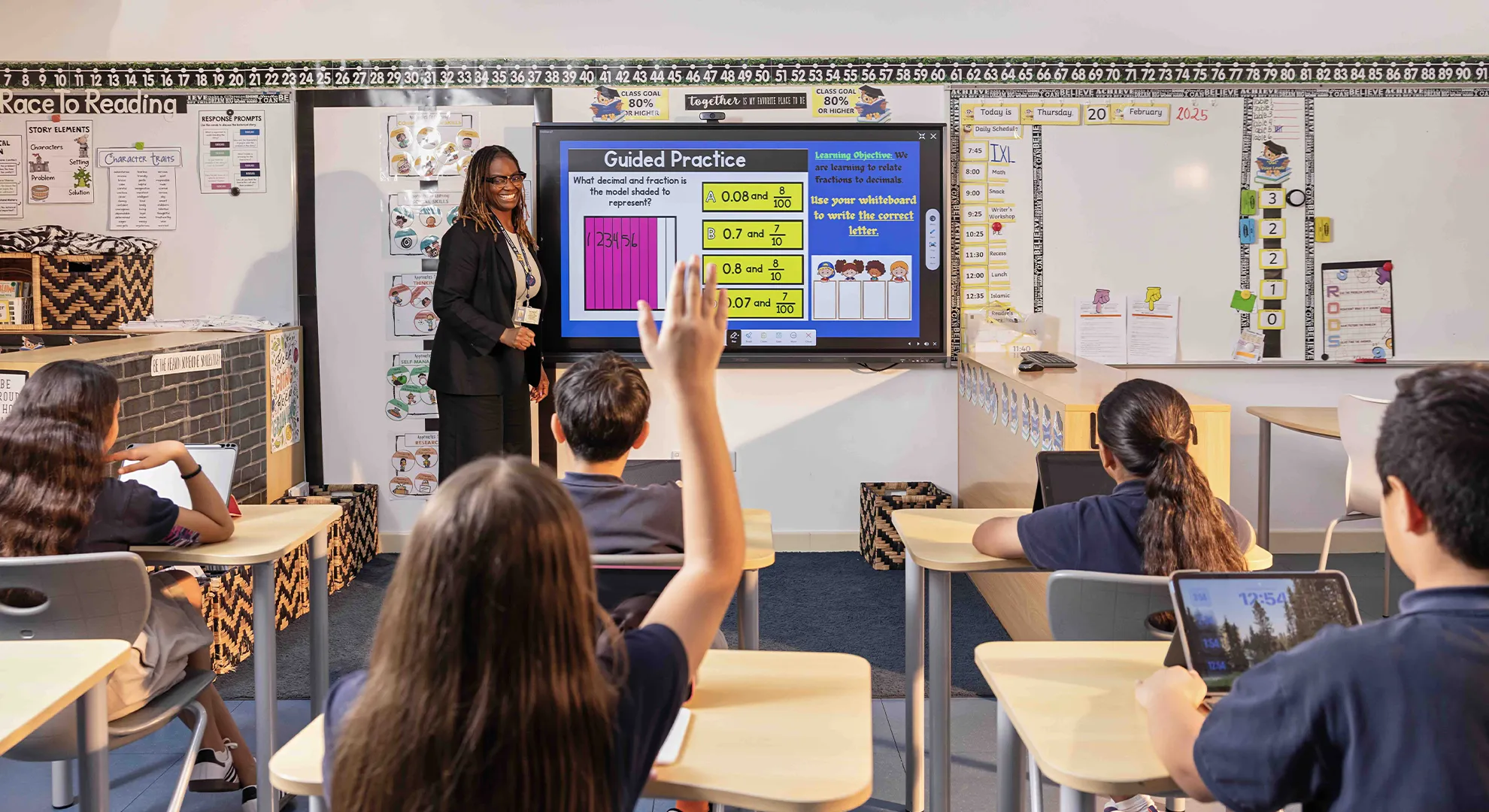
As schools across the UAE prepare for the upcoming 2026-27 academic year, education providers are increasing their efforts to strengthen teaching teams and ensure classrooms are staffed with skilled and experienced educators.
With student numbers continuing to rise and several institutions expanding their operations through new campuses and additional programmes, demand for qualified teachers remains strong across the education sector. Schools are actively searching for professionals who can support growing academic needs, particularly in specialised areas where demand has increased significantly.
Subjects related to science, technology, engineering and mathematics (STEM), along with Artificial Intelligence, Computer Science, and Early Years education, are among the areas seeing the highest recruitment activity. Schools are looking for teachers who not only have strong subject knowledge but can also adapt to modern teaching methods and changing classroom environments.
Although many schools begin recruitment months in advance and have already secured a large portion of their required staff, hiring activity continues as institutions respond to increasing enrolment numbers and evolving curriculum requirements.
The expansion of the UAE’s education sector has created more opportunities for teaching professionals from different parts of the world. International educators continue to view the country as an attractive destination due to its modern school facilities, multicultural environment, competitive career opportunities, and growing focus on educational innovation.
School leaders say that the role of teachers is changing as classrooms become more technology-driven and focused on developing future-ready skills among students. As a result, schools are no longer looking only for academic qualifications but are also prioritising qualities such as creativity, flexibility, communication skills, and the ability to connect with students from diverse backgrounds.
Dino Varkey, Group CEO of GEMS Education, explained that while professional qualifications and expertise in specific subjects remain essential, schools are increasingly interested in educators who bring a wider range of skills and personal qualities to the classroom.
He highlighted that successful teachers today need to demonstrate adaptability, emotional awareness, cultural understanding, and a strong commitment to supporting students’ overall development and wellbeing.
According to education leaders, the most effective teachers are those who go beyond traditional instruction. They encourage students to ask questions, develop independent thinking, explore new ideas, and build confidence in their abilities.
Modern educators are expected to play a larger role in preparing students for a rapidly changing world, where technology, innovation, and problem-solving skills are becoming increasingly important. Schools are therefore seeking teachers who can inspire curiosity and help learners develop the abilities needed for future careers.
The growing importance of Artificial Intelligence and digital learning tools has also influenced recruitment priorities. Teachers with experience using technology in education are becoming increasingly valuable as schools continue integrating advanced tools into lessons and learning systems.
In addition to technical knowledge, schools are focusing on teachers who can create supportive learning environments. Student wellbeing, inclusion, and personalised education have become key priorities, with educators expected to understand and respond to the different needs of learners.
Recruitment strategies across the UAE education sector now place greater emphasis on finding teachers who can combine academic excellence with strong interpersonal skills. Schools believe that a balanced approach helps create classrooms where students feel motivated, supported, and prepared for future challenges.
Education experts say that the UAE’s continued investment in schools and learning infrastructure is helping strengthen its position as a global education hub. The country’s diverse population and international school network continue to attract teaching professionals seeking career growth and new experiences.
As the new academic year approaches, schools are expected to continue hiring for remaining positions while also focusing on retaining experienced educators. Maintaining a stable teaching workforce has become an important priority as institutions recognise the impact of teacher quality on student outcomes.
School administrators say that attracting and keeping talented teachers requires more than offering employment opportunities. Professional development, supportive leadership, career progression, and a positive workplace culture are becoming increasingly important factors in retaining skilled educators.
With enrolment growth expected to continue, the demand for qualified teachers is likely to remain strong in the coming years. Schools across the UAE are preparing not only to fill immediate vacancies but also to build long-term teaching teams capable of supporting the country’s expanding education goals.
Overall, the UAE education sector is entering the 2026-27 academic year with a strong focus on innovation, quality teaching, and future-focused learning. As schools continue to expand, educators who combine expertise, adaptability, and a passion for student development are expected to remain highly sought after.
Strong demand for STEM and AI educators
Education providers across the UAE are continuing their efforts to attract and retain skilled teachers as preparations for the 2026-27 academic year move forward. School groups are relying on early recruitment strategies, international hiring networks, and long-term workforce planning to ensure they have experienced educators ready for the new academic cycle.
Nicki Williams, Director of Education at Taaleem, explained that the organisation begins its recruitment activities well in advance of the school year. By starting the process early, the group has been able to identify suitable candidates from different countries and complete most of its hiring requirements ahead of time.
She said that the majority of teaching positions for the upcoming academic year have already been secured following a broad global recruitment campaign aimed at attracting highly qualified education professionals.
According to Williams, the need for new teachers is not primarily being driven by staff leaving their roles. Instead, many vacancies are emerging because of expansion, increasing student numbers, and the continued growth of schools within the group.
She highlighted that strong teacher retention levels have helped maintain workforce stability, allowing schools to focus more on adding capacity rather than replacing large numbers of departing employees.
Taaleem’s recruitment approach involves searching internationally for educators who meet the academic and professional standards required by its schools. The organisation continues to look beyond traditional hiring methods by targeting teachers with strong experience, specialised skills, and the ability to contribute positively to diverse learning environments.
Williams said that early planning has played an important role in ensuring schools are prepared before the start of the academic year. By conducting recruitment campaigns months in advance, the group can carefully assess candidates and select teachers who align with the educational goals of its institutions.
She added that while most positions have already been filled, recruitment remains active in selected areas where additional teachers are needed due to rising enrolment and growing demand.
One example of this expansion is Harrow International School Dubai, which is scheduled to welcome its first group of students in August 2026. Williams said the recruitment campaign for the new school attracted significant interest from educators around the world.
The large number of applications received reflects the reputation of both Taaleem and the Harrow brand in the international education sector. Thousands of teachers expressed interest in joining the new institution, demonstrating strong global demand for opportunities within UAE schools.
The launch of new campuses and expansion of existing schools are contributing to continued demand for qualified teaching professionals. As the UAE education sector grows, schools are competing to attract educators who can deliver high-quality learning experiences and support students’ academic development.
However, Williams noted that competition remains particularly strong when recruiting teachers for specialist subjects. Mathematics and Science continue to be among the most challenging areas for schools due to consistently high demand both within the UAE and internationally.
She explained that schools across the region are seeking experienced professionals in these fields, making recruitment highly competitive. Finding teachers with strong subject knowledge, classroom experience, and the ability to engage students effectively remains a priority.
The shortage of specialist educators has encouraged schools to strengthen their recruitment strategies and expand their search internationally. Institutions are increasingly looking for candidates who can bring innovation, adaptability, and modern teaching approaches into classrooms.
Williams said Taaleem continues to follow a balanced recruitment model that combines international talent with teachers who already have experience working within the UAE education system.
She explained that educators familiar with the local environment bring important advantages. Teachers who have previously worked in UAE schools often understand the expectations of families, the structure of the education system, and the unique requirements of teaching in a multicultural setting.
Local experience can also help educators adapt more quickly to the pace and expectations of the UAE’s education sector, where schools continue to focus on academic excellence, innovation, and student wellbeing.
At the same time, international recruitment remains essential because it allows schools to bring in a wide range of perspectives, teaching methods, and expertise from around the world.
Williams said the combination of local understanding and international experience creates a stronger teaching workforce. A diverse group of educators can provide students with broader perspectives while maintaining an understanding of the UAE’s educational priorities.
She emphasised that successful schools require teachers who are not only academically qualified but also capable of connecting with students, working collaboratively, and adapting to changing educational needs.
The evolving nature of education means teachers are now expected to support more than traditional classroom learning. Schools are increasingly looking for educators who can encourage creativity, develop critical thinking skills, use technology effectively, and prepare students for future challenges.
Recruitment decisions are therefore based on a range of factors, including qualifications, teaching experience, communication abilities, and commitment to student growth.
Education leaders say that attracting the right teachers is essential as the UAE continues to strengthen its position as a global education hub. With more families choosing the country for its international schools and high-quality learning opportunities, maintaining strong teaching teams has become a key priority.
As the 2026-27 academic year approaches, schools across the UAE are expected to continue refining their recruitment strategies while focusing on both expansion and retention.
The overall trend shows that demand for experienced educators remains strong, especially in specialist areas. Schools that can successfully attract talented teachers while supporting their professional growth are likely to remain competitive in the rapidly developing education sector.
For Taaleem and other major education groups, the focus is not only on filling vacancies but also on building long-term teams of educators who can contribute to student success and support the continued growth of UAE schools.


Retention becoming as important as recruitment
Schools across the UAE are continuing to strengthen their teaching teams ahead of the 2026-27 academic year, with education providers increasing their focus on recruiting skilled professionals in high-demand areas. As student numbers rise and learning requirements continue to change, schools are looking for educators who can bring subject expertise, modern teaching skills, and the ability to adapt to evolving classroom environments.
Punit MK Vasu, CEO of The Indian High Group of Schools, said the organisation will maintain its recruitment efforts for the upcoming academic year as demand grows across several areas of education. He explained that the changing nature of learning has increased the need for teachers with expertise in science, technology, and other future-focused disciplines.
According to Vasu, subjects linked to STEM education are becoming increasingly important as schools prepare students for a world shaped by innovation and technology. Recruitment demand remains particularly strong for teachers specialising in Mathematics, Science, Artificial Intelligence, Computer Science, and other interdisciplinary fields that combine multiple areas of learning.
He noted that the role of teachers has expanded beyond traditional subject delivery. Modern educators are expected to help students develop problem-solving abilities, creativity, digital awareness, and critical thinking skills that will support them in future academic and professional environments.
Along with STEM-related positions, the school group is also focusing on hiring teachers for Early Years and Primary education. School leaders say these foundational stages play an important role in shaping students’ learning habits, confidence, and overall development.
Vasu explained that early education requires teachers who understand child development and can create engaging learning experiences that support curiosity and exploration. As schools continue to expand, the demand for educators who can support younger learners is also increasing.
While global employment trends and international talent markets have experienced some uncertainty, Vasu said the organisation remains confident about attracting qualified educators through a broad and flexible recruitment approach.
He explained that the school group has developed a recruitment system that allows it to identify suitable candidates throughout the year rather than relying only on seasonal hiring. This includes maintaining international connections, tracking potential talent, and using online recruitment platforms to reach educators from different regions.
By adopting a wider recruitment strategy, the organisation aims to maintain access to a strong pool of teaching professionals and respond quickly to changing staffing needs.
Vasu said that finding new teachers is only one part of building a successful education system. Retaining experienced educators is equally important because stability among staff helps create a consistent learning environment for students.
He highlighted that the group continues to invest in initiatives designed to support teachers throughout their careers. These include professional training opportunities, leadership development programmes, employee wellbeing support, and a workplace culture that encourages growth.
According to Vasu, schools must create environments where teachers feel valued and supported if they want to build long-term relationships with talented educators. Providing opportunities for career advancement and skill development helps teachers remain motivated while also improving the quality of education offered to students.
He added that the expectations for teachers have changed significantly in recent years. Schools are now seeking professionals who combine strong academic knowledge with emotional intelligence, flexibility, and confidence in using technology.
Vasu said effective teachers today need to understand different learning styles and create personalised experiences that meet the needs of individual students. The ability to use digital platforms and AI-supported tools has also become an increasingly important skill in modern classrooms.
Educators are expected to use technology not as a replacement for teaching but as a tool to improve engagement, support learning outcomes, and provide students with more interactive experiences.
At Springdales School Dubai, recruitment activity is also continuing across multiple subject areas as the institution prepares for ongoing academic requirements.
David Jones, Principal of Springdales School Dubai, said the school has already started its recruitment process and continues to search for teachers across different stages of education.
He explained that hiring needs are not limited to one specific department. The school is looking for educators across various levels, including both core academic subjects and specialised skill-based areas.
Jones said recruitment decisions are influenced by a combination of factors, including replacing teachers when necessary and responding to curriculum expansion, particularly within the secondary section of the school.
As educational programmes become broader and more specialised, schools require teachers who can support new subjects and emerging areas of learning. This includes fields such as Artificial Intelligence and Social Studies, which are becoming increasingly relevant in modern education systems.
Although the school’s expansion plans remain carefully managed, Jones said staffing decisions are made through detailed planning to ensure the right balance between student needs and available teaching resources.
He added that staff retention continues to be one of the school’s strengths. Lower levels of teacher turnover have helped maintain consistency and stability, allowing students to benefit from experienced educators who understand the school’s approach and values.
Jones explained that continuity among teachers contributes to a stronger learning environment because students and families benefit from familiar staff members and consistent educational practices.
Beyond academic qualifications and professional certifications, Jones said schools are increasingly focusing on broader qualities when selecting teachers.
He explained that successful educators need to understand modern teaching methods, support 21st-century learning skills, and confidently use technology to improve classroom experiences.
Teachers who can combine traditional teaching expertise with innovative approaches are becoming increasingly valuable as schools continue adapting to new educational expectations.
Meanwhile, Woodlem Education is also expanding its recruitment efforts as student enrolment continues to increase across its campuses.
Noufal Ahmed, Founder and Managing Director of Woodlem Education, said the organisation is preparing its staffing plans for the 2026-27 academic year and expects to recruit educators across different grade levels, from Early Years through Grade 12.
He explained that demand is especially strong for teachers working in early childhood education as well as core subjects such as English, Mathematics, and Science.
Ahmed said the need for additional teachers is being driven by multiple factors, including rising student numbers and the expansion of educational programmes through new projects.
As schools grow, maintaining high teaching standards becomes a major priority. Ahmed said the organisation is looking for educators who are not only qualified and experienced but also genuinely committed to helping students achieve success.
He emphasised that passion for teaching, a student-focused approach, and the ability to connect with learners are qualities that schools increasingly value during recruitment.
Ahmed added that educators with previous UAE teaching experience are especially appreciated because they bring knowledge of the local education environment and understand the expectations of students and families.
Teachers familiar with the UAE system often have a better understanding of the country’s educational priorities, cultural diversity, and the standards expected within schools.
He said candidates who understand the UAE’s vision for education can contribute more effectively to creating learning environments that prepare students for future opportunities.
Overall, education leaders across the UAE say recruitment is becoming more focused on quality rather than simply filling vacancies. Schools are searching for teachers who can support academic excellence while also encouraging creativity, innovation, and personal growth among students.
With continued expansion in the education sector, demand for skilled educators is expected to remain strong. Schools are not only looking for teachers who can deliver lessons but also professionals who can inspire students, embrace change, and contribute to the future development of education in the UAE.