
By combining artificial intelligence with real-time traffic monitoring, Dubai Police are strengthening road safety measures, identifying potential risks early and taking proactive steps to reduce the likelihood of accidents.
Dubai Police Turn to AI and Traffic Analytics to Enhance Accident Prevention.
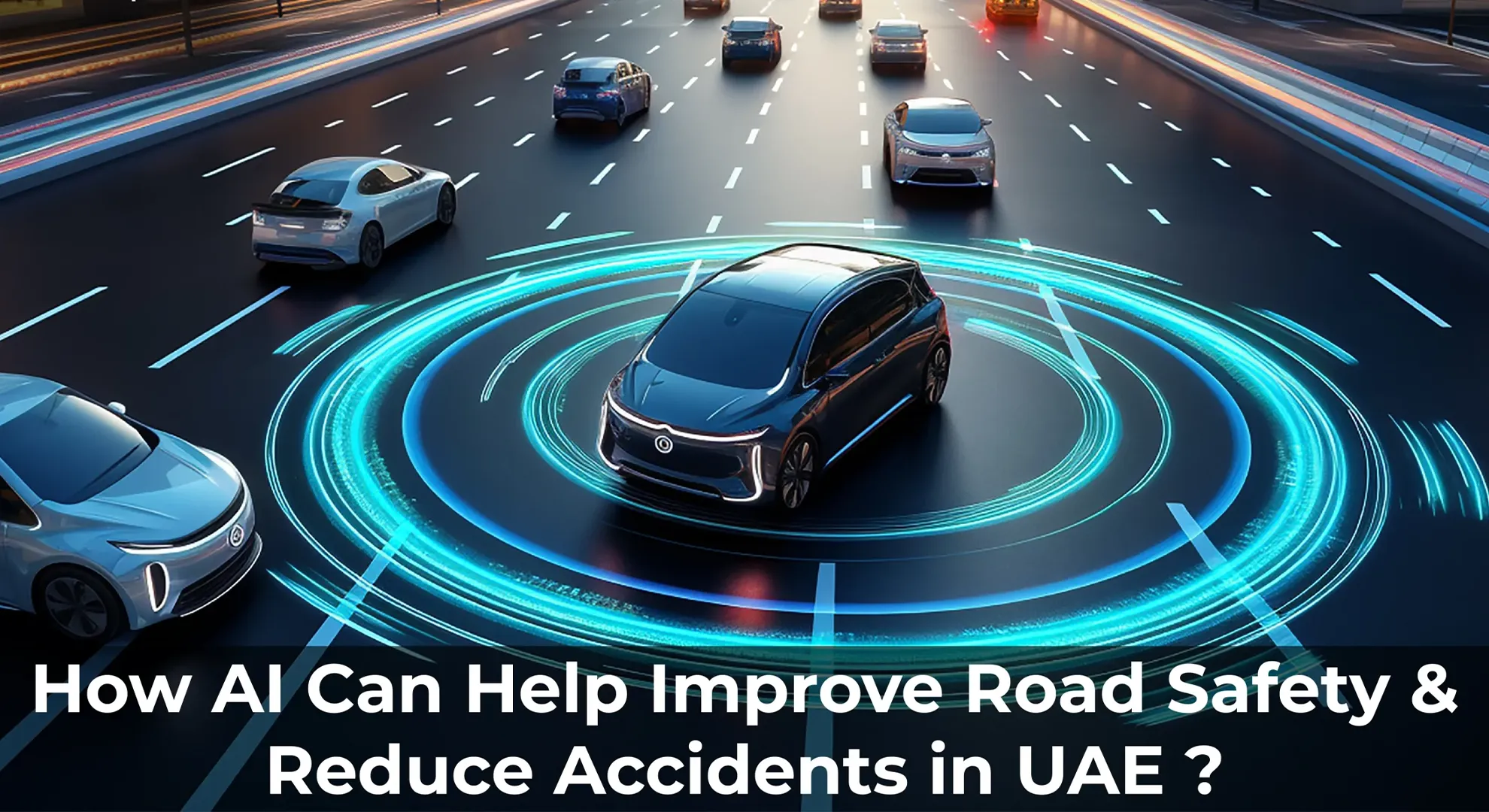
How Artificial Intelligence Is Transforming Road Safety Efforts in Dubai
Dubai Police are increasingly relying on artificial intelligence, advanced analytics and smart traffic technologies to improve road safety, detect dangerous driving patterns and reduce the likelihood of accidents across the emirate.
As cities around the world explore new ways to manage growing traffic volumes, Dubai has embraced digital innovation to strengthen its transportation network. Modern technologies now play a central role in helping authorities monitor roads, identify risks and take preventive action before minor issues develop into serious incidents.
At the heart of these efforts is an intelligent traffic management ecosystem capable of collecting and processing vast amounts of information from across the city’s road network. Through a combination of AI-powered tools, surveillance systems, radar technology and real-time data analysis, traffic authorities are able to gain a comprehensive understanding of road conditions at any given moment.
Officials say the goal is not only to respond quickly when accidents occur but also to predict where problems are most likely to emerge and intervene before they happen. This proactive approach represents a significant shift from traditional traffic enforcement methods, which often focused primarily on responding to violations and incidents after they had already taken place.
By continuously monitoring vehicle movements and traffic conditions, Dubai Police can identify patterns that may indicate an increased risk of collisions. Information gathered from multiple sources is analyzed to determine where traffic congestion is building, where speeding is becoming more common and which locations may require additional attention from enforcement teams.
The integration of artificial intelligence has significantly enhanced the ability of authorities to process complex traffic data. Advanced algorithms can examine large volumes of information within seconds, identifying trends that would be difficult for human operators to detect manually.
These systems evaluate a variety of factors, including traffic density, average vehicle speeds, road usage patterns and historical accident records. By combining current conditions with long-term data, authorities can develop a clearer picture of where potential hazards may arise.
For example, if traffic monitoring systems detect an unusual increase in speeding activity along a particular road segment, the information can be immediately flagged for further assessment. Enforcement resources can then be deployed to the location, helping reduce the risk of dangerous driving behaviors leading to accidents.
Officials explain that artificial intelligence allows them to move beyond reactive policing by creating a predictive framework for road safety. Instead of waiting for incidents to occur, the technology helps identify warning signs and supports preventive decision-making.
One of the most significant advantages of the system is its ability to operate continuously throughout the day. Unlike traditional monitoring methods that rely heavily on manual observation, AI-powered platforms can analyze traffic conditions around the clock, providing a constant stream of insights to traffic management teams.
This continuous monitoring capability enables authorities to respond more rapidly to changing road conditions. Whether caused by heavy traffic, adverse weather, special events or unusual driving behavior, emerging risks can be identified and addressed with greater speed and accuracy.
Dubai Police indicate that real-time traffic analysis has become an essential component of their road safety strategy. Live information collected from various sources provides immediate visibility into traffic conditions across different parts of the emirate.
The system tracks vehicle flows, monitors speed levels and examines movement patterns throughout the road network. This information is processed and analyzed to identify areas where intervention may be necessary.
Traffic specialists note that certain locations may experience recurring safety concerns due to factors such as high traffic volumes, frequent speeding or complex road layouts. By analyzing historical records alongside current data, authorities can identify these locations and implement targeted safety measures.
Predictive analytics plays an important role in this process. Historical accident reports, enforcement records and traffic trends are examined to determine which areas may face elevated risks in the future. This allows officials to allocate resources more efficiently and prioritize locations where preventive action could have the greatest impact.
The use of technology has also improved the effectiveness of traffic enforcement operations. Smart radar systems and automated monitoring tools help identify violations more accurately and quickly than conventional methods.
When excessive speed is detected within a specific area, authorities can respond by increasing surveillance, deploying additional enforcement resources or introducing targeted safety initiatives. Such measures are designed to discourage dangerous behavior and encourage compliance with traffic regulations.
According to traffic experts, speeding remains one of the leading contributors to serious road accidents worldwide. High vehicle speeds reduce reaction times, increase stopping distances and raise the likelihood of severe injuries during collisions. For this reason, monitoring and controlling speed continues to be a major focus of road safety programs.
Artificial intelligence enhances these efforts by helping authorities identify not only individual violations but also broader behavioral trends. For instance, if data reveals that speeding incidents regularly occur during certain times of day or on specific road segments, preventive measures can be implemented accordingly.
The technology also assists in identifying emerging risks that may not yet have resulted in accidents. Early detection allows authorities to act before dangerous situations escalate, supporting a more proactive and preventive approach to traffic management.
Beyond speeding enforcement, AI systems can contribute to a wider understanding of driver behavior. Traffic analysts can examine patterns related to sudden braking, rapid acceleration, lane-changing activity and congestion-related driving habits. These insights help authorities better understand how road users interact with the transportation network and where safety improvements may be needed.
Officials emphasize that technology is not intended to replace human judgment but rather to enhance decision-making capabilities. Traffic officers continue to play a vital role in road safety operations, using data-driven insights to guide enforcement strategies and allocate resources more effectively.
The combination of human expertise and advanced technology creates a more responsive and efficient traffic management framework. While AI systems identify trends and generate alerts, officers can assess situations on the ground and determine the most appropriate course of action.
As urban populations continue to grow and transportation demands increase, managing traffic safely becomes an increasingly complex challenge. Smart technologies provide authorities with powerful tools to address these challenges while improving overall mobility and public safety.
Dubai’s investment in intelligent traffic systems reflects a broader commitment to innovation and digital transformation. The city has positioned itself as a leader in adopting advanced technologies across multiple sectors, including transportation, public safety and urban planning.
Road safety remains a key priority within this vision. By leveraging artificial intelligence and data analytics, authorities aim to create safer roads for residents, commuters and visitors alike.
Experts believe that predictive traffic management represents the future of road safety. Rather than relying solely on traditional enforcement methods, modern systems use data to anticipate risks and guide preventive interventions. This approach can help reduce accidents, improve traffic flow and enhance the overall driving experience.
The benefits extend beyond enforcement activities. Better traffic monitoring can also support emergency response operations by providing real-time information about incidents, congestion and road conditions. Faster access to accurate information enables emergency services to respond more efficiently when needed.
Furthermore, data-driven traffic management can contribute to improved infrastructure planning. By understanding how roads are used and where recurring safety concerns exist, authorities can make more informed decisions about future transportation projects and road improvements.
As artificial intelligence continues to evolve, experts anticipate even greater capabilities in traffic safety and transportation management. Future systems may incorporate additional predictive features, enhanced automation and more sophisticated analytical tools capable of identifying complex risk factors with increasing precision.
For now, Dubai Police continue to expand their use of intelligent technologies as part of a comprehensive effort to strengthen road safety across the emirate. Through the integration of real-time monitoring, predictive analytics and targeted enforcement strategies, authorities are working to reduce accidents before they occur rather than simply responding after the fact.
This shift toward prevention highlights the growing role of technology in modern policing and transportation management. By transforming vast amounts of traffic information into actionable insights, artificial intelligence is helping create a safer and more efficient road network for everyone who travels through Dubai each day.
How do these technologies help monitor traffic?
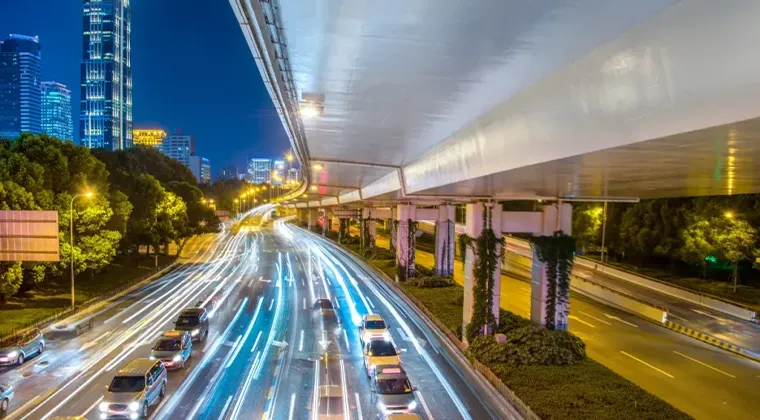
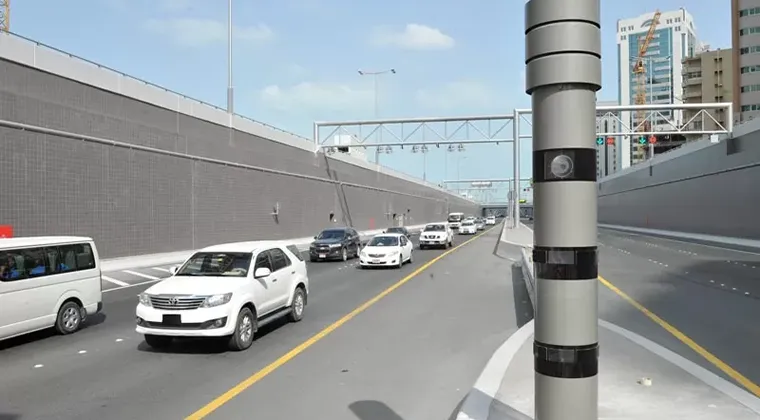
Smart Technology Strengthens Dubai Police Traffic Management and Road Safety Efforts
Dubai Police have significantly expanded their use of advanced digital technologies to improve traffic management, strengthen road safety and enhance enforcement operations across the emirate. Through the integration of artificial intelligence, predictive analytics and intelligent monitoring systems, authorities are adopting a more proactive approach to identifying traffic risks and maintaining smooth traffic flow.
Officials say modern traffic management increasingly relies on a network of interconnected technologies that continuously collect, process and analyze information from roads throughout the city. These systems provide valuable insights that help authorities detect potential hazards, monitor traffic conditions and support decision-making in real time.
Among the most important innovations are predictive technologies designed to identify potential risks before they develop into serious incidents. By analyzing large volumes of traffic data, these systems can recognize patterns and generate early alerts about situations that may require attention from traffic management teams.
Rather than focusing solely on responding to accidents after they occur, authorities are using data-driven tools to anticipate problems and implement preventive measures. This proactive strategy allows traffic officials to address safety concerns at an earlier stage, reducing the likelihood of disruptions and improving overall road conditions.
Artificial intelligence has become a key component of this evolving approach. AI-powered platforms continuously evaluate information gathered from various sources, including traffic cameras, radar systems and monitoring devices positioned across the road network. These systems are capable of processing information at high speed, allowing authorities to identify unusual patterns or emerging risks almost instantly.
One of the primary advantages of artificial intelligence is its ability to observe and interpret driver behavior in real time. The technology can detect activities that may increase the risk of accidents or traffic disruptions, providing valuable information to enforcement teams and traffic control centers.
Officials explain that these intelligent systems are not static tools but continuously improve over time. Through advanced machine-learning capabilities, the platforms can adapt to changing traffic conditions, recognize new behavioral trends and refine their ability to identify potential risks.
As additional data is collected, the systems become more effective at understanding traffic dynamics and supporting enforcement strategies. This ongoing learning process enables authorities to expand the use of technology across a broader range of traffic-related challenges.
Dubai Police indicate that the flexibility of these systems allows them to address multiple forms of traffic violations and road safety concerns. New applications can be developed and integrated as traffic patterns evolve and emerging issues are identified.
One area where technology has proven particularly valuable is in addressing excessive vehicle noise. Authorities have introduced specialized solutions designed to identify vehicles that create significant disturbances through modified exhaust systems or other sources of excessive noise pollution.
Using intelligent monitoring tools, officials can detect unusual sound levels and support enforcement efforts aimed at reducing disturbances in residential areas and public spaces. This capability reflects the broader role of technology not only in traffic safety but also in improving quality of life for residents.
Beyond enforcement activities, predictive analytics has become an important planning tool for managing transportation systems throughout the emirate. Traffic authorities increasingly rely on data analysis to understand how vehicles move across the city and how traffic conditions change throughout the day.
By examining historical records alongside current traffic information, analysts can identify recurring patterns and forecast future conditions with greater accuracy. This information helps authorities prepare for periods of increased demand and implement strategies to reduce congestion.
Major public events represent one area where predictive planning plays a particularly important role. Large gatherings, sporting events, exhibitions and celebrations often attract significant numbers of visitors, placing additional pressure on transportation networks.
Through advanced traffic modeling and behavioral analysis, authorities can estimate how these events may affect road usage and identify areas likely to experience increased congestion. This enables planners to implement traffic management measures before problems arise.
For example, resources can be deployed strategically, traffic signals can be adjusted and alternative routes can be promoted to reduce bottlenecks and improve overall mobility. Such measures contribute to a smoother travel experience for both residents and visitors.
Officials note that understanding driver behavior is essential to effective traffic planning. By studying how motorists respond to different road conditions, traffic patterns and enforcement measures, authorities can develop more targeted solutions that address specific challenges.
These insights support a range of initiatives aimed at improving traffic flow, reducing delays and enhancing safety. Data-driven planning allows authorities to make informed decisions based on actual road usage rather than assumptions, resulting in more efficient management of transportation infrastructure.
Technology also plays a critical role in strengthening communication between field officers and command centers. Dubai Police have established an integrated network that connects traffic patrols with surveillance systems, monitoring platforms and operational control centers.
This interconnected structure ensures that information can be shared rapidly across different departments and response teams. Officers on patrol receive timely updates regarding traffic incidents, congestion levels and potential violations, allowing them to respond more effectively to changing situations.
Real-time communication enhances situational awareness and improves coordination between personnel working in different locations. Instead of relying solely on reports from individual officers, authorities can access a comprehensive view of traffic conditions across the city.
The network includes extensive camera coverage and monitoring technologies capable of providing live information from key roads and intersections. This continuous flow of information allows command centers to track developments as they occur and coordinate appropriate responses.
When accidents, congestion or traffic violations are detected, alerts can be transmitted immediately to relevant patrol units. Rapid notification enables officers to reach affected locations more quickly, reducing response times and helping minimize disruptions.
Officials emphasize that speed of response is often a critical factor in traffic management. Faster intervention can prevent minor incidents from escalating, reduce congestion caused by accidents and improve safety for road users.
The integration of smart technologies also helps authorities prioritize resources more effectively. Data generated by monitoring systems identifies locations where immediate attention may be required, ensuring that officers are directed to areas with the greatest need.
This targeted approach improves operational efficiency by allowing enforcement teams to focus on specific issues rather than relying on routine patrol patterns alone. As a result, resources can be deployed more strategically and with greater impact.
Traffic analysts continue to use information generated by these systems to evaluate performance and identify opportunities for further improvement. Insights gained from daily operations contribute to the ongoing development of traffic management strategies and technological capabilities.
Authorities believe that combining artificial intelligence, predictive analytics and real-time monitoring creates a more responsive and adaptive transportation management framework. By leveraging advanced technology, Dubai Police can address traffic challenges more effectively while supporting broader road safety objectives.
As the emirate continues to grow and attract increasing numbers of residents and visitors, the demand for efficient traffic management solutions is expected to rise. Smart technologies provide valuable tools for meeting these challenges and maintaining safe, reliable transportation networks.
Dubai Police view innovation as a central element of their long-term traffic safety strategy. Through continuous investment in advanced systems and data-driven solutions, authorities aim to enhance enforcement capabilities, improve traffic flow and reduce the risk of accidents across the city’s road network.
The ongoing integration of intelligent technologies into daily operations demonstrates how modern policing is evolving beyond traditional enforcement methods. By combining human expertise with powerful analytical tools, authorities are creating a more proactive, efficient and effective approach to traffic management that benefits all road users.
Why traffic awareness campaigns are important

Dubai Police Emphasise Education and Artificial Intelligence as Key Pillars of Future Road Safety Strategy
While advanced technology and strict enforcement continue to play a critical role in maintaining road safety, Dubai Police believe that long-term improvements in driver behavior depend equally on education and public awareness. Authorities say creating a culture of responsible driving requires more than monitoring violations and issuing penalties; it also involves helping motorists understand the importance of safe and lawful conduct on the road.
According to traffic officials, awareness campaigns remain one of the most effective tools for influencing driving habits and encouraging voluntary compliance with traffic regulations. Through educational initiatives, authorities aim to increase public understanding of road safety principles, promote responsible decision-making and reduce behaviors that contribute to accidents.
Dubai Police explain that successful road safety strategies rely on a balance between prevention and enforcement. While legal measures are necessary to discourage reckless actions, awareness programs help drivers recognize the consequences of unsafe behavior before violations occur.
Traffic experts note that many road incidents can be traced to human factors such as speeding, distracted driving, failure to maintain safe distances, improper lane changes and disregard for traffic regulations. Educational campaigns seek to address these issues by providing motorists with the knowledge and awareness needed to make safer choices behind the wheel.
Authorities believe that when drivers understand the reasons behind traffic laws, they are more likely to follow them consistently. Rather than viewing regulations solely as rules enforced through penalties, motorists can recognize their role in protecting lives and ensuring safer roads for all users.
Public awareness efforts take many forms, including media campaigns, community outreach programs, school initiatives and digital engagement activities. These initiatives are designed to reach different segments of society and reinforce key safety messages throughout the year.
Officials say awareness programs are particularly important for young and newly licensed drivers, who may have less experience dealing with complex traffic situations. By promoting safe driving habits early, authorities hope to reduce risk-taking behaviors and establish positive attitudes toward road safety from the beginning.
Educational campaigns also target experienced motorists, reminding them of the importance of remaining vigilant and adhering to traffic laws regardless of how long they have been driving. Authorities stress that safe driving is a continuous responsibility that requires attention, patience and respect for other road users.
At the same time, enforcement remains a vital component of Dubai’s traffic management framework. Authorities note that regulations and penalties serve as an important deterrent against behaviors that endanger public safety. When motorists know that violations can result in legal consequences, they are generally more likely to comply with traffic rules.
Dubai Police emphasize that education and enforcement should not be viewed as separate strategies but as complementary elements of a comprehensive road safety approach. Awareness initiatives encourage voluntary compliance, while enforcement mechanisms provide accountability and reinforce the importance of following the law.
Traffic specialists explain that combining these two approaches often produces stronger and more sustainable results than relying on either one independently. Drivers are encouraged to act responsibly both because they understand the benefits of safe behavior and because they recognize the consequences of dangerous actions.
Authorities believe this balanced model contributes to a safer driving environment by addressing both the behavioral and regulatory aspects of road safety. The goal is not merely to reduce violations but to foster a culture in which responsible driving becomes the norm.
Looking toward the future, Dubai Police anticipate that technological advancements will further strengthen these efforts. Artificial intelligence is expected to play an increasingly important role in identifying risks, improving traffic management and supporting preventive safety strategies across the emirate.
Officials say future AI systems will possess enhanced analytical capabilities, enabling them to process even larger volumes of information from a wide range of sources. By examining both historical records and real-time traffic conditions, these systems will be able to generate deeper insights into road safety trends.
One of the key advantages of artificial intelligence lies in its ability to identify patterns that may not be immediately visible through conventional analysis. By reviewing years of traffic data alongside current conditions, AI-powered platforms can recognize relationships between driver behavior, traffic flow and accident occurrence.
These insights can help authorities understand which factors contribute most significantly to road safety risks and where preventive interventions may be most effective. Such information supports more informed decision-making and allows resources to be allocated strategically.
Future systems are also expected to improve the identification of high-risk driving behaviors. Through advanced monitoring and behavioral analysis, authorities may gain greater visibility into actions that increase the likelihood of accidents, including excessive speeding, aggressive driving, distracted behavior and other unsafe practices.
By detecting these patterns early, authorities can implement targeted measures aimed at reducing risks before incidents occur. This proactive approach represents a significant shift from traditional traffic management methods that primarily focused on responding after accidents had already taken place.
Artificial intelligence may also enhance authorities’ ability to identify accident-prone locations across the road network. Through predictive modeling, systems can evaluate traffic conditions, historical collision data and behavioral trends to determine which areas may face elevated safety risks in the future.
These predictions can support a variety of preventive measures, including enhanced monitoring, infrastructure improvements, targeted awareness campaigns and focused enforcement operations. By addressing risks before they develop into serious problems, authorities hope to further reduce accident rates and improve overall road safety.
Traffic experts note that predictive analytics has already demonstrated significant potential in modern transportation management. As technology continues to evolve, future systems are expected to become increasingly accurate and sophisticated in their ability to anticipate road safety challenges.
Another area of future development involves integrating artificial intelligence with broader smart-city infrastructure. Connected transportation networks may enable even greater coordination between traffic management centers, enforcement teams and emergency response services.
Such integration could provide authorities with a more comprehensive understanding of traffic conditions and facilitate faster responses to emerging situations. Real-time information sharing across multiple systems would enhance operational efficiency and support more effective traffic management strategies.
Officials believe that technological innovation will continue to complement traditional road safety initiatives rather than replace them. While advanced systems provide powerful analytical tools, public awareness, education and responsible driving behavior will remain essential components of any successful safety strategy.
Dubai Police emphasize that the ultimate objective is to create safer roads through a combination of innovation, enforcement and public engagement. Technology can identify risks and support decision-making, but lasting improvements depend on cooperation between authorities and the driving community.
As transportation systems become increasingly connected and data-driven, artificial intelligence is expected to play a larger role in shaping the future of road safety. Authorities view these developments as an opportunity to move beyond reactive traffic management and embrace a more preventive and predictive approach.
By combining educational outreach, effective enforcement and advanced technology, Dubai Police aim to continue improving traffic safety standards across the emirate. The ongoing investment in awareness programs and intelligent systems reflects a long-term commitment to reducing accidents, protecting lives and promoting responsible road use.
Ultimately, officials believe that the most successful road safety strategies are those that encourage drivers to make safe choices not only because they must comply with regulations but because they understand the value of responsible behavior. Through a combination of knowledge, accountability and innovation, Dubai hopes to build an even safer transportation environment for residents and visitors alike.