Beginning June 6, the UAE will temporarily stop issuing new entry visas to nationals from three countries affected by Ebola as part of precautionary measures linked to the outbreak situation.
UAE Halts Issuance of New Visas for Citizens of Three Ebola-Affected Nations Starting June 6.
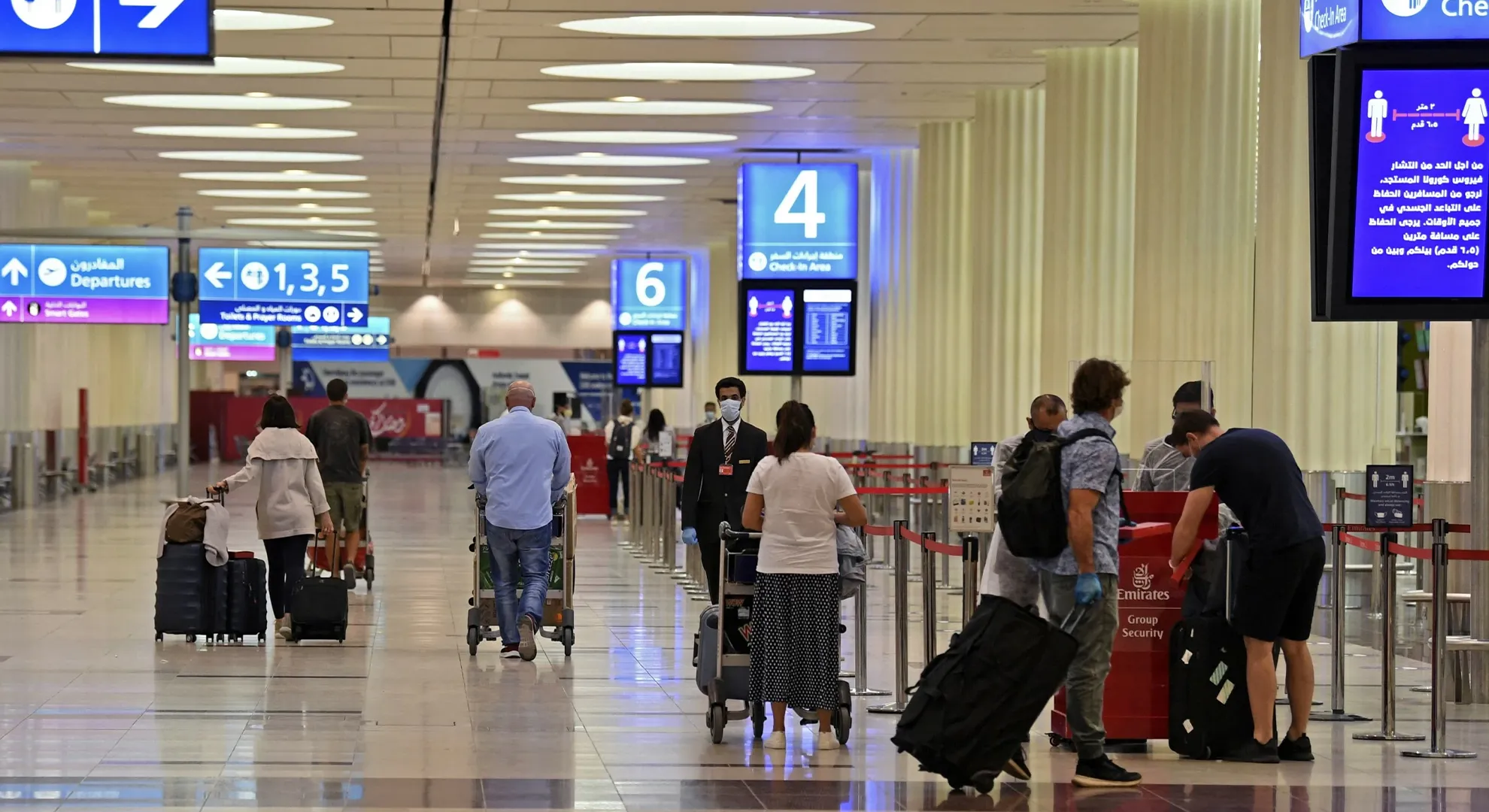
The United Arab Emirates has introduced a set of precautionary health and travel measures aimed at reducing the risk of Ebola virus transmission, following updates from national health and emergency authorities. Under the new guidelines, entry restrictions have been placed on travellers coming from three countries currently affected by Ebola outbreaks: the Democratic Republic of the Congo, Uganda, and South Sudan.
As part of these measures, the issuance of new entry visas for nationals of the listed countries has been temporarily suspended. The decision is part of a broader effort to strengthen the country’s preventive health systems and ensure early response capabilities in the event of any potential public health threats linked to the virus.
In addition to the visa suspension, authorities have clarified an important travel condition for individuals who may still be eligible to enter the UAE under specific circumstances. Entry will only be allowed for travellers who have remained outside the affected countries for a minimum period of 21 consecutive days prior to their arrival in the UAE. This requirement is intended to reduce the likelihood of any potential exposure to the virus during its incubation period and to provide additional assurance that incoming travellers do not pose a health risk.
The updated regulations were jointly announced by the National Emergency Crisis and Disasters Management Authority (NCEMA) and the Federal Authority for Identity, Citizenship, Customs and Port Security (ICP). Both agencies stated that the new directives form part of an ongoing national strategy focused on maintaining public health safety and enhancing readiness in response to international disease outbreaks.
Officials emphasized that these actions are preventive in nature and are designed to align with global health monitoring standards. By tightening entry requirements and temporarily pausing visa issuance from higher-risk regions, the UAE aims to reduce the possibility of imported cases while maintaining its broader commitment to public safety and controlled mobility.
The announcement comes amid continued global concern over Ebola outbreaks in parts of Central and East Africa. Health authorities worldwide have been closely monitoring the situation, and many countries have adopted similar precautionary travel and screening measures to limit the spread of the virus across borders.
According to officials, the UAE’s approach reflects a proactive stance that prioritizes early intervention and risk reduction rather than reactive containment. The cooperation between NCEMA and ICP highlights the coordinated effort between health, security, and immigration authorities in managing potential threats that may impact national preparedness.
Travellers from unaffected regions or those meeting the revised entry conditions will continue to be processed through standard immigration procedures, although they may still be subject to routine health screenings upon arrival. Authorities have urged residents and travellers to stay informed through official government channels for any further updates or modifications to the policy.
The announcement also reinforces the importance of compliance with international health guidelines and travel advisories issued by global organizations. Officials reiterated that such measures are temporary and subject to review depending on the evolution of the health situation in the affected regions.
By implementing these restrictions, the UAE aims to maintain a balance between facilitating legitimate travel and safeguarding public health. Authorities have assured the public that they will continue to monitor developments closely and adjust policies as necessary in coordination with international health bodies.
When does the decision come into effect?
The United Arab Emirates has confirmed that its temporary visa restrictions related to Ebola-affected countries will come into force at 1pm on Saturday, June 6, 2026. Authorities have also indicated that the duration of the measure is not fixed and may be reviewed or extended depending on how the public health situation develops in the coming period.
Under the updated travel directive, entry into the UAE will be restricted for travellers arriving from three countries identified as being affected by Ebola outbreaks. The restriction applies not only to direct arrivals but also to individuals who may attempt to enter the country via transit routes through other nations. This means that even if a traveller passes through a third country before reaching the UAE, their travel history will still be assessed in relation to the restricted list.
In addition to the suspension of new visa issuances, authorities have maintained a strict entry requirement designed to reduce potential exposure risks. Travellers who have spent less than 21 consecutive days outside the affected countries prior to arrival will not be permitted entry. This condition is based on public health considerations, particularly the incubation period associated with the Ebola virus, and is intended to ensure that incoming passengers do not pose a potential risk of transmission.
Despite the restrictions on passenger movement, officials have clarified that cargo operations between the UAE and the three affected countries will continue as normal. Commercial freight, logistics activities, and the transport of goods will not be impacted by the new travel measures. This decision reflects an effort to balance public health precautions with the need to maintain supply chain continuity and international trade flows.
Similarly, transit flight operations through UAE airports will also remain unaffected. Passengers who are not subject to the entry restrictions and are simply transiting through the country will continue to be processed under standard aviation procedures. Authorities have emphasized that the measures are targeted specifically at managing entry risk rather than disrupting global aviation connectivity.
The National Emergency Crisis and Disasters Management Authority (NCEMA), along with the Federal Authority for Identity, Citizenship, Customs and Port Security (ICP), stated that they will continue to closely monitor developments related to the Ebola outbreak. Both entities are working in coordination with local health institutions and international partners to track the progression of the disease and assess any changes in risk levels that may require adjustments to current policies.
Officials noted that their responsibilities include not only observing the situation in the initially identified countries but also evaluating whether the virus spreads to additional regions. Any emerging developments will be reviewed through structured risk assessments, and appropriate measures will be implemented in line with established health protocols and international best practices.
The UAE government has reiterated that precautionary preparedness against Ebola remains an ongoing priority. According to the Ministry of Health and Prevention (MoHAP), a comprehensive system is already in place that includes disease surveillance mechanisms, early detection capabilities, and readiness at airports and border entry points. Healthcare facilities across the country are also maintained in a state of readiness to respond to any suspected or confirmed cases if required.
As part of this preparedness framework, airport screening systems and health monitoring procedures continue to be reinforced to ensure rapid identification of potential health risks. These measures are designed to support early intervention and limit the possibility of any infectious disease entering the country undetected.
In an advisory issued on June 3, MoHAP reassured the public that the overall health situation within the UAE remains stable. The ministry also highlighted that the current Ebola outbreak is largely concentrated in specific regions of the Democratic Republic of the Congo and Uganda, and that there is no indication of widespread transmission beyond these areas at present.
Officials stressed that the combination of travel restrictions, surveillance systems, and coordinated inter-agency response mechanisms reflects a proactive approach to public health protection. The aim, they said, is to reduce potential risks while ensuring that essential services, trade, and transit operations continue without unnecessary disruption.
Authorities have encouraged the public to rely on official announcements for accurate and updated information, particularly as global health situations can evolve quickly. They also reaffirmed their commitment to revising policies if required, based on scientific assessments and guidance from relevant health bodies.
Overall, the UAE’s response strategy underscores a balance between caution and continuity—tightening entry controls where necessary while maintaining open channels for trade and transit, and ensuring that the country remains prepared for any potential developments related to the Ebola outbreak.