Even while spending Eid behind the wheel or delivering orders, many cab drivers and delivery workers say customers make them feel included in the celebrations through warm wishes, kindness, food, and festive gestures.
‘People Include Us in Their Eid’: Delivery Workers and Cab Drivers Mark the Festival While Working.
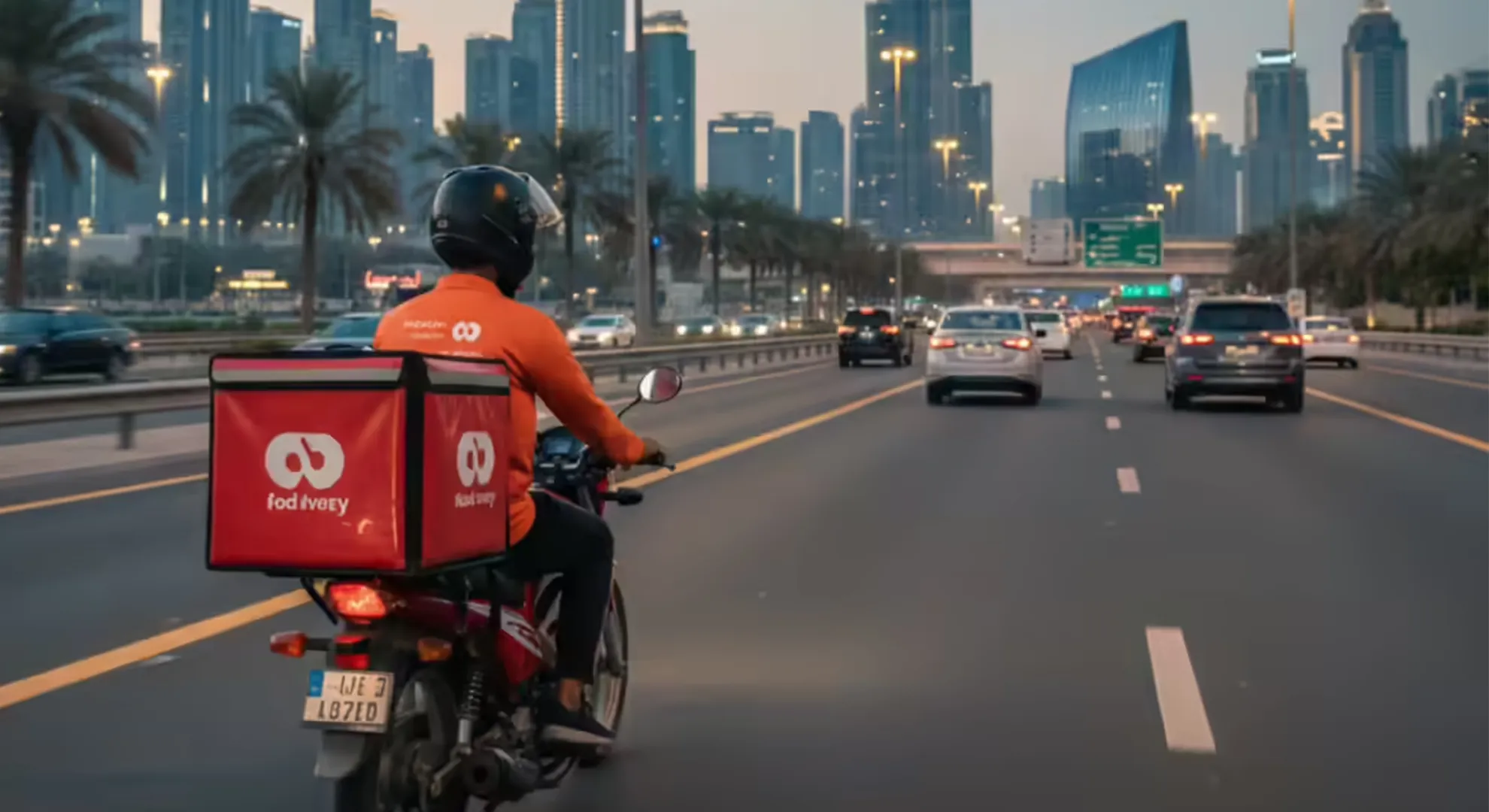
As dawn breaks over Dubai on Eid morning, thousands of residents will prepare for a day filled with prayers, family visits, festive meals and celebrations. Streets across the city will slowly come alive with people dressed in freshly pressed traditional clothes, children excitedly carrying gifts and families heading towards mosques and prayer grounds for the special Eid prayers. While many residents will return home shortly after sunrise to enjoy breakfast with loved ones and spend the rest of the holiday in comfort, another side of the city will already be hard at work, ensuring life continues to move smoothly during the celebration.
Long before most families gather around dining tables, taxi drivers across Dubai will already be navigating busy roads. Many of them begin their shifts before sunrise, preparing to transport worshippers to mosques, public prayer areas and family gatherings spread across different parts of the emirate. By around 6am, taxis are expected to fill the streets as residents hurry to attend prayers on time. Drivers say Eid mornings are among the busiest periods of the year, with passengers travelling continuously from one location to another to visit relatives and friends throughout the day.
At the same time, abra operators working along Dubai Creek will begin another busy day. Around 7am, the traditional wooden boats that carry commuters and tourists across the water will once again start operating steadily. For many passengers, these short rides are part of the charm of celebrating Eid in old Dubai, where markets, restaurants and waterfront areas become crowded with families enjoying the holiday atmosphere. But for the men steering these abras, the festival is often spent on duty rather than at home with relatives.
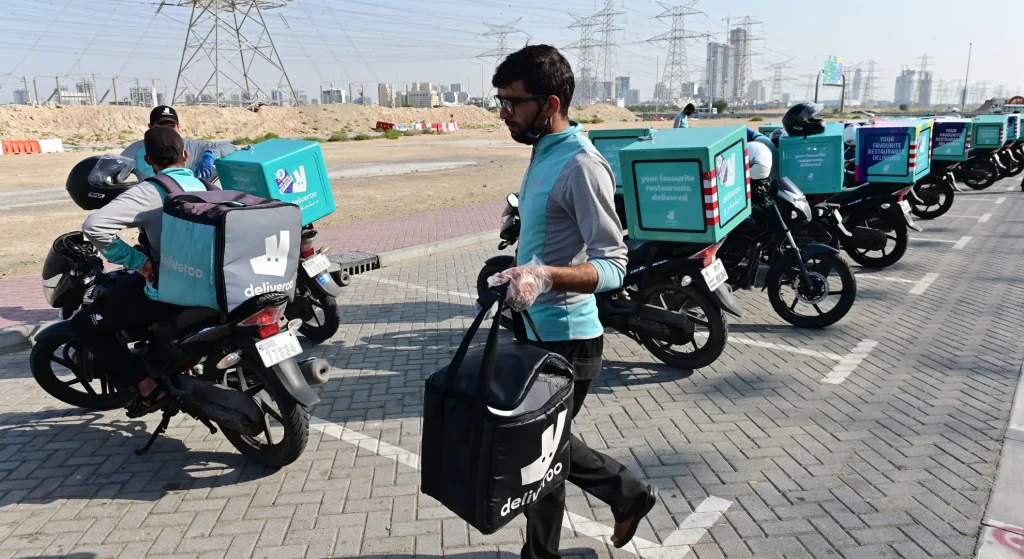
Food delivery riders are also expected to report to work early in the morning. By approximately 8am, restaurants, bakeries and cafes across the city begin receiving a rise in online orders as families arrange breakfasts, sweets and lunches for gatherings at home. Riders spend the day travelling from neighbourhood to neighbourhood carrying meals, desserts and groceries while temperatures continue to rise. Their schedules often leave little room for traditional celebrations, but many say they have grown accustomed to spending Eid while working.
For workers in transport and delivery services, the festival is usually marked through brief pauses between trips rather than long family gatherings. Some manage to share tea or sweets with colleagues during short breaks, while others make quick video calls to relatives living thousands of kilometres away. Despite the demanding schedules, many workers say passengers and customers often make the occasion feel special through kind gestures, greetings and small acts of appreciation.
Among those spending another Eid away from home is Abdul Kalam, an abra driver originally from Bangladesh. The veteran worker has spent nearly a quarter of a century in Dubai, helping passengers cross the creek daily while watching the city transform over the years. During that long period, he has rarely been able to return home for Eid celebrations with his family. According to him, he travelled back to Bangladesh only a handful of times during major Islamic festivals — twice for Eid Al Adha and three times for Eid Al Fitr.
Kalam explained that missing Eid at home has been one of the most difficult sacrifices of working abroad. Back in Bangladesh, Eid celebrations usually involve large family meals, visits to relatives, children receiving gifts and communities gathering together throughout the day. In Dubai, however, his routine has remained mostly unchanged even during holidays. He wakes up early, prepares for work and spends most of the day transporting passengers across the creek.
Still, he says the atmosphere in Dubai during Eid brings its own unique feeling. Many passengers greet him warmly, wish him “Eid Mubarak” and sometimes offer sweets or snacks during the day. According to him, those moments help reduce the loneliness that migrant workers often experience during festive occasions far away from home. Over the years, he has developed friendships with fellow workers who also spend holidays on duty, creating a small support system among colleagues.
Taxi drivers across the city share similar experiences. Several drivers say they often witness emotional reunions as families travel to visit loved ones during Eid. Some passengers carry food containers, gifts or flowers, while others are dressed in matching festive outfits as they move between homes. Drivers say observing these moments from behind the wheel can sometimes make them miss their own families even more, especially those living overseas.
However, many also describe Eid duty as rewarding. During festive seasons, passengers tend to be more generous with tips and greetings. Some residents offer drivers water, dates or sweets, while others take time to thank them for continuing to work during the holiday. According to drivers, such gestures make them feel acknowledged and included despite being away from celebrations themselves.
Delivery riders also experience a different side of Eid in Dubai. Orders typically increase throughout the day as families host guests or choose to order meals from restaurants rather than cook. Riders travel continuously across busy streets delivering biryani, desserts, Arabic sweets and beverages to homes filled with celebrations. Though physically exhausting, some riders say the festive energy of the city keeps them motivated.
For many migrant workers, financial responsibilities remain the main reason they continue working during holidays. Most support families back home by sending money regularly, and taking time off during busy periods can reduce their earnings. Some workers say they would rather continue working through Eid if it means being able to provide better opportunities for their children or relatives.
Despite these sacrifices, workers often try to preserve small traditions wherever possible. Some gather after shifts to share meals with roommates or friends from their home countries. Others visit mosques late at night once work slows down. Mobile phones and video calls have also become an important part of Eid celebrations for expatriates, allowing workers to briefly connect with parents, spouses and children living abroad.
As Dubai continues to celebrate another Eid holiday, the city’s transport and delivery workforce will remain an essential part of daily life. From taxi drivers navigating crowded roads to abra operators crossing the creek and riders carrying food orders across neighbourhoods, these workers help ensure celebrations continue smoothly for millions of residents.
While most families spend the occasion inside homes filled with relatives and laughter, thousands of workers experience Eid differently — through long shifts, crowded streets and quick breaks between tasks. Yet many say they have learned to find joy in smaller moments: a passenger’s smile, a festive greeting, a shared cup of tea with colleagues or a short phone call from family back home.
For Abdul Kalam and countless others like him, Eid in Dubai has become a story of resilience, sacrifice and quiet dedication. Though far from their loved ones, they continue to play a vital role in keeping the city moving during one of the most important celebrations of the year.
For many workers operating along Dubai Creek during Eid, the festival carries a unique atmosphere that feels noticeably different from ordinary days. The waterfront area becomes livelier from the early morning hours as families, tourists and residents gather to celebrate the occasion. Traditional clothes, cheerful greetings and excited children create a festive mood that workers say can be felt throughout the day.
Abdul Kalam, who has spent decades working as an abra driver in Dubai, explained that Eid changes the energy around the creek completely. According to him, passengers are often more cheerful, patient and friendly during the holiday compared to regular working days. Families heading to celebrations, children enjoying the traditional boat rides and visitors taking photographs all contribute to a different environment on the water.
He said the spirit of the festival becomes visible from the moment people begin arriving after morning prayers. Many passengers smile warmly, exchange greetings and speak kindly with the boat operators during short journeys across the creek. Kalam noted that these small interactions help workers feel included in the celebration despite spending the holiday on duty rather than with family members.
According to him, children especially bring a sense of joy to the day. Many arrive dressed in colourful Eid outfits, carrying balloons, sweets or small gifts while travelling with relatives. Their excitement spreads easily among passengers and workers alike, making the surroundings feel more festive. Kalam explained that after spending many years working during Eid, these moments have become something he looks forward to every year.
Unlike normal workdays that can feel rushed and stressful, Eid shifts are often slightly more relaxed for abra workers. While passenger numbers remain high in certain periods, the overall mood tends to be calmer and more celebratory. Workers use this opportunity to spend some time together during breaks and create their own small Eid gathering away from home.
Kalam described how abra operators usually organise a shared meal during the middle of the day. Most of them begin their duties after attending Eid prayers in the morning and continue working until around noon. Once the early rush slows down, drivers and staff members gather together to celebrate in their own way before returning to work later in the evening.
He explained that the midday break is one of the most important parts of their Eid celebration. Workers prepare traditional dishes from their home countries, share food with one another and sit together for lunch. Since many of them come from South Asian countries such as Bangladesh, India and Pakistan, the meal often includes familiar homemade recipes that remind them of family gatherings back home.
According to Kalam, these shared lunches create a strong sense of community among workers who spend the festival away from their relatives. Some bring homemade curries, rice dishes or sweets prepared earlier in the morning, while others contribute drinks or snacks. The gathering becomes a substitute family celebration for those unable to travel home during Eid.
After lunch, many workers take some time to rest before resuming duties later in the afternoon or evening. Kalam said they usually return to work around sunset hours when residents once again begin moving across the city for dinners, visits and nighttime celebrations. Though the workday remains long, the break allows them to experience at least part of the festival together.
He added that many passengers show appreciation towards workers during Eid through simple but meaningful gestures. Some customers offer extra tips, while others stop briefly to have conversations or express gratitude for their service during the holiday. A few even share sweets or snacks with drivers and operators during rides.
For workers living far away from their families, these moments often carry emotional value. Kalam said hearing passengers say “Eid Mubarak” or seeing them smile warmly helps reduce the feeling of distance from home. According to him, such interactions remind workers that they are still part of the festive atmosphere even while performing their daily duties.
Another abra operator, Shahjahan, shared similar experiences about spending Eid on the job. After years of working during public holidays, he said the routine has become a normal part of life. According to him, Dubai remains active throughout the year, including during major religious celebrations, which means transport workers continue operating to support residents travelling across the city.
He explained that many people rely on public transport during Eid to visit family members, attend gatherings or explore different parts of Dubai. Because of this, abra services remain important even during holidays. Shahjahan said workers understand that their presence helps residents enjoy smoother celebrations with easier transportation.
Despite spending the festival at work, he said the environment around Dubai Creek becomes one of the most enjoyable places during Eid. Families often choose the traditional abra rides as part of their holiday outings, creating heavy foot traffic near the waterfront. Markets, restaurants and public spaces around the creek become crowded with visitors throughout the day.
According to Shahjahan, the creek transforms into a festive destination filled with excitement and colour. Decorations, busy walkways and groups of people taking photos create an atmosphere similar to a public celebration. Workers witness families laughing together, tourists exploring traditional areas and children enjoying the waterfront experience.
He noted that while they may not celebrate Eid in a conventional way, being surrounded by happy people still allows workers to experience the spirit of the occasion. The positive atmosphere around the creek often helps reduce feelings of homesickness among migrant workers who are unable to spend the holiday with their loved ones.
Delivery riders across Dubai also experience a different kind of Eid routine. While many residents relax at home with family gatherings and meals, riders spend much of the day travelling between restaurants, bakeries and residential areas delivering food orders. According to riders, Eid shifts are usually busier than regular days, especially during the morning and afternoon hours.
Fahim, a delivery rider working with a popular food delivery platform in Dubai, said food ordering patterns during Eid are different from ordinary weekends or holidays. He explained that families often prepare main dishes such as biryani and meat recipes at home, while relying on online platforms for desserts, sweets and beverages.
According to him, dessert orders increase significantly during Eid as residents purchase cakes, pastries, Arabic sweets and other festive treats for guests visiting throughout the day. Riders frequently carry boxes of sweets and beverages from bakeries and cafes to homes hosting celebrations.
Fahim said mornings usually begin with a large number of breakfast and tea orders, while afternoons become busier with dessert deliveries. Restaurants and sweet shops often experience a surge in online demand during the holiday, keeping riders occupied for long hours.
Although the work can be physically tiring, especially during warmer weather conditions, Fahim explained that customer behaviour during Eid is often more positive and generous. Some residents offer water bottles or snacks to riders, while others express appreciation for their efforts during the festive season. According to him, such gestures can make difficult shifts feel more rewarding.
Many delivery workers also stay connected with their families through phone calls and video chats during breaks. Since most riders are expatriates living away from home, Eid can become emotionally challenging. However, sharing greetings with relatives online and spending short moments with coworkers helps them maintain a sense of celebration.
For transport and delivery workers across Dubai, Eid is often experienced in fragments — between rides, during lunch breaks or through brief interactions with customers. While they may not spend the entire day surrounded by family, they continue playing an essential role in helping the city celebrate smoothly.
From abra operators guiding passengers across the creek to delivery riders transporting festive meals throughout neighbourhoods, these workers remain part of the holiday experience for thousands of residents. Their stories reflect the sacrifices many migrant workers make while supporting families back home and keeping essential services running during one of the most important celebrations of the year.
Even without large family gatherings or long holidays, many workers say Eid still reaches them through small moments of kindness — a smile from a passenger, an extra tip, a shared sweet or a simple greeting exchanged during a busy shift. For them, these gestures become reminders that the spirit of Eid can be felt even while working far from home.
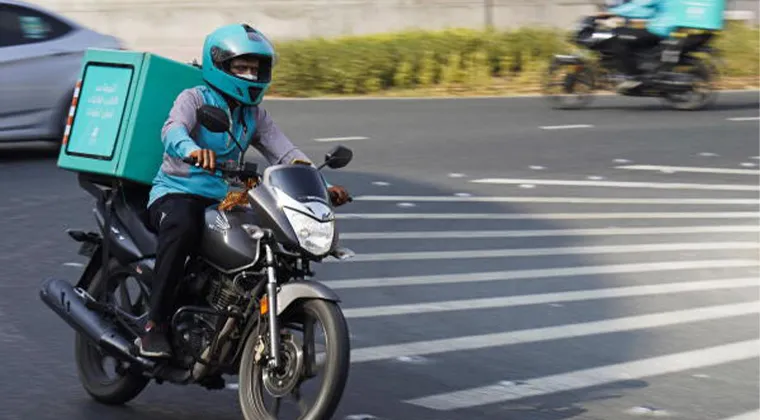
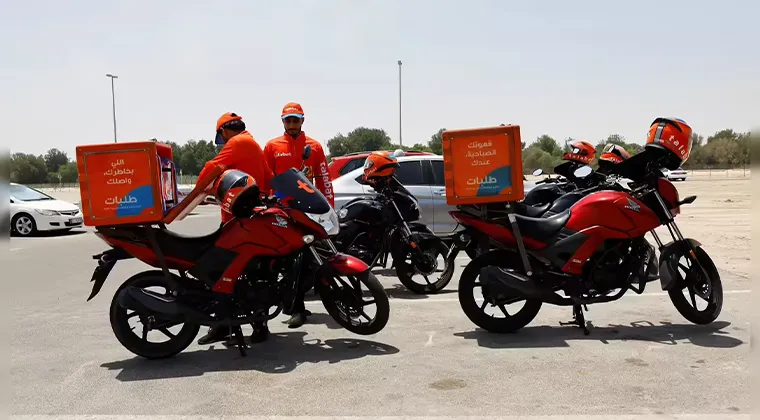
As the day progresses during Eid in Dubai, the pace of work for many transport and delivery workers slowly begins to change. The early hours are usually filled with busy roads, crowded prayer grounds and families moving across the city to celebrate with relatives. But by evening, many workers say the atmosphere becomes calmer, giving them brief opportunities to pause, connect with loved ones and create their own moments of celebration.
Several workers explained that once the daytime rush settles, they finally get some personal time after hours spent driving, delivering food or transporting passengers across the city. For many expatriates working during Eid, these quieter evening hours become emotionally important because they allow them to reconnect with friends, roommates and relatives living both nearby and overseas.
One worker said that evenings during Eid carry a different feeling compared to regular working days. According to him, after sunset the pressure eases and workers can finally sit together, relax and enjoy the festive mood for a short while. He explained that this period becomes their opportunity to socialise after spending most of the day serving customers and helping residents move around the city.
For delivery riders in particular, celebrations rarely happen in one place or at one specific time. Instead, Eid unfolds gradually throughout the day in small moments between orders and traffic signals. Riders often move continuously from restaurants to residential buildings carrying meals, desserts and groceries for families hosting celebrations at home.
Because of their demanding schedules, many riders say technology has become an essential part of staying emotionally connected with their families during the holiday. Video calls play a central role in their Eid celebrations, especially for workers who have not visited home in years.
Abdul Malik Khan, a delivery rider working with the food delivery platform Keeta, explained that most expatriate workers celebrate Eid while travelling from one delivery point to another. According to him, even short breaks become meaningful opportunities to reconnect with family members living abroad.
He said riders frequently make video calls during lunch or rest periods so they can share part of the day with parents, spouses and children back home. Some workers even place their phones on tables while eating meals so relatives can join virtually, creating the feeling of sitting together despite being separated by thousands of kilometres.
Khan explained that this simple routine has become emotionally important for many workers spending festivals away from home. During calls, families often show one another their meals, homes and gatherings while exchanging Eid greetings. According to him, these moments help reduce the loneliness that migrant workers commonly experience during major celebrations.
He added that many riders also organise group meals among themselves during Eid to recreate the feeling of family gatherings. Workers from different countries often contribute food, drinks or desserts and gather during breaks to celebrate together. These meals become especially meaningful for riders living in shared accommodations without close relatives nearby.
According to Khan, workers usually coordinate lunch or dinner plans in advance through group chats. Riders finishing nearby deliveries sometimes gather in common areas, restaurants or accommodations to eat together before returning to work. Despite busy schedules, many make a strong effort to spend at least part of Eid with friends and colleagues who understand the challenges of working abroad.
Khan also recalled an experience from the previous Eid Al Fitr that deeply affected him and remains one of his strongest memories from working in the UAE. He said he had been assigned a delivery order to a residential area in Al Nahda, Sharjah, during the holiday period. Expecting a routine food drop-off, he arrived at the customer’s home without realising the interaction would leave a lasting emotional impact.
According to Khan, the family receiving the order noticed he appeared hesitant and slightly uncomfortable standing outside while they celebrated indoors. Instead of quickly collecting the order and closing the door, the family invited him inside their home.
At first, he felt shy about entering because delivery workers are usually accustomed to brief interactions before rushing toward the next order. However, the family insisted warmly, encouraging him to stay. Realising he still seemed uncertain, they reportedly placed another delivery request through the application, effectively creating additional time so he would not feel pressured to leave immediately.
Khan explained that the gesture surprised him because customers rarely think about the emotional experiences of workers during festivals. According to him, the family treated him not as a delivery rider completing a task, but as a guest sharing part of their celebration.
He recalled that the family first served food to him and his fellow riders before beginning their own meal. Only after ensuring the riders were comfortable and eating properly did the family sit down together at the table. Khan said the respect and kindness shown during that moment deeply moved him.
For a worker spending Eid far away from home, the experience created a sense of belonging that he had not expected during a normal delivery shift. He described the memory as one he would always carry with him because it reminded him that compassion can transform an ordinary workday into something unforgettable.
According to Khan, many delivery riders remember small acts of kindness from customers long after the actual deliveries are completed. Some residents offer water bottles during hot weather, while others provide sweets, snacks or larger tips during Eid. Though these gestures may seem minor to customers, workers say they often provide emotional encouragement during demanding shifts.
Taxi drivers across Dubai also witness deeply personal moments throughout Eid celebrations. Ghulam Rasool, a Pakistani driver working with Dubai Taxi Company, explained that the festival allows drivers to observe a more emotional side of life in the city.
Throughout the day, drivers transport passengers to mosques, family homes, restaurants, shopping centres and tourist attractions. While sitting behind the wheel, they quietly observe reunions, celebrations and family interactions unfolding across different parts of Dubai.
Rasool said drivers often see grandparents greeting relatives, children carrying gifts and families travelling together in festive clothing. According to him, these scenes can create mixed emotions for expatriate workers who are unable to spend the holiday with their own loved ones.
Even so, he explained that witnessing the happiness of others still brings a sense of joy. Seeing families celebrate together helps many workers feel connected to the overall spirit of Eid despite the physical distance separating them from relatives back home.
According to Rasool, taxi drivers often become temporary companions for passengers throughout the holiday. During rides, customers frequently share stories about family visits, celebrations or plans for the day. Some passengers discuss recipes, shopping trips or travel arrangements while moving between locations.
He said these conversations help create a warm atmosphere inside taxis during Eid. Drivers and passengers who may never meet again still exchange greetings, smiles and short discussions that reflect the communal spirit of the festival.
Rasool explained that he makes a special effort to greet Muslim passengers warmly during Eid whenever he feels they are celebrating the occasion. According to him, beginning conversations with greetings such as “Assalamualaikum” and “Eid Mubarak” often changes the mood of the ride immediately.
Once greetings are exchanged, passengers frequently begin talking more openly about their day, families or celebrations. Rasool said these interactions sometimes make him feel less like a service worker and more like a participant in the city’s festivities.
Over time, he has realised that these small conversations can create meaningful human connections even during short taxi rides. Some passengers ask drivers about their own families and whether they are celebrating Eid in Dubai or abroad. Others thank drivers for continuing to work during public holidays when many residents are relaxing with loved ones.
Rasool added that passengers often share sweets during rides, especially after visiting family gatherings or prayer grounds. Some offer chocolates, dates or traditional desserts as gestures of appreciation. Others leave larger tips than usual during Eid or on important Islamic occasions such as the Day of Arafah.
According to him, these acts of generosity are not only financially helpful but emotionally significant as well. Workers who spend festivals away from home often miss the warmth and hospitality associated with Eid celebrations in their home countries. Receiving kindness from passengers helps recreate part of that atmosphere.
He explained that simple gestures — a smile, a greeting or a few encouraging words — can completely change the emotional tone of a long workday. Drivers who may begin their shifts feeling homesick or isolated often finish with a stronger sense of connection after interacting with appreciative customers.
For many transport and delivery workers across Dubai, Eid is experienced differently from traditional family celebrations. Their holidays are divided between work responsibilities, short breaks and moments of connection created through technology, friendships and customer interactions.
Yet despite the challenges, many workers say they have developed their own version of Eid over the years. Shared meals with colleagues, evening gatherings after shifts and video calls with family have become new traditions shaped by life abroad.
The experiences of workers like Abdul Malik Khan and Ghulam Rasool reveal how migrant communities continue finding ways to celebrate while keeping essential services running across the city. Their stories highlight the unseen emotional realities behind the convenience many residents enjoy during public holidays.
While families gather around dining tables and move comfortably through Dubai during Eid, thousands of workers remain on the roads, in taxis and on delivery bikes helping celebrations continue smoothly. Though physically distant from home, many say they still feel the spirit of Eid through the kindness of strangers, the support of coworkers and the simple human connections formed during an ordinary working day.
For these workers, Eid may not always include large family gatherings or extended holidays. Instead, it exists in shared lunches, quick phone calls, warm passenger greetings and unexpected invitations from customers who choose to treat them like family, even for a few moments. Those experiences, they say, often become the memories they carry long after the festival ends.