Residents of the UAE will mark the Day of Arafah by offering special prayers, asking for worldwide harmony, safety, and stability, while reflecting on the importance of unity and compassion across humanity.
UAE residents to observe Day of Arafah with special prayers seeking global peace and stability for humanity.
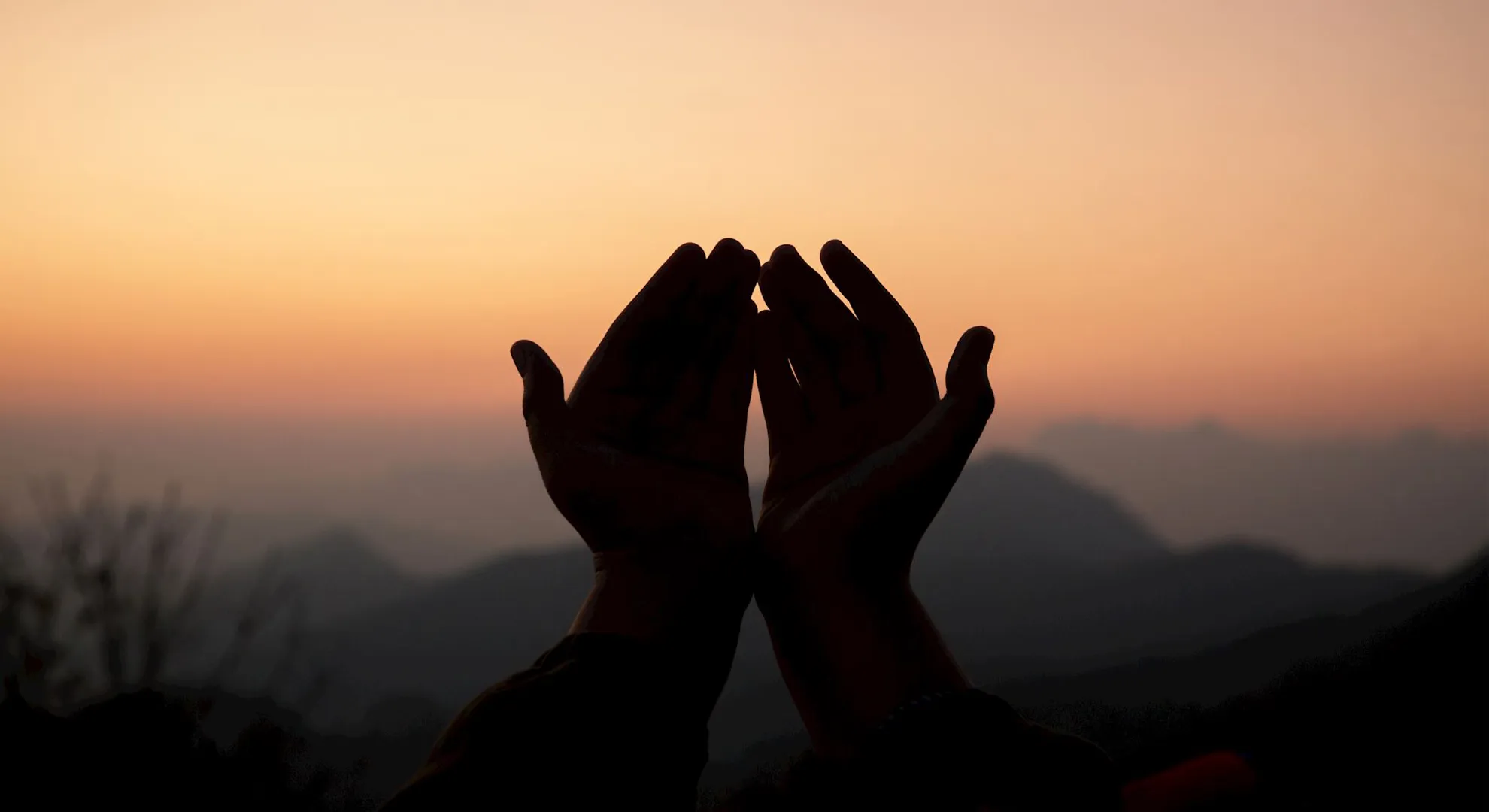
For many people living in the UAE, the Day of Arafah has gradually become more than just a date on the Islamic calendar. It is now widely seen as a meaningful opportunity to step away from the pressures of daily life and focus on spiritual well-being. On this day, many residents intentionally slow down their routines, choosing instead to spend quality time with family members, engage in prayer, and reflect quietly on their lives and actions.
As Muslims across the country prepare to observe the Day of Arafah on May 26, a strong sense of spiritual anticipation can be felt among worshippers. Many residents have expressed that their prayers this year are especially focused on themes of peace, security, and stability. In light of continuing uncertainties in various parts of the region and the wider world, people are turning to prayer as a way to seek comfort, protection, and reassurance for themselves and for humanity at large.
The Day of Arafah, which comes a day before Eid Al Adha, is regarded as one of the most sacred occasions in Islam. It holds deep religious importance and is closely associated with forgiveness, mercy, and spiritual closeness to God. For Muslims in the UAE, the day is often marked with fasting, increased acts of worship, and sincere reflection. Many individuals use this time to evaluate their personal lives, ask for forgiveness for past mistakes, and renew their commitment to living with greater faith and mindfulness.
Across homes and communities, the atmosphere on this day tends to become more peaceful and reflective than usual. Families often prefer to remain together, sharing moments of quiet devotion and spiritual conversation. Instead of engaging in regular entertainment or social outings, many people choose to dedicate their time to prayer, reading religious texts, and making heartfelt supplications. It is also common for parents to explain the importance of the day to their children, helping them understand its religious significance and encouraging them to develop habits of gratitude, patience, and compassion.
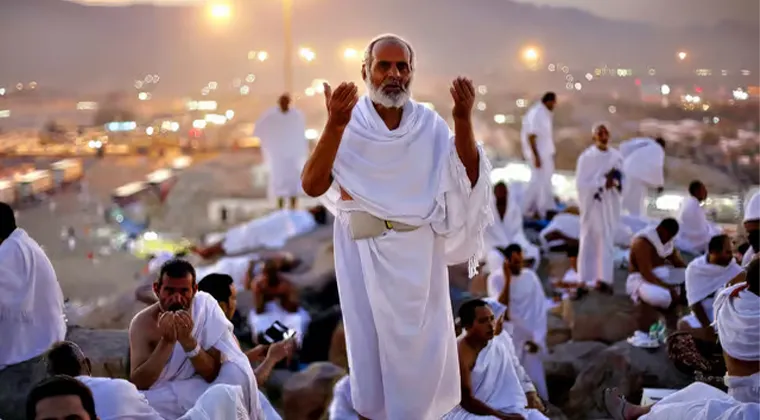
Speaking about the importance of this sacred day, Sheikh Ayaz Housee, who serves as a religious advisor at Next Generation School and the Al Manar Islamic Center, emphasized its deep spiritual meaning in Islam. He explained that the Day of Arafah represents one of the highest points of the Hajj pilgrimage, when millions of pilgrims gather on the plains of Arafat in Makkah in devotion and prayer.
According to him, this day is closely connected with divine mercy and forgiveness. It is considered a moment when believers are encouraged to turn sincerely toward God, reflect on their actions, and seek spiritual purification. He described it as a day that reminds individuals of their human limitations and encourages them to approach life with humility, sincerity, and gratitude.
He also highlighted that one of the central messages of the Day of Arafah is the idea of equality among all people. In the eyes of faith, distinctions based on wealth, nationality, ethnicity, or social status hold no significance. What truly matters is the sincerity of one’s heart and the purity of intention. This understanding resonates strongly in a diverse society like the UAE, where people from many different cultures and backgrounds live and worship together.
Sheikh Ayaz Housee further explained that Islamic teachings place special emphasis on supplication during this blessed day. He referred to well-known traditions of the Prophet Muhammad (peace be upon him), which describe the Day of Arafah as one of the most powerful and rewarding times for making dua, or personal prayer.
He noted that believers are encouraged to use this day to speak to God with honesty and devotion, asking for forgiveness, guidance, and blessings. Many people take this opportunity to reflect not only on their personal needs but also on the wider world around them. Prayers for global peace, stability in troubled regions, protection for vulnerable communities, and relief for those suffering hardship are commonly made on this day.
For many residents in the UAE, this shared spiritual focus creates a strong sense of unity. Even though individuals may come from different national and cultural backgrounds, they are connected through a common act of worship and a shared intention to seek divine mercy. Mosques, homes, and prayer spaces become places of calm reflection, where people come together spiritually through prayer and remembrance.
The Day of Arafah also encourages families to strengthen their bonds. Parents often take time to guide their children through prayers and explain the values associated with this important occasion. These moments help younger generations develop a deeper understanding of their faith, while also learning important life values such as empathy, humility, and respect for others.
Throughout the day, many people consciously reduce distractions from everyday life. Work commitments are often minimized where possible, and digital distractions such as social media are set aside. Instead, individuals focus on creating an environment that supports reflection, worship, and inner peace. Some spend long periods in prayer, while others engage in charitable acts or simple gestures of kindness, reinforcing the Islamic values of generosity and compassion.
In many households, the day is marked by a calm and reflective mood. The emphasis is not on celebration in a festive sense, but on spiritual awareness and personal growth. It is seen as an opportunity to reconnect with faith, reassess one’s life direction, and seek inner peace through remembrance of God.
Overall, for Muslims living in the UAE, the Day of Arafah stands as a deeply meaningful occasion that brings together spirituality, family connection, and a sense of global concern. It encourages individuals to look inward in self-reflection while also extending their thoughts and prayers outward toward the well-being of all humanity.
Sheikh Ayaz emphasized that Islamic teachings encourage believers to stay spiritually steady, especially during periods of uncertainty and change. He noted that faith is not limited to personal concerns alone, but extends to a wider responsibility toward society and humanity. According to him, Muslims are guided to use moments of worship and reflection to pray not only for their own needs but also for broader global well-being, including peace, justice, safety, and stability for all people.
He explained that such teachings become particularly meaningful during times when the world faces challenges and instability. In these moments, prayer serves as both a personal comfort and a collective expression of hope. It reinforces the idea that spiritual practice in Islam includes compassion for others and a sense of shared humanity.
For many residents across the UAE, the Day of Arafah has come to represent a rare opportunity to step back from the demands of everyday life. In a country known for its fast-paced environment and busy professional schedules, this day offers a chance to slow down, reconnect with faith, and spend time in quiet reflection. Many people intentionally reduce their daily commitments, choosing instead to focus on prayer, self-examination, and family connection.
Among those sharing their thoughts is Abdel Rehman, a 38-year-old Sudanese expatriate living in Sharjah. He said that in recent years, his prayers on the Day of Arafah have increasingly centered on global peace and the safety of people everywhere. For him, current world events and ongoing tensions in different regions naturally influence the way he approaches this day of worship.
He explained that exposure to news about conflict and uncertainty often deepens his sense of concern for others, leading him to pray more earnestly for protection and peace. At the same time, he expressed gratitude for living in the UAE, describing it as a place where he experiences a strong sense of stability and security in daily life.
According to him, this feeling of safety becomes especially meaningful on the Day of Arafah. He said that while offering his prayers, he hopes for this peace to extend beyond the UAE and reach other parts of the world where people may be facing difficulties. His focus is not only on personal well-being but also on the collective safety of communities globally.
Another resident, Asad Karim, a Pakistani national residing in Sharjah, shared that he plans to observe the Day of Arafah through fasting while continuing his work responsibilities. He said that fasting on this day is something he considers deeply important and tries not to miss, regardless of how busy his schedule becomes.
For him, the simplicity of the day is what makes it meaningful. He prefers to avoid unnecessary distractions and maintain a calm routine throughout the day. When possible, he listens to the recitation of the Quran and spends time engaged in personal supplication. He described the experience as one that helps him maintain spiritual balance even amid a demanding professional life.
He also noted that the Day of Arafah gives him a sense of discipline and grounding each year. By consciously reducing distractions and focusing on worship, he feels more connected to his faith and more aware of his personal values and priorities.
Similarly, Ahmed, an Egyptian resident working in Abu Dhabi, said that the Day of Arafah plays an important role in helping him reconnect with his spirituality every year. He described it as a day when he deliberately distances himself from distractions and focuses more deeply on prayer and reflection.
He explained that this period allows him to reset mentally and spiritually, offering a break from the routine pressures of daily life. By dedicating time to worship and contemplation, he feels a renewed sense of clarity and peace.
Ahmed added that he and his family plan to spend the day in a quiet and simple manner. Their activities include attending prayers, reading the Quran together, and preparing modest meals in anticipation of Eid Al Adha. He said that this calm preparation helps create a meaningful transition from the Day of Arafah into the upcoming festive celebrations.
Across the UAE, such personal reflections are common among residents as the Day of Arafah approaches. The day is widely viewed not only as a religious obligation or tradition but also as an opportunity for emotional and spiritual renewal. It allows individuals from different cultural backgrounds to come together in shared devotion, regardless of nationality or profession.
Many residents describe the day as a reminder of simplicity in life. By stepping away from routine distractions, they find space to reflect on their actions, express gratitude, and seek forgiveness. The focus shifts from material concerns to spiritual awareness, creating a sense of calm that contrasts with the usual pace of modern urban life.
Religious teachings highlighted by scholars like Sheikh Ayaz reinforce this experience by emphasizing the importance of collective prayer and universal compassion. The message extends beyond individual worship, encouraging believers to think about the broader needs of humanity and to pray for harmony in a divided and often uncertain world.
As the Day of Arafah arrives each year, these combined perspectives—from religious guidance to personal experiences—create a shared atmosphere of reflection across the UAE. For many, it is not just a ritual observance but a deeply personal moment of connection, both with faith and with the wider human community.