In a humanitarian gesture ahead of Eid Al Adha festivities, the UAE President has approved the pardon and release of 956 prisoners, giving them an opportunity to reunite with their families and begin anew.
President of the UAE Orders Amnesty for 956 Prisoners Ahead of Eid Celebrations.
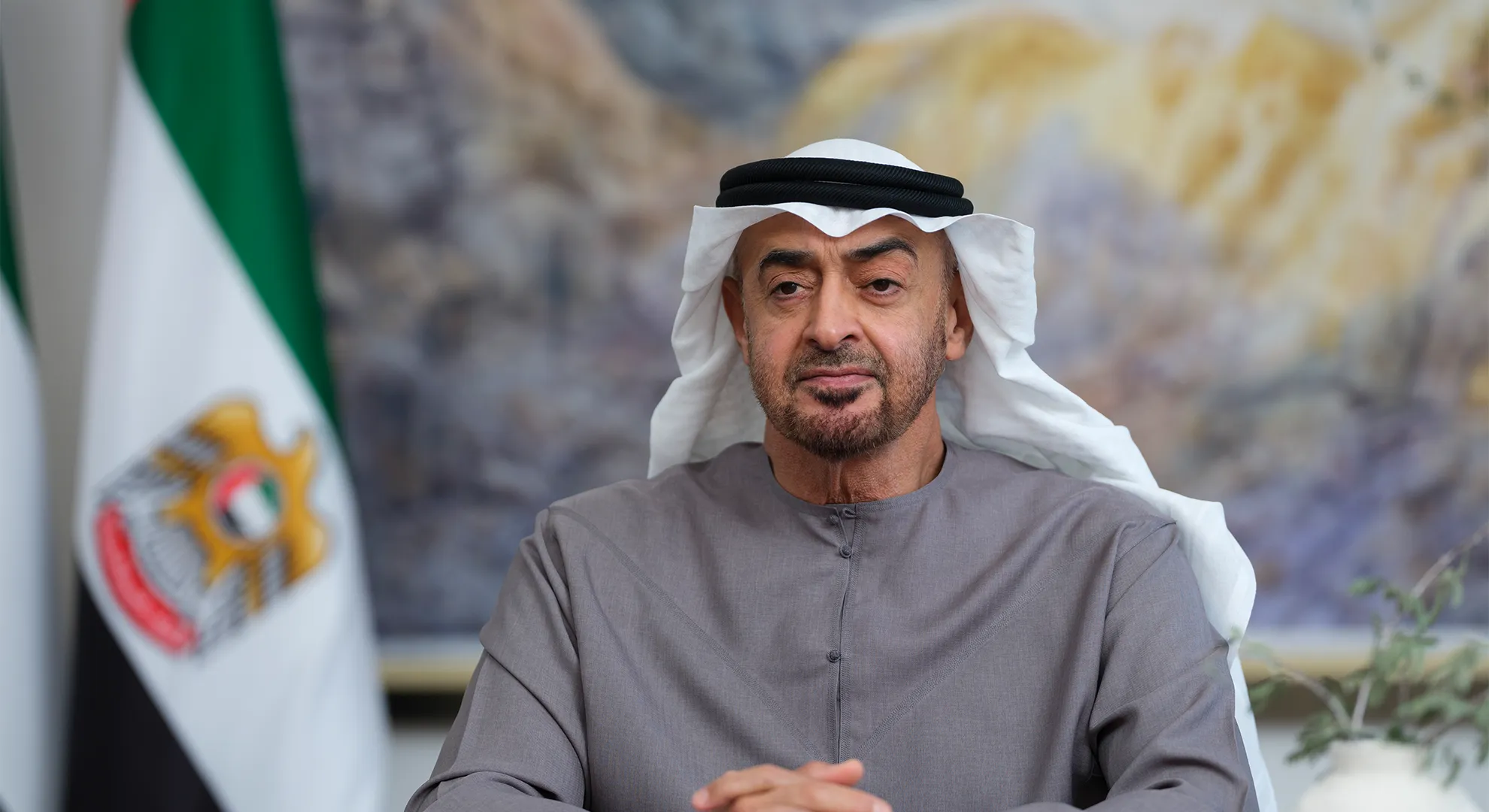
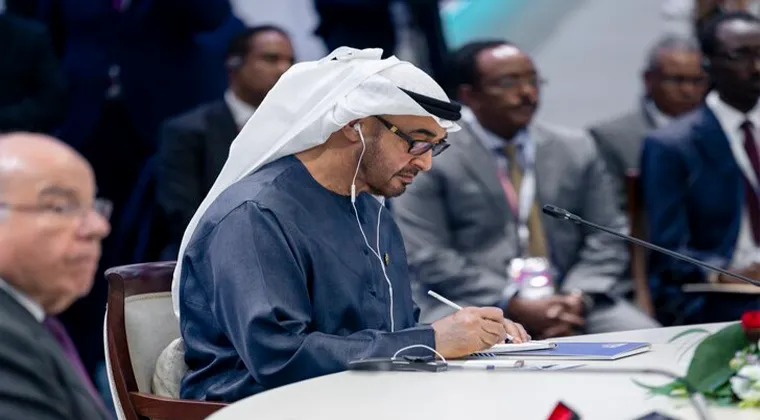
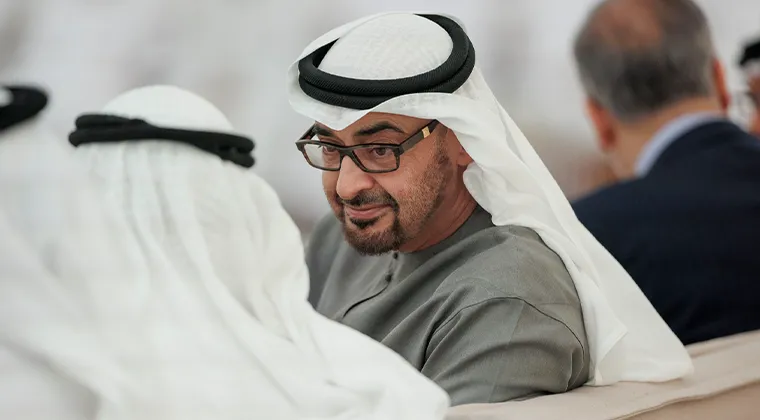
Ahead of the Eid Al Adha celebrations, UAE President Sheikh Mohamed bin Zayed Al Nahyan has announced the release of 956 prisoners from correctional and rehabilitation institutions across the country. The move has been described as part of a humanitarian initiative aimed at giving inmates an opportunity to rebuild their lives and reunite with their loved ones during one of the most significant religious occasions in the Islamic calendar. Authorities stated that the decision reflects the leadership’s continued focus on compassion, tolerance, and social harmony within the UAE.
According to official statements, the prisoners selected for release had been serving sentences in various legal cases. The pardon allows them to return to their families and communities before Eid Al Adha, a period traditionally associated with forgiveness, generosity, and unity. The initiative is also intended to encourage positive behavioral change among inmates by offering them a second chance to reintegrate into society and begin a more stable and productive chapter in their lives.
In addition to granting the release order, Sheikh Mohamed bin Zayed Al Nahyan has pledged to cover the financial liabilities connected to the inmates’ sentences. Officials said this support would help remove legal and financial obstacles that could otherwise prevent the prisoners from fully benefiting from the pardon. By settling those obligations, the leadership aims to ease the burden on both the released individuals and their families, many of whom may have faced emotional and financial hardships during the imprisonment period.
The decision comes as the UAE prepares for Eid Al Adha festivities, a time marked by prayer, charity, and family gatherings across the Muslim world. Leaders and officials noted that such humanitarian gestures are consistent with the country’s broader values of mercy, coexistence, and community support. The release of prisoners during religious occasions has become a recurring practice in the UAE, reflecting efforts to promote rehabilitation and strengthen family connections.
Government representatives emphasized that the initiative goes beyond a simple legal pardon. They described it as part of a wider vision focused on reinforcing social stability and encouraging forgiveness within society. By helping inmates return to their normal lives, authorities hope to reduce the social impact of imprisonment on families and create opportunities for former prisoners to contribute positively to their communities after release.
Officials also highlighted the emotional significance of the decision for families waiting to reunite with their relatives ahead of Eid. For many households, the release means the chance to celebrate the occasion together after long periods of separation. The leadership’s intervention in settling financial dues was viewed as an additional step designed to ensure the transition back into society is smoother and less stressful for those receiving clemency.
The UAE leadership has frequently stressed the importance of rehabilitation and reintegration as part of the justice system. Rather than focusing solely on punishment, the country has continued to invest in correctional programs intended to help inmates develop skills, improve behavior, and prepare for life after prison. The latest pardon aligns with these goals by offering selected prisoners an opportunity to move forward and make positive contributions to society.
Observers say such initiatives also reinforce the UAE’s image as a country that prioritizes humanitarian values alongside legal accountability. Acts of clemency during important religious holidays are often seen as symbolic gestures that encourage hope, reconciliation, and compassion. In this case, the release of nearly a thousand inmates demonstrates the leadership’s intention to balance justice with mercy while supporting social cohesion.
Authorities did not disclose detailed information about the individual cases of those being released, but confirmed that the process would be carried out through coordination between judicial and correctional institutions across the country. Officials added that the inmates eligible for release had met the required conditions under the pardon directives. Procedures were expected to be completed in time for the prisoners to return home before Eid celebrations begin.
Community leaders and residents welcomed the announcement, describing it as a meaningful gesture during a spiritually significant time of year. Many noted that Eid Al Adha carries strong themes of compassion, sacrifice, and forgiveness, making the timing of the initiative particularly important. The release of inmates and settlement of their financial obligations were viewed as measures that could positively impact both the individuals involved and society as a whole.
Experts on social affairs have often pointed out that maintaining strong family ties can play a major role in helping former inmates successfully reintegrate into society. By allowing prisoners to reunite with their families during Eid, the initiative may contribute to emotional support and stability that can reduce the chances of reoffending. The UAE leadership’s focus on preserving family unity has frequently been highlighted in similar humanitarian decisions over the years.
The pardon also reflects a broader culture of charitable and humanitarian work in the UAE, especially during religious seasons. Across the country, individuals and organizations often launch initiatives aimed at helping those in need, supporting disadvantaged communities, and promoting solidarity. The release of inmates ahead of Eid fits within this wider atmosphere of generosity and social responsibility.
Legal analysts noted that presidential pardons issued during major holidays are not uncommon in the region, but the inclusion of financial assistance adds another layer of support for the released prisoners. By assuming responsibility for the monetary obligations linked to the sentences, the leadership helps ensure that recipients of the pardon can begin rebuilding their lives without additional legal or economic pressure.
As preparations for Eid Al Adha continue throughout the UAE, the announcement has drawn attention to the values of empathy and forgiveness that the holiday represents. Officials reiterated that the decision was intended not only to provide relief to inmates and their families, but also to strengthen the principles of social harmony and mutual support within the nation.
The humanitarian initiative by Sheikh Mohamed bin Zayed Al Nahyan ultimately underscores the UAE leadership’s commitment to giving deserving individuals another opportunity while encouraging stability and unity across society. For hundreds of families, the announcement means the chance to celebrate Eid together once again, turning the occasion into a moment of renewed hope, reconciliation, and fresh beginnings.
The decision to grant pardons to inmates ahead of important religious and national events has long been part of the humanitarian approach followed by the UAE leadership. Over the years, the country’s rulers have regularly announced clemency initiatives during significant occasions such as Eid celebrations and National Day, reflecting values of compassion, forgiveness, and social responsibility. These measures are often intended to offer selected prisoners an opportunity to start over, reconnect with their families, and rebuild their lives after serving part of their sentences. Officials have consistently described such initiatives as an important element of the UAE’s broader commitment to rehabilitation and community welfare.
By extending pardons during special occasions, the leadership aims to provide deserving inmates with a fresh chance to reintegrate into society and move toward a more stable future. Authorities believe that giving individuals another opportunity can encourage positive behavioral change and help former prisoners become productive members of their communities once again. The initiative is viewed not only as a legal measure, but also as a humanitarian step designed to restore hope and strengthen social ties between individuals and their families.
The release of inmates is expected to positively affect hundreds of families both within the UAE and abroad. For many relatives, the return of a family member after months or years of separation represents an emotional and meaningful moment, particularly during important religious celebrations that emphasize unity, mercy, and togetherness. Families often experience emotional, social, and financial difficulties during the imprisonment of a loved one, and the pardon offers relief by allowing them to reunite and begin a new chapter together.
In many cases, the released inmates are able to resume normal life more easily because of additional support connected to the pardon initiatives. Financial obligations linked to legal cases or prison sentences can place a heavy burden on individuals attempting to rebuild their lives after release. By helping to settle or reduce those liabilities, the initiative eases pressure on former inmates and their families, enabling them to focus on reintegration, employment, and rebuilding personal relationships rather than struggling with ongoing financial hardship.
Officials have said the pardons align with the UAE’s ongoing focus on promoting social harmony and preserving family stability. Reintegration into society is considered a key aspect of the justice system, with authorities emphasizing rehabilitation rather than punishment alone. Through correctional and rehabilitation programs, inmates are often encouraged to improve their behavior, gain educational or vocational skills, and prepare themselves for a successful return to society. The pardon initiative complements these efforts by giving qualifying prisoners the chance to apply what they have learned and pursue a more positive future outside prison walls.
Community leaders and social experts frequently highlight the importance of maintaining family connections as part of the rehabilitation process. Strong family support can play a major role in helping former inmates avoid returning to crime and successfully adapt to life after release. Allowing prisoners to reunite with their loved ones during important occasions contributes to emotional stability and can encourage a sense of responsibility and belonging. The UAE leadership has repeatedly emphasized the significance of family unity in strengthening society as a whole.
The humanitarian approach adopted by the UAE in such matters reflects broader national values centered on tolerance, coexistence, and mutual support. Religious occasions such as Eid Al Adha and Eid Al Fitr are often associated with generosity, forgiveness, and acts of charity. Announcing pardons during these periods reinforces the spirit of compassion connected to these celebrations and demonstrates the leadership’s intention to balance justice with mercy.
Observers note that these initiatives also send a positive message about second chances and personal transformation. While inmates are held accountable for their actions through the legal system, the possibility of pardon and reintegration highlights the belief that individuals are capable of change and improvement. The concept of rehabilitation is therefore treated as an essential part of justice, encouraging prisoners to reform their behavior and contribute positively to society after release.
For the families involved, the impact of such decisions can be life-changing. Many households face financial strain, emotional distress, and social difficulties while a family member is incarcerated. The return of a relative can help restore stability and provide renewed hope for the future. Children, spouses, and parents often view these reunions as opportunities to heal relationships and rebuild family life after long periods of hardship and uncertainty.
Authorities have also emphasized that pardon initiatives contribute to social cohesion by helping former inmates reintegrate into their communities in a smoother and more constructive way. When individuals are given support and opportunities after release, they are more likely to secure employment, reconnect with society, and avoid behaviors that could lead to further legal problems. This benefits not only the former prisoners themselves, but also the wider community by encouraging safer and more stable social conditions.
The UAE’s correctional system has increasingly focused on rehabilitation programs aimed at preparing inmates for life after prison. Educational courses, vocational training, counseling services, and behavioral development programs are often introduced to help prisoners gain useful skills and improve their chances of successful reintegration. The granting of pardons during significant occasions complements these programs by creating a pathway for inmates who have demonstrated good conduct and a willingness to reform.
Officials say the initiatives are guided by humanitarian principles and reflect the leadership’s belief in supporting individuals who deserve another opportunity. Rather than viewing imprisonment as the end of a person’s role in society, the UAE’s approach encourages rehabilitation, accountability, and eventual reintegration whenever possible. This philosophy is intended to reduce social isolation and help former inmates become active and responsible members of their communities.
The decision to issue pardons also highlights the symbolic importance of forgiveness during major religious occasions. Eid celebrations are traditionally associated with compassion, reconciliation, and strengthening social bonds. Releasing inmates during these periods carries a strong humanitarian message and reinforces the idea of giving people an opportunity to correct past mistakes and move forward with dignity and hope.
In addition, such measures demonstrate the UAE leadership’s continued focus on balancing legal accountability with social welfare considerations. While the justice system ensures that laws are respected and penalties are enforced, humanitarian initiatives such as pardons recognize the importance of mercy and rehabilitation within a modern society. This balanced approach is often praised for helping maintain both public confidence in the legal system and broader social harmony.
Residents and community figures have frequently welcomed these decisions, describing them as thoughtful gestures that reflect the country’s cultural and humanitarian values. Many believe the initiatives contribute to a stronger sense of solidarity within society by emphasizing compassion and support for families affected by imprisonment. The positive social impact extends beyond the released inmates themselves, influencing relatives, communities, and support networks connected to them.
The financial assistance associated with some pardons is also considered an important factor in ensuring successful reintegration. Without support, former inmates may face difficulties paying fines, debts, or legal obligations, which can create barriers to employment and stability. Helping to address these burdens allows individuals to focus on rebuilding their lives and becoming self-sufficient after release. This practical support strengthens the humanitarian nature of the initiative and improves the chances of long-term rehabilitation.
Analysts say the UAE’s repeated use of pardons during significant occasions reflects a consistent policy centered on social stability and community wellbeing. By offering deserving inmates a second chance, the leadership seeks to encourage positive transformation while reducing the long-term social effects of imprisonment. The approach demonstrates confidence in the possibility of reform and the value of reintegration as part of a healthy and balanced society.
Ultimately, the pardon initiatives underline the UAE leadership’s ongoing commitment to compassion, rehabilitation, and family unity. Through these humanitarian measures, hundreds of individuals are given an opportunity to return to society with renewed hope and fewer obstacles standing in their way. Families are reunited, communities are strengthened, and the values of forgiveness and social solidarity are reinforced during some of the most meaningful occasions of the year.