
The UAE passport has achieved a leading position in global rankings, allowing its holders visa-free or visa-on-arrival access to 127 destinations worldwide, reflecting strong international travel freedom and mobility benefits.
UAE Passport Tops Global Rankings, Grants Access to 127 Countries Without Visa.
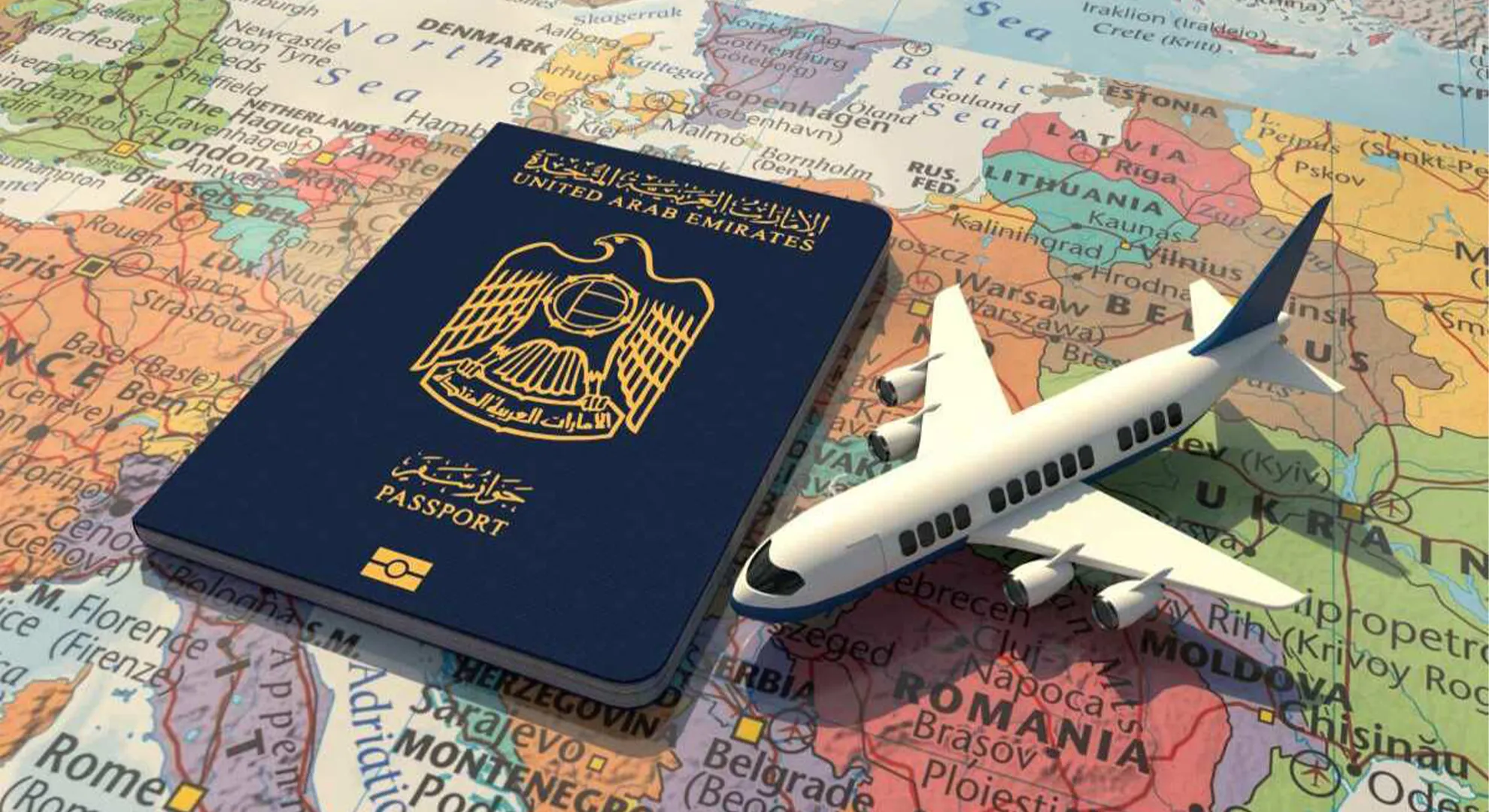
The UAE passport has continued to maintain its position as the most powerful travel document in the world, according to the latest update from the Passport Index compiled by Arton Capital. This achievement reflects a long-standing trend in which the passport of the United Arab Emirates has consistently ranked at the top of global mobility rankings since 2018, demonstrating steady growth in international access and diplomatic strength.
In the most recent evaluation, the UAE passport achieved a record score of 182, which is the highest figure ever recorded in the history of the index. This score places it firmly at the number one position worldwide, ahead of all other national passports. The ranking highlights the continued expansion of travel agreements between the UAE and countries around the world, as well as the country’s growing global influence in economic, political, and diplomatic spheres.
According to the index, Emirati citizens now enjoy visa-free access to 127 destinations across different continents. This means that holders of the UAE passport can travel to these countries without needing to apply for a visa in advance, significantly simplifying international travel. In addition to this, 45 destinations offer visa-on-arrival facilities, allowing travellers to obtain entry permission directly at the airport or point of entry after landing.
Furthermore, 10 additional destinations provide access through electronic travel authorisation systems. These systems require travellers to complete a simplified online application before departure, making the process faster and more convenient compared to traditional visa procedures. When combined, these categories of access demonstrate the wide global reach of the UAE passport and the ease with which its holders can move across international borders.
The overall global mobility rate of the UAE passport has been calculated at approximately 91 per cent. This figure represents the proportion of the world that can be accessed by Emirati citizens either without a visa, with visa-on-arrival privileges, or through electronic travel authorisation systems. In practical terms, this means that only a small fraction of countries worldwide require a traditional visa application for UAE passport holders prior to travel.
Specifically, just 16 destinations around the world still require Emirati citizens to obtain a visa in advance before entering. This relatively small number further highlights the strength of the passport in comparison to many other national travel documents, which often face significantly more restrictions.
The continued top ranking of the UAE passport is seen as a reflection of the country’s strong diplomatic relationships and its active engagement with nations across the globe. Over the years, the UAE has signed numerous bilateral agreements aimed at easing travel restrictions and promoting international cooperation. These agreements have played a major role in increasing the number of destinations accessible to Emirati citizens without the need for complex visa procedures.
Analysts often point to the UAE’s strategic position as a global hub for business, tourism, and aviation as another contributing factor to the strength of its passport. The country’s role as a major connector between East and West has encouraged many nations to adopt more open travel policies for Emirati travellers. This has further strengthened the passport’s global standing and contributed to its consistent rise in mobility rankings.
The Passport Index by Arton Capital evaluates passports based on several factors, including visa-free access, visa-on-arrival options, and electronic travel authorisations. Each of these elements contributes to an overall mobility score, which determines the global ranking of each country’s passport. In this context, the UAE’s score of 182 reflects not only the number of accessible destinations but also the ease and flexibility of travel arrangements available to its citizens.
The long-term consistency of the UAE’s ranking at the top position since 2018 also highlights the country’s sustained efforts in strengthening international partnerships. Over the years, the UAE has actively worked to expand its network of visa waiver agreements and simplify travel procedures for its citizens. These efforts have resulted in a steady increase in the number of countries that offer relaxed entry conditions for Emirati travellers.
In addition to diplomatic initiatives, the UAE’s economic development and global investment strategy have also contributed to the passport’s strength. As the country continues to expand its presence in international markets, it has built stronger ties with governments and institutions worldwide. These relationships have helped facilitate easier travel arrangements and improved mobility for its citizens.
The high ranking of the UAE passport is also seen as beneficial for residents and businesses operating within the country. Easier travel access supports tourism, international trade, education, and professional opportunities abroad. It also enhances the UAE’s attractiveness as a global destination for expatriates and investors who value mobility and connectivity.
Overall, the latest Passport Index results reinforce the UAE’s position as a global leader in travel freedom. With access to 127 visa-free destinations, additional visa-on-arrival and electronic authorisation options, and only a small number of restricted countries, the UAE passport continues to represent one of the strongest and most globally connected travel documents in the world.
Arton Capital noted that the latest findings highlight the UAE’s steady and continued improvement in global mobility, especially at a time when several other countries are experiencing either slow progress or even a decline in the level of visa-free access their passports offer. The report suggests that while global mobility has remained uneven across many regions, the United Arab Emirates has managed to consistently strengthen its international travel position year after year.
According to the Passport Index, this upward movement has not happened by chance but is the result of long-term planning and deliberate diplomatic efforts. The UAE has actively worked to expand its passport strength through ongoing international engagement, including negotiations, partnerships, and agreements that simplify travel requirements for its citizens. These efforts have played a central role in increasing the number of countries that allow visa-free or simplified entry for Emirati passport holders.
The index explains that the UAE’s progress in global mobility is closely linked to its broader foreign policy approach, which prioritizes cooperation and connectivity with countries around the world. Over the years, the nation has focused on building strong bilateral relationships that support easier movement of people, whether for tourism, business, education, or cultural exchange. This approach has helped position the UAE as one of the most connected countries in terms of international travel access.
A key factor behind this progress was the introduction of the UAE Passport Force Initiative, launched by the Ministry of Foreign Affairs in 2017. This initiative was designed to significantly improve the global standing of the UAE passport by expanding its reach and negotiating better travel terms with other nations. It marked the beginning of a structured and strategic effort to enhance mobility for Emirati citizens on a global scale.
Since the launch of this initiative, the UAE passport has experienced a remarkable transformation in its international ranking. According to Arton Capital, the passport has moved from a position of 88th place globally to securing the top position in the world rankings within less than a decade. This rapid rise is considered one of the most significant improvements in global passport rankings in recent years.
The steady climb reflects consistent diplomatic activity and a clear national vision aimed at increasing global accessibility for citizens. Rather than relying on short-term agreements, the UAE has pursued long-term partnerships that contribute to sustained improvements in travel freedom. This strategy has allowed the country to gradually expand its network of visa-free destinations and strengthen its overall mobility score.
Experts often point out that the UAE’s success in this area is also connected to its broader role in international affairs. As a major hub for aviation, trade, tourism, and finance, the country maintains strong connections with a wide range of global partners. These relationships naturally support easier travel arrangements and encourage other nations to offer more flexible entry policies to Emirati passport holders.
The Passport Index by Arton Capital measures global mobility by evaluating how many destinations a passport can access without requiring a traditional visa, as well as those that offer visa-on-arrival or electronic travel authorisation systems. In this context, the UAE’s rise to the top position reflects not only the number of countries accessible but also the ease and efficiency of travel procedures available to its citizens.
Over time, the UAE has consistently increased the number of countries that fall into these more accessible categories. This includes a growing list of nations that allow Emirati travellers to enter without prior visa applications, as well as those that have simplified entry processes through digital systems or arrival-based approvals. Each of these developments contributes to the overall improvement in the passport’s global ranking.
Arton Capital emphasized that the contrast between the UAE and many other countries is becoming more noticeable. While some nations have seen their mobility scores remain unchanged or decline due to stricter global travel policies or geopolitical shifts, the UAE has continued to move in the opposite direction, steadily expanding its international access and strengthening its diplomatic reach.
Analysts suggest that this progress is not only a reflection of foreign policy but also of the UAE’s growing global reputation as a stable and influential nation. Its economic development, strategic investments abroad, and active participation in international forums have all contributed to enhancing trust and cooperation with other countries. These factors collectively support the expansion of visa-free agreements.
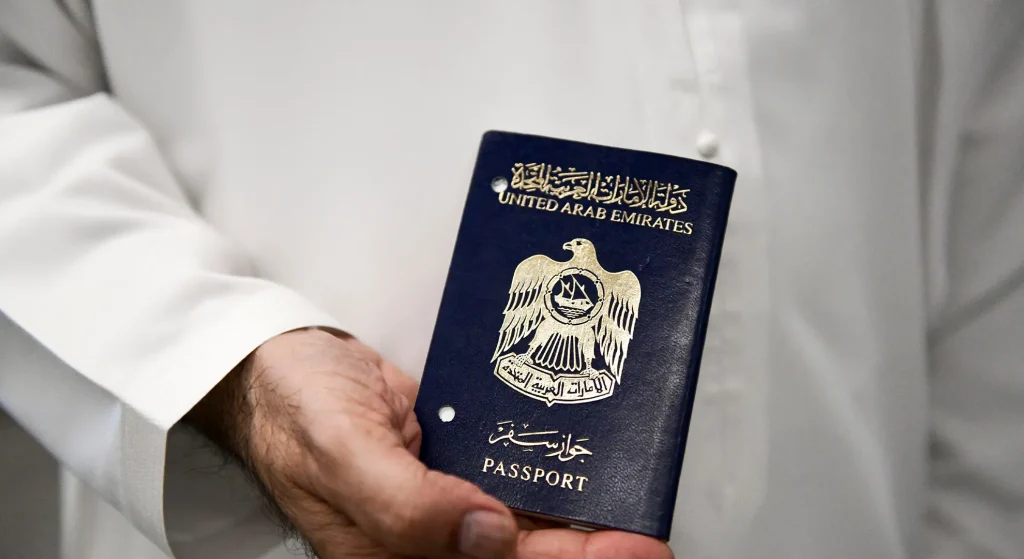
The transformation of the UAE passport over the past decade is particularly notable when viewed in historical context. Moving from 88th place to the number one position represents a significant shift in global mobility standing. This change illustrates how targeted government initiatives, combined with sustained diplomatic engagement, can have a major impact on a country’s international accessibility.
The Passport Force Initiative, in particular, is often highlighted as a turning point in this progress. By focusing specifically on improving passport strength as a national priority, the UAE was able to coordinate efforts across different government departments and diplomatic channels. This unified approach helped accelerate negotiations and expand travel partnerships more efficiently.
In addition, the UAE’s emphasis on openness and international cooperation has played an important role in shaping perceptions abroad. By positioning itself as a global meeting point for business, tourism, and innovation, the country has encouraged stronger international ties, which in turn have supported more favorable travel arrangements for its citizens.
Today, the UAE passport is widely regarded as one of the strongest in the world, not only in terms of rankings but also in practical travel convenience. The continued expansion of visa-free access reflects a broader trend of increasing global connectivity, with the UAE standing out as one of the most successful examples of this development.
Overall, Arton Capital’s assessment underscores a clear message: the UAE’s rise in global mobility is the result of long-term strategy, consistent diplomatic engagement, and a sustained commitment to expanding international partnerships. While many countries face challenges in improving their passport strength, the UAE has demonstrated a steady and remarkable upward trajectory, ultimately securing its position at the top of the global ranki