Dubai is adopting advanced parking monitoring systems that use AI-powered cameras and smart enforcement vehicles to identify illegal parking, improve traffic management, and ensure smoother urban mobility across the city.
Dubai’s Smart Parking Surveillance: Detecting Violations with AI and Cameras.
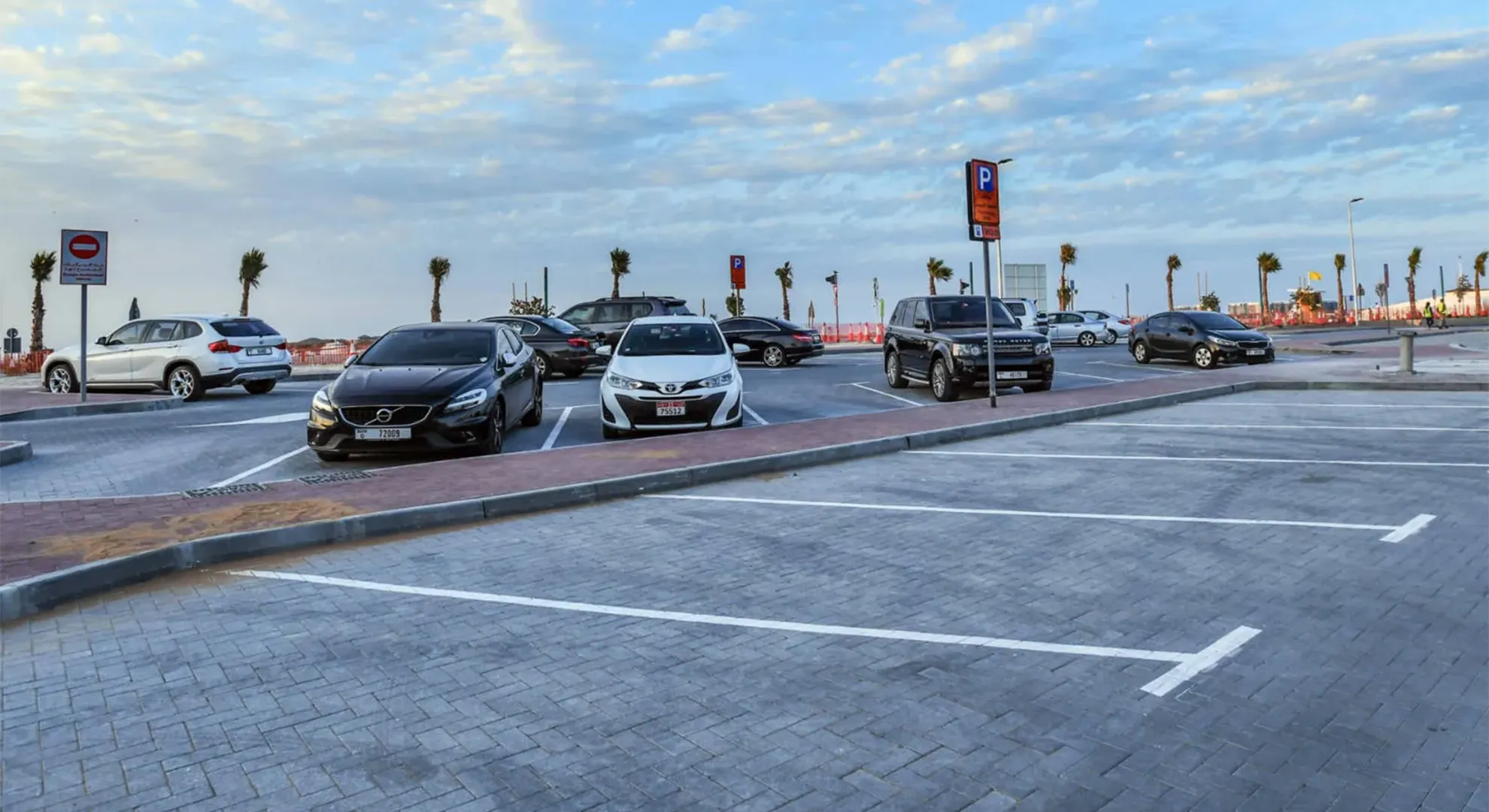
Dubai is rapidly transforming its parking infrastructure through the use of advanced digital technologies, reducing the need for conventional parking inspections and manual enforcement methods. Across many areas of the emirate, artificial intelligence-powered cameras, smart monitoring vehicles, automated number plate recognition systems and cashless payment solutions are being introduced to create a faster and more efficient parking experience for motorists.
The city’s growing smart parking network is designed to improve traffic flow, minimise congestion and simplify the process of detecting parking violations. Instead of relying solely on parking attendants to physically inspect vehicles, Dubai is increasingly depending on automated systems capable of monitoring parking activity in real time.
One of the key players driving this shift is Parkin, which has expanded the use of intelligent curbside and pole-mounted cameras throughout several busy districts in Dubai. The company recently confirmed the deployment of more than 500 AI-supported cameras in major locations such as Trade Centre 1, Burj Khalifa and Al Corniche. These smart devices are designed to monitor parking spaces continuously while collecting data instantly through advanced digital systems.
The cameras use automatic number plate recognition technology to scan vehicle registration plates as cars enter and leave parking areas. Once a vehicle is identified, the system records the exact arrival and departure times, allowing it to calculate how long the vehicle has remained parked. This automated process removes the need for manual ticket checks and allows parking operations to function with greater speed and accuracy.
In addition to tracking parking duration, the system can identify potential parking violations automatically. If a driver fails to make payment for parking or exceeds the permitted parking time, the technology can detect the offence digitally without requiring direct intervention from enforcement officers. Violations are then logged electronically through the integrated monitoring platform.
Dubai’s smart parking initiative also supports fully digital payment methods, helping drivers avoid physical payment machines or paper tickets. Motorists can complete parking transactions through the Parkin mobile application and linked digital wallet services, making the process more convenient and accessible. The integration of smart payment tools is part of the city’s wider effort to encourage contactless and technology-driven public services.
Another major feature of the intelligent parking network is its ability to monitor parking occupancy levels in real time. The AI-enabled cameras can analyse how many parking spaces are available at any given moment, helping authorities manage busy areas more efficiently. This information can also assist drivers by reducing the time spent searching for available parking, particularly in crowded commercial districts and tourist zones.
According to reports, these advanced curbside surveillance systems are among the earliest examples of their kind to be implemented in the region. The technology reflects Dubai’s broader ambition to become a global leader in smart city innovation by integrating AI and automation into urban infrastructure.
Apart from fixed cameras, Dubai is also using specially equipped inspection vehicles fitted with high-resolution cameras and automated scanning technology. These smart vehicles patrol parking zones and can instantly verify whether parked cars have valid parking payments. As the vehicles move through designated areas, the onboard systems scan registration plates and compare them with digital parking records in real time.
This automated approach significantly improves the efficiency of parking enforcement operations. Instead of manually checking individual vehicles, authorities can monitor multiple streets quickly while reducing human error. It also allows enforcement teams to focus on areas with higher traffic demand and recurring violations.
Dubai has additionally introduced barrierless parking systems in certain locations, replacing traditional gate-based parking entry and exit methods. In these systems, cameras automatically recognise vehicles entering and leaving parking facilities without requiring drivers to stop at barriers or ticket booths. Parking fees can then be calculated automatically and deducted through linked accounts or digital payment systems.
Some parking areas are also integrated with Salik, Dubai’s electronic toll collection system. Through this connection, parking charges may be processed automatically using the driver’s registered account information, creating a smoother and more seamless experience for motorists.
Authorities believe that combining AI surveillance, smart vehicles and digital payment technologies can improve overall traffic management while supporting sustainability goals. Automated parking systems help reduce unnecessary vehicle movement caused by drivers searching for parking spaces, which can contribute to lower congestion and reduced fuel consumption.
The increasing use of intelligent parking technology also reflects changing expectations among residents and visitors who are becoming more accustomed to digital services in everyday life. With real-time monitoring, automated enforcement and contactless payment options, Dubai’s parking system is evolving into a more connected and data-driven network aimed at improving convenience and urban mobility.
As the city continues investing in smart infrastructure projects, experts expect AI-based parking solutions to expand further across additional districts in the coming years. The adoption of these technologies demonstrates how Dubai is using innovation to modernise public services while enhancing efficiency, compliance and the overall driving experience.
Dubai is also expanding the use of advanced inspection vehicles equipped with intelligent camera systems to improve parking enforcement across the city. These specially designed vehicles are fitted with roof-mounted cameras and automated scanning technology that can monitor parked cars while driving through designated parking zones.
As the vehicles move along streets and parking areas, the onboard cameras instantly capture and read vehicle number plates using automatic recognition software. The collected data is then matched with the city’s digital parking records to confirm whether parking payments have been made. This allows the system to identify unpaid parking sessions or other violations within a matter of seconds.
The technology significantly reduces the need for parking inspectors to manually walk through parking spaces and check vehicles one by one. Instead of carrying out physical inspections, authorities can now rely on real-time digital verification that speeds up the entire enforcement process. The automated system also improves accuracy while helping parking operators manage large areas more efficiently.
These smart inspection vehicles are particularly useful in crowded commercial districts and high-traffic locations where thousands of vehicles may be parked every day. Monitoring such areas manually can be time-consuming and challenging, especially during peak hours. By using mobile surveillance systems, parking authorities are able to cover wider areas in less time while maintaining continuous monitoring.
The camera-equipped vehicles form part of Dubai’s broader smart city strategy, which focuses on integrating artificial intelligence and automation into public services. Through digital enforcement tools, the city aims to improve traffic flow, reduce congestion and create a smoother parking experience for motorists.
Reports previously published by Khaleej Times highlighted the large scale of the operation. According to the report, Parkin’s smart inspection fleet scanned nearly 20.6 million vehicle number plates during the first quarter of 2026 alone. The figures demonstrate how extensively the technology is already being used across Dubai’s parking network.
Authorities believe these systems can help increase compliance with parking regulations while reducing operational costs linked to traditional enforcement methods. Since the vehicles can automatically detect parking violations in real time, enforcement teams can respond more efficiently without requiring large numbers of inspectors on the ground.
As Dubai continues investing in intelligent transport infrastructure, the use of AI-powered inspection vehicles is expected to expand further in the future. The initiative reflects the emirate’s ongoing push towards modern, technology-driven urban management systems designed to enhance convenience, efficiency and mobility throughout the city.

Although Dubai has increasingly adopted smart parking technologies and automated monitoring systems, parking inspectors still play an important role in managing parking compliance across the city. In many districts, inspectors continue to patrol parking areas and are frequently equipped with handheld electronic devices that allow them to quickly review parking information for individual vehicles. These devices help confirm whether a driver has successfully paid the required parking fee and whether the parking session remains valid.
During inspections, officials also verify if motorists have selected the correct parking zone while making their payment. Since parking regulations and charges may vary between zones, choosing the wrong area can result in penalties even if payment has been made. Inspectors additionally monitor the duration of parked vehicles to identify cases where drivers have stayed beyond the permitted time limit.
Manual inspections remain an effective method for ensuring that parking rules are followed and for reducing unauthorized parking in busy areas. However, the city is steadily moving toward more advanced digital solutions, including automated cameras, smart sensors, and integrated payment systems. These technologies are designed to improve efficiency and reduce the need for constant physical monitoring by parking staff.
As automation continues to expand throughout Dubai, the reliance on traditional manual inspections is gradually decreasing in some locations. Nevertheless, human inspectors are still necessary in many areas to support enforcement efforts and handle situations that automated systems may not fully manage.
Dubai has been steadily transforming its parking infrastructure through the introduction of advanced barrierless parking systems. These modern solutions are designed to simplify parking procedures, reduce congestion at entry and exit points, and improve the overall experience for motorists. Unlike conventional parking facilities that depend on physical gates, paper tickets, and manual validation methods, barrierless parking operates entirely through digital technology and automated monitoring systems.
Under this model, drivers can enter and leave parking areas without stopping at barriers or collecting printed tickets. High-resolution cameras installed at parking entrances and exits automatically scan and record vehicle number plates. The system then tracks the duration of the vehicle’s stay and calculates the applicable parking fee electronically. This eliminates the need for traditional ticket dispensers and minimizes delays caused by queues at parking gates.
Barrierless parking technology has already been implemented at several well-known destinations throughout Dubai. Areas such as Dubai Harbour, Palm Jumeirah, The Beach at JBR, Global Village, and various Union Coop branches have adopted these systems as part of broader smart city initiatives. Many of these facilities are managed through digital parking platforms like Parkonic, which integrate vehicle recognition technology with automated payment services.
One of the major advantages of these systems is the convenience they offer to motorists. Drivers no longer need to search for payment machines, keep track of paper tickets, or manually calculate parking duration. Instead, parking charges are generated automatically based on the time recorded between entry and exit. In many locations, payments are linked directly to digital accounts or vehicle registration details, creating a more seamless parking process.
Dubai’s smart parking ecosystem is also increasingly connected with Salik, the emirate’s electronic toll collection system. In some parking facilities, the vehicle number plate captured by cameras is linked to the driver’s Salik account, allowing parking fees to be deducted automatically. The process works similarly to how toll charges are collected when vehicles pass through Salik gates on major roads. Once the vehicle exits the parking facility, the parking fee is charged digitally without requiring any action from the motorist.
This integration between parking systems and Salik has helped streamline transactions and reduce dependence on cash or physical payment methods. However, motorists are responsible for ensuring that their linked accounts maintain sufficient balance. If an account balance is too low, the system may not be able to process the parking payment successfully. To address this, some operators provide a grace period during which drivers can recharge their accounts before additional penalties are applied.
The transition toward digital parking management represents a significant shift from the older paper-based enforcement methods previously used in Dubai. In earlier years, parking enforcement depended heavily on inspectors manually checking vehicles and issuing physical fines or tickets placed on windscreens. Drivers usually became aware of violations immediately because notices were visibly attached to their cars.
Today, parking enforcement has become far more technology-driven. Automated systems now monitor parking compliance using artificial intelligence, surveillance cameras, and specially equipped inspection vehicles. Instead of relying solely on manual patrols, authorities can digitally verify whether parking payments have been made, whether the correct parking zone has been selected, and whether vehicles have exceeded their permitted parking time.
In many public parking areas operated by Parkin, violations are detected through a combination of advanced technologies and on-ground inspections. Smart patrol vehicles equipped with cameras move through parking zones scanning vehicle number plates in real time. AI-powered systems instantly compare the scanned information with payment databases to determine whether a valid parking session exists. Parking inspectors carrying handheld devices may also conduct supplementary checks when necessary.
If a vehicle is found parked without a valid payment session, motorists can receive a fine of Dh150. Drivers who exceed the duration they initially paid for may face a Dh100 penalty. Since these processes are digitally managed, violations can often be recorded automatically without direct interaction between inspectors and motorists.
In some barrierless parking facilities, drivers may not even realize a violation has been detected because the entire process occurs electronically. Cameras continuously monitor vehicle movements, while backend systems automatically assess payment status and parking duration. This shift toward invisible enforcement reflects Dubai’s broader push toward automation and smart mobility solutions.
Salik-linked parking systems also include additional regulations related to account balances. If parking charges cannot be deducted because a Salik account has insufficient funds, motorists are typically granted five working days to top up their account balance. Failure to do so within the specified period can result in a Dh50 violation. To prevent excessive penalties, the system usually limits such violations to one per day for each vehicle.
For motorists who do not have a registered Salik account, or whose accounts cannot process the required payment, alternative payment methods may still be available in certain locations. Some parking operators allow drivers to complete payment through SMS parking services or other digital channels after the parking session has been recorded.
The increasing adoption of barrierless parking systems forms part of Dubai’s wider smart city vision aimed at improving urban mobility, reducing traffic congestion, and enhancing operational efficiency. By eliminating physical barriers and automating payment processes, authorities can improve traffic flow at busy destinations while reducing waiting times for drivers. Automated systems also help parking operators manage facilities more efficiently by reducing administrative work and minimizing reliance on paper-based procedures.
In addition to improving convenience, digital parking technologies support better data collection and analysis. Operators can monitor parking occupancy, identify traffic patterns, and optimize parking availability using real-time information generated through automated systems. This allows city planners and parking authorities to make more informed decisions regarding infrastructure development and traffic management strategies.
As technology continues to evolve, Dubai is expected to further expand the use of AI-driven parking solutions, automated enforcement tools, and integrated payment systems. While traditional parking inspections still exist in some areas, the city is clearly moving toward a future where parking management becomes increasingly digital, automated, and connected. For motorists, this means adapting to smarter parking systems that rely less on physical interaction and more on seamless electronic monitoring and payment solutions.