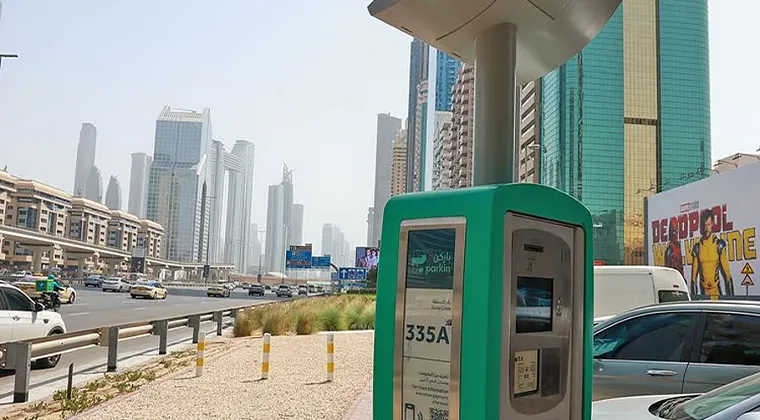
Dubai-based Parkin has installed new curb and pole-mounted parking surveillance cameras across three major sites to improve monitoring, enforcement, and overall parking management efficiency in the city Dubai transport system.
Parkin in Dubai deploys curb and pole-mounted parking cameras at three key locations.
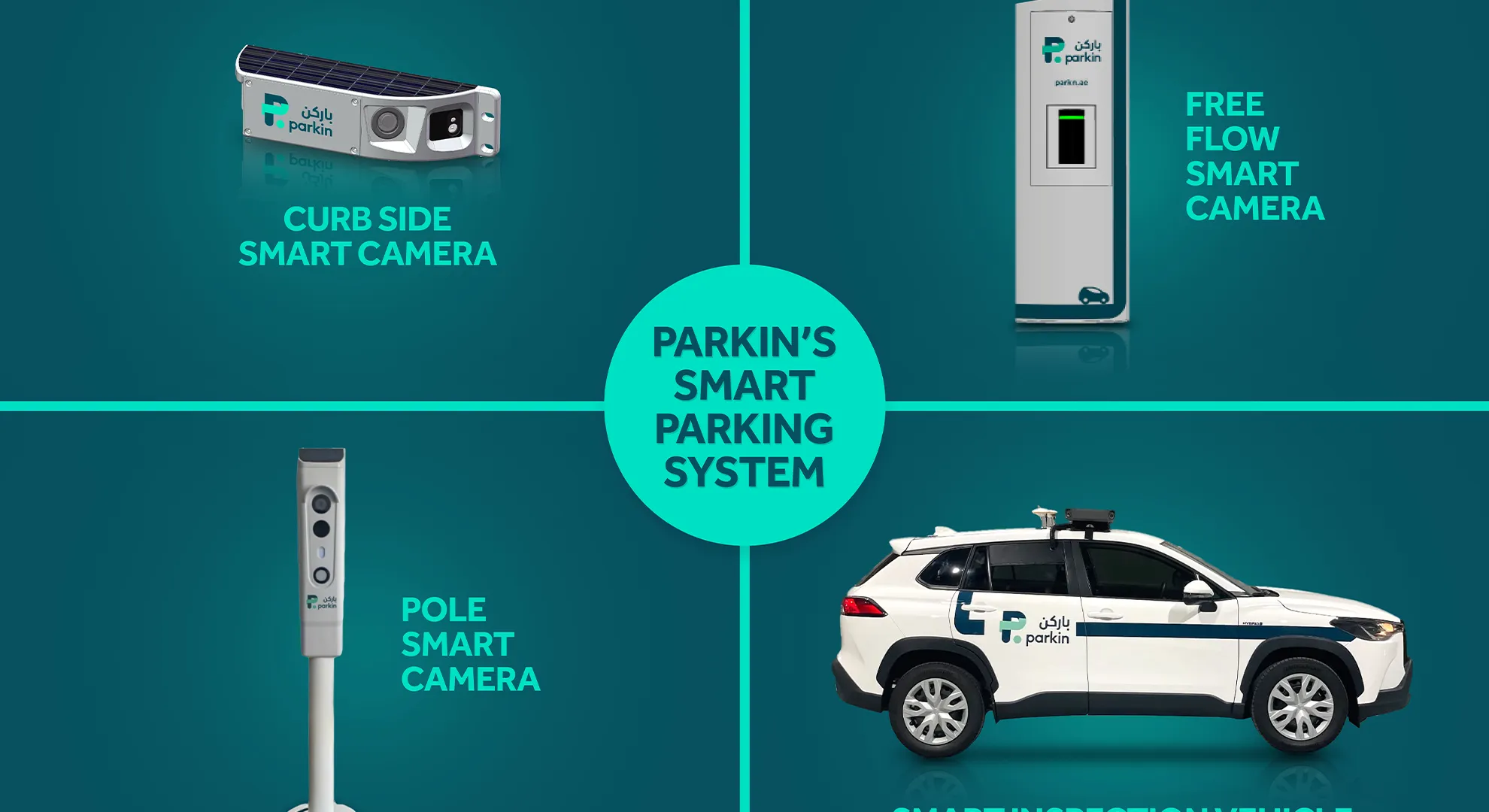
Parkin in Dubai has begun a large-scale upgrade of its on-street and controlled parking infrastructure by introducing an advanced, AI-powered camera-based monitoring system designed to make parking more efficient, transparent, and user-friendly across the emirate. The initiative marks a significant step toward smart city transformation, with a strong focus on automation, digital payments, and improved traffic flow in busy urban zones.
The company announced on Wednesday, May 13, that it is currently in the process of installing more than 500 intelligent parking cameras across three key and highly active locations in Dubai. These installations form the first phase of a broader rollout plan aimed at modernizing parking management systems and reducing manual dependency in enforcement and payment processes.
Introduction of Smart Camera-Based Parking System
At the core of this new development is the deployment of cutting-edge artificial intelligence-enabled surveillance cameras. These devices are designed to automatically capture images of vehicles and accurately recognize number plates without human intervention. By using advanced image recognition technology, the system can process vehicle information in real time, making parking operations more seamless and efficient.
The technology is expected to significantly reduce the need for traditional parking attendants while also improving accuracy in tracking vehicles. It enables automated recording of entry and exit times, which directly supports precise calculation of parking duration and associated fees. This digital approach helps eliminate errors commonly associated with manual ticketing systems and enhances overall service reliability.
Key Locations Covered in Phase One
The first phase of this ambitious project focuses on three major and strategically important areas within Dubai: Trade Centre 1, Burj Khalifa district, and Al Corniche. These locations are known for high traffic density, significant commercial activity, and a constant demand for parking spaces.
By introducing the system in these busy districts, Parkin aims to test and optimize the performance of the technology under real-world, high-pressure conditions. These areas also serve as ideal environments for evaluating how effectively the system can manage fluctuating vehicle volumes throughout the day.
First-of-its-Kind Curb-Side Technology in the Region
One of the most notable aspects of this rollout is the introduction of curb-side parking cameras, which are considered the first of their kind in the region. Unlike conventional parking enforcement systems that rely on periodic checks or manual inspections, these curb-mounted cameras continuously monitor parking activity along streets.
This innovation represents a shift toward fully automated street-level monitoring. The system is designed to provide constant visibility of parking occupancy, allowing authorities to detect violations instantly and manage space availability more effectively. It also contributes to improved compliance with parking regulations by reducing opportunities for misuse or overstaying.
Enhancing User Experience and Reducing Parking Challenges
A key objective of this initiative is to improve the overall parking experience for residents, commuters, and visitors. By leveraging real-time data and automation, the system helps drivers locate available parking spaces more quickly, thereby reducing the time spent circling busy streets in search of a spot.
This reduction in search time not only improves convenience for drivers but also contributes to easing traffic congestion in high-density areas. Vehicles that spend less time roaming for parking spaces lead to smoother traffic flow and reduced fuel consumption, which in turn has environmental benefits as well.
In addition, the system is designed to lower the likelihood of parking violations and fines. Since the technology continuously tracks parking duration and enforces rules automatically, users are less likely to unintentionally exceed time limits or misunderstand payment requirements.
Integration with Digital Payment Systems
Another major feature of the new infrastructure is its integration with digital payment platforms, particularly the Parkin mobile application. The entire system is designed to work seamlessly with the Parkin App, enabling users to manage their parking sessions without needing physical tickets or manual payment processes.
Through the app, users will be able to benefit from auto-payment functionality via the Parkin Wallet system. Once a vehicle is detected entering and exiting a parking zone, the system automatically calculates the fee and deducts the appropriate amount from the user’s digital wallet. This removes the need for manual transaction steps and reduces the risk of payment delays or disputes.
The integration of automated payments also contributes to faster turnover of parking spaces, as vehicles can exit without stopping to process payments at physical machines.
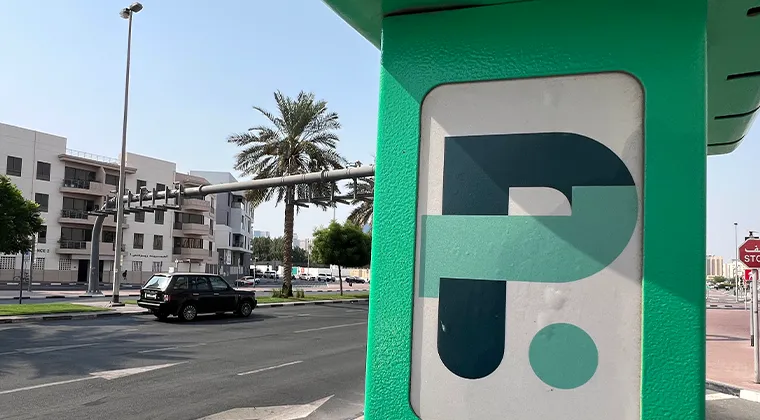
Solar-Powered Infrastructure for Sustainability
In addition to digital innovation, the project also emphasizes sustainability. All of the installed cameras are powered by solar energy, making the system more environmentally friendly and reducing reliance on conventional electricity sources.
The use of solar-powered devices ensures continuous operation even in areas where electrical infrastructure may be limited or difficult to expand. It also aligns with broader sustainability goals by reducing the carbon footprint associated with large-scale surveillance and monitoring systems.
Real-Time Monitoring and Data-Driven Management
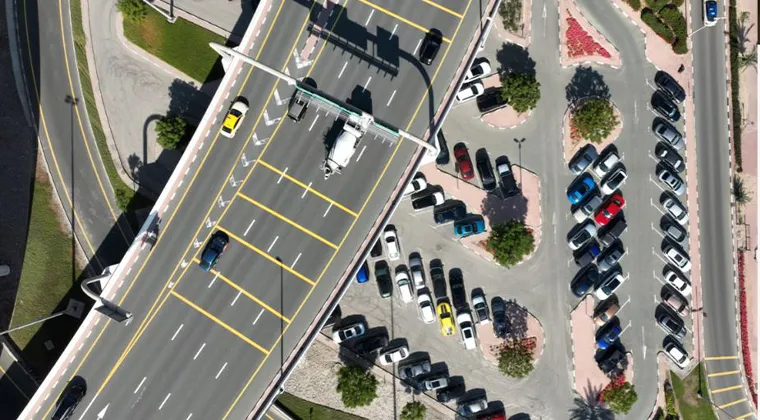
The newly deployed system enables real-time occupancy tracking across all monitored parking zones. This means that authorities and operators can instantly see which spaces are occupied and which are available at any given moment.
Such live data allows for better planning and management of parking resources. It also helps in identifying peak usage times, understanding traffic patterns, and making informed decisions about future infrastructure expansion.
Additionally, real-time monitoring improves enforcement efficiency. Violations such as overstaying, unauthorized parking, or non-payment can be detected immediately, allowing for quicker response and resolution.
Automated Enforcement and Compliance Improvements
One of the key advantages of the AI-powered system is its ability to automate enforcement processes. Instead of relying solely on human inspectors, the cameras can independently identify violations and record necessary evidence for enforcement action.
This reduces the workload on enforcement teams and ensures greater consistency in rule application. It also minimizes human error and improves transparency in how parking regulations are enforced.
Over time, this automated approach is expected to encourage better compliance among drivers, as the likelihood of detection increases significantly.
Expansion Plans and Additional Installations
While the initial phase includes over 500 cameras across three major locations, Parkin has also planned further expansion. In controlled parking areas across Dubai, additional surveillance systems have already been deployed, with around 200 more cameras scheduled for installation in various other locations.This phased expansion strategy allows the company to gradually scale up the system while monitoring its performance and making necessary adjustments along the way. It also ensures that different types of parking environments—both street-side and controlled lots—are covered under the new system.
Improving Urban Mobility and Reducing Congestion
Beyond parking management alone, the introduction of this technology is expected to have a broader impact on urban mobility in Dubai. One of the major causes of traffic congestion in busy areas is drivers circling in search of available parking spaces.
By providing real-time visibility of parking availability and enabling faster parking transactions, the system helps reduce this unnecessary traffic. This leads to smoother traffic flow, less congestion in commercial and residential districts, and a more efficient transportation network overall.
Conclusion
The rollout of AI-enabled parking cameras by Parkin represents a major advancement in the way parking is managed in Dubai. With a combination of smart surveillance, automated payments, solar-powered infrastructure, and real-time data analytics, the system is designed to transform traditional parking operations into a fully digital, efficient, and user-centric service.
By starting with key high-traffic locations and gradually expanding across the city, the initiative aims to create a more organized and predictable parking environment. Ultimately, this modernization effort is expected to benefit both residents and visitors by making parking faster, easier, and more reliable while supporting Dubai’s broader vision of becoming a leading smart city.