Abu Dhabi has introduced smart camera technology on emergency service vehicles to detect and record drivers who do not give way, helping improve road safety and ensuring quicker passage for responders.
Smart camera system on Abu Dhabi emergency fleets targets motorists who fail to yield.
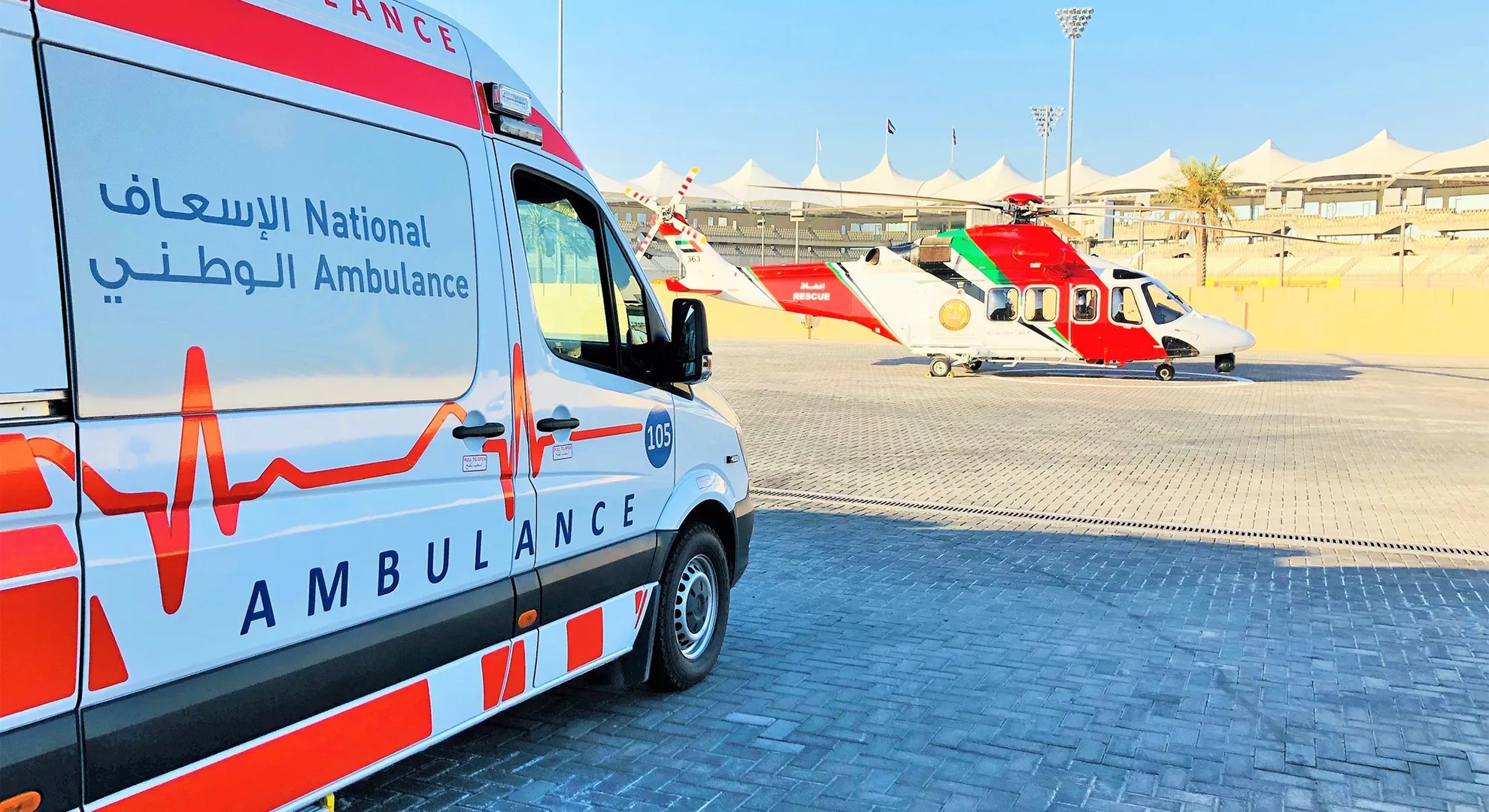
Abu Dhabi authorities have introduced a new smart monitoring system across emergency response fleets, including ambulances, fire trucks, and rescue vehicles, as part of efforts to improve road safety and ensure faster response times during critical incidents. The Abu Dhabi Civil Defence Authority confirmed that advanced camera technology has been integrated into these vehicles, enabling continuous live transmission of road footage directly to central command and control rooms.
According to officials, the primary purpose of this system is to enhance situational awareness for emergency response teams while they are on duty. The cameras installed on emergency vehicles allow operations centres to observe real-time traffic conditions as crews move through city roads. This live visual feed helps authorities better understand congestion patterns, road blockages, and driver behavior that may affect the speed and efficiency of emergency services.
The system also plays a key role in identifying motorists who fail to give way to emergency vehicles. Drivers who obstruct ambulances, fire engines, or rescue units can now be recorded through the integrated surveillance technology. Authorities have indicated that such violations will not only be documented but can also lead to penalties, with fines reaching up to Dh3,000 for non-compliance with traffic rules related to emergency vehicle priority.
Officials explained that the new setup is fully connected to centralized operations rooms, where dedicated teams continuously monitor incoming data and video streams. This direct link between vehicles and command centres allows for immediate assessment of road situations as they unfold, ensuring that emergency coordinators can make faster and more informed decisions.
One of the key advantages of the system is its ability to improve route management for emergency responders. By analyzing live traffic conditions, operations teams can identify congested areas and potential delays along the path of emergency vehicles. This information enables them to suggest alternative routes in real time, helping crews reach incident locations more quickly and efficiently.
The integration of smart cameras is also expected to support broader traffic management efforts in Abu Dhabi. By collecting and analyzing data from emergency vehicle movements, authorities can gain valuable insights into traffic flow patterns across different parts of the city. This data can then be used to improve infrastructure planning, optimize road networks, and reduce recurring congestion points.
In addition to operational benefits, the system is seen as a deterrent against unsafe driving behavior. The presence of surveillance technology on emergency fleets is expected to encourage motorists to comply more strictly with traffic regulations, particularly the requirement to give way to emergency vehicles. Authorities believe that increased awareness of enforcement measures will contribute to safer and more disciplined road usage.
The Abu Dhabi Civil Defence Authority emphasized that ensuring the safety of emergency crews and facilitating rapid response to incidents remain top priorities. By equipping vehicles with advanced monitoring tools, the authority aims to reduce delays caused by traffic obstruction and enhance the overall effectiveness of emergency services.
Officials further noted that the system represents part of a wider strategy to adopt smart technologies in public safety operations. Over recent years, Abu Dhabi has increasingly invested in digital infrastructure and intelligent transport solutions designed to improve efficiency, safety, and coordination across various government services.
The new camera-enabled system also supports better coordination between different emergency units. Since all footage is transmitted to a central control room, teams can communicate more effectively and deploy resources based on real-time conditions. This level of coordination is particularly important during large-scale incidents where multiple emergency services are required to respond simultaneously.
Authorities added that training has been provided to operational staff to ensure effective use of the new system. Control room personnel are responsible for monitoring live feeds, analyzing traffic situations, and guiding field units accordingly. Emergency vehicle crews have also been briefed on how the system operates and how it supports their missions.
Overall, the introduction of smart cameras on emergency vehicles marks a significant step forward in Abu Dhabi’s efforts to modernize its public safety infrastructure. By combining real-time surveillance, data-driven decision-making, and stricter enforcement of traffic laws, the initiative aims to improve response times, enhance road discipline, and ultimately save lives during critical emergencies.
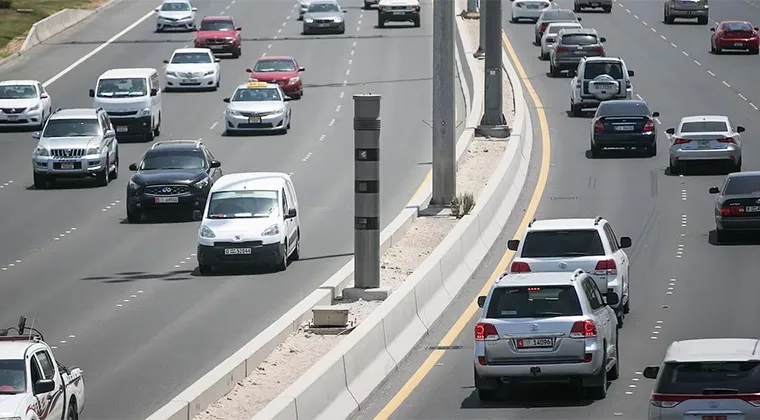
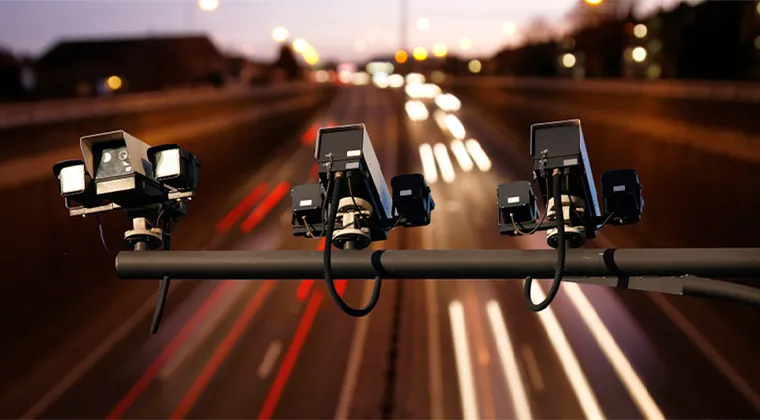
Authorities in Abu Dhabi have reinforced strict penalties for motorists who fail to give way to emergency vehicles, following the rollout of a new smart monitoring system across ambulances, fire trucks, and rescue units. Officials confirmed that video footage captured through the newly installed camera technology will be actively used to identify and penalize drivers who obstruct the movement of emergency responders on the road.
Under UAE traffic regulations, failing to yield to emergency vehicles is treated as a serious violation. Motorists found guilty of this offence can face a financial penalty of Dh3,000, along with additional consequences including 30 days of vehicle impoundment and the addition of six black points to their driving record. Authorities stressed that these measures are designed to ensure strict compliance with road safety laws and to prioritize the rapid movement of emergency services during critical situations.
Civil Defence officials further clarified that drivers are permitted to make way for approaching emergency vehicles even when they are stopped at a red traffic signal. However, they emphasized that this must be done with caution and in a controlled manner, without crossing the intersection in a way that could endanger other road users or violate traffic safety protocols. The guidance aims to strike a balance between enabling quick passage for emergency responders and maintaining overall traffic discipline.
The introduction of these enforcement measures is closely linked to a broader public awareness initiative titled “Don’t Hesitate… Give Way Immediately.” This campaign has been launched in collaboration with several key entities, including Abu Dhabi Police, the Department of Health – Abu Dhabi, and the Integrated Transport Centre. Together, these organizations are working to promote safer driving behavior and increase public awareness about the importance of yielding to emergency vehicles without delay.
The campaign highlights the critical role that every second plays when emergency services are responding to incidents such as road accidents, fires, medical emergencies, and rescue operations. Officials have repeatedly emphasized that even minor delays caused by traffic obstruction can have serious consequences, potentially affecting the ability of paramedics, firefighters, and rescue teams to reach individuals in urgent need of assistance.
By combining stricter enforcement with public education efforts, authorities aim to create a stronger culture of responsibility among drivers. The use of smart cameras on emergency vehicles is expected to act as both a deterrent and an enforcement tool, ensuring that violations are accurately recorded and acted upon. This technological integration allows for real-time monitoring of traffic behavior and provides clear evidence in cases where drivers fail to comply with legal requirements.
Officials involved in the campaign noted that improving compliance with emergency vehicle right-of-way rules is not only a legal obligation but also a civic responsibility. They stressed that road users must remain alert and responsive when sirens or flashing lights indicate the approach of emergency units. The expectation is that drivers should immediately adjust their position on the road in a safe manner to allow unimpeded passage.
The “Don’t Hesitate… Give Way Immediately” initiative also focuses on educating the public about proper behavior in different traffic scenarios. For example, drivers are advised on how to safely move to the side of the road, how to respond in congested traffic conditions, and how to act at intersections when emergency vehicles are approaching from behind. These guidelines are intended to reduce confusion and encourage quick, correct decision-making on the road.
Authorities have reiterated that emergency response times are directly linked to public cooperation. Ambulances transporting patients in critical condition, fire engines responding to active incidents, and rescue teams deployed to accident sites all depend on clear and unobstructed road access. Any delay, even by a matter of seconds, can significantly impact outcomes in life-threatening situations.
In addition to enforcement and awareness, officials are also leveraging technology to improve accountability. The integration of smart surveillance systems on emergency fleets ensures that violations do not go unnoticed. Recorded footage can be reviewed by operations centres and traffic authorities, allowing for accurate identification of offending vehicles and subsequent legal action.
The campaign reflects a broader commitment by Abu Dhabi authorities to enhance road safety standards and align with international best practices in traffic management and emergency response. By combining legal deterrents, public awareness initiatives, and advanced monitoring systems, the emirate aims to reduce violations and ensure smoother passage for emergency services across its road network.
Ultimately, officials have emphasized that the success of these measures depends heavily on public cooperation. Drivers are encouraged to remain vigilant, follow traffic rules strictly, and prioritize the movement of emergency vehicles at all times. The overarching message of the campaign is clear: giving way without hesitation can make a life-saving difference, and responsible driving behavior plays a crucial role in protecting the community as a whole.