As demand for real estate continues to rise across the UAE, Abu Dhabi is increasingly being viewed by investors as a promising destination offering strong growth potential, attractive returns, and long-term property investment opportunities.
Could Abu Dhabi Be the Next Big Opportunity in UAE Property Investment?
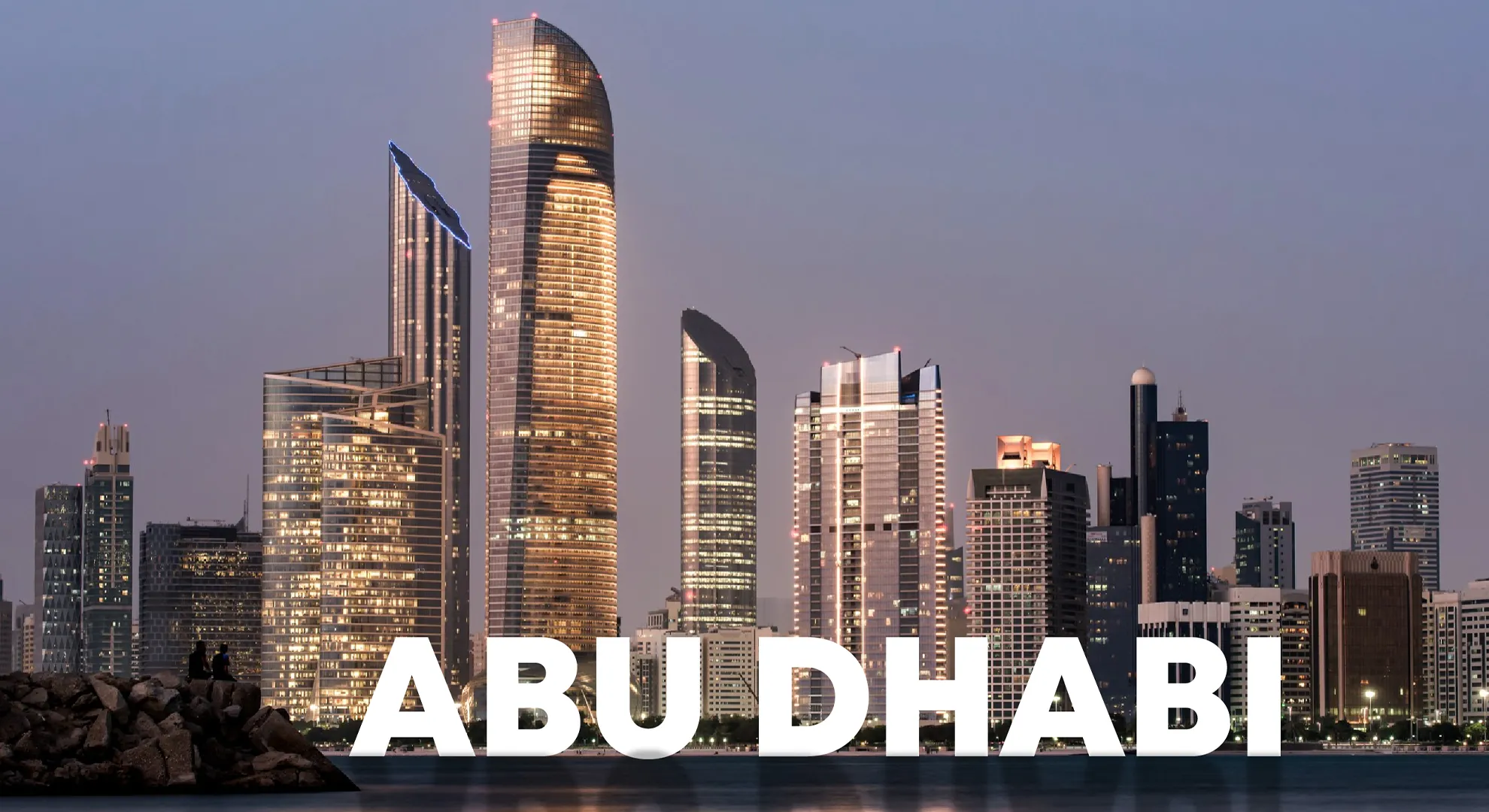
Abu Dhabi’s housing sector continued to record strong performance during the opening quarter of 2026, supported by rising demand for completed homes and growing confidence among investors and end-users. Market analysts noted that residential prices, particularly in established communities, maintained a steady upward trend as buyers increasingly preferred ready-to-move-in properties over off-plan developments.
During the first three months of the year, developers delivered 2,018 apartment units and 392 villas across the emirate. Despite this addition to the market, the completed inventory represented only 13.1 percent of the total residential supply expected to be handed over during 2026. The relatively limited volume of new deliveries compared with projected annual supply has contributed to tighter market conditions, especially in popular freehold locations where demand remains consistently high.
According to data released by property consultancy and research firm ValuStrat, Abu Dhabi’s freehold residential market showed significant appreciation in capital values in Q1 2026. The ValuStrat Price Index climbed to 148 points during the quarter, reflecting a quarterly increase of 6.4 percent and a year-on-year rise of 17.8 percent. This marks a noticeable acceleration compared with the previous quarter, when prices had increased by 4.3 percent quarter-on-quarter and 13.1 percent annually.
The latest figures suggest that the emirate’s property sector is entering a more mature growth phase, driven by a combination of limited ready supply, population growth, improved economic activity, and sustained investor appetite. Apartments recorded particularly strong demand as both local and international buyers sought properties in well-developed residential districts offering quality infrastructure, lifestyle amenities, and proximity to business hubs.
Industry experts believe that Abu Dhabi’s comparatively affordable property prices, especially when compared with neighboring Dubai, are continuing to attract buyers looking for long-term value. The capital’s residential market is also benefiting from ongoing government initiatives aimed at strengthening economic diversification, enhancing foreign investment opportunities, and improving overall quality of life.
Haider Tuaima, Managing Director and Head of Real Estate Research at ValuStrat, explained that Abu Dhabi’s property market remains on a positive growth path, with residential capital values rising at a faster pace than in previous quarters. He noted that the emirate is currently positioned at a different stage of the real estate cycle compared to Dubai, which has already experienced several years of rapid price growth.
Tuaima added that Abu Dhabi still offers relatively accessible entry prices for homebuyers and investors, making it an attractive option for end-users seeking stable long-term investments. This affordability factor, combined with increasing confidence in the emirate’s economic outlook, has continued to fuel transaction activity and support price appreciation.
Analysts also highlighted that demand for completed units has become more pronounced as buyers prioritize immediate occupancy and lower project completion risks. Established residential communities with proven infrastructure and strong rental yields are emerging as key beneficiaries of this trend.
With additional projects expected to be delivered later in the year, market observers anticipate that Abu Dhabi’s residential sector will continue to experience healthy activity throughout 2026. However, if demand continues to outpace the availability of ready homes, property values could remain on an upward trajectory in the coming quarters.
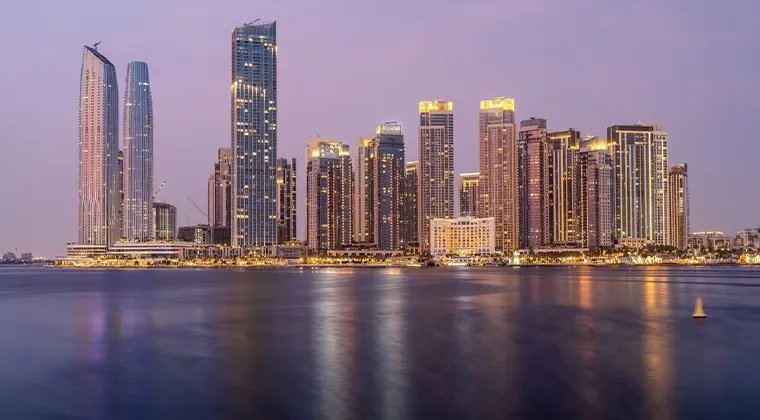
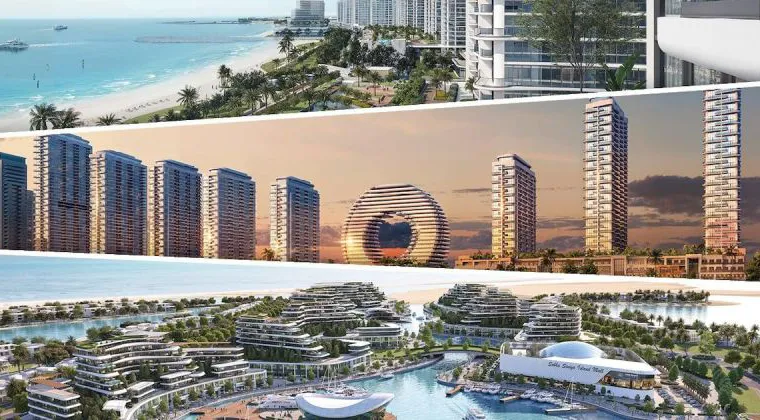

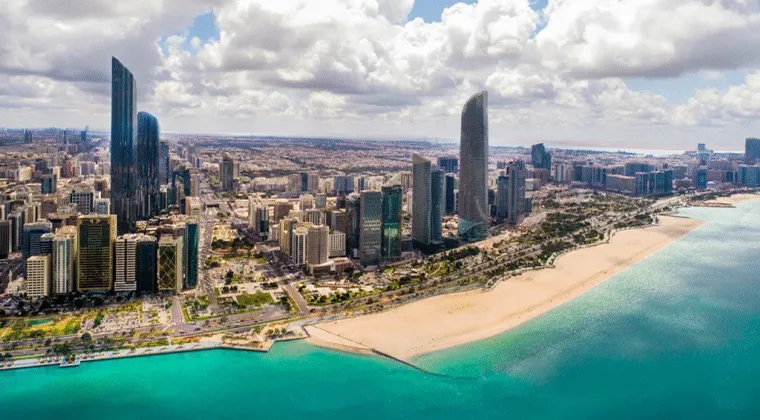
Abu Dhabi’s real estate market continued to demonstrate resilience and strong underlying demand during the first quarter of 2026, despite ongoing geopolitical uncertainty across the wider Middle East region. According to a recent report by property consultancy ValuStrat, there are currently no major signs indicating that regional political tensions have had a direct or significant impact on the emirate’s property sector. Analysts noted that while broader economic or geopolitical developments may eventually influence investor sentiment and market activity, any such effects have not yet materially filtered through to Abu Dhabi’s residential and commercial real estate landscape.
The report highlighted that the capital’s property market remained firmly supported by healthy demand, controlled supply levels, and strong investor interest, particularly in the off-plan residential segment. Market fundamentals continued to strengthen across several key indicators, including property prices, rental performance, occupancy levels, and transaction activity.
During the opening quarter of 2026, Abu Dhabi added a limited number of new homes to the market. Developers completed a total of 2,018 apartments and 392 villas across various residential communities in the emirate. Although these handovers contributed additional inventory, they represented only 13.1 percent of the projected residential pipeline expected to be delivered throughout the full year. The relatively measured pace of supply has helped maintain upward pressure on both property values and rental rates, particularly in established and high-demand neighborhoods.
Among the strongest-performing communities during the quarter was Al Reef, which recorded the highest annual growth rates in both apartment and villa prices. Apartment values in the area increased by 36.6 percent year-on-year, while villa prices rose by 26.9 percent compared to the same period last year. The performance reflects growing buyer confidence in suburban residential communities that offer affordability, family-oriented amenities, and strong rental demand.
Saadiyat Island also remained one of Abu Dhabi’s top-performing residential destinations. The premium waterfront district experienced annual capital appreciation of 15.4 percent overall, supported by sustained demand for luxury housing and lifestyle-driven developments. Apartment prices on the island recorded a similarly strong annual increase of 15.3 percent, although growth in this segment was slightly slower compared to previous quarters. Even so, the district continued to attract both local and overseas buyers seeking high-end residential properties with access to cultural attractions, beachfront locations, and world-class infrastructure.
The report indicated that Abu Dhabi’s rental market maintained stable momentum during the first quarter. While the residential rental index remained largely unchanged compared to the previous quarter, it still posted an annual increase of 5.9 percent, reaching 128.1 points. Occupancy levels across the residential sector remained healthy, averaging 88.1 percent citywide, demonstrating continued demand for leased accommodation despite rising rental costs.
Average asking rents for apartments within Abu Dhabi City stood at approximately Dh121,500 annually during the quarter. Villas across the emirate recorded significantly higher rental averages, with annual asking rents reaching around Dh260,000. The sustained strength in rental values has been driven by limited supply in prime areas, rising population levels, and increased demand from professionals and expatriate families relocating to the capital.
One of the most notable trends identified in the report was the continued surge in off-plan property activity. Abu Dhabi’s off-plan market recorded exceptionally strong transaction volumes during the first quarter, reflecting growing investor confidence in future development prospects and long-term capital appreciation. A total of 6,416 off-plan transactions were registered during Q1 2026, representing approximately 80 percent of all residential sales recorded in the emirate during the period.
This figure marked a substantial quarterly increase of 20.6 percent, underscoring the growing popularity of newly launched projects among investors and end-users alike. Developers continued to introduce attractive payment plans, flexible financing structures, and lifestyle-focused master communities, which helped stimulate buyer activity despite rising property prices.
Average off-plan residential prices increased significantly during the quarter, climbing 21.6 percent quarter-on-quarter to reach Dh2,191 per square foot. At the same time, the average transaction value for off-plan purchases rose sharply to Dh5.2 million, suggesting that high-net-worth buyers and institutional investors are becoming increasingly active within Abu Dhabi’s property market.
Industry observers believe the growing dominance of off-plan sales reflects confidence in the emirate’s long-term economic vision, infrastructure expansion, and future population growth. Investors are increasingly targeting projects in strategic locations that are expected to benefit from future development, tourism growth, and improved connectivity.
In contrast, the ready-property market experienced a temporary slowdown during the quarter. Transactions involving completed residential units declined by 16.3 percent compared with the previous quarter. Analysts attributed this decline partly to seasonal influences, particularly the timing of Ramadan and Eid holidays, which traditionally result in lower transaction volumes and reduced market activity during certain weeks of the quarter.
Despite the decline in transaction numbers, pricing within the ready-home segment remained strong. Average prices for completed residential properties increased by 25 percent year-on-year, highlighting continued demand for move-in-ready homes in established communities. Many buyers continued to prioritize completed units due to lower delivery risks, immediate occupancy opportunities, and stable rental income potential.
ValuStrat’s findings also suggested that Abu Dhabi’s relatively controlled supply environment has played a major role in supporting price appreciation across both the ready and off-plan segments. Unlike some regional markets that have experienced rapid oversupply cycles in previous years, Abu Dhabi has maintained a more measured approach to new project deliveries. This balance between supply and demand has helped sustain market stability while allowing capital values to continue rising steadily.
Beyond the residential sector, Abu Dhabi’s office market also demonstrated robust performance during the first quarter of the year. Demand for commercial office space remained resilient, supported by business expansion, government investment initiatives, and continued economic diversification efforts across the emirate.
Office asking rents increased by 4.4 percent on a quarterly basis and by 21.3 percent year-on-year, reflecting growing demand for quality office space within key business districts. Occupancy levels across Abu Dhabi’s central business districts averaged approximately 90 percent, indicating strong leasing activity and limited availability in premium commercial locations.
The strengthening office market is being supported by increased activity across sectors such as finance, technology, energy, consulting, and professional services. Companies continue to establish or expand regional operations in Abu Dhabi as the emirate strengthens its position as a regional business and investment hub.
Analysts noted that Abu Dhabi’s broader economic transformation agenda continues to support confidence across both residential and commercial property sectors. Government-led initiatives focused on attracting foreign investment, promoting tourism, enhancing infrastructure, and supporting private-sector growth have contributed to improving long-term market sentiment.
However, despite the strong performance recorded during the first quarter, ValuStrat cautioned that market conditions during the second quarter of 2026 will be closely monitored due to evolving geopolitical developments and changing regional economic conditions. While no immediate impact has yet been observed, analysts acknowledged that prolonged uncertainty or shifts in global economic trends could eventually influence investor behavior, financing conditions, and transaction activity.
The consultancy emphasized that Abu Dhabi’s property market remains relatively well-positioned due to its stable regulatory framework, diversified economy, and measured supply pipeline. Nonetheless, external economic pressures, fluctuations in oil prices, interest rate movements, and regional political developments remain important factors that could shape market performance in the coming months.
Overall, the first quarter of 2026 reflected continued strength across Abu Dhabi’s real estate sector, with rising property values, stable rental growth, robust off-plan activity, and resilient commercial performance reinforcing the emirate’s growing appeal among investors, developers, and end-users. As demand continues to outpace available supply in several key segments, the capital’s property market appears set to maintain positive momentum, provided broader regional and global economic conditions remain supportive.