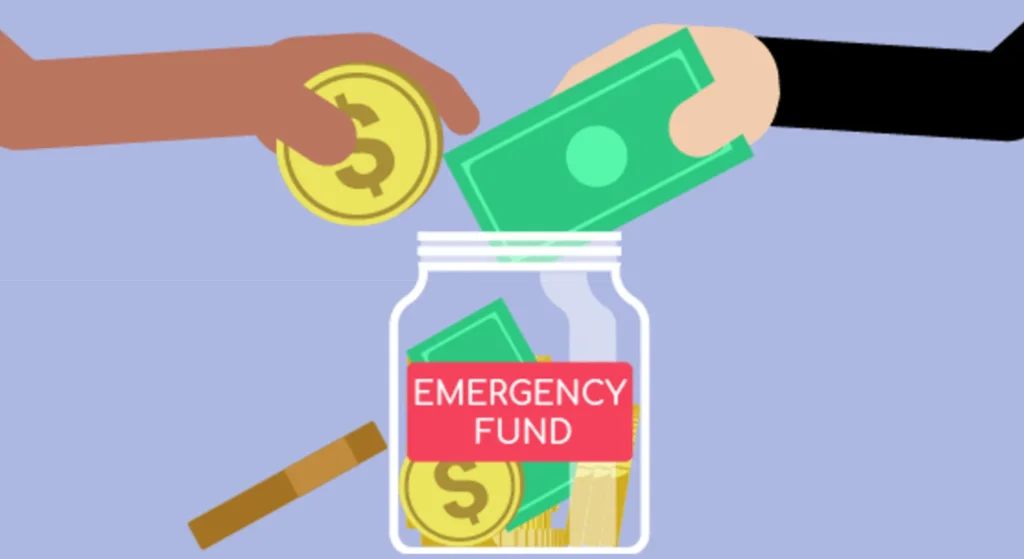
As living costs continue to rise, financial experts urge UAE residents relying on monthly paychecks to establish an emergency fund capable of covering at least six months of essential expenses.
Living salary to salary? Why UAE residents should prioritise creating a six-month financial safety cushion.

Amid increasing job losses and salary reductions, financial specialists recommend moving beyond traditional saving strategies and maintaining emergency savings that can support six to nine months of regular living costs.
As a growing number of professionals in the UAE continue to depend heavily on their monthly salaries to manage everyday expenses, financial advisers are stressing the importance of maintaining a dedicated emergency fund. Experts say the current economic environment — marked by job uncertainty, salary reductions and temporary unpaid leave in some sectors — has highlighted the need for stronger financial preparedness among residents.
According to financial specialists, traditional approaches to saving may no longer be sufficient in today’s unpredictable market conditions. In the past, many individuals focused mainly on long-term investments while giving less attention to maintaining accessible cash reserves. However, experts now believe that having immediate financial protection is just as important as planning for future wealth creation.
Sonal Chiber, Senior Financial Services Consultant at Crisil Coalition Greenwich, said building emergency savings has become an essential part of maintaining financial stability. She explained that people should not rely solely on investment portfolios when unexpected financial challenges arise, as long-term investments may not always provide quick access to cash during emergencies.
Chiber advised residents to maintain a separate reserve specifically designed to cover urgent or unforeseen expenses. According to her, individuals should ideally save enough money to support at least six to nine months of necessary living costs, including rent, utilities, groceries, school fees and loan repayments.
She further explained that emergency savings should be placed in secure and easily accessible financial products rather than high-risk investment options. Suitable choices may include savings accounts, fixed deposits with quick withdrawal options or low-risk money market funds that allow immediate access to funds when needed.
Financial planners also note that separating emergency funds from long-term investments helps individuals avoid withdrawing from retirement or wealth-building assets during periods of financial stress. Experts believe this strategy not only protects future financial goals but also provides greater peace of mind during uncertain economic periods.
Avoiding the cycle of debt
Financial experts caution that losing a job or experiencing a temporary reduction in income can push many families toward borrowing money to cover urgent expenses such as rent, school tuition or utility bills. While loans may appear to offer immediate relief during difficult times, specialists warn that relying on debt without a clear repayment strategy can create long-term financial problems that are difficult to escape.
Professionals in the financial and legal sectors say many residents underestimate the risks associated with borrowing during periods of uncertainty. They explain that taking on additional liabilities when income is unstable can quickly turn a short-term cash shortage into a prolonged financial burden.
Michele Carby of The Michele Carby Practice said the legal and financial environment in the UAE makes irresponsible borrowing particularly risky. According to her, individuals facing financial pressure should carefully assess their options before applying for loans or seeking informal sources of funding.
Carby explained that personal loans obtained during financially stressful situations can lead to serious consequences if repayments are missed. In some cases, lenders may take action to recover debts through legal channels, which could affect an individual’s broader financial standing. She noted that defaults may also impact other existing financial commitments, especially when multiple liabilities are linked to the same borrower.
She further warned that severe cases of non-payment can result in significant legal complications, including restrictions that may affect a person’s ability to travel. Financial obligations in the UAE are treated seriously, making it essential for residents to avoid borrowing beyond their repayment capacity.
Financial content creator Kartik Iyer also cautioned against using debt as a temporary solution without addressing the root cause of financial instability. He said many people make the mistake of delaying difficult financial decisions by borrowing additional money, only to face larger repayment obligations later.
According to Iyer, taking loans without confidence in future income can increase financial vulnerability rather than solve the immediate problem. He stressed that individuals should focus on rebuilding stability and reducing expenses instead of depending heavily on borrowed funds.
He also highlighted the dangers associated with illegal or unregulated lending arrangements, which sometimes attract individuals who cannot access traditional banking services. Such arrangements often involve extremely high interest rates, aggressive collection practices and serious legal risks. Experts strongly advise residents to avoid informal lenders entirely, regardless of how urgent their financial situation may seem.
Building financial protection gradually
Financial advisers agree that creating an emergency fund is one of the most effective ways to reduce dependence on borrowing during difficult times. Experts emphasize that building financial security does not require large savings immediately; instead, consistency and disciplined planning are considered more important.
Kartik Iyer recommends beginning with a clear understanding of monthly spending habits. He explained that many people underestimate their actual expenses because they rely on rough estimates instead of detailed tracking. Carefully monitoring all regular costs — including rent, groceries, transport, insurance and utility bills — helps individuals determine how much emergency savings they truly need.
Once spending patterns are identified, Iyer advises residents to gradually build a reserve capable of covering at least three months of essential expenses. For households with children or multiple dependents, he suggests increasing the target to six months or more to provide greater financial stability during periods without income.
He stressed that emergency savings should remain untouched except during genuine crises. According to him, financial resilience should take priority before pursuing high-return investments or speculative financial opportunities.
Michele Carby recommends following a structured budgeting system to maintain balance between daily expenses, savings and long-term goals. Under her suggested approach, around half of monthly income should be allocated to fixed necessities such as housing, utility payments, school fees and transportation.
She advises directing approximately 20 per cent of income toward emergency savings, while another 20 per cent can be invested for medium- and long-term financial growth. The remaining 10 per cent may be used for leisure, entertainment or discretionary purchases. Experts say this framework helps individuals manage finances responsibly while ensuring savings remain a priority.
Making saving automatic
For many residents, consistently setting money aside can be difficult, especially when managing rising living expenses. Beth Clay, Financial Wellness Consultant at Financed Well, believes automation can help overcome this challenge.
According to Clay, relying entirely on willpower often leads to inconsistent saving habits. Instead, she recommends creating systems that automatically transfer a portion of income into savings as soon as salaries are received. This method reduces the temptation to spend money intended for emergencies.
Clay suggests aiming for savings equal to three to six months of basic living expenses, depending on family size and financial responsibilities. She also advises keeping emergency funds separate from regular spending accounts to avoid unnecessary withdrawals.
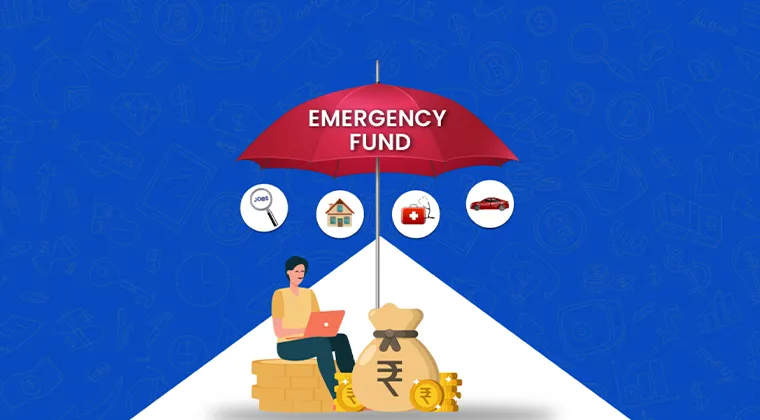

Once a stable emergency reserve has been established, Clay recommends gradually investing between 10 and 15 per cent of monthly net income to support future financial goals such as retirement, education or property ownership.
Exploring legal side income opportunities
For individuals struggling to build savings due to limited income, experts say earning additional money through legal side work can provide support. Salam Pappinissery, CEO of Yab Legal Services, encouraged residents to consider freelance or part-time opportunities that match their professional skills and experience.
He explained that many people can generate supplementary income by offering services in areas where they already possess expertise. However, he stressed that all secondary employment in the UAE must comply fully with labour and immigration regulations.
According to Pappinissery, residents should obtain the necessary approvals before taking on freelance assignments or additional work. This may include securing a formal work permit or receiving a No Objection Certificate (NOC) from their current employer or sponsor.
He warned that participating in unofficial or unlicensed work arrangements can result in severe legal consequences, including fines, visa complications or deportation. For this reason, experts advise residents to prioritize lawful and regulated income opportunities when trying to strengthen their financial position.
Financial specialists ultimately agree that emergency savings, disciplined budgeting and responsible financial planning are becoming increasingly important in today’s uncertain economic climate. By building a financial safety net and avoiding unnecessary debt, residents can better protect themselves and their families from unexpected setbacks.
Finding opportunity in financial setbacks
Although losing a job or facing a salary reduction can feel overwhelming, financial experts emphasize that such moments do not necessarily define long-term outcomes. Instead, they argue that with the right mindset and planning, setbacks can become turning points that lead to stronger financial stability and new opportunities.
Sonal highlighted an example of a mid-level professional in the UAE who initially faced financial pressure after experiencing a reduction in salary. Rather than viewing the situation as purely negative, she chose to reassess her career direction and financial priorities.
According to Sonal, the individual began by evaluating her professional skills and identifying areas where she could offer services independently. This reflection eventually led her to transition into consulting work, allowing her to generate income without relying solely on a traditional full-time role.
At the same time, she made practical adjustments to her lifestyle. Non-essential spending was reduced, and fixed expenses were carefully reviewed to ensure better financial balance. Even though her income had decreased initially, these changes helped her maintain stability while she rebuilt her financial base.
Sonal explained that the professional also focused on creating a small emergency fund, even if it was built gradually over time. Alongside this, she diversified her income sources by taking on multiple smaller projects instead of depending on a single employer. Over the course of a year, this approach allowed her to regain confidence and improve her financial independence.
She noted that by responding quickly and adapting to changing circumstances, the individual ultimately achieved a stronger financial position than she had before the salary cut. According to Sonal, this example demonstrates that flexibility and willingness to adjust can make a significant difference during periods of economic uncertainty. Those who remain open to change, she said, are often better positioned to recover and even progress further.
Michele echoed similar sentiments, pointing out that past economic disruptions have shown how individuals who remain financially prepared are often able to benefit when conditions improve. She referred to the period following the Covid-19 pandemic as a clear example, particularly in the UAE, where the property market experienced a strong recovery.
She explained that many residents who had maintained financial discipline during the downturn were able to take advantage of investment opportunities when markets rebounded. In contrast, those who were financially unprepared struggled more significantly during the same period.
Michele observed that the pandemic acted as a critical reminder for many households about the importance of financial planning. Many individuals had grown accustomed to stable incomes and predictable lifestyles, which led to a sense of security that was later challenged by unexpected global events.
She said that this experience should encourage residents to rethink their financial strategies and avoid assuming that stability will always remain unchanged. According to her, economic disruptions are not rare events, and preparing for them is essential for long-term financial well-being.
Experts believe that resilience is not only about surviving difficult periods but also about using those moments to reassess priorities and build stronger foundations for the future. They suggest that individuals who take proactive steps—such as improving skills, reducing unnecessary expenses and creating multiple income sources—are more likely to regain control of their financial situation after setbacks.
Ultimately, financial advisers stress that uncertainty can also serve as a catalyst for growth. While job loss or income reduction may initially feel discouraging, they argue that it can also open doors to new career paths, entrepreneurial ventures or more disciplined financial habits.
In this way, experts say, challenges in employment and income should not be viewed solely as losses, but rather as opportunities to restructure financial life in a more sustainable and secure direction.