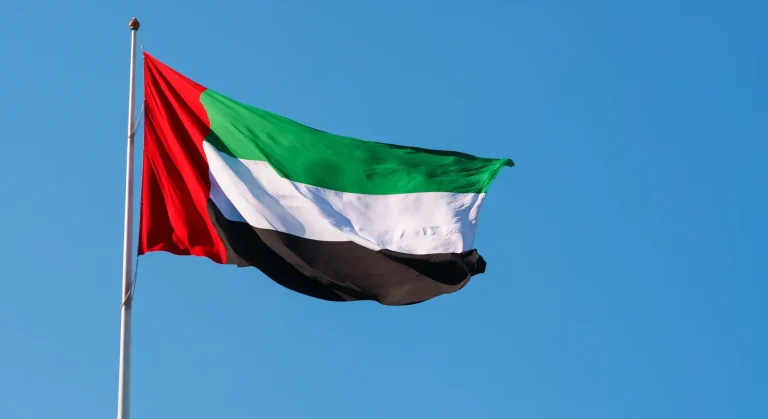
The UAE has reacted to reported Iranian aerial attacks while former US President Trump insists that the ceasefire agreement is still holding and tensions remain under close international watch.
UAE responds to Iranian air assault amid Trump’s claim that ceasefire remains active.
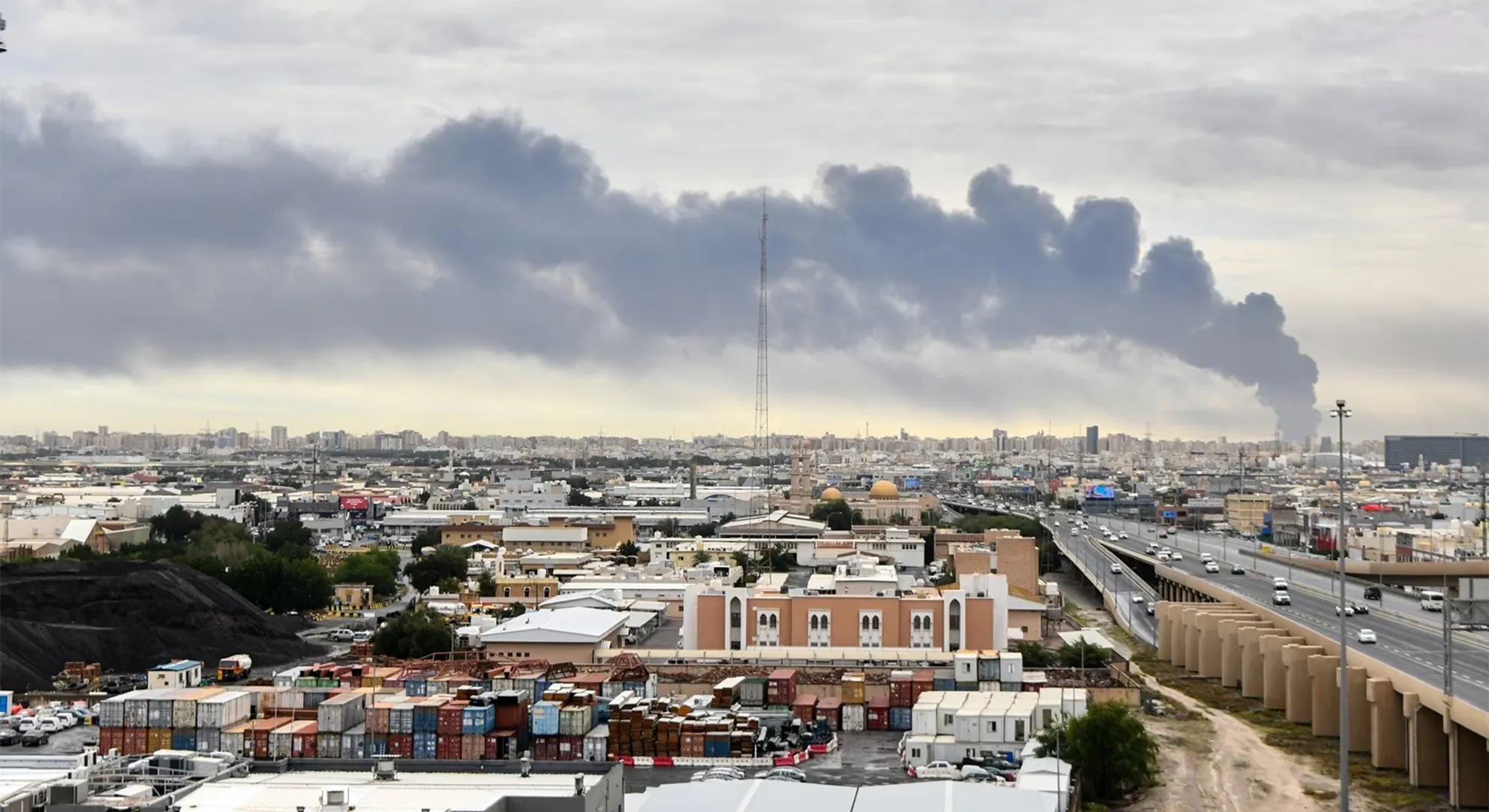
Trump informed journalists that the ceasefire continued to hold and attempted to minimise the significance of the recent exchange of actions between the parties involved.
US ally the United Arab Emirates reported that its air defence systems were actively intercepting missile and drone threats originating from Iran in the early hours of Friday, marking another serious strain on an already fragile ceasefire arrangement between Washington and Tehran that has been in place for about a month. Officials said the situation remained fluid, with limited verified details immediately available regarding the scale or impact of the latest incident.
The reported attack on the UAE followed a day of heightened military exchanges near the Strait of Hormuz, a strategically vital waterway through which a significant portion of global oil and liquefied natural gas shipments pass. Tensions in the region have remained elevated since the onset of the conflict, with Iran frequently accused of targeting Gulf states that host US military installations, including the UAE.
At the same time, diplomatic uncertainty continues to grow as Washington awaits an official response from Tehran regarding a proposed framework aimed at de-escalating hostilities and potentially bringing an end to the ongoing confrontation. The situation remains complex, with both military activity and political negotiations unfolding in parallel.
Former US President Donald Trump stated on Thursday that three US Navy destroyers were reportedly fired upon while transiting through the Strait of Hormuz. He described the passage as successful despite the alleged attack, emphasising that the vessels were not damaged during the incident. According to his remarks on social media platform Truth Social, the US forces allegedly responded with significant force, resulting in what he described as heavy losses for the attackers.
Trump also told journalists later that the ceasefire agreement between the parties was still technically in place, although he downplayed the severity of the latest exchange. His comments suggested that while hostilities had occurred, they did not necessarily indicate a full collapse of the truce arrangement.
In Washington, he characterised the incident in more informal terms, stating that the opposing side had attempted to challenge US forces but had been decisively countered. His remarks reflected an effort to frame the confrontation as contained rather than escalatory, despite ongoing military activity in the region.
On the Iranian side, senior military officials presented a different account of events. The country’s top joint military command accused the United States of violating the ceasefire terms, alleging that US forces had previously targeted an Iranian oil tanker as well as another maritime vessel. Iranian authorities also claimed that air strikes were carried out on civilian areas, including locations on Qeshm Island near the Strait of Hormuz, as well as coastal regions such as Bandar Khamir and Sirik on the mainland.
In response to these alleged actions, Iranian military officials stated that they conducted retaliatory operations targeting US naval assets positioned east of the Strait of Hormuz and south of the port city of Chabahar. A spokesperson for Iran’s Khatam al-Anbiya Central Headquarters later claimed that these counterstrikes resulted in significant damage, although independent verification of these claims was not immediately available.
Meanwhile, US Central Command provided a contrasting assessment, stating that none of its military assets had been struck during the exchange. According to Centcom, Iranian forces launched a combination of missiles, drones and small maritime craft in an operation directed at three US Navy destroyers operating in the region.
The US military further stated that, in response to the perceived threat, it carried out strikes against Iranian missile and drone infrastructure along with other related military targets. Officials described the actions as defensive in nature and aimed at neutralising immediate threats to US personnel and assets.
Despite the escalation, US Central Command stressed that it did not seek further conflict. However, it emphasised that American forces in the region remained fully prepared and strategically positioned to respond to any additional threats or aggression. The statement underlined the continued volatility of the situation, even as diplomatic channels remain active in an attempt to prevent further deterioration.
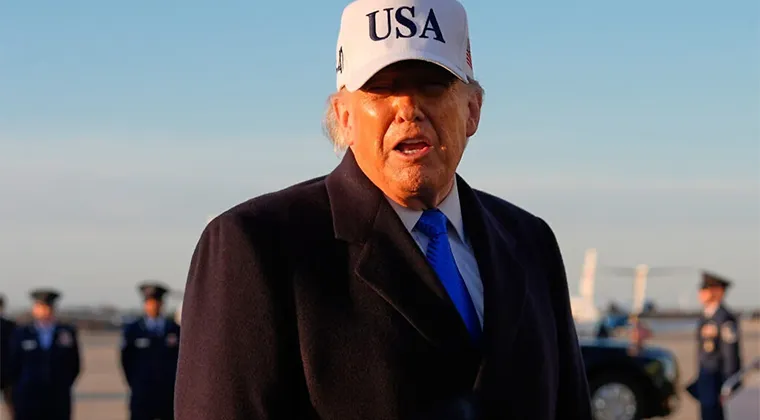
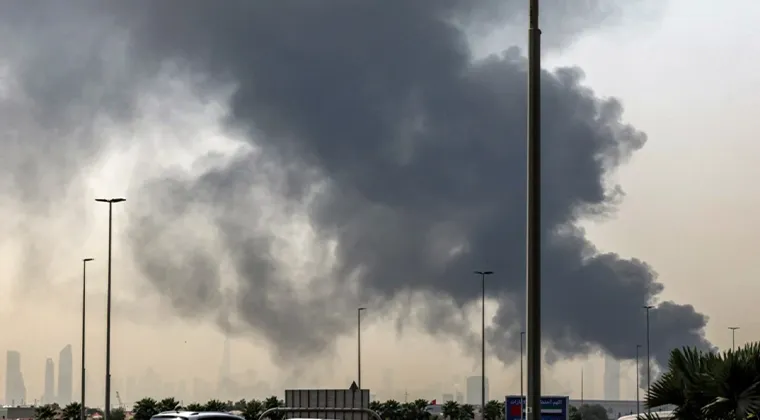
Iran has warned that it will respond decisively if it comes under further attack, reinforcing already heightened tensions in the region. A military spokesperson, quoted by Iranian state television, stated that the country and its allies would not hesitate to react forcefully to any perceived act of aggression. The message underscored Tehran’s position that it would treat any strike or hostile move as a serious escalation requiring immediate retaliation.
State media outlet Press TV later reported that the situation in areas near the Strait of Hormuz had stabilised after several hours of reported military activity. According to its coverage, conditions on Iranian islands and coastal cities adjacent to the waterway had returned to normal, suggesting that the immediate phase of confrontation had temporarily subsided. However, officials did not indicate any change in military readiness or defensive posture.
Since the ceasefire came into effect on April 7, both sides have reportedly engaged in occasional exchanges of fire, highlighting the fragility of the agreement. Although the truce was intended to reduce hostilities, isolated incidents have continued to occur at sea and in surrounding regions. These developments have raised concerns among observers that the situation remains volatile and could escalate again if diplomatic efforts fail.
Earlier in the week, the United States military stated that it had destroyed six Iranian fast boats during an operation in the region. It also reported intercepting cruise missiles and drones launched by Iran, which were allegedly aimed at disrupting maritime movement through the Strait of Hormuz. According to US officials, the actions were part of a broader effort to maintain the security of international shipping lanes and ensure the continued flow of global energy supplies.
At the same time, air defence systems in the United Arab Emirates were activated early on Friday in response to incoming missile and drone threats attributed to Iran. The UAE Ministry of Defence confirmed that its systems were engaged in intercepting the projectiles. It also clarified that loud sounds heard in various parts of the country were linked to ongoing defensive operations aimed at neutralising aerial threats. Authorities sought to reassure residents that these noises were the result of protective measures rather than direct impact incidents.
In parallel with the military developments, former US President Donald Trump stated that diplomatic discussions with Iran were still ongoing. Speaking to reporters, he suggested that negotiations had not broken down despite the latest outbreak of hostilities. He indicated that both sides remained engaged in dialogue aimed at reaching a broader settlement.
Prior to the renewed clashes, the United States had reportedly presented a proposal intended to formally bring an end to the conflict. However, the plan did not fully address key US demands, particularly those related to Iran’s nuclear programme and the reopening of the Strait of Hormuz for unrestricted maritime traffic. Before the conflict escalated, the strait had been responsible for the passage of roughly one-fifth of global oil and liquefied natural gas shipments, making it one of the most strategically important waterways in the world.
Iranian officials have stated that they have not yet reached a final decision on the proposal under discussion. The lack of agreement has contributed to continued uncertainty surrounding the future of diplomatic negotiations and the potential for de-escalation.
Despite ongoing tensions, Trump maintained that Iran had acknowledged the US position that it should never develop nuclear weapons. He claimed that this condition was clearly outlined in the American proposal and suggested that Tehran was aware of the firm stance taken by Washington. According to him, the principle of preventing Iran from obtaining nuclear capabilities was non-negotiable.
He further commented that Iran had indicated agreement in principle to this position, though he acknowledged that formal signing of any deal had not yet taken place. When asked about the timeline for a potential agreement, Trump suggested that developments could occur at any time but also admitted that a deal might not ultimately materialise. He expressed the view that Iran was highly motivated to reach an understanding, possibly even more so than the United States.
The ongoing conflict has also had broader political and economic implications, particularly for Trump’s domestic political base. During his election campaign, he had pledged to avoid entangling the United States in prolonged foreign wars and to focus on lowering energy costs for American consumers. The renewed military engagement has therefore placed additional pressure on his political positioning.
Energy markets have reacted sharply to the escalation in tensions. US crude oil futures rose by as much as three percent in early Asian trading following reports of renewed hostilities. Investors have remained highly sensitive to developments in the region, particularly given the Strait of Hormuz’s critical role in global energy transportation.
Fuel prices in the United States have also seen significant increases in recent months. According to data from the American Automobile Association, gasoline prices have risen by more than 40 percent since late February. On average, prices have increased by approximately $1.20 per gallon, pushing national averages above $4.00. Analysts have linked this rise directly to disruptions in oil shipments and heightened uncertainty over maritime security in the Gulf region.
Throughout the course of the conflict, financial markets have experienced considerable volatility. Oil prices and broader market indices have fluctuated repeatedly as hopes for diplomatic breakthroughs have alternated with renewed fears of escalation. Each development in negotiations or military activity has contributed to rapid shifts in investor sentiment.
Overall, the situation remains highly unstable, with ongoing military readiness on all sides and uncertain progress in diplomatic discussions. While both political leaders and military officials continue to signal a willingness to engage in talks, the continued exchange of attacks and counterattacks underscores the fragility of the current ceasefire arrangement and the difficulty of achieving a lasting resolution.