Dubai’s gold market is witnessing a steady upward trend as prices keep increasing, driven by continued uncertainty and heightened tensions across the Middle East region, supporting stronger demand for the precious metal.
Gold prices in Dubai continue to rise gradually amid ongoing geopolitical tensions in the Middle East.
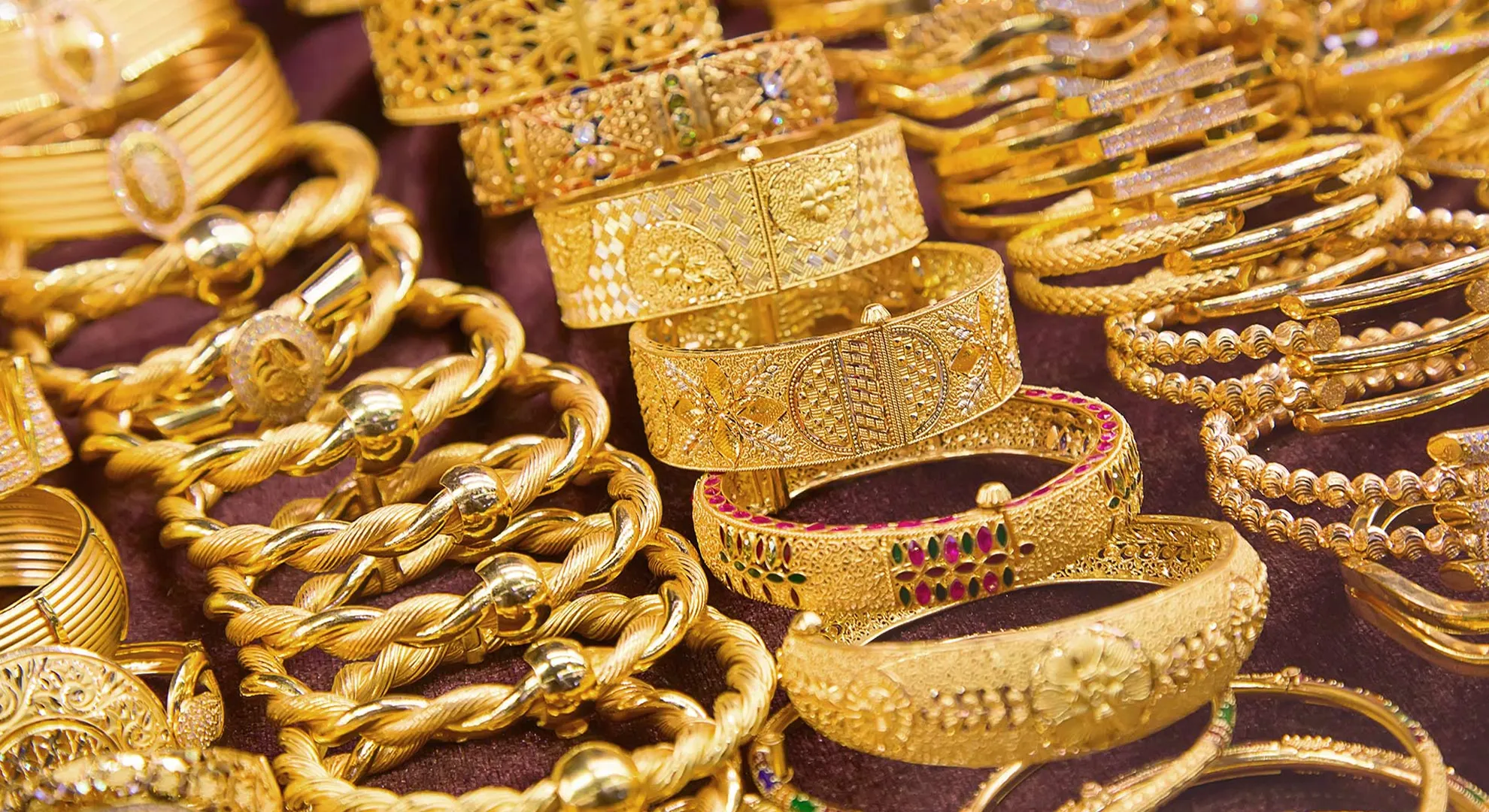
On the global market, spot gold prices stood at $4,663.80 per ounce (Dh17,127.66), showing an increase compared to the previous day’s level of $4,538.51 per ounce (Dh16,666.09).
On Wednesday morning, gold prices in Dubai showed a noticeable upward movement, with an increase of Dh11.5 per gram, offering a degree of reassurance to market participants and investors keeping a close watch on price fluctuations. This change reflected renewed activity in the precious metals market after a relatively softer session in the previous trading day.
Based on figures released by the Dubai Jewellery Group, the price of 24-karat gold opened the trading session at Dh560.00 per gram. This represented a rise compared to the closing value recorded on Tuesday, when the same purity level of gold had settled at Dh548.50 per gram. The increase between the two sessions highlighted a shift in market momentum, suggesting improved sentiment or global price support influencing local rates.
Other widely traded gold categories in the UAE market also experienced adjustments in line with the overall trend. The 22-karat variant, which is commonly preferred for jewelry purchases due to its balance of purity and durability, was priced at Dh518.75 per gram. Similarly, 21-karat gold was available at Dh497.25 per gram, reflecting its position as another popular choice among consumers in the region.
Lower purity segments followed the same pricing direction. The 18-karat gold category, often used in lightweight and fashion jewelry, was recorded at Dh426.25 per gram. Meanwhile, 14-karat gold, which contains a higher proportion of alloy metals and is generally more affordable, was priced at Dh332.50 per gram.
The movement in prices across all categories indicates a consistent adjustment in the local gold market, influenced by broader international trends and fluctuations in global bullion rates. Such changes are closely monitored by both retailers and consumers in Dubai, a city known for its active gold trading and jewelry retail sector.
For investors, the rise in gold prices can sometimes be viewed as a stabilizing signal, especially during periods of global uncertainty or shifting economic conditions. Even relatively small per-gram increases can have a noticeable impact on overall investment portfolios, particularly for those holding larger quantities of physical gold.
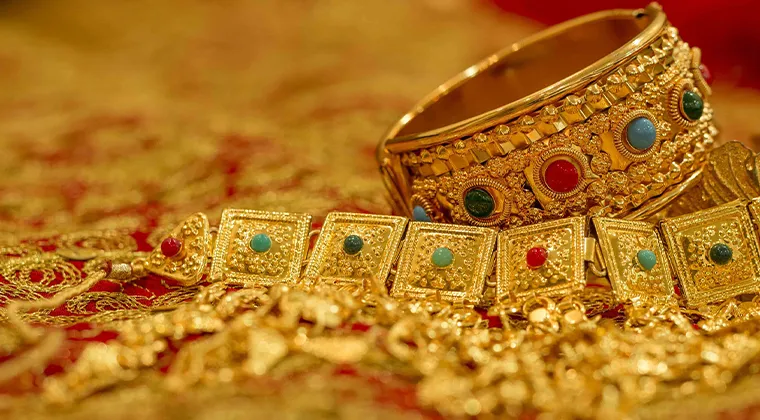
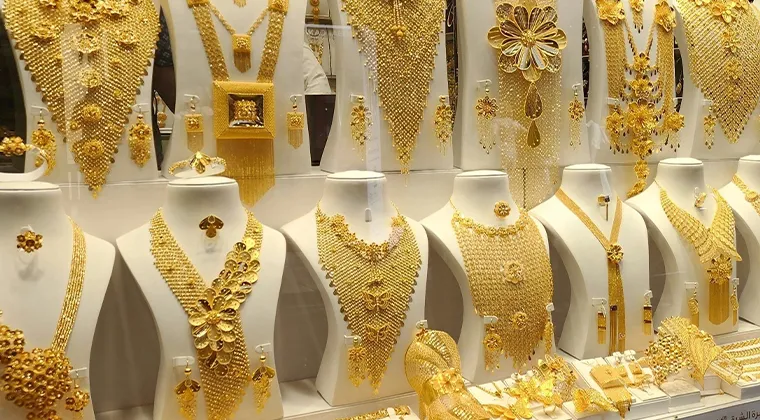
Jewelry buyers, on the other hand, often respond to such price changes by adjusting their purchasing decisions, either accelerating buys when prices dip or pausing when rates climb. As a result, daily price movements play a significant role in shaping consumer behavior within the local market.
Overall, the latest update from Wednesday morning reflects a modest but clear upward adjustment in Dubai’s gold pricing structure, spanning across all major purity levels and aligning with broader market influences affecting precious metals globally.
Reports indicate that despite fresh claims of Iranian strikes affecting areas within the UAE, a ceasefire arrangement between the United States and Iran is still in effect, according to statements from US officials. US Secretary of State Marco Rubio stated early on Wednesday that American military forces have concluded their active offensive operations against Iran, asserting that the campaign had successfully fulfilled its intended objectives. His remarks suggest that, from the US perspective, the immediate phase of military engagement has ended, even though regional tensions remain high.
On the other hand, Iranian officials have rejected certain US positions, describing Washington’s unilateral demands as unrealistic and unacceptable. This ongoing disagreement highlights the continued diplomatic strain between the two countries, even as active military operations appear to have paused. The contrasting narratives from both sides underline the fragile nature of the current situation, where ceasefire conditions coexist with strong political rhetoric and unresolved strategic differences.
In the financial markets, analysts have been closely observing gold price movements as geopolitical uncertainty continues to influence investor sentiment. According to market experts speaking to Insider 18, gold is currently fluctuating within a broad range of approximately $200 around the $4,750 mark. This trading range is viewed as a critical zone that could determine the next short-term directional move for the precious metal, depending on how global events unfold.
Commodity strategists have pointed out that the recent behavior of gold reflects a complex mix of macroeconomic and geopolitical factors. Ole Hansen, Head of Commodity Strategy at Saxo Bank, explained that the initial decline in gold prices at the beginning of the conflict was largely driven by liquidity pressures and inflation-related shocks. During that period, investors were forced to unwind heavily crowded positions, while a spike in energy prices contributed to a stronger US dollar. This combination temporarily reduced expectations for interest rate cuts in 2026, which in turn weighed on gold prices.
However, Hansen also noted that the current subdued reaction in the gold market indicates a lack of strong directional conviction among traders. Elevated energy costs, persistent dollar strength, and inflationary concerns linked to these developments continue to influence expectations around US monetary policy, indirectly affecting gold’s performance. These factors have created a balancing effect, preventing sharp upward or downward movements in the short term.
Despite this relatively muted price action, analysts emphasize that several long-term drivers supporting gold remain firmly in place. Issues such as rising fiscal debt levels, sustained central bank buying, and the gradual shift away from reliance on the US dollar continue to underpin broader demand for the metal. These structural trends have been key contributors to gold’s strong performance in recent years and are expected to regain influence once geopolitical tensions in the Middle East begin to stabilize.
Overall, while short-term price fluctuations are being shaped by immediate geopolitical developments and monetary policy expectations, the longer-term outlook for gold remains supported by deep-rooted economic and financial trends. As the situation in the Middle East continues to evolve, markets are likely to remain sensitive, with gold acting as a key barometer of global uncertainty and investor risk sentiment.