Residents in Dubai believe the upcoming Blue Line project will bring a significant improvement, potentially shortening their daily travel time by as much as 40 minutes and making commutes far more efficient.
“Major change”: Dubai residents anticipate Blue Line will reduce commute times by up to 40 minutes.
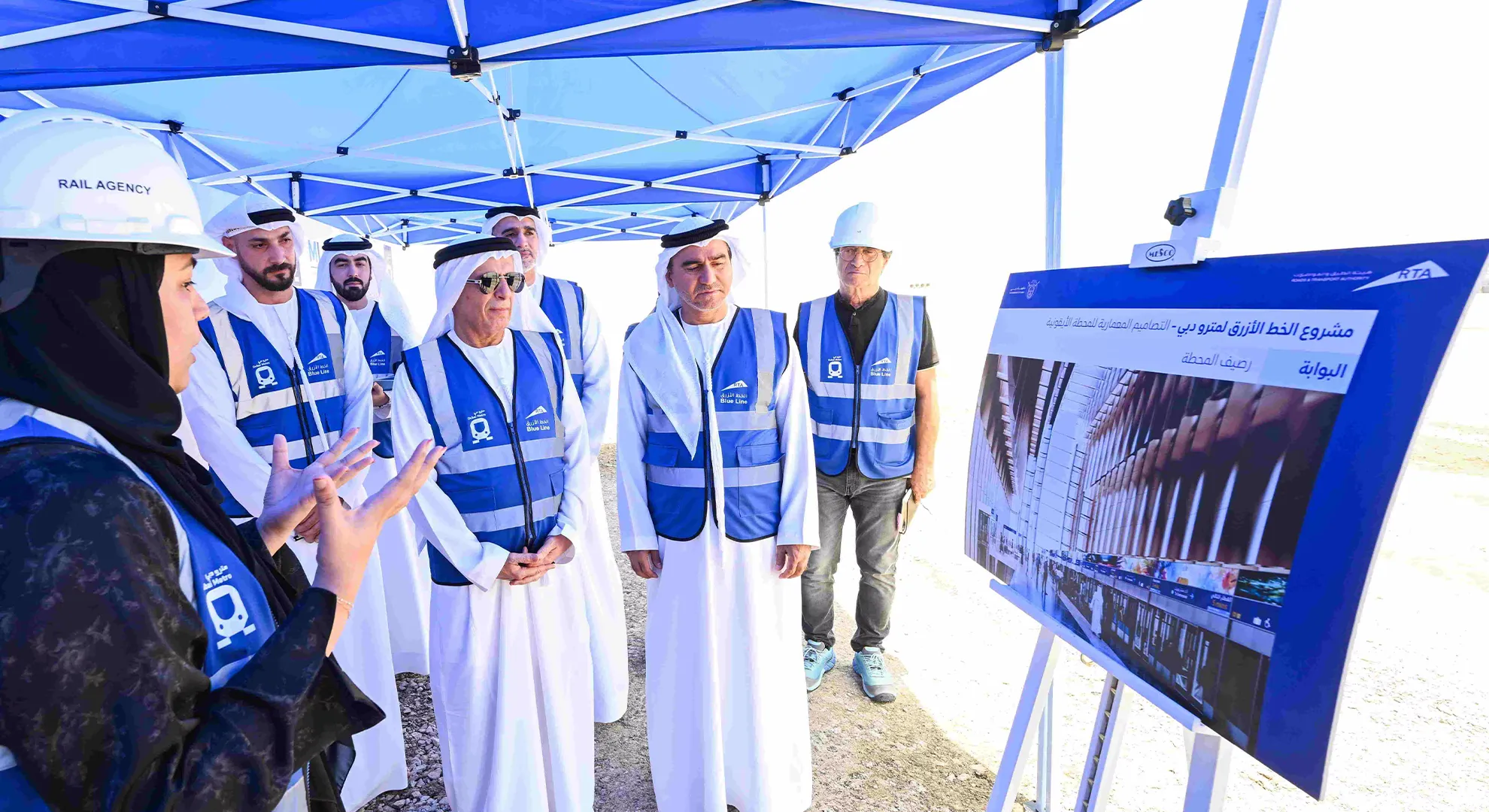
Once the project moves into the construction phase, people living in areas such as International City, Warsan, and Silicon Oasis expect that their currently lengthy daily journeys may become much smoother and less time-consuming when the new Metro line starts operating.
For a large number of people living in suburban communities along the planned Dubai Metro Blue Line corridor, the long and often tiring daily travel to work may soon become significantly more manageable. At present, many commuters in neighborhoods such as International City, Warsan, and Dubai Silicon Oasis report spending well over an hour each way to reach their workplaces, particularly during busy peak traffic hours. These journeys typically involve a mix of private vehicles, buses, or combined public transport routes, which can further extend travel time due to congestion and multiple transfers.
With construction of the new Metro line already in progress, residents are hopeful that once the system becomes operational, it will greatly ease these long-standing commuting challenges. The introduction of the Blue Line is expected to provide a faster, more direct, and more reliable transport option, reducing dependency on road traffic and helping cut down overall travel duration. Many commuters believe this development could transform their daily routines by saving time, reducing stress, and improving overall connectivity between residential suburbs and key business areas across Dubai.
Awais Ahmed, a Pakistani expatriate residing in International City and employed in the Dubai International Financial Centre (DIFC), begins his workday quite early to manage his lengthy commute. He explained that reaching his workplace involves multiple stages of public transportation, each adding to the overall travel time. His routine typically starts with boarding a feeder bus, most commonly route 310, which connects his residential area to Centrepoint Metro Station.

He noted that even the first leg of the journey can be time-consuming. The feeder bus ride alone usually takes between 20 to 25 minutes under normal conditions. However, during peak hours or if he happens to miss a scheduled bus, the waiting time and traffic congestion can extend this duration further, making the initial part of his commute even longer and less predictable.
Once he reaches Centrepoint Metro Station, Awais continues his journey on the Red Line of the Dubai Metro. From there, he travels across several stations before arriving closer to the DIFC area. This segment of the trip, while more consistent than road travel, still requires multiple stops and transfers in passenger flow, which adds to the overall duration.
In total, he mentioned that his daily commute takes approximately one and a half hours each way. This means that a significant portion of his day is spent simply traveling to and from work. Like many residents living in suburban communities, he relies heavily on the existing public transport network to connect distant residential zones with major commercial hubs in the city.
Despite the long travel time, he continues to use this route as it remains one of the more practical and cost-effective options available. However, he also expressed that improvements in connectivity, such as future metro expansions, could potentially make a noticeable difference in reducing his commute duration and easing the daily strain of long-distance travel across the city.
The daily commute, residents say, is far from consistent or easy to plan. Awais Ahmed pointed out that delays are common from the very start of his journey, with feeder buses often arriving crowded or requiring long waits during busy hours. Even after reaching the Metro station, he explained, peak-time travel on the trains can feel packed and uncomfortable. In his view, a more direct connection through the proposed Blue Line could significantly improve things, and even a reduction of 30 to 40 minutes in travel time would greatly ease his routine and reduce daily strain.
Hamam Elsharif shared a similar experience, noting that his driving route between Dubai Silicon Oasis and Jebel Ali is usually manageable outside rush hour but becomes heavily congested during peak periods, especially along major highways like Al Khail Road and Sheikh Mohammed bin Zayed Road. He added that using public transport is often even more time-consuming due to multiple transfers between buses and the Metro, along with waiting intervals. Because of these inefficiencies, he currently finds no straightforward or seamless route. However, he believes that if the Blue Line improves connectivity between key residential and industrial areas, he would be more inclined to switch, as it could cut travel time and reduce the pressure of daily driving.
Faiz Dawood also highlighted the challenges of commuting from Warsan to Deira, describing traffic bottlenecks near Ras Al Khor and surrounding roads as major obstacles. While the physical distance is not particularly large, congestion frequently extends his journey, making arrival times uncertain. He also mentioned difficulties with parking once he reaches Deira, which adds another layer of inconvenience. For him, a reliable Metro option from his area would likely become his preferred mode of transport, as it would simplify travel and offer greater predictability.
Across all these accounts, residents agreed that the proposed Metro line is not only about saving time but also about bringing consistency to their daily schedules. At present, travel is heavily influenced by road conditions, traffic signals, and waiting periods for public transport, all of which make planning difficult.
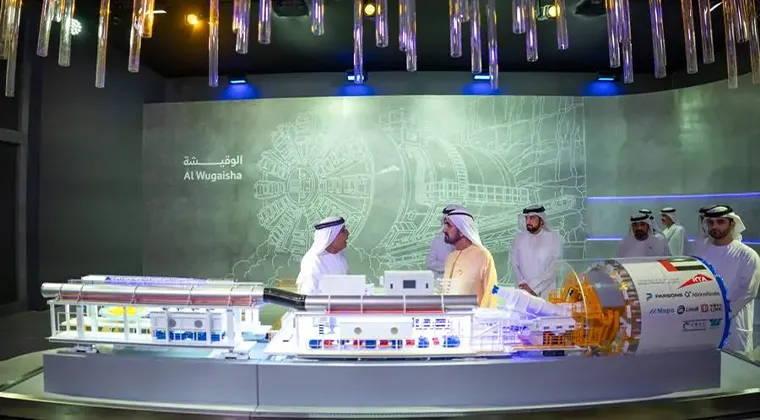
The discussion follows the announcement by Sheikh Mohammed bin Rashid Al Maktoum regarding the Dubai Metro Blue Line project, which is expected to reduce overall traffic congestion in the city by up to 20 percent. If more commuters shift from private vehicles and buses to the Metro network, it could ease pressure on major routes including Sheikh Mohammed bin Zayed Road, Al Khail Road, and Ras Al Khor Road.
Ultimately, even modest reductions in commute times could have a meaningful impact on everyday life. As one resident summarized, current routines are built around avoiding traffic delays, and a faster, more reliable Metro connection could fundamentally change how people travel across the city.