Garages across the UAE have become increasingly busy after December rainfall caused minor vehicle issues, prompting many motorists to seek quick inspections and repairs to prevent further damage.
UAE: December rains lead to crowded garages as motorists report minor car problems.
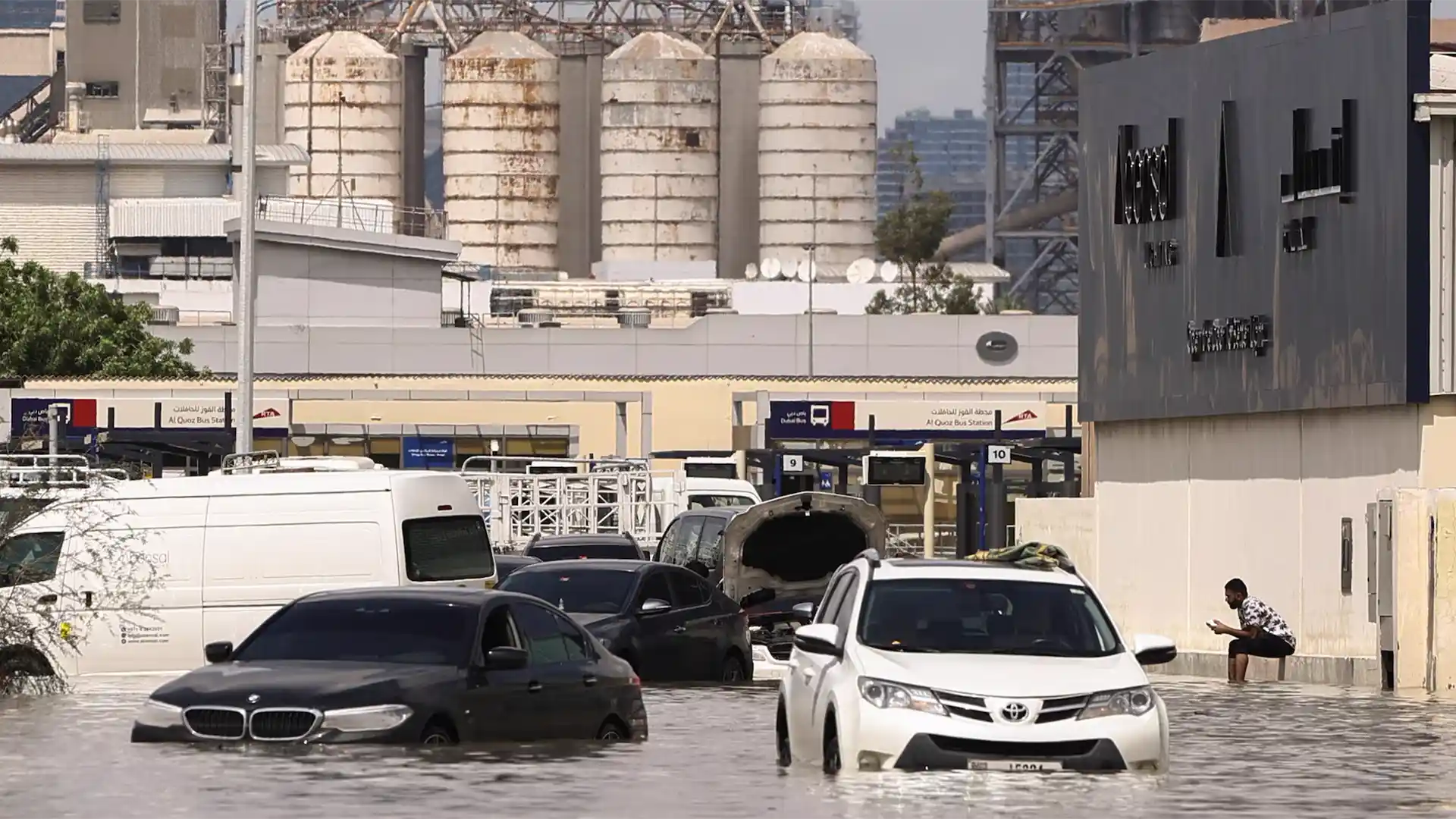
Masood Ali, who lives in the Al Nahda area of Sharjah, was taken by surprise after returning to his vehicle following overnight rainfall. When he checked on his car the next morning, he noticed that water had accumulated in the parking space where the vehicle had been left. The unexpected pooling of rainwater immediately raised concerns, especially when he attempted to start the car and found that it would not respond.
Recalling the incident, Ali explained that the engine failed to turn over despite his efforts. Later, after seeking advice, he was informed that rainwater may have seeped into the air intake system, preventing the engine from functioning properly. Exercising caution, he decided not to attempt restarting the vehicle repeatedly, fearing that further attempts could cause more serious mechanical damage. Instead, he chose to stop and seek professional assistance.
Ali’s experience reflects a growing number of similar cases reported across Sharjah and parts of Dubai following the recent bout of rainfall. While the showers were not severe enough to cause widespread flooding like the historic rains experienced in April 2024, they were sufficient to disrupt daily routines and affect parked vehicles in low-lying areas. In many residential neighborhoods, standing water in parking zones and streets led to minor but inconvenient car problems, leaving drivers temporarily stranded.
Another resident, Ahmed Najjar, encountered comparable difficulties with his vehicle after the rain. Although his car initially started, he noticed that it was not operating as smoothly as usual. Concerned that continuing to drive could worsen the issue, Najjar decided against pushing the vehicle any further. He opted to have it inspected by a professional rather than risk long-term damage. Like many motorists, he believed that acting cautiously was the best course of action under the circumstances.
However, securing immediate assistance proved to be a challenge. With a surge in vehicles requiring inspection and repair, many garages and service centers across the affected areas became overwhelmed. Appointments were delayed, waiting times increased, and some residents found themselves searching for alternative workshops willing to accommodate urgent checks. The sudden demand placed pressure on auto repair services, particularly those located in neighborhoods where rainwater had collected overnight.
Mechanics have noted that even relatively light rainfall can lead to problems when water enters sensitive components such as air filters, electrical systems, or engine compartments. In some cases, the damage is minor and can be resolved quickly, but if ignored or mishandled, it may result in more costly repairs. As a result, vehicle experts have advised drivers not to force-start their cars if they suspect water exposure and to seek professional assessment instead.
Although the recent rain did not cause widespread destruction, it served as a reminder of how vulnerable vehicles can be to even moderate weather conditions. For many residents, the inconvenience of dealing with stalled or malfunctioning cars has been frustrating, particularly during busy workdays. Still, most drivers remain relieved that the situation was far less severe than previous flooding events.
As weather patterns continue to shift, residents are becoming more aware of the need to take precautions during rainy periods, such as avoiding low-lying parking areas and checking drainage conditions. For now, motorists like Ali and Najjar are focused on getting their vehicles back on the road, while garages across Sharjah and Dubai continue working to clear the backlog caused by the sudden influx of rain-related car issues.
Garages operating at capacity as demand surges
Automobile workshops across Sharjah and Dubai are currently experiencing a sharp increase in demand, with many service centres reporting that they are operating at full capacity. As a result, motorists affected by recent rainfall are being told to expect delays of several days before their vehicles can be checked. The sudden influx of cars has stretched workshop schedules, leaving little room for immediate inspections or quick repairs.
Ahmed Najjar, one of the residents affected, shared his experience of trying to secure assistance. After visiting multiple garages, he was informed that appointments were unavailable for at least a week. Mechanics explained that their schedules were already busy before the rain, and the additional vehicles seeking post-rain checks had further increased the backlog. For many drivers, this has meant either waiting or searching for alternative workshops with limited availability.
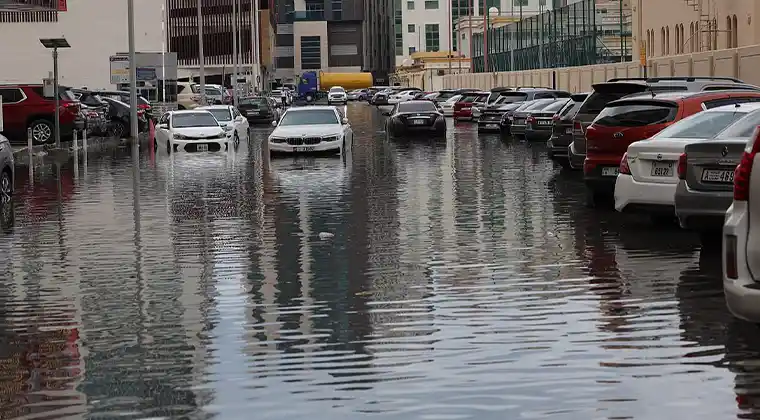
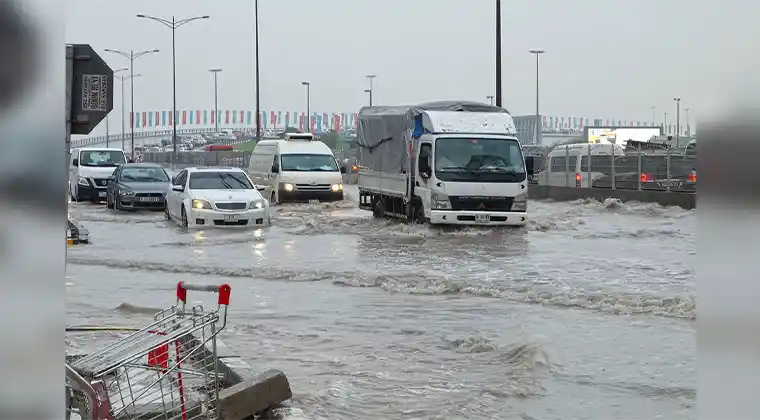
Garage operators say the situation is not solely due to rain-related damage. According to Ayyub, a mechanic working at Najm Garage in Sharjah, workshops were already dealing with a steady flow of routine maintenance and repair jobs. When the rainfall occurred, a number of additional vehicles were brought in for inspection, adding to the existing workload. “We are handling both our regular jobs and the extra cars that came in after the rain,” he explained, noting that the increase has been manageable but demanding.
Unlike the severe flooding witnessed in April 2024, the majority of cases currently being reported involve relatively minor mechanical concerns. Mechanics say most of the affected vehicles were parked in areas where rainwater accumulated or were left exposed to wet conditions for extended periods. As a result, the issues being diagnosed are generally limited and not indicative of major engine failure.
According to mechanics, the most frequent problems observed after rainfall include water entering the air intake system, moisture interfering with spark plugs, temporary difficulty starting engines, and battery-related complications caused by damp conditions. While these issues are usually minor, experts warn that improper handling can worsen the damage. Attempting to repeatedly start a car that has been exposed to water, for example, can lead to more serious mechanical problems.
Shameer Mohammed, a mechanic based in Dubai’s Al Quoz 3 industrial area, emphasized the importance of patience. He explained that allowing a vehicle to dry completely is often the best initial response when water exposure is suspected. “If water has entered any part of the engine, the safest approach is to wait and let everything dry,” he advised. “Trying to force the engine to start too soon can cause unnecessary damage.”
Shameer also recommended an additional safety step for vehicles exposed to moisture: disconnecting the battery terminal. Doing so can help prevent short circuits and electrical faults, which are common concerns when water reaches sensitive components.
Garage owners have observed a noticeable change in how motorists are responding this time around. Many drivers appear more cautious and informed, likely due to lessons learned from last year’s flooding. According to Ayyub, people are now less inclined to rush repairs or push their vehicles beyond safe limits. “Drivers are being more careful,” he said. “They understand that patience is important. The only downside is that garages are busy, and everyone has to wait their turn.”