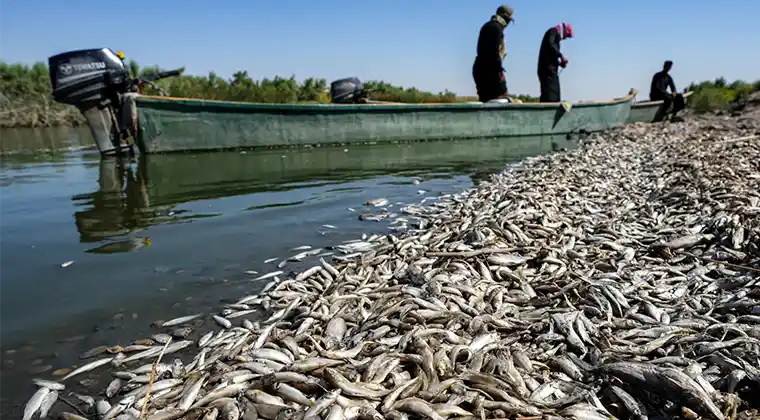
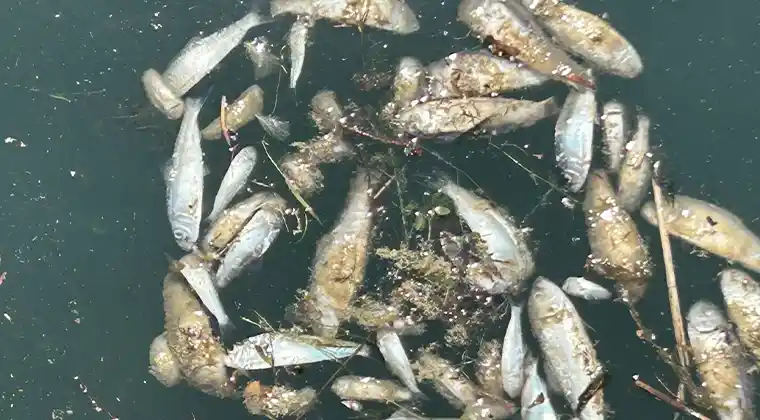
Authorities in Abu Dhabi have confirmed the presence of dead fish in a local canal, but the Environment Agency has assured the public that investigations are underway and safety measures are being taken.
Abu Dhabi Canal Reports Dead Fish; Environment Authority Reassures Residents.
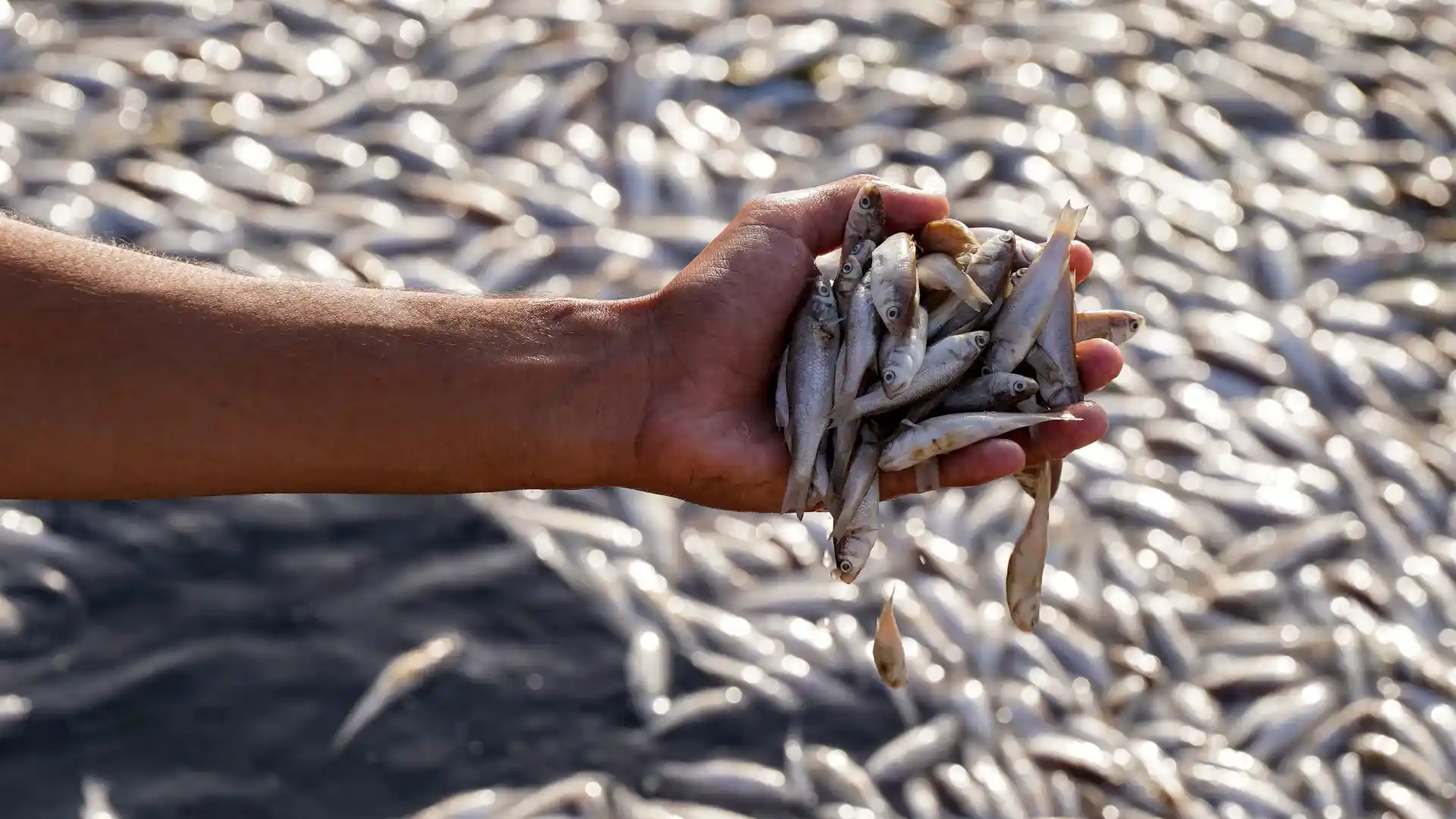
On Tuesday, December 1, authorities in Abu Dhabi reported the discovery of a large number of dead fish floating in one of the city’s canals, sparking concern among local residents and environmental observers. The incident prompted immediate attention from the Environment Agency–Abu Dhabi (EAD), which quickly issued statements to reassure the public that steps were being taken to address the situation and to ensure the safety of the surrounding ecosystem. While the sight of lifeless fish in the water naturally raised questions about water quality and possible pollution, the agency moved swiftly to investigate the causes and to communicate accurate information to residents, emphasizing that safety protocols and precautionary measures had already been implemented.
The EAD explained that preliminary investigations suggested the deaths were associated with a natural environmental phenomenon known as an algal bloom. Algal blooms occur when certain types of algae multiply rapidly in water, often in response to favorable conditions such as warm temperatures, abundant nutrients, and stagnant or poorly circulated water. In the case of the Abu Dhabi canal, the agency indicated that weak water circulation had contributed to the development of the bloom, which in turn led to a reduction in dissolved oxygen levels—a critical factor for aquatic life. Fish and other organisms rely on sufficient oxygen in the water to survive, and sudden drops in oxygen can cause widespread mortality, as observed in the recent incident.
Officials from the EAD emphasized that such events, while alarming to the public, are not uncommon in aquatic ecosystems and often result from a combination of environmental factors rather than from chemical pollution or industrial contamination. The agency noted that preliminary water quality assessments did not reveal the presence of harmful chemicals or toxins typically associated with human-induced pollution. Instead, the situation appeared to be primarily a result of natural biological processes, which were exacerbated by environmental conditions specific to that canal at this time of year.
To mitigate further impacts, the Environment Agency confirmed that teams had been dispatched to the canal to remove the dead fish and to monitor water quality continuously. Specialized equipment and trained personnel were employed to ensure the removal process was safe, efficient, and did not introduce additional stress to the aquatic habitat. The agency also stated that water samples were being collected for more detailed laboratory analysis, which would help determine the precise concentrations of dissolved oxygen and the extent of algal growth. These tests are expected to provide further insights into the timing, severity, and potential recurrence of such events, allowing authorities to develop strategies to prevent similar occurrences in the future.
Public reassurance was a key focus of the EAD’s communication. Officials emphasized that the incident posed no immediate health risk to humans and that the water in the canal remains under continuous monitoring. Residents were advised to avoid direct contact with the affected water, but authorities stressed that the ecosystem’s recovery process is underway and that appropriate measures are in place to restore normal conditions. The agency further highlighted ongoing environmental monitoring programs across Abu Dhabi’s waterways, designed to track water quality, detect early signs of algal blooms, and maintain the health of aquatic habitats throughout the emirate.
Experts explained that algal blooms, while a natural phenomenon, can be influenced by both environmental and anthropogenic factors. In addition to weak water circulation, increased nutrient levels from runoff, seasonal temperature variations, and shifts in tidal or water flow patterns can all contribute to sudden growths of algae. When these blooms consume oxygen faster than it can be replenished, fish and other aquatic species may suffocate, resulting in events like the one recently observed in Abu Dhabi. Such occurrences serve as a reminder of the delicate balance required to maintain healthy aquatic ecosystems and the importance of ongoing monitoring and management.
In response to the incident, the EAD reaffirmed its commitment to protecting Abu Dhabi’s waterways and preserving biodiversity. Officials stated that they would continue to track the situation, implement corrective measures as necessary, and inform the public about any further developments. The agency also encouraged the community to report unusual observations in canals, rivers, and other water bodies, highlighting the role of citizen engagement in environmental stewardship. By maintaining vigilance and responding promptly to events like this, the EAD aims to ensure that Abu Dhabi’s canals and aquatic habitats remain safe, sustainable, and vibrant for both wildlife and residents alike.
While the sight of dead fish in the canal understandably caused concern and curiosity, the EAD’s proactive approach, clear communication, and commitment to environmental management provide reassurance that the situation is under control. The agency’s prompt identification of algal bloom as the likely cause, coupled with measures to remove affected fish and monitor water quality, reflects the effectiveness of the emirate’s environmental protection framework. Moving forward, authorities will continue to study the factors contributing to such events, implement strategies to enhance water circulation, and maintain vigilance over the health of the aquatic ecosystem, ensuring that Abu Dhabi’s waterways remain resilient and thriving for the future.

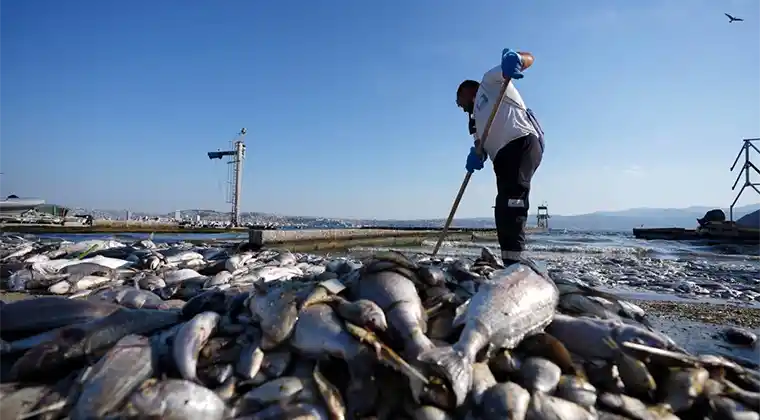
The Environment Agency–Abu Dhabi (EAD) confirmed that the incident occurred in Al Muzoon Canal, though it did not provide a specific count of the fish affected. Following the discovery, authorities acted promptly to contain and manage the situation, prioritizing both public safety and environmental protection. Teams were immediately dispatched to the site to oversee the collection of the deceased fish, ensuring that the operation was conducted efficiently and in a manner that minimized any further impact on the waterway. Once gathered, the fish were carefully transported to designated facilities where they could be disposed of safely, following established protocols designed to prevent contamination or health hazards.
In addition to removing the fish, precautionary measures were implemented to protect residents and visitors in the vicinity, reinforcing the agency’s commitment to maintaining safe and healthy conditions in the emirate’s waterways. Continuous monitoring of the canal’s water quality was also initiated, allowing environmental specialists to assess the situation in real time and determine the extent of the ecological impact. The swift and coordinated response highlighted the agency’s readiness to address environmental incidents efficiently, ensuring that Al Muzoon Canal remains safe, clean, and protected for both aquatic life and the wider community.
Authorities in Abu Dhabi have confirmed that extensive water and fish samples were collected from Al Muzoon Canal following the recent discovery of dead fish, as part of a rigorous effort to investigate and monitor the situation in the waterway. The Environment Agency–Abu Dhabi (EAD) emphasized that these samples are undergoing detailed laboratory analysis to determine the exact factors contributing to the fish mortality. The collection process, conducted with scientific precision, is designed to provide critical data on water quality, oxygen levels, the presence of algae, and other environmental parameters that could have influenced the incident. These steps reflect the agency’s commitment to transparency, thorough investigation, and the protection of both the aquatic ecosystem and public health.
Officials clarified that a comprehensive technical assessment is currently in progress, led by specialized teams of environmental scientists and water quality experts. This assessment involves multiple stages, including testing for dissolved oxygen levels, identifying potential algal blooms, measuring nutrient concentrations, and examining any biological or chemical factors that might have contributed to the fish deaths. The agency assured the public that updates on the incident will be communicated as soon as the analysis is completed and results become available, underscoring its dedication to keeping residents informed and ensuring accountability in the management of the emirate’s natural resources.
While incidents like these can appear alarming, environmental authorities stressed that such events are not entirely unusual in natural or semi-natural water systems, particularly under specific ecological conditions. Algal blooms, which occur when algae grow excessively in water due to favorable environmental conditions, are often a primary factor in mass fish deaths. These blooms can deplete dissolved oxygen levels in the water, leaving fish unable to survive. Other contributing factors may include weak water circulation, temperature fluctuations, or sudden changes in nutrient availability, which together can create temporary but hazardous conditions for aquatic life. By collecting samples and conducting thorough testing, the EAD is seeking to understand the precise dynamics of the situation and to develop strategies to prevent similar occurrences in the future.
This recent event in Abu Dhabi is reminiscent of a similar incident that took place in Dubai in 2024, when residents noticed dead fish appearing in several water channels across the emirate. At that time, environmental authorities quickly reassured the public, explaining that the situation was a natural outcome following unusually heavy rainfall and flooding, rather than a result of pollution or human interference. The Dubai event highlighted how extreme weather conditions can suddenly alter aquatic ecosystems, causing temporary but visible impacts on wildlife. Officials emphasized that environmental fluctuations are a normal part of ecosystem dynamics and that, following the heavy rains, dissolved oxygen levels and water quality typically stabilize over time, allowing aquatic life to recover naturally.
The Dubai incident in 2024 was particularly notable because it coincided with record-breaking rainfall across the UAE. On April 16 of that year, the country experienced its highest recorded rainfall in a single day, with Dubai receiving more than 220 millimeters of rain within less than 24 hours. This unprecedented volume of precipitation exceeded the annual average rainfall for the city and created conditions that dramatically affected the waterways. Torrential rain and flooding caused abrupt shifts in water levels, currents, and nutrient concentrations, which in turn affected the oxygen balance in canals and reservoirs. Fish, unable to adapt quickly enough to these sudden environmental changes, perished in large numbers. Authorities at the time conducted investigations and monitoring, collecting water and fish samples to ensure there was no contamination or health risk to the public.
The similarities between the Abu Dhabi and Dubai events illustrate the complex interplay of environmental factors that can influence aquatic ecosystems in urban and semi-urban areas. While human activity and pollution are often cited as potential causes for such incidents, experts note that natural phenomena such as extreme weather, temperature shifts, and algal blooms are equally capable of creating conditions that temporarily threaten fish populations. In both cases, the rapid response by environmental authorities—collecting samples, conducting tests, and communicating with the public—demonstrated the UAE’s proactive approach to safeguarding both the environment and community well-being.
In Abu Dhabi, following the discovery of dead fish in Al Muzoon Canal, specialized teams have been working diligently to ensure that the waterway is stabilized and that aquatic life is protected. The removal of deceased fish, along with continuous monitoring of water quality, forms part of a broader environmental management strategy designed to prevent recurrence. Officials are particularly focused on understanding the impact of dissolved oxygen levels, water temperature, circulation patterns, and the presence of algae or other microorganisms. By combining field sampling with laboratory analysis, the agency aims to develop actionable insights that can guide both immediate response measures and long-term ecological management plans.
Public communication remains a central aspect of the response. Residents are being kept informed about ongoing investigations and preliminary findings, with assurances that there is no immediate health threat from the canal water. Authorities are emphasizing that these events, while visually striking, are often temporary and can be managed effectively through monitoring, environmental interventions, and community awareness. The EAD’s approach reflects an understanding of the importance of both ecological stewardship and public confidence, recognizing that transparent communication is essential to maintaining trust and minimizing concern among local populations.
Ultimately, incidents such as the dead fish in Al Muzoon Canal and the similar event in Dubai in 2024 highlight the dynamic nature of aquatic ecosystems and the importance of robust environmental monitoring. By collecting and analyzing water and fish samples, deploying technical expertise, and implementing precautionary measures, authorities can better understand the factors at play, mitigate adverse impacts, and protect the health of both wildlife and the community. These efforts demonstrate the UAE’s commitment to sustainable environmental management, proactive problem-solving, and resilience in the face of natural fluctuations, ensuring that the nation’s waterways remain vibrant, healthy, and safe for all.