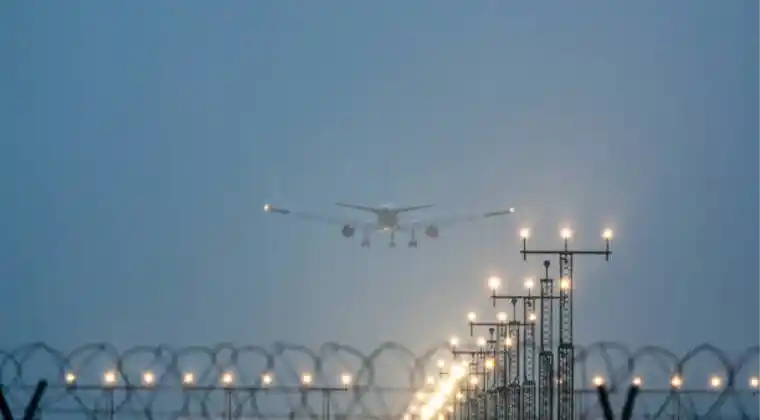
Heavy fog in Sharjah caused widespread flight delays and cancellations, prompting the airport to issue warnings advising travellers to monitor schedule updates and allow extra time for safety during travel.
Foggy conditions force Sharjah flight delays and cancellations as airport warns travellers.

Sharjah Airport has issued an advisory for passengers to remain vigilant regarding their flight details and any potential alterations to their travel plans, following a period of heavy fog that affected operations on Thursday morning. The unusual weather conditions resulted in significant disruptions, causing several flights to be delayed or cancelled entirely, leaving many travelers facing unexpected changes to their schedules. In light of this, the airport authorities are urging all passengers to take extra precautions and to monitor updates from airlines before departing for the airport.
According to the official announcement, a number of flights scheduled for Thursday morning and early afternoon were unable to operate as planned due to the dense fog and reduced visibility in the surrounding airspace. The airport highlighted that the weather conditions were unstable and could continue to impact operations intermittently throughout the day. As a result, travelers are advised to check their flight status directly with their respective airlines or through the official Sharjah Airport communication channels, including the airport website and social media accounts, to ensure they have the latest information before leaving for the airport.
The advisory emphasizes that arriving at the airport without confirming the status of a flight could result in unnecessary inconvenience, as passengers may encounter delays at check-in counters or even be unable to board their scheduled flights. Airport officials have also reminded travelers to allow extra time for travel to and from the airport, as local road conditions may be affected by the foggy weather, potentially contributing to traffic congestion and slower transit times.
In addition to advising passengers to stay informed, the airport has assured the public that it is actively coordinating with airlines and relevant authorities to minimize the impact of weather-related disruptions. Efforts are being made to reschedule flights where possible, accommodate passengers on alternative services, and provide timely updates regarding cancellations or delays. The airport stressed that safety remains the top priority, and all decisions regarding flight operations are being made in accordance with strict aviation safety standards.
Travelers are encouraged to utilize available resources to remain up-to-date, including airline mobile apps, SMS alerts, and the airport’s official information desk. Families, business travelers, and tourists are all advised to plan for additional waiting time and to prepare for potential changes to their itineraries. Those who are connecting through Sharjah Airport should pay particular attention to their flight schedules, as delays could affect onward travel plans and connecting flights.
While fog-related disruptions are not uncommon in the region, the airport’s proactive communication aims to reduce passenger inconvenience and ensure that everyone has the opportunity to adjust their plans accordingly. Authorities have reiterated that patience and careful planning are essential during such periods of unstable weather. Travelers are advised to remain calm, stay informed, and follow any instructions provided by airport staff to ensure a smoother experience despite the disruptions caused by dense fog.
In summary, Sharjah Airport’s recent advisory highlights the importance of checking flight information ahead of time, being aware of possible schedule changes, and preparing for travel delays caused by adverse weather conditions. Passengers are encouraged to rely on official sources for updates, plan extra travel time, and remain flexible as the airport and airlines work diligently to manage the impact of Thursday morning’s fog on flight operations. By staying informed and cautious, travelers can navigate the situation more efficiently and avoid unnecessary stress during their journey.


Sharjah Airport has reported that several flights have experienced delays or cancellations due to the prevailing weather conditions, which have significantly impacted operations. The airport strongly urged all travelers to take proactive measures by contacting their airlines directly to confirm the current status of their flights before making the journey to the airport. This advisory comes in response to unpredictable weather patterns that have disrupted normal schedules and could continue to affect flights throughout the day.
Officials emphasized that verifying flight information in advance is essential for minimizing inconvenience and avoiding unnecessary trips. Travelers who arrive at the airport without checking the status of their flights may face long waits at check-in counters, potential rescheduling issues, or even the inability to board their flights. The airport underscored that staying informed through official channels, such as airline hotlines, mobile applications, and the airport’s communication platforms, is crucial to ensure a smoother travel experience under these challenging conditions.
In addition, the airport advised passengers to allow extra time for travel to and from the airport, as local visibility and road conditions could be affected by the weather, further contributing to delays. Families, business travelers, and tourists were all reminded to plan accordingly and remain flexible with their itineraries. Airport authorities are actively coordinating with airlines to manage the disruptions, including assisting with rebooking and providing timely updates to affected passengers.
The airport highlighted that passenger safety remains the top priority, and all decisions regarding flight operations are guided by strict safety protocols. By taking the time to verify flight details and remain updated, travelers can reduce stress and avoid unnecessary complications caused by flight cancellations or delays. In essence, careful planning and staying informed are key steps for anyone traveling through Sharjah Airport during periods of unstable weather, ensuring that trips are as smooth and hassle-free as possible despite adverse conditions.
Sharjah Airport has issued an advisory following widespread fog that blanketed parts of the UAE early Thursday morning, creating extremely low visibility across the region. The thick fog has raised concerns about its potential impact on air travel, including delays in flight operations, challenges in ground handling, and disruptions to aircraft movements. Airport authorities have warned passengers to remain vigilant and monitor flight updates before heading to the airport, as the unusual weather conditions could affect scheduled departures and arrivals throughout the day.
The heavy fog has also prompted traffic safety warnings from the General Command of Sharjah Police. Motorists have been strongly urged to exercise heightened caution while driving in affected areas, as horizontal visibility has been significantly reduced. The police emphasized the importance of maintaining safe distances between vehicles, reducing speed to account for limited visibility, and being alert to sudden obstacles or changes in road conditions. Drivers have been reminded that careful navigation is essential not only for their own safety but also for the protection of other road users during such adverse weather conditions.
Authorities have highlighted that fog can create hazardous driving scenarios, particularly during early morning hours when visibility is at its lowest and road surfaces may be slick. They have encouraged residents to plan their commutes carefully, leave extra time for travel, and avoid unnecessary trips until conditions improve. Drivers are also advised to use headlights appropriately, avoid overtaking in low-visibility areas, and stay attentive to traffic signals and other vehicles.
Meanwhile, Sharjah Airport continues to coordinate with airlines and ground staff to manage any disruptions caused by the fog. Passengers are being reminded to check the latest flight information through official sources, including airline websites, mobile applications, and the airport’s social media channels. By remaining informed and exercising caution on the roads, residents and travelers alike can help ensure both safe journeys and minimal disruption during periods of dense fog.


Early Thursday morning, residents across the UAE experienced unusually dense fog that significantly affected visibility during their daily commutes. Motorists in multiple areas reported that visibility had fallen to less than 500 meters, making driving conditions particularly challenging. The thick blanket of fog created a slow and cautious start to the day for many, with drivers needing to reduce speeds, maintain safe distances, and remain highly alert while navigating roads shrouded in low-visibility conditions.
In response to the rapidly deteriorating weather, the National Centre of Meteorology (NCM) issued a series of red alerts covering key emirates, including Dubai, Abu Dhabi, Sharjah, and Ajman. These warnings were intended to alert both residents and authorities to the heightened risk associated with the severe fog. The first official warning was released shortly after midnight, following a sharp decline in visibility, indicating the seriousness of the situation and the potential impact on both road traffic and aviation operations in the region.
The fog not only posed challenges for drivers but also had implications for airport operations and public transport. Limited visibility can lead to delayed flights, disruptions in ground handling, and slower traffic flow across urban areas. As a precaution, residents were advised to allow extra travel time, avoid unnecessary journeys, and follow all traffic safety guidelines issued by authorities. The NCM’s warnings serve as a reminder of how quickly weather conditions can change in the UAE, particularly during transitional periods when fog is more likely to form.
Authorities emphasized that vigilance and caution are essential for minimizing accidents and ensuring public safety. Drivers were encouraged to keep headlights on, avoid abrupt maneuvers, and maintain awareness of other vehicles on the road. By adhering to safety protocols and monitoring official updates, residents could navigate the foggy morning more safely, while also staying informed about evolving weather conditions.
The early morning fog in the UAE underscores the importance of preparedness, particularly in regions prone to sudden reductions in visibility, and highlights the critical role of meteorological alerts in protecting lives and facilitating smoother daily operations.
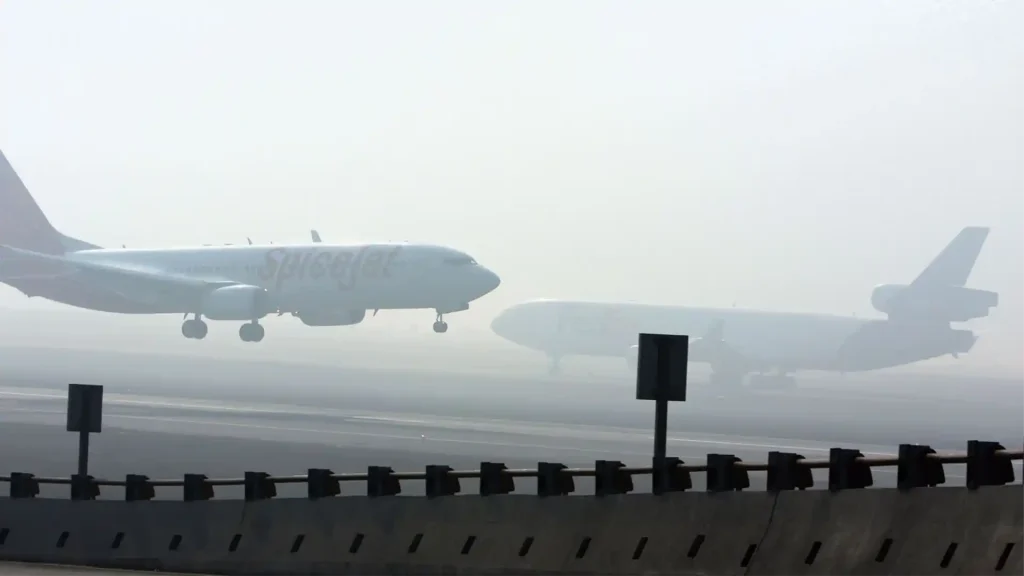
Early Thursday morning, a dense layer of fog enveloped large parts of Dubai, significantly reducing visibility and creating challenging conditions for commuters. Areas including Al Qusais, Al Muhaisnah, and neighborhoods along Sheikh Mohamed bin Zayed Road were among the worst affected, with visibility reportedly dropping to less than 100 meters in certain locations. The thick fog caused traffic to slow dramatically, with vehicles moving at cautious speeds as drivers attempted to navigate the hazardous conditions safely. During peak commuting hours, the reduced visibility led to congestion, delays, and heightened concerns about road safety.
Dubai Police quickly responded to the situation by issuing public safety advisories, urging motorists to exercise extreme caution while driving. Authorities emphasized that the unusual weather conditions required drivers to maintain safe distances between vehicles, reduce speed, and stay alert for any unexpected obstacles on the road. In their advisory, Dubai Police reminded residents that careful and attentive driving was essential for minimizing accidents and ensuring both personal safety and the safety of other road users during periods of limited visibility caused by fog.
Meanwhile, Abu Dhabi also experienced similar weather disruptions, prompting authorities to implement proactive measures to ensure public safety. The Abu Dhabi police activated their weather-responsive speed management system, which automatically lowered speed limits on several major roads to account for low visibility. Motorists traveling through affected areas received emergency alerts directly on their mobile phones, instructing them to reduce speed to 80 kilometers per hour in response to the dense fog. The system was designed to reduce the risk of collisions and help drivers navigate safely in hazardous conditions.
Authorities in both emirates highlighted that foggy weather can significantly impact not only daily commutes but also emergency response times and traffic flow across major highways. Motorists were advised to avoid sudden lane changes, use headlights appropriately, and allow extra time for travel. Commuters were also reminded to remain patient and avoid risky maneuvers, as fog can obscure road markings and other vehicles, making cautious driving essential.
The dense fog in Dubai and Abu Dhabi serves as a reminder of how quickly weather conditions can change in the UAE, particularly during the cooler months when temperature variations often create thick morning fog. Authorities in both cities stressed the importance of following official advisories, using available technological aids such as weather alerts, and remaining aware of evolving road conditions to ensure safe travel.
In summary, the heavy fog that blanketed key parts of Dubai and Abu Dhabi early Thursday caused visibility to drop sharply, slowed traffic, and prompted a series of safety measures from local authorities. Dubai Police urged careful driving and adherence to safety protocols, while Abu Dhabi implemented automated speed reductions and emergency alerts to help motorists navigate the dangerous conditions. Residents and commuters were strongly advised to drive cautiously, maintain safe distances, and stay informed through official channels to reduce risk and ensure public safety during periods of dense fog.
Early Thursday, motorists across UAE highways were seen exercising heightened caution as dense fog enveloped the region. Drivers reduced their speeds significantly, resulting in slower traffic movement and localized congestion in certain areas. The sudden drop in visibility created a challenging environment for commuting, prompting many to adopt extra safety measures to navigate the fog-covered roads. Among these measures, a noticeable number of drivers resorted to turning on their hazard lights in an attempt to increase visibility and alert other vehicles of their presence.
However, traffic safety experts have cautioned that using hazard lights while driving in foggy conditions can be counterproductive and potentially dangerous. Hazard lights are primarily intended to signal a stationary or emergency vehicle, and when used while moving, they can confuse other drivers about the motorist’s intentions. This confusion can increase the likelihood of collisions, especially when visibility is already limited and judgment of distance between vehicles is impaired. Drivers may misinterpret the signals and take unnecessary evasive actions, which can exacerbate traffic hazards rather than reduce them.
Authorities advise motorists to instead rely on properly adjusted headlights when driving through fog. Low-beam or dipped headlights are recommended because they illuminate the road without reflecting off the fog and impairing the driver’s own vision. High beams should be avoided as they can create glare and worsen visibility conditions. Additionally, maintaining a safe distance from the vehicle ahead, reducing speed, and staying alert to sudden stops or obstacles are critical steps for ensuring safety. Drivers should also avoid sudden lane changes and focus on the road markings to help navigate effectively.
Driving in fog requires patience, vigilance, and adherence to proper safety practices. Limited visibility reduces the driver’s ability to anticipate hazards and accurately judge distances, making careful, controlled driving essential. By following expert guidelines—using dipped headlights, keeping safe distances, and avoiding unnecessary hazard light use—motorists can minimize the risk of accidents and ensure safer travel during foggy conditions across UAE roads.