A UAE billionaire has urged Arab countries to diversify their global partnerships, warning against relying only on Western nations and stressing the importance of balanced economic, political, and strategic alliances.
UAE tycoon says Arab nations should not depend solely on Western countries
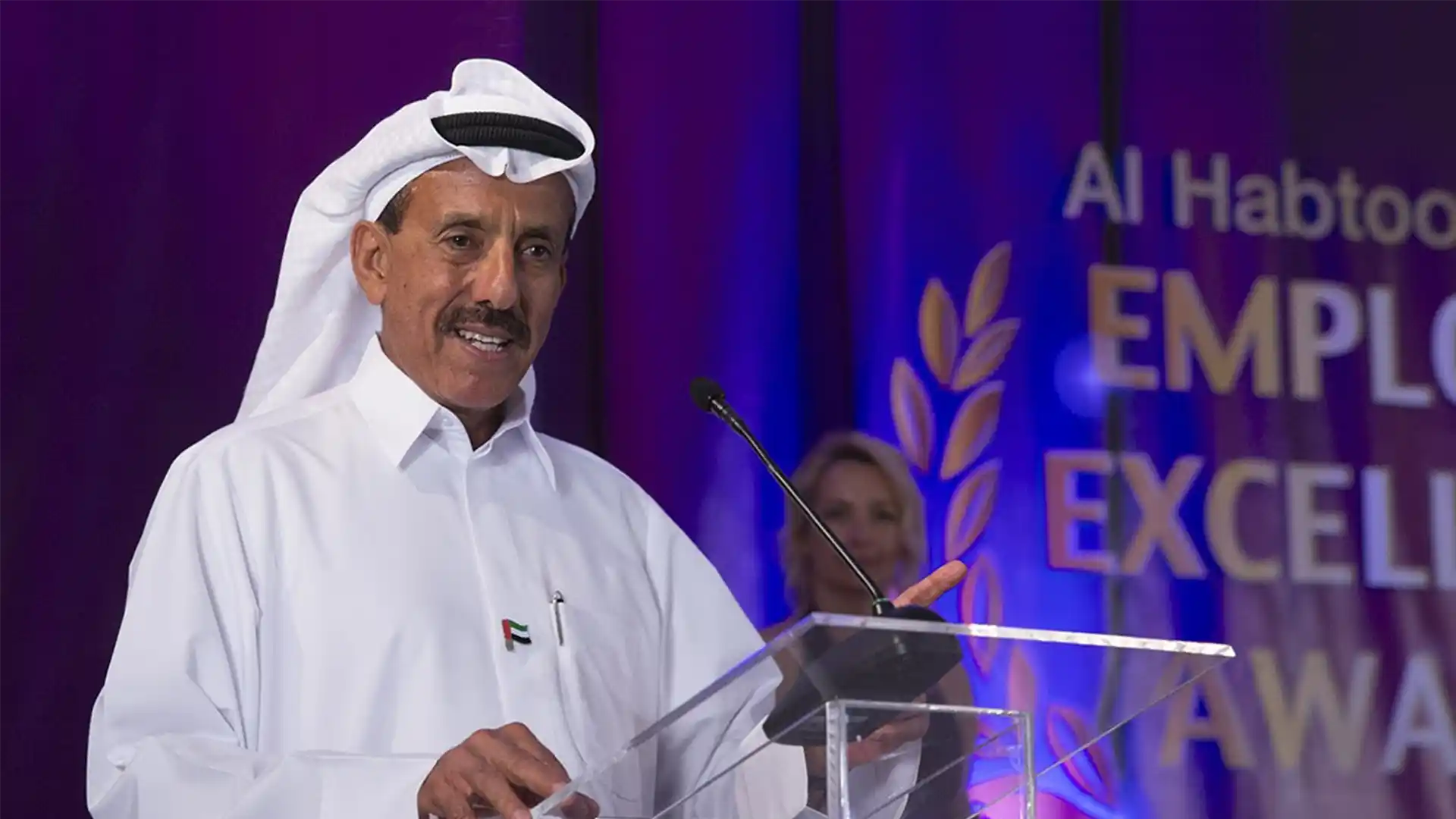
Emirati billionaire Khalaf Al Habtoor has called on Arab nations to strengthen cooperation among themselves rather than depending heavily on Western powers, saying there is often a lack of genuine respect or appreciation from abroad.
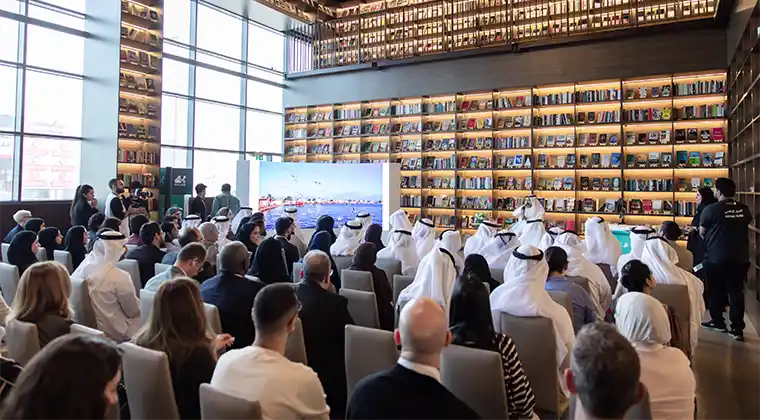
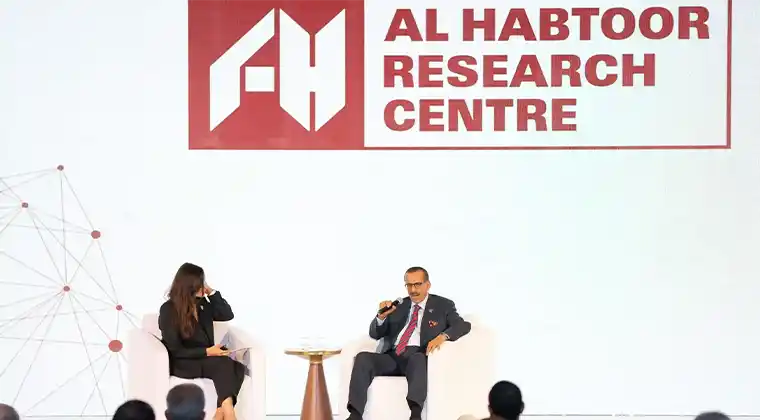
Addressing attendees at the annual forum organised by the Al Habtoor Research Centre — a think tank focused on identifying potential risks facing the Arab world — the UAE-based businessman said Western assistance may be sought when necessary, but should not become the sole pillar of support for the region.
“We should not place our reliance on Europe, America, or any other external power,” he said. “Our strength lies in depending on ourselves. The foundations already exist. The world is watching us, particularly Western nations, and we must engage with one another transparently, constructively, and with mutual trust.”
Al Habtoor pointed to the UAE as a model for effective collaboration between the public and private sectors, arguing that this partnership has played a major role in building a resilient economy. He said clear regulations and close cooperation between government institutions and business leaders have given the country an advantage over many other economies.
Commenting on global economic conditions, Al Habtoor said Europe is facing significant financial strain, contrasting this with the UAE’s comparatively strong economic position. He added that the country’s stability and opportunities have attracted people from around the world, creating a diverse and productive workforce.
He also cautioned against arrogance in wealth, reminding audiences that financial success must be managed with humility. “Money can open doors, but pride can close them just as quickly,” he said.
The prominent businessman has previously expressed interest in investment and reconstruction opportunities in conflict-affected regions such as Syria and Gaza. Known for speaking openly on political and economic issues, Al Habtoor has recently criticised US President Donald Trump, particularly over his stance and rhetoric toward Venezuela.
Call for regional unity
Al Habtoor stressed that closer cooperation between Arab states could unlock vast economic and strategic potential. He said the region possesses abundant natural resources, human capital, and financial capabilities, yet often fails to maximise them due to fragmentation and lack of coordination. According to him, stronger regional trade, shared investment platforms, and joint infrastructure projects would reduce dependence on foreign economies. He urged Arab leaders to prioritise collective interests over narrow national agendas, arguing that unity would allow the region to negotiate from a position of strength on the global stage rather than as individual, competing players.
Economic self-reliance and diversification
The billionaire highlighted the importance of building diversified economies that are resilient to global shocks. He noted that reliance on external markets, aid, or political alliances can expose countries to sudden policy shifts beyond their control. By investing in industries such as technology, manufacturing, agriculture, and renewable energy, Arab nations could strengthen domestic growth and job creation. Al Habtoor said self-sufficiency does not mean isolation, but rather engaging globally on equal footing, where partnerships are based on mutual benefit instead of dependency or imbalance.
Role of leadership and governance
Al Habtoor emphasised that strong leadership and effective governance are critical to achieving regional independence. He said transparent institutions, rule of law, and accountability create investor confidence and encourage long-term planning. Drawing again on the UAE’s experience, he argued that stability and consistent policies have enabled the country to attract global capital while maintaining national priorities. He urged other Arab governments to empower private enterprise, reduce bureaucratic barriers, and foster innovation, saying these steps would help unlock economic potential and reduce the need for external reliance.
Youth, talent, and innovation
Turning to the region’s youth, Al Habtoor said young Arabs represent one of its greatest untapped strengths. He called for greater investment in education, skills development, and entrepreneurship to ensure future generations can drive growth from within. By supporting startups, research institutions, and vocational training, Arab countries could retain talent that often migrates abroad for better opportunities. Al Habtoor said empowering youth would not only strengthen economies but also build confidence and pride, reinforcing the idea that the region can shape its own future rather than depending on others.
Balancing global engagement
While advocating self-reliance, Al Habtoor clarified that Arab countries should not disengage from the international community. Instead, he said, the region should pursue balanced global relationships based on respect and reciprocity. Strategic partnerships with the West, Asia, and other regions can still be valuable, he noted, provided Arab nations negotiate from a position of confidence and unity. He concluded by urging policymakers and business leaders to think long-term, warning that sustainable progress requires cooperation, humility, and a clear vision rooted in regional strength.