An Emirati resident transformed his private home farm into a shared green space, allowing neighbours to enjoy nature, relax outdoors, and build stronger community connections across the neighbourhood.
UAE: Get to know the Emirati who turned his home farm into a park for the whole neighbourhood
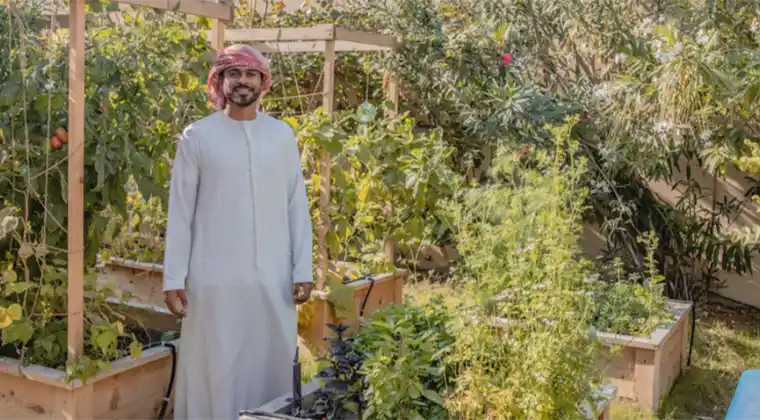
An Emirati resident has transformed his home garden into a shared source of fresh food, offering vegetables, herbs, and daily essentials to neighbours and anyone who needs them. Mohammed Al-Hashemi has opened his farm to the community, welcoming visitors — including neighbours’ domestic helpers — to harvest produce freely. His aim, he says, is to create a garden that benefits the entire neighbourhood.
Al-Hashemi’s interest in farming began more than 20 years ago and is closely tied to his family roots and love for nature. After settling into his current home in 2000, he began cultivating what was once an unused space. Over time, the garden flourished and grew into a dependable source of fresh produce not only for his household, but also for nearby residents and passersby.
A farming legacy
His passion for agriculture was inspired by his father, who loved farming and passed away when Mohammed was just eight years old. Although he did not initially understand his strong attraction to plants and vegetables, years of hands-on experience helped him discover a deep bond with the land, soil, and water that sustain growth.
Recalling his early days of gardening, Al-Hashemi said he began by planting grass before gradually introducing vegetables such as arugula, watercress, beetroot, turnip, and lettuce. Watching them grow, he said, was both surprising and deeply fulfilling, sparking a passion that would continue to grow.
To improve production, he took a major step later that year by building a plastic greenhouse on his own, guided by advice from a local farmer. Constructed using iron frames, plastic sheets, and ventilation fans, the greenhouse allowed him to control temperature and humidity more effectively.
He explained that maintaining temperatures between 20°C and 23°C created ideal conditions for faster and healthier plant growth. To further optimise the environment, he imported red soil, installed an underground water tank to cool irrigation water, and added a fan system to regulate airflow, enabling year-round cultivation.
As his experience grew, Al-Hashemi expanded the range of crops he planted and began experimenting with different vegetables. He stressed the importance of growing plants from seeds rather than buying seedlings, explaining that many market-sold seedlings struggle to adapt after being replanted.
According to him, seedlings raised in commercial environments often weaken once transferred to home gardens. He encourages aspiring gardeners to start from seeds so they can care for plants from their earliest stage and ensure stronger growth.
For soil preparation, Al-Hashemi mixes red soil with natural clay to improve moisture retention and fertility. He relies solely on heat-treated cow and chicken manure as fertiliser, avoiding chemical products. At times, he also uses organic fertilisers derived from fish to support plant health.
Today, every plant in his garden originates from seeds grown on-site. His farm has evolved into a shared pantry, where neighbours regularly collect herbs and vegetables such as coriander, parsley, basil, and peppers for their daily cooking.
“People come and take what they need,” he said, adding that the open access has helped build trust and a sense of shared responsibility within the community.
Beyond growing food, Al-Hashemi actively educates others about home farming. He hosts workshops and shares practical advice on social media, posting videos on topics such as seed selection, soil preparation, planting techniques, and garden maintenance.
His efforts have drawn volunteers who want to learn and contribute, including students from nearby schools and kindergartens. Through hands-on sessions, he teaches skills like soil aeration, transplanting seedlings, and pruning plants.
He also spoke about the common challenges faced by home gardeners, including pests, harsh weather conditions, and poor-quality seeds. Al-Hashemi cautioned that many seeds sold in the market are expired or have low germination rates, which can discourage beginners.
He noted that better-quality seeds are now more widely available, particularly from European suppliers, and stressed that selecting the right seeds and planting them correctly plays a crucial role in successful gardening.
Looking to the future, Al-Hashemi hopes to further expand his initiative and create a green space that serves the entire neighbourhood. His vision centres on sustainability, education, and community sharing.
“If we all learn how to grow and share,” he said, “we can build a greener, healthier environment for everyone.”

Growing community bonds
Beyond providing food, Al-Hashemi believes his garden plays an important social role in strengthening neighbourhood ties. He says people who visit often end up chatting, exchanging recipes, or sharing gardening tips with one another. This simple act of harvesting vegetables has helped create friendships among residents who previously barely knew each other. Children, in particular, have shown curiosity about where food comes from, asking questions and helping with small tasks. Al-Hashemi feels these interactions are just as valuable as the produce itself, as they encourage cooperation, trust, and a shared sense of belonging within the community.
Teaching sustainability at home
Al-Hashemi emphasises that home farming is not only about fresh food, but also about sustainability. He encourages residents to reduce waste by composting kitchen scraps and reusing water where possible. By growing food locally, he says families can lower their carbon footprint and reduce reliance on imported produce. He often explains how even small balcony gardens or pots can make a difference. According to him, sustainability begins with awareness, and home gardens offer a practical way for people to contribute positively to the environment without major financial investment.
Inspiring the younger generation
One of Al-Hashemi’s proudest achievements has been inspiring young people to take an interest in agriculture. During school visits and workshops, he notices children becoming excited when they see seeds sprout or taste vegetables they helped grow. He believes these experiences can shape lifelong habits, encouraging healthier eating and respect for nature. Teachers have told him that students later try planting at home with their families. Al-Hashemi hopes such exposure will motivate future generations to value farming, sustainability, and self-sufficiency in an increasingly urbanised world.
Adapting to the UAE climate
Farming in the UAE comes with unique challenges, particularly extreme heat and limited water resources. Al-Hashemi says adapting techniques to suit the local climate is essential. He uses shading, controlled irrigation, and careful timing of planting seasons to protect crops. He also experiments with heat-resistant vegetable varieties that perform better in regional conditions. Through trial and error, he has learned which methods work best and shares these lessons openly. His experience shows that with planning and patience, productive farming is possible even in harsh environments.
A vision for wider impact
Ultimately, Al-Hashemi hopes his initiative can inspire similar projects across the UAE. He believes that if more residents turn unused spaces into productive gardens, communities could become more self-reliant and environmentally conscious. He envisions neighbourhoods connected by shared green spaces, where people exchange produce, knowledge, and support. While his garden started as a personal passion, it has grown into a model of community-driven sustainability. For Al-Hashemi, the true harvest lies not just in vegetables, but in the positive impact on people’s lives.