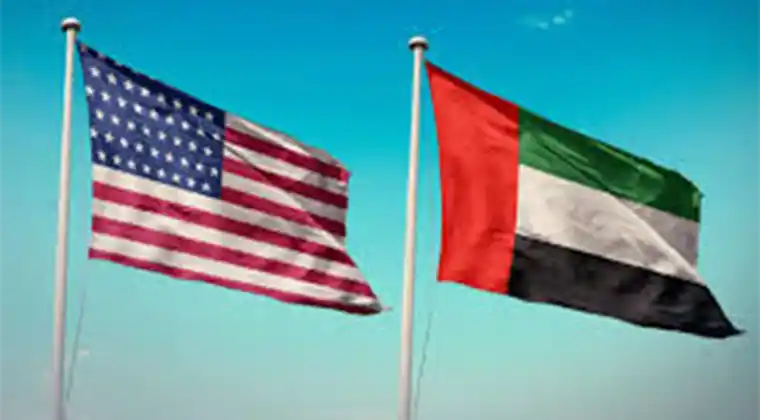
The UAE has joined the US-supported Pax Silica initiative to strengthen artificial intelligence supply chains, reinforcing economic collaboration and advancing technological cooperation between the two countries.
UAE becomes part of US-backed AI supply chain pact Pax Silica, strengthening economic cooperation
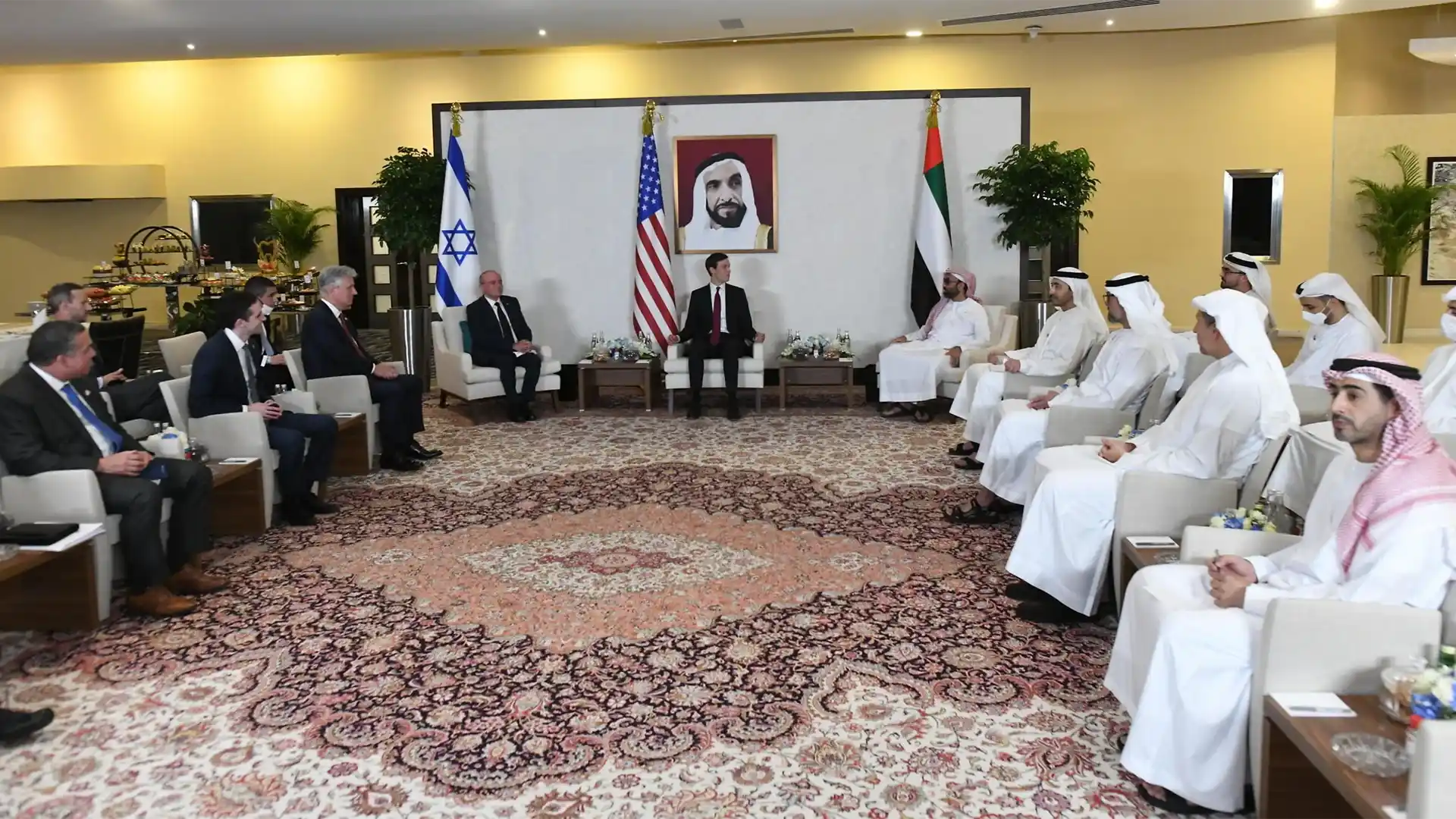
The United Arab Emirates on Wednesday became part of a US-led effort aimed at safeguarding artificial intelligence and semiconductor supply chains, known as Pax Silica, a move expected to deepen economic cooperation between Abu Dhabi and Washington.
The initiative forms a central component of the Trump administration’s economic strategy, which seeks to lessen reliance on rival countries while reinforcing collaboration among allied nations. Other participants in the programme include Australia, the United Kingdom, Israel, Japan, Qatar, Singapore and South Korea.
Speaking to Reuters, US Undersecretary of State for Economic Affairs Jacob Helberg said the focus of the initiative is on strengthening critical elements of global supply chains. He explained that this includes logistics networks, industrial manufacturing capacity, and key inputs such as capital and energy. Helberg added that the UAE is seen as a well-rounded partner capable of contributing meaningfully across all of these areas.
On behalf of President Donald Trump and Secretary of State Marco Rubio, Helberg also extended an invitation to the UAE to attend a ministerial-level meeting on critical minerals scheduled to take place in Washington next month. He said the meeting would bring together representatives from a broad group of countries.
The UAE has been investing heavily in recent years to position itself as a global hub for artificial intelligence, committing billions of dollars to the sector. The country is seeking to capitalise on its close relationship with the United States to gain access to advanced American technologies, including cutting-edge semiconductor chips.
In addition, the UAE has entered into a multibillion-dollar agreement with US technology firms to develop one of the world’s largest data centre complexes in Abu Dhabi, further supporting its ambitions in the digital and AI space.
When asked about former president Trump’s warning of a potential 25 per cent tariff on US trade with countries that conduct business with Iran — a group that includes the UAE — Helberg said he remained confident in the durability and strength of the US-UAE partnership.
Although Qatar is among the countries participating in Pax Silica, Saudi Arabia is not currently part of the initiative, despite its own ambitions to become a major player in artificial intelligence. Helberg said he had held preliminary talks with Saudi officials earlier this week, noting that the US and Saudi Arabia have already reached a significant bilateral agreement focused on AI cooperation.
Analysts say the UAE’s inclusion in Pax Silica reflects its growing strategic importance in global technology and supply chain discussions. With its strong logistics infrastructure, stable business environment, and access to energy resources, the country is increasingly viewed as a reliable partner for advanced manufacturing and data-driven industries. Experts note that participation in such initiatives enhances the UAE’s standing as a bridge between East and West, while reinforcing its role in shaping future technology ecosystems alongside major global economies.
The initiative also highlights Washington’s broader push to restructure supply chains for critical technologies, particularly semiconductors, which are essential for artificial intelligence, defence systems, and advanced computing. By working closely with trusted partners, the US aims to ensure resilience against geopolitical disruptions and supply shortages. For participating countries, the programme offers access to strategic dialogue, policy coordination, and potential investment opportunities linked to next-generation technologies.
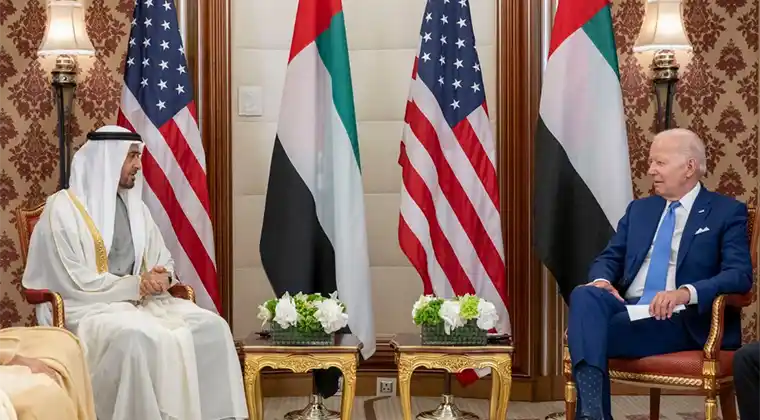
For the UAE, the partnership aligns closely with its long-term economic diversification goals. Reducing reliance on hydrocarbons has been a central pillar of national strategy, with artificial intelligence, advanced manufacturing, and digital infrastructure identified as key growth sectors. Government-backed initiatives and sovereign wealth investments have accelerated progress in these areas, helping attract international firms and talent. Officials believe that collaboration with the US and other allies will further accelerate knowledge transfer and innovation.
Regional observers note that the Gulf’s role in global technology supply chains is expanding, driven by rising capital investment and ambitious national visions. While Qatar’s participation in Pax Silica underscores its own strategic positioning, Saudi Arabia’s absence highlights differing approaches to AI partnerships in the region. Experts suggest that bilateral agreements, such as the one already in place between Washington and Riyadh, may offer alternative pathways to collaboration outside multilateral frameworks.
Looking ahead, industry experts expect Pax Silica to evolve into a platform for deeper cooperation on policy standards, investment flows, and research development. As demand for AI-driven solutions continues to rise globally, secure and efficient supply chains will become increasingly critical. The UAE’s involvement places it at the centre of these discussions, potentially opening doors to further partnerships, increased foreign investment, and a stronger role in shaping the future of global technology governance.