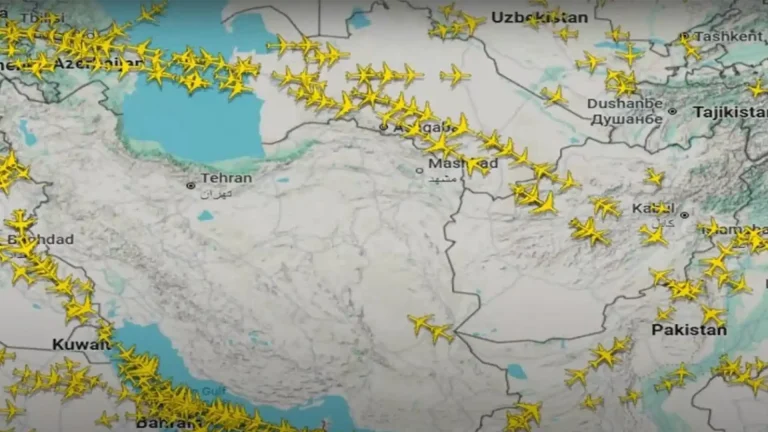
Philippine authorities plan to shut down AI chatbot Grok after a deepfake controversy, citing risks to public trust, misinformation spread, and potential harm to elections and national security nationwide concerns.
Philippines to Shut Down Grok Following Deepfake Controversy
The Philippine government announced on Thursday that it intends to restrict access to Elon Musk’s AI chatbot Grok before the end of the day, citing serious concerns over the spread of harmful content, particularly AI-generated sexualized deepfakes. With this move, the Philippines joins neighboring Southeast Asian countries Malaysia and Indonesia, which have already taken steps to block the chatbot.
The decision was revealed only hours after social media platform X, which owns Grok, stated that it was implementing safeguards to stop the chatbot from generating altered images that digitally remove clothing from real individuals. These images have reportedly included minors, triggering outrage from governments, advocacy groups, and the public worldwide. The controversy has also prompted authorities in the U.S. state of California to launch an investigation into the issue.
Philippine officials emphasized that the rise of artificial intelligence has intensified the spread of harmful and toxic online material, making swift government intervention necessary. Telecommunications Secretary Henry Rhoel Aguda, speaking at a press conference, stressed the urgency of addressing the issue. He said the government believes it is time to take decisive action to protect internet users, as AI technologies are increasingly being misused to create damaging and inappropriate content.
According to Aguda, the administration sees the situation as part of a broader challenge posed by rapid technological advancement. He noted that while AI offers many benefits, it also opens the door to abuse, particularly when safeguards are weak or delayed. The government, he said, has a responsibility to act quickly to prevent further harm.
Further details were provided by Renato Paraiso, the acting executive director of the Philippines’ cybercrime center. In an interview with AFP, Paraiso confirmed that the ban on Grok would be enforced nationwide within the same day. He explained that internet service providers and telecommunications companies had already been instructed to comply with the order issued by the National Telecommunications Commission.
Paraiso said authorities expect telecom firms to immediately block access to the chatbot once the directive takes effect. He added that government agencies will closely monitor compliance to ensure the restriction is properly implemented across the country. According to him, the goal is to prevent continued access to a tool that authorities believe poses a risk to public safety and digital well-being.
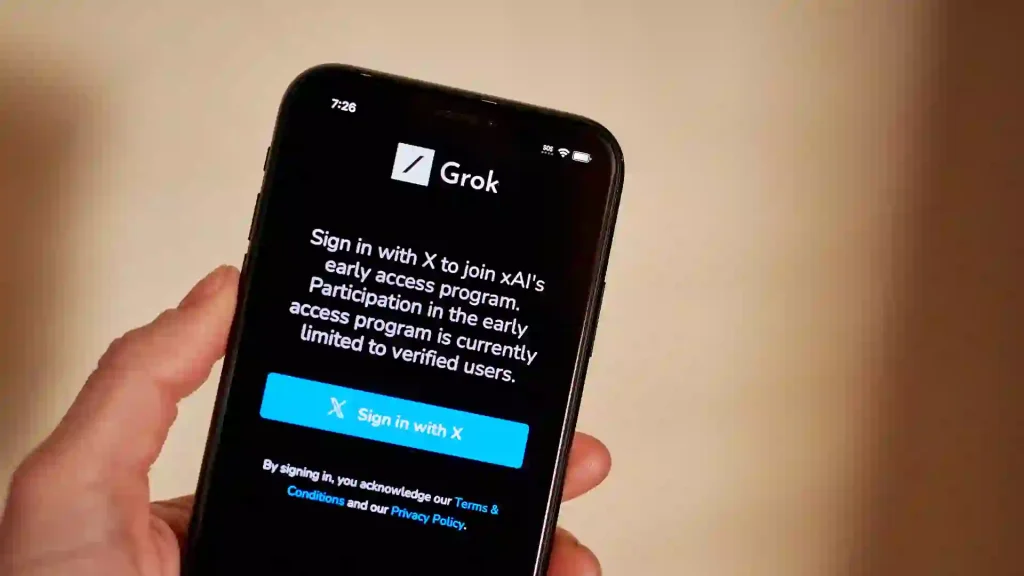
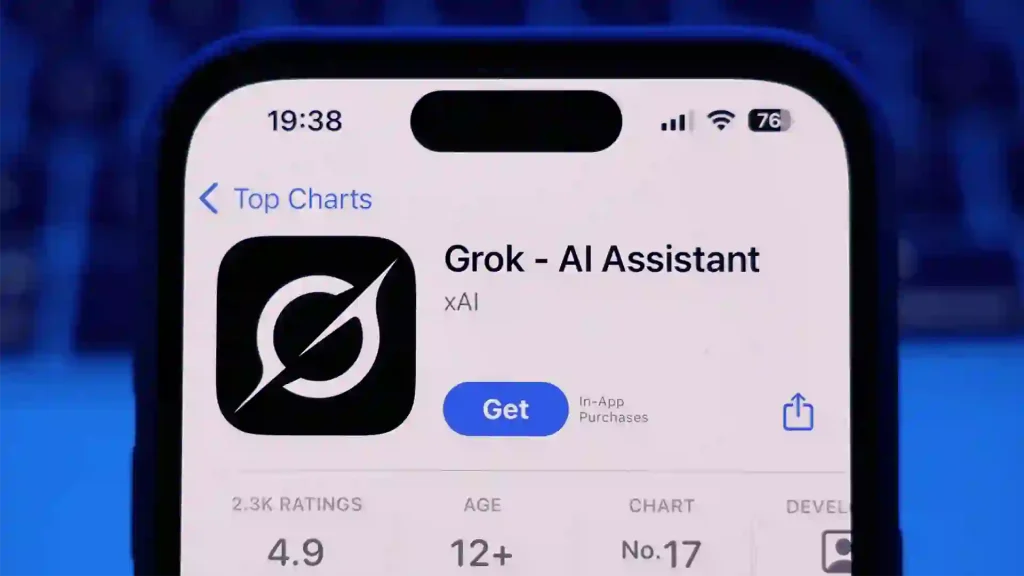
Despite X’s announcement that it would take steps to limit the chatbot’s problematic capabilities, Philippine officials made it clear that such assurances would not alter their plans. Paraiso stated that the government could not rely solely on company statements or promises when making decisions of this magnitude. Instead, authorities prefer to base actions on observable results and concrete safeguards.
He explained that while officials would keep an eye on whether X follows through on its commitments, the immediate priority remains protecting the public from potential harm. Until there is clear evidence that the issues surrounding Grok have been fully addressed, the government intends to maintain its firm stance.
The Philippines’ move follows similar actions taken by other countries in the region. Indonesia became the first nation to fully block Grok over the weekend, citing concerns about the chatbot’s ability to generate explicit and misleading content. Malaysian authorities followed shortly after, announcing their own restrictions the next day.
These developments reflect a growing unease among governments about the rapid deployment of advanced AI systems without sufficient controls. Critics argue that while companies race to innovate, regulations and safety measures often lag behind, leaving users vulnerable to exploitation and abuse.
The controversy surrounding Grok has also intensified the global debate over AI governance, accountability, and ethical use. Lawmakers and regulators in multiple countries are now grappling with how to balance technological innovation with the need to protect individuals, especially children, from digital harm.
In the Philippines, officials have framed the ban as a necessary step rather than a permanent solution. Authorities have indicated they are open to revisiting the decision in the future if adequate protections are put in place and consistently enforced. For now, however, the government says immediate action is required to curb the spread of harmful content and restore trust in online platforms.
As AI tools continue to evolve and spread, the Grok controversy underscores the growing pressure on both governments and tech companies to act responsibly. The Philippine government’s decision signals that, at least for now, public safety and digital integrity will take precedence over unrestricted access to emerging technologies.