NASA reports that four astronauts aboard the International Space Station are returning to Earth following a medical evacuation. The crew left the ISS safely and is en route home.
ISS Medical Evacuation: NASA Says Four Astronauts Are Returning to Earth
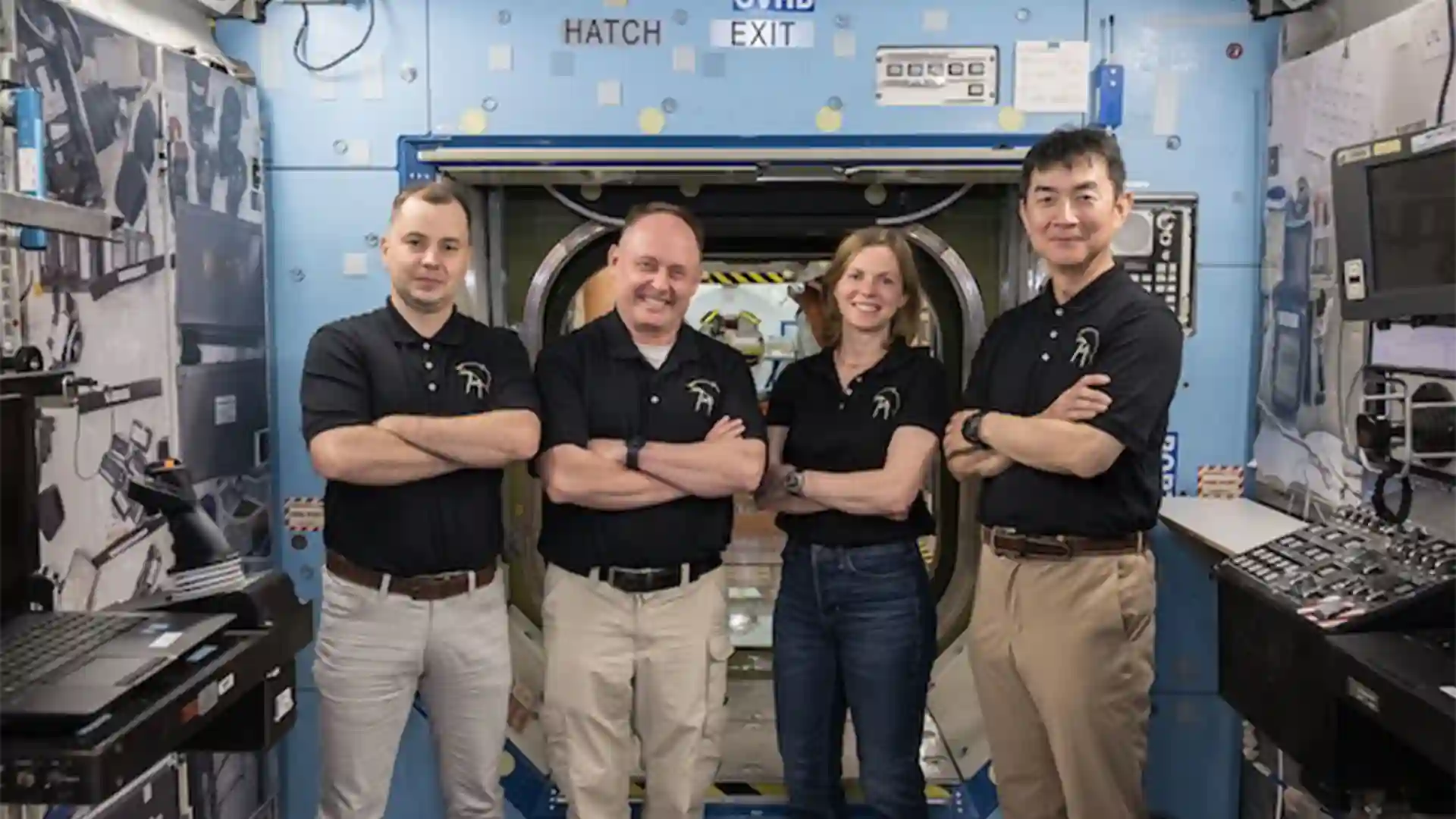
Four astronauts began their journey back to Earth from the International Space Station (ISS) on Wednesday after a medical concern prompted an early end to their mission. Video footage released by NASA showed the crew safely departing the orbiting laboratory, cutting their stay short by roughly a month.
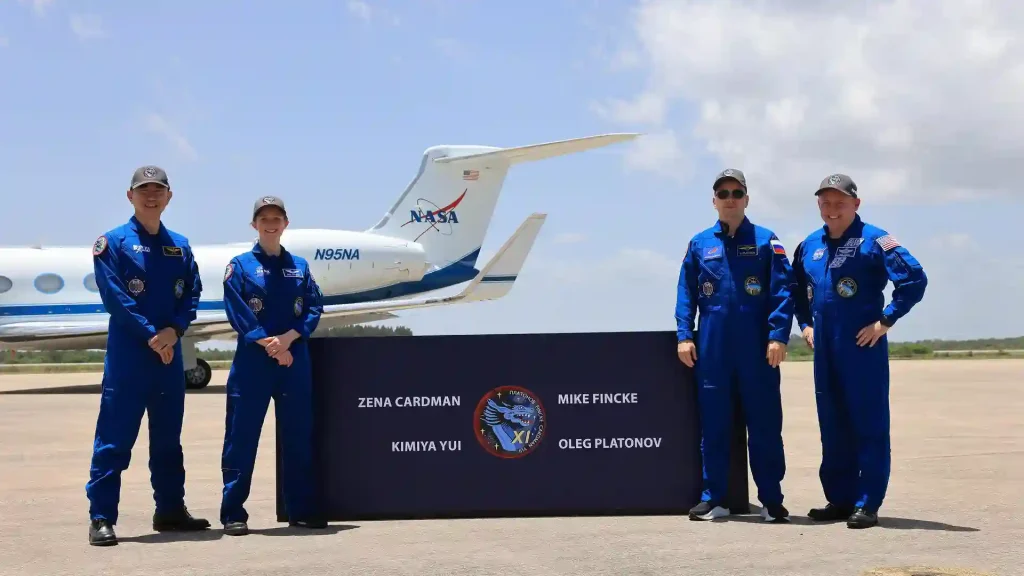
The team consisted of two American astronauts, Mike Fincke and Zena Cardman, alongside Russian cosmonaut Oleg Platonov and Japanese astronaut Kimiya Yui. They had been living and working aboard the ISS for about five months, conducting scientific experiments and maintaining the station before the unexpected medical evacuation.
NASA confirmed that the crew undocked from the ISS and entered their SpaceX Crew Dragon capsule in preparation for reentry. According to the agency, the capsule began its controlled descent from orbit at approximately 5:20 p.m. Eastern Standard Time (2220 GMT). The spacecraft was scheduled to splash down in the Pacific Ocean off the coast of California at around 8:40 a.m. GMT on Thursday.
While the return was prompted by a medical issue, NASA has not disclosed which astronaut is affected or provided specific details about the health concern. Officials emphasized, however, that the evacuation does not constitute an emergency and that the crew’s condition is stable. The focus remains on ensuring a safe and smooth return for all four astronauts.
The mission, which had initially been planned to last six months, had already seen the crew perform a variety of tasks critical to the operation of the ISS. During their time in orbit, they participated in experiments ranging from biology and human physiology to material science, while also conducting routine maintenance and supporting station operations. Despite the shortened mission, the astronauts reportedly completed the majority of their scheduled work before the decision to return early was made.
The undocking process is a carefully choreographed maneuver. After detaching from the station, the Crew Dragon capsule fires thrusters to slowly move away from the ISS, entering a precise orbit that allows it to reenter Earth’s atmosphere safely. Once in the atmosphere, the spacecraft relies on heat shields to survive the intense friction and heat generated during descent. Parachutes deploy in the final stage to slow the capsule for a controlled splashdown in the ocean, where recovery teams are waiting to assist the crew.
This marks another successful collaboration between NASA and SpaceX in human spaceflight operations. The Crew Dragon has been the primary vehicle for transporting astronauts to and from the ISS since its operational debut, and NASA continues to rely on the spacecraft for both routine crew rotations and contingency returns, such as this medical evacuation.
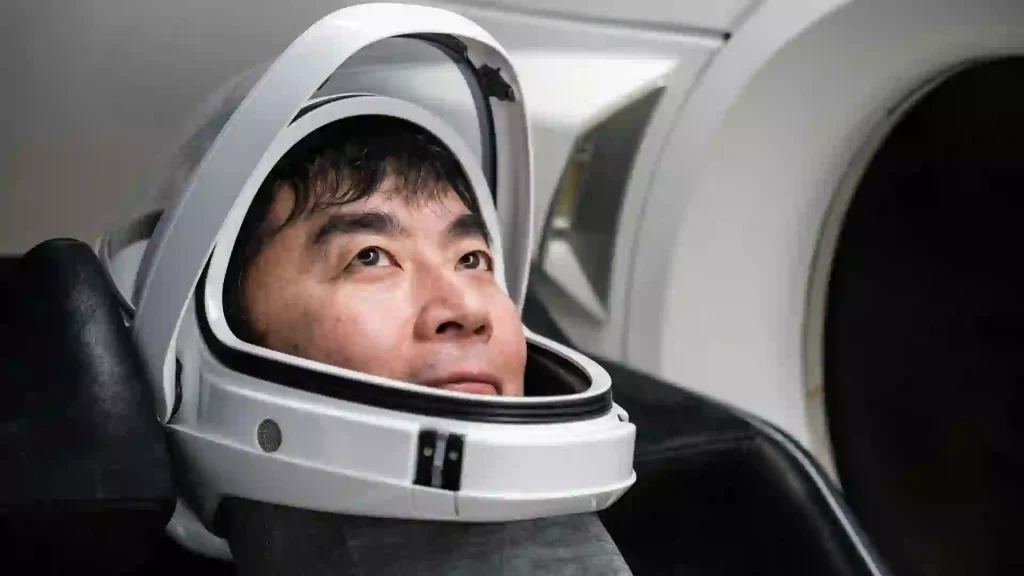
While specific medical details remain private, NASA has protocols in place for situations requiring the early return of astronauts. Crew members undergo regular health monitoring while aboard the ISS, and the space agency maintains the ability to expedite reentry if any serious medical issues arise. The decision to bring the astronauts home early reflects these safety measures, ensuring that all personnel receive proper care on Earth.
The returning astronauts are expected to be met by recovery teams upon splashdown, who will assist in removing them from the capsule and provide immediate medical evaluations. These post-mission assessments are standard procedure, particularly in cases where a health concern prompted an early return. The evaluations help NASA better understand the effects of prolonged spaceflight on the human body and provide necessary treatment if required.
Historically, medical evacuations from the ISS are rare but not unprecedented. Astronauts undergo rigorous health screenings before launch, and medical contingencies are carefully planned. In this instance, NASA has reassured the public that the situation is under control and that the astronauts’ safety remains the top priority.
Mike Fincke, a veteran astronaut with previous missions to the ISS, Zena Cardman, a more recent addition to NASA’s astronaut corps, Oleg Platonov representing Russia, and Kimiya Yui of Japan, together highlight the international nature of the ISS program. Their combined experience and expertise have contributed significantly to the ongoing scientific research aboard the station, even though their mission concluded earlier than anticipated.
The return journey, while carefully planned, is always a physically demanding process for astronauts. They transition from a microgravity environment to Earth’s gravity, which can be strenuous on the body. Recovery procedures include medical checkups, physical therapy, and monitoring for any delayed effects of spaceflight, ensuring that each crew member safely readjusts to life on Earth.
NASA continues to stress the importance of transparency and safety in all crewed missions. While the agency has withheld the identity and condition of the affected astronaut, the overall message remains clear: the crew’s departure from the ISS is a precautionary measure, not a sign of a critical emergency. The return demonstrates the robustness of spaceflight protocols and the preparedness of both astronauts and ground teams to respond to unexpected situations.
As the Crew Dragon capsule nears its scheduled Pacific Ocean landing, teams on the ground remain vigilant, coordinating recovery and medical support. The mission underscores the complexity of human space exploration and the ongoing international collaboration that makes extended stays on the ISS possible.
Even with a shortened mission, the work accomplished by Fincke, Cardman, Platonov, and Yui contributes to NASA’s long-term goals in space research, technology development, and preparation for future missions to the Moon and Mars. Their early return highlights the careful balance between achieving scientific objectives and maintaining astronaut health and safety.
The successful execution of this medical evacuation reinforces confidence in the systems and protocols in place for crewed spaceflight. NASA and its international partners continue to advance the frontiers of space exploration while prioritizing the well-being of those who make such missions possible.
In summary, four astronauts have safely left the ISS following a medical concern, with their SpaceX Crew Dragon capsule heading for a planned Pacific Ocean splashdown. Though the mission ended earlier than intended, NASA has confirmed the situation is under control, underscoring the agency’s commitment to crew safety and operational excellence in spaceflight.