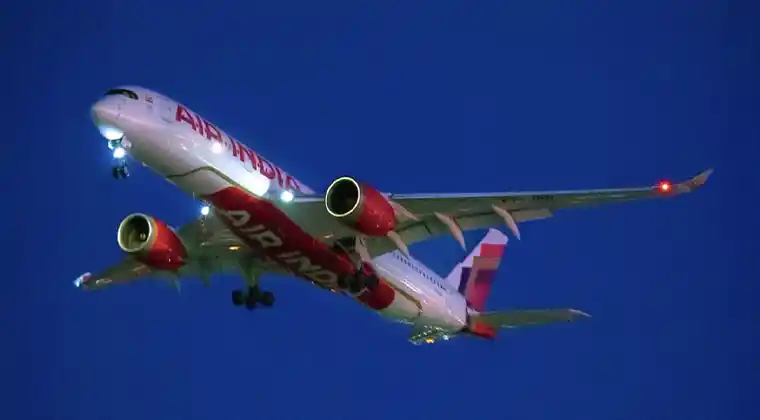
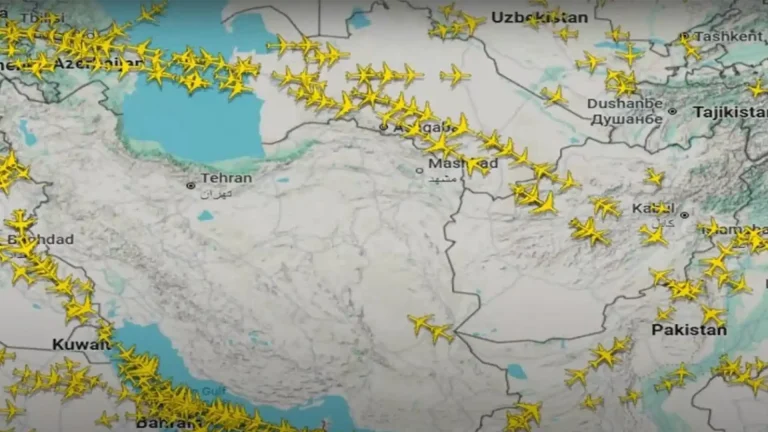
Indian flight schedules were thrown off as dense fog blanketed the north and Iran temporarily shut its airspace, prompting carriers to issue travel warnings and expect delays or cancellations.
Indian Air Travel Hits Turbulence as Iran Closes Airspace and Northern Fog Causes Delays, Airlines Alert Passengers.
Northern India’s Winter Fog and Iran Airspace Closure Cause Widespread Flight Disruptions
On the morning of Thursday, January 15, 2026, air travelers across northern India faced an unusually challenging start to their day as dense winter fog combined with an unexpected closure of Iran’s airspace led to widespread disruptions in both domestic and international flight operations. Airports from Delhi to Chandigarh, Varanasi, and beyond saw operational delays, flight cancellations, and long queues, leaving passengers anxious and airlines scrambling to adapt.
At Lal Bahadur Shastri International Airport in Varanasi, ground staff members were seen standing beside parked IndiGo aircraft, navigating the logistical challenge of adjusting schedules in real time. Passengers arriving at the airport were met with an unusual scene: quiet tarmacs interrupted only by sporadic announcements alerting travelers to delayed departures or revised boarding gates. The thick blanket of fog rendered visibility minimal, forcing airport authorities and airlines to operate at reduced capacity, and ensuring that safety remained the priority.
IndiGo, one of India’s largest carriers, issued alerts through its website and social media channels, advising travelers to check the status of their flights before heading to airports. The airline noted that the dense fog over northern cities like Chandigarh was causing “slower flight movements,” with both departures and arrivals experiencing short delays. Staff at the airline worked diligently to ensure that passengers received timely updates, assisting those who needed to reschedule connecting flights or adjust travel plans due to unforeseen disruptions.
Domestic Carriers Reschedule Flights
Akasa Air, another major domestic carrier, also faced a disrupted morning schedule. In response to the adverse weather, the airline had to adjust flight departures across multiple cities, emphasizing that these changes were necessitated by conditions beyond its control. In a statement, Akasa Air expressed regret for the inconvenience caused to passengers and urged travelers to stay updated on their flight timings through official channels. Airport staff coordinated closely with the airline to manage queues, answer queries, and ensure that safety protocols were strictly adhered to amid reduced visibility conditions.
Northern India is no stranger to winter fog, particularly in January, when temperatures can drop significantly, creating dense, low-lying clouds that affect air travel. On Thursday morning, Indian media reported near-zero visibility in parts of the Delhi region, with temperatures hovering below 3°C. For airlines, these conditions make standard takeoff and landing procedures risky, requiring stricter monitoring and longer intervals between flights to maintain safe operations.
International Flights Disrupted by Iran Airspace Closure
While domestic airlines dealt with natural weather disruptions, international carriers faced an additional challenge: the temporary closure of Iran’s airspace. This unexpected restriction forced several airlines to reroute flights or, in some cases, cancel services where no feasible alternatives were available. Indian carriers such as Air India immediately announced revised flight plans, with some routes being redirected along longer paths to avoid restricted zones. These adjustments inevitably led to delays, longer flight durations, and logistical complexities for passengers and crew alike.
Passengers traveling internationally had to contend with cascading effects: a delayed flight in Delhi could impact connections in Europe or the Middle East, while rerouted paths increased fuel consumption and operational costs for airlines. The closure of Iranian airspace, combined with persistent fog over northern India, created a rare situation where domestic and international flight operations were simultaneously affected, highlighting the vulnerabilities of air travel during periods of severe weather or geopolitical restrictions.
Passenger Experiences and Airport Operations
At airports, the morning unfolded as a delicate balancing act. Ground staff and airline personnel worked tirelessly to manage the flow of passengers, many of whom faced uncertainty about their departure times. Check-in counters saw longer queues than usual, and information desks were inundated with travelers seeking real-time updates. Staff employed a combination of automated notifications, public announcements, and personal assistance to guide passengers through the evolving situation.
Despite the disruptions, there were few reported incidents, demonstrating both the preparedness of Indian airports and the adaptability of staff in handling extreme conditions. Passengers, although frustrated by delays, generally displayed patience as the airlines and airport authorities worked to maintain safety and minimize further disruptions. Children, elderly travelers, and those unfamiliar with airport procedures received focused assistance, ensuring that operational challenges did not compromise passenger welfare.
Anticipating Further Disruptions: Security Measures Ahead of Republic Day
Adding to the complexity, authorities in Delhi announced a temporary restriction on flight operations at Indira Gandhi International Airport from January 21 to January 26, coinciding with heightened security measures for Republic Day celebrations. The daily shutdown, which would last for approximately two-and-a-half hours each day, was intended to allow for secure airspace management during events in the national capital. Airlines and passengers alike were urged to plan accordingly, with carriers updating schedules and offering alternative options to mitigate the impact of these planned restrictions.
Combined with the ongoing weather-related disruptions, these temporary closures underscored the importance of proactive communication between airlines, airports, and travelers. Passengers were advised to check official channels regularly and plan sufficient time for travel to avoid missing flights or connections during the busy winter season.
Looking Ahead: Managing Winter Weather and Geopolitical Risks
This episode of widespread air travel disruption highlights the multiple factors that can affect airline operations in India. While dense fog in northern India is a seasonal occurrence, its impact is magnified when coinciding with unexpected geopolitical developments, such as the temporary closure of airspace over Iran. Airlines continue to refine contingency plans, including rerouting, scheduling adjustments, and real-time communication strategies, to ensure passenger safety and minimize inconvenience.
Experts note that passengers should remain vigilant during the winter months, particularly in regions prone to dense fog, and allow for additional travel time when planning journeys. Moreover, international travelers should monitor geopolitical developments that may affect air routes, particularly in regions with heightened security or airspace restrictions.
Airline operations are inherently complex, and this week’s disruptions serve as a reminder of the delicate balance required to maintain schedules, ensure safety, and respond to rapidly changing conditions. Coordination between ground staff, air traffic control, airlines, and government authorities is critical to managing these challenges effectively.
Conclusion: A Test of Preparedness and Communication
Thursday’s disruptions across northern India demonstrated both the vulnerability and resilience of the aviation ecosystem. Dense fog grounded flights, rerouted air traffic, and caused delays across domestic and international sectors. At the same time, the professionalism of ground staff, clear communication from airlines, and cooperation from passengers ensured that the situation was handled efficiently.
For travelers, the event underscored the importance of monitoring flight statuses and remaining flexible during winter travel. For airlines and airport authorities, it reinforced the need for robust contingency planning and adaptability in the face of both natural and geopolitical challenges. As northern India continues to experience winter fog and international airspace restrictions occasionally arise, the lessons from this episode will inform future operations and highlight the value of preparation, communication, and patience in air travel.