In Dubai, an Emirati resident has transformed his private home farm into an open community garden, welcoming visitors and sharing fresh produce to help support and nourish people across the neighbourhood.
Dubai: Emirati Opens Home Farm to the Public, Creating a Community Garden to Feed Others.
A Garden That Grows More Than Food: How One Emirati Is Nourishing His Community
On a quiet residential street in Dubai, a garden unlike most others quietly thrives. It is not just the lush greenery or the carefully tended vegetable beds that make it special, but the steady stream of visitors who pass through its gates. Some arrive carrying reusable bags, others with simple smiles and words of thanks. All leave with fresh produce — and a sense that generosity still has deep roots in the community.
This is the home farm of Mohammed Al Hashemi, an Emirati resident whose private garden has evolved into a shared space that serves far more than his own household. Over time, it has become an informal community pantry, offering vegetables, leafy greens, and herbs to neighbours, visitors, and those who may otherwise struggle to access fresh food.
Domestic helpers from nearby homes are among the frequent visitors. They arrive on behalf of families they work for or sometimes for themselves, carefully selecting produce grown just steps away from where it will be eaten. For Al Hashemi, this is exactly how he envisions his garden being used.
“My aim has always been to create a garden that belongs to everyone around me,” he says. “Food grows best when it is shared.”
From Personal Passion to Community Purpose
Al Hashemi’s relationship with farming did not begin as a charitable project. It started more than two decades ago, deeply connected to his upbringing and family traditions. Growing plants, tending soil, and harvesting food were part of daily life long before urban living became the norm.
When he moved into his current home in Dubai in 2000, Al Hashemi brought that heritage with him. What began as a modest effort to surround his home with greenery gradually expanded. Over the years, the garden grew richer, more productive, and increasingly diverse.
Initially, the produce was grown for personal use. Like many home gardeners, Al Hashemi enjoyed the satisfaction of harvesting food he had nurtured himself. Fresh vegetables found their way into family meals, and excess produce was shared informally with relatives and close friends.
But as the garden flourished, so did the idea that it could serve a broader purpose.
“There was always more than enough,” he recalls. “I realised that keeping it just for ourselves didn’t make sense when others could benefit.”
Opening the Gate — Literally and Figuratively
Rather than limiting access, Al Hashemi made a conscious decision to open his garden to others. Word spread quickly among neighbours. Soon, people began stopping by, asking if they could take a handful of greens or a basket of vegetables.
He never said no.
Today, the garden operates on trust rather than rules. There are no schedules, no restrictions, and no expectation of payment. Visitors are simply encouraged to take what they need and leave enough for others.
The diversity of those who visit reflects the inclusivity of the space. Neighbours drop by after evening walks. Domestic helpers come during free hours. Passersby, sometimes strangers, are welcomed with the same warmth.
“I don’t ask questions,” Al Hashemi says. “If someone needs food, that’s reason enough.”
A Living Pantry in the Heart of the Neighbourhood
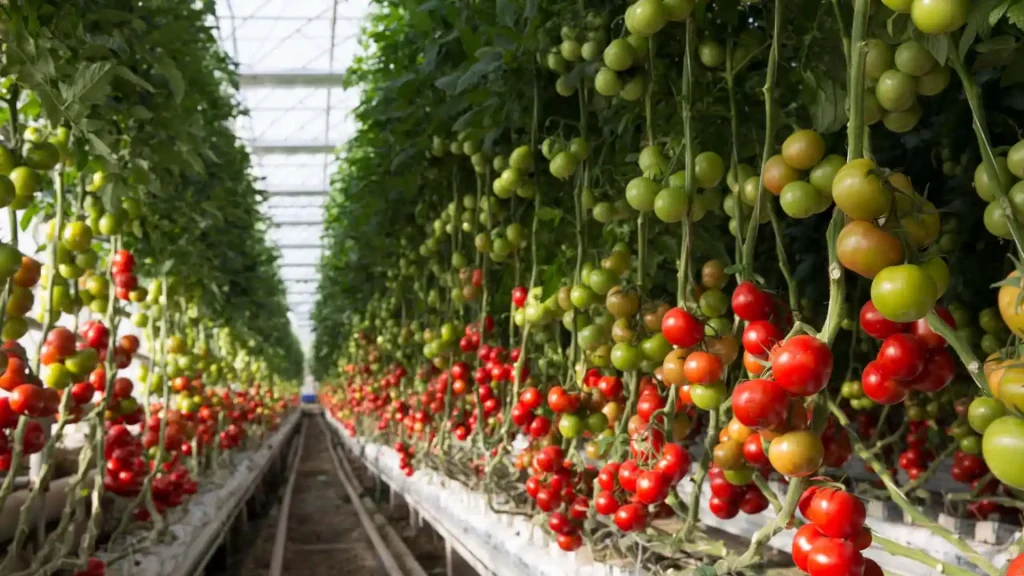
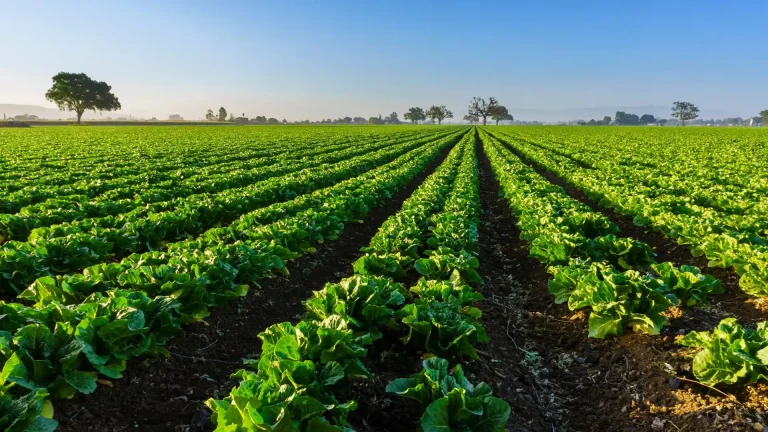
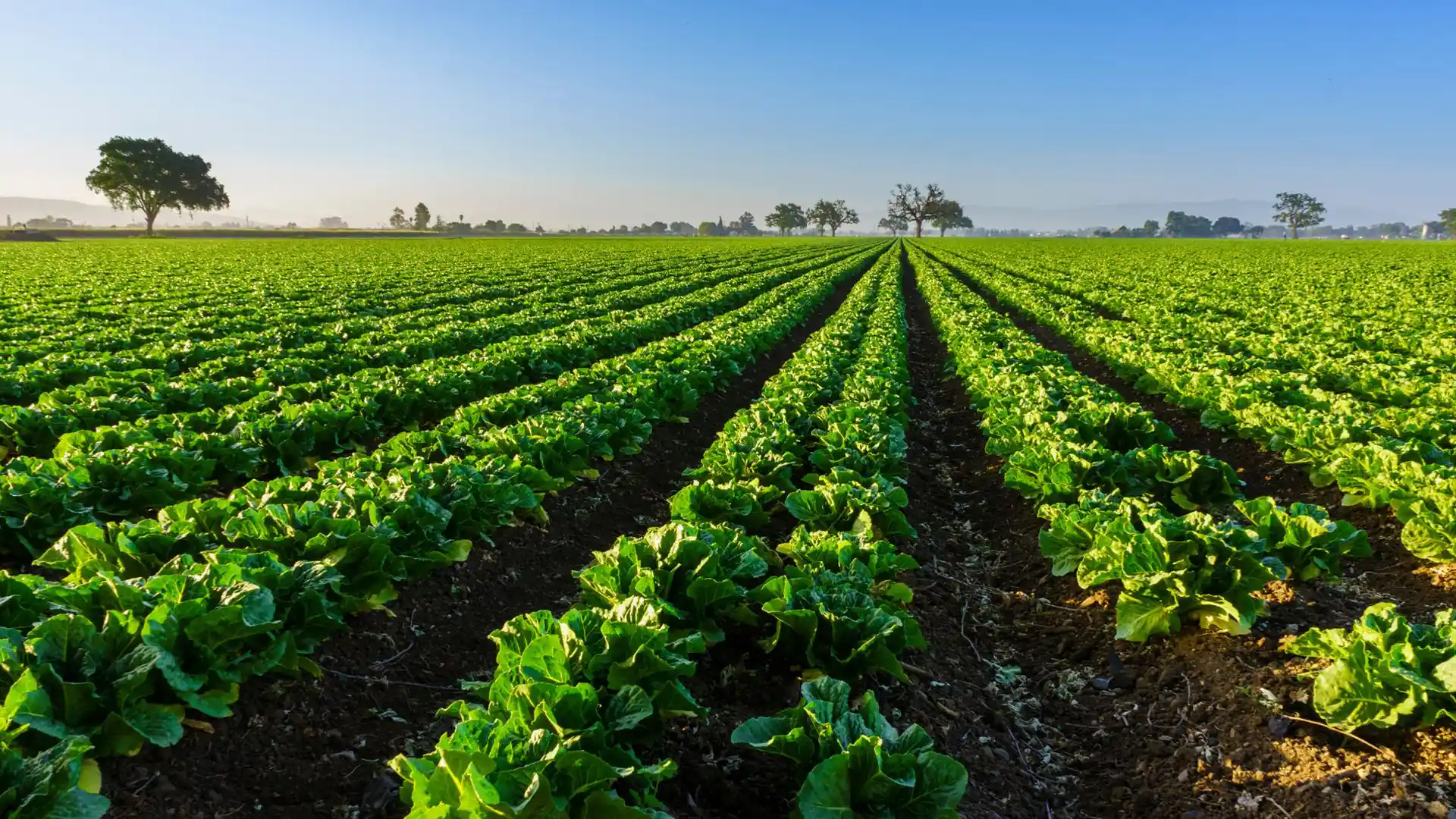
The garden itself is carefully planned but feels natural rather than rigid. Rows of leafy greens sit alongside seasonal vegetables. Herbs grow in abundance, filling the air with fresh scents. Fruit-bearing plants are interspersed among shaded corners, offering both nourishment and beauty.
For many visitors, the experience goes beyond simply picking vegetables. It reconnects them with the source of their food — something often lost in city life. Children who accompany adults learn how vegetables grow. Domestic helpers, many of whom come from agricultural backgrounds, find familiarity and comfort in working soil and greenery.
“This place feels alive,” says one neighbour. “It reminds us of villages, of slower life, of sharing.”
Feeding More Than Hunger
While the tangible impact of Al Hashemi’s garden is measured in kilos of produce shared, its deeper effect is emotional and social. In a fast-paced city like Dubai, where neighbours may not always know one another well, the garden has become a quiet meeting point.
Conversations happen between people who might never otherwise interact. A shared harvest becomes a shared story. Gratitude flows naturally, not as obligation but as connection.
Domestic helpers, in particular, have expressed appreciation for access to fresh food. Many live on tight budgets and rely on whatever is provided to them. Being able to pick vegetables freely gives them autonomy, dignity, and a small sense of home.
“They deserve this as much as anyone,” Al Hashemi says. “Everyone deserves good food.”
A Philosophy Rooted in Giving
Al Hashemi does not see his actions as extraordinary. To him, they are a continuation of values passed down through generations — hospitality, generosity, and responsibility toward the community.
“In our culture, sharing food is not optional,” he explains. “It’s part of who we are.”
This philosophy shapes how he maintains the garden. He reinvests time, effort, and resources into keeping it productive. He experiments with new crops, adapts to seasons, and ensures that there is always something growing.
The work is not without challenges. Dubai’s climate requires careful water management and planning. Yet Al Hashemi remains committed, viewing these challenges as part of the responsibility he has chosen.
“If the garden feeds people, then it’s worth every effort,” he says.
Inspiring Quiet Change
While Al Hashemi has not set out to inspire others, his garden has sparked conversations beyond his immediate neighbourhood. Visitors often ask how they can start something similar, even on a smaller scale.
He encourages them to begin wherever they can — balconies, small plots, shared spaces — and to think beyond personal consumption.
“You don’t need a big farm to share,” he says. “Even one plant can be given to someone else.”
Some neighbours have begun growing their own vegetables after spending time in his garden. Others contribute by helping with maintenance or offering seedlings. Slowly, a ripple effect has formed.
A Space Built on Trust
One of the most striking aspects of Al Hashemi’s garden is the absence of control. There are no cameras monitoring produce, no limits imposed on visitors. The system works because it relies on mutual respect.
People take only what they need. They look after the plants. They return with gratitude rather than entitlement.
“This garden works because people respect it,” Al Hashemi explains. “When you give freely, people usually respond with care.”
Looking Ahead
Al Hashemi has no plans to commercialise his garden or formalise it into an organisation. He prefers to keep it simple, personal, and rooted in community trust.
His vision remains unchanged: a garden that feeds the neighbourhood, strengthens bonds, and reminds people of the power of shared resources.
“I want this to always feel like a home garden,” he says. “Just one that happens to feed many.”
More Than a Garden
In a city defined by skyscrapers, speed, and innovation, Mohammed Al Hashemi’s garden offers something quieter but equally powerful — a reminder that community can still grow from the ground up.
It is a space where generosity is planted daily, where food is shared without judgment, and where the simple act of opening a gate has transformed a private home farm into a shared lifeline.
For those who walk away with fresh vegetables in hand, the gift is tangible. But for the neighbourhood as a whole, the garden represents something deeper: proof that kindness, when cultivated patiently, can nourish far more than hunger.

A Heritage Rooted in the Soil: How Farming Became a Lifelong Calling
For Mohammed Al Hashemi, farming is far more than a hobby or a means of producing food. It is a deeply personal journey shaped by memory, heritage, and a lifelong bond with the land. His connection to agriculture can be traced back to childhood, influenced profoundly by his father — a man who loved farming and whose presence, though cut short, left a lasting imprint.
Al Hashemi was just eight years old when his father passed away. At the time, he did not fully understand why he felt drawn to plants, soil, and greenery. The attraction seemed instinctive, almost unexplainable. It was only later in life, through hands-on experience and quiet reflection, that he began to recognise the roots of this passion.
“I didn’t realise it at first,” he said. “But over time, I understood that my connection wasn’t just with the plants themselves. It was with the earth, the water, and the entire process of growth.”
Turning Empty Space into Living Land
When Al Hashemi moved into his Dubai home in the year 2000, the property offered something many urban homes do not — an open, unused space within the compound. Where others might have seen bare ground, he saw possibility.
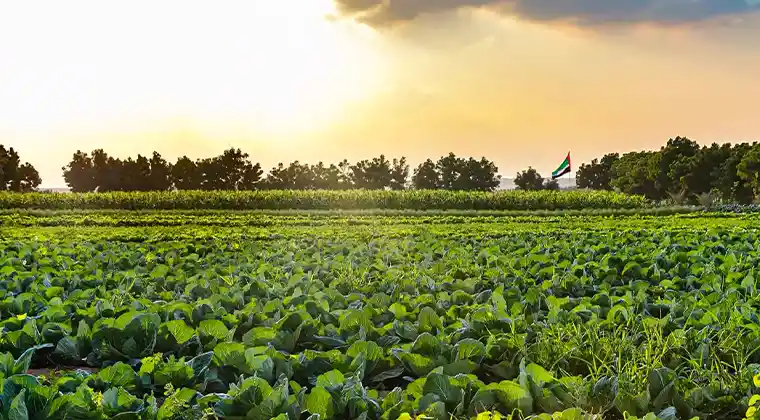
At first, the changes were simple. He planted grass to bring life into the area. Soon after, curiosity took over. He began experimenting with edible plants, starting with arugula, watercress, turnips, beetroot, and lettuce.
“Watching them grow was both strange and magical,” he recalled. “I had never experienced anything like it before. Every day brought something new. I found myself enjoying it more than I expected.”
That enjoyment quickly turned into dedication. What began as casual planting soon evolved into intentional cultivation, with Al Hashemi spending increasing amounts of time learning, experimenting, and refining his approach.
Building a Greenhouse by Hand
As Dubai’s summer temperatures soared, Al Hashemi faced a challenge familiar to many gardeners in the region: extreme heat. Rather than scaling back his efforts, he chose to innovate.
In the summer of 2000, he took a decisive step that would transform his farming journey. With advice from a local farmer, he constructed a plastic greenhouse entirely by himself. Using iron frames, plastic sheets, and a basic fan system, he created a controlled environment that allowed plants to thrive even during the harshest months.
“This structure changed everything,” he said. “For the first time, I could manage the temperature and humidity instead of fighting against them.”
Inside the greenhouse, Al Hashemi maintained temperatures between 20 and 23 degrees Celsius — an optimal range that encouraged faster and healthier plant growth. The controlled environment not only extended the growing season but also improved crop quality and yield.
Engineering the Ideal Growing Conditions
Over time, Al Hashemi continued refining the farm’s infrastructure. He imported high-quality red soil and installed an underground water tank designed to cool irrigation water before it reached the plants. A fan system ensured consistent airflow, preventing heat buildup and reducing the risk of plant stress.
Every element served a purpose. Nothing was left to chance.
“I wanted to create the best possible conditions for the plants,” he explained. “If you give them the right environment, they will reward you.”
This meticulous attention to detail allowed the garden to flourish year-round, defying many of the limitations typically associated with desert agriculture.
Learning Through Experimentation
As the garden expanded, so did Al Hashemi’s willingness to experiment. He introduced a wide variety of vegetables, observing how different plants responded to the soil, water, and climate.
One of the most important lessons he learned involved how plants are started.
Unlike many home gardeners who purchase ready-made seedlings from markets, Al Hashemi strongly believes in growing plants directly from seeds. Through experience, he found that many commercially sold seedlings struggle to adapt once transplanted into new environments.
“Seedlings from markets are often raised in conditions that don’t match home gardens,” he explained. “Once you move them, they weaken quickly.”
Instead, he encourages people to start from seeds, allowing them to nurture plants from the earliest stages of life.
“When you grow from seeds, you understand the plant better,” he said. “You support it from the beginning, and that makes a big difference.”
Preparing the Soil with Care
Soil preparation, according to Al Hashemi, is the foundation of successful farming. He has developed his own method through years of trial and observation.
To improve water retention and fertility, he blends red soil with natural clay. This mixture ensures that moisture remains available to plant roots, especially during warmer periods.
For fertilisation, Al Hashemi avoids chemical products entirely. Instead, he relies on organic matter — specifically cow and chicken manure that has been treated through heat to make it safe and effective. On occasion, he supplements the soil with organic fertilisers derived from fish.
“Chemical fertilisers may give quick results, but they harm the soil in the long run,” he said. “I want the land to stay healthy for years, not just one season.”
This organic approach has paid off. Today, every plant in Al Hashemi’s garden originates from seedlings he has cultivated himself on-site, ensuring consistency, resilience, and quality.
A Garden That Feeds More Than One Home
What began as a personal passion has gradually transformed into something much larger. Over the years, Al Hashemi’s garden evolved into a shared resource — a kind of open pantry for the neighbourhood.
Neighbours regularly stop by to harvest what they need for daily cooking. Domestic helpers are welcomed without hesitation, free to pick herbs and vegetables for meals.
Parsley, coriander, basil, peppers, and other greens are among the most commonly harvested items.
“People come and cut what they need,” Al Hashemi said simply. “That’s how it should be.”
There are no signs, no restrictions, and no supervision. The system is built on trust and respect — values Al Hashemi believes are essential to any true community.
Sharing Knowledge Beyond the Garden
Al Hashemi’s generosity extends beyond sharing produce. Recognising that knowledge is just as valuable as food, he has made education a central part of his mission.
He regularly conducts workshops at his home garden, teaching participants practical skills such as soil aeration, seed planting, transplanting, pruning, and plant maintenance. These sessions are open to anyone interested, regardless of experience level.
“I want people to feel confident growing their own food,” he said. “It’s not complicated if you understand the basics.”
To reach a wider audience, Al Hashemi also uses social media, where he posts instructional videos covering topics like seed selection, soil preparation, watering techniques, and pest management. His content is straightforward, practical, and rooted in real experience rather than theory.
Inspiring the Next Generation
One of the most rewarding aspects of Al Hashemi’s work has been the involvement of young people. Students from local schools and kindergartens frequently visit the garden, participating in hands-on activities that introduce them to farming at an early age.
Children learn how seeds become plants, how soil must be cared for, and why patience matters in agriculture. Many experience their first harvest under Al Hashemi’s guidance.
“These visits are important,” he said. “When children touch the soil and see food grow, it changes how they think about nature.”
Volunteers of all ages have also joined in, eager to learn and contribute. Some help with planting and maintenance, while others assist during workshops or community events.
A Philosophy Rooted in Respect
At the heart of Al Hashemi’s farming philosophy is respect — for the land, for food, and for people. He believes that farming teaches humility and responsibility, reminding humans of their dependence on natural systems.
“When you farm, you understand that nothing comes instantly,” he said. “Everything takes time, effort, and care.”
This mindset has shaped not only his garden but his approach to life. By opening his space, sharing his harvest, and teaching others, Al Hashemi has created something rare in an urban setting: a living example of generosity grounded in tradition.
Looking Ahead
Despite the garden’s growth and impact, Al Hashemi has no desire to commercialise his efforts. His focus remains on sustainability, education, and community.
“This is not a business,” he said. “It’s a way of life.”
He hopes that his work encourages others to reconnect with the land in whatever way they can — whether through a small balcony plant, a backyard vegetable patch, or a shared community space.
“You don’t need a large farm to make a difference,” he said. “You just need intention.”
A Legacy That Continues to Grow
For Al Hashemi, farming is both a tribute to his father’s memory and a gift to future generations. Each seed planted carries a story — of heritage, patience, and giving.
What stands today is more than a productive garden. It is a living legacy, cultivated with care and shared freely, proving that even in the heart of a modern city, the roots of tradition can still thrive.
Al Hashemi also spoke candidly about the obstacles many home growers encounter, from insect infestations and harsh climate conditions to unreliable planting materials. He pointed out that beginners are often discouraged when seeds fail to sprout, not realising that poor-quality or outdated seeds are frequently to blame.
“Previously, a lot of seeds available in local markets were past their viable stage,” he explained. “That has improved in recent years, with higher-quality options now coming from Europe and other regions. Choosing good seeds and planting them properly makes all the difference.”
Despite the challenges, Al Hashemi remains focused on the future. He envisions expanding his initiative so that his farm becomes a shared green space that benefits the wider community. Through hands-on learning, sustainable growing practices, and open access to fresh produce, he hopes to inspire others to participate.
“I want this garden to belong to everyone around me,” he said. “When people grow food together and share what they have, it creates a healthier, greener community for all.”
If you’d like, I can also make this shorter, more inspirational, or more formal for a news feature.