Dubai’s Roads and Transport Authority has signed an agreement to start expanding the Burj Khalifa–Dubai Mall Metro station, aiming to boost capacity, improve commuter flow, and support rising passenger demand.
Burj Khalifa–Dubai Mall Metro station expansion: RTA inks deal to launch the project
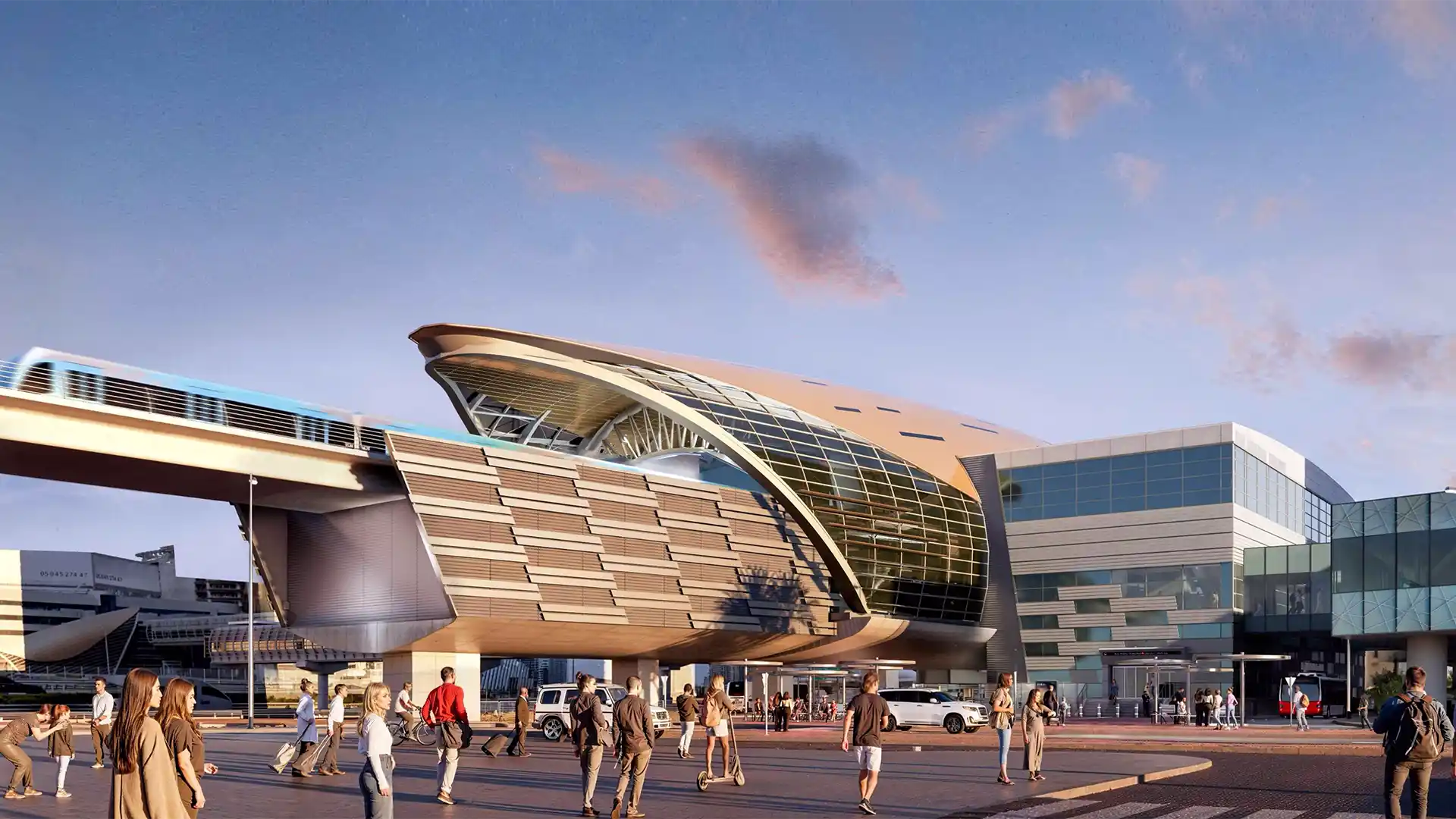
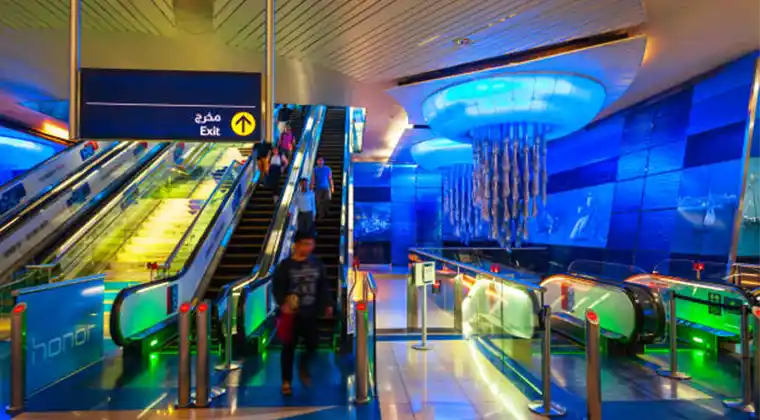
One of the most heavily used stops on the Dubai Metro network is poised for a significant upgrade, as plans move forward to substantially expand the Burj Khalifa/Dubai Mall Metro Station and boost its passenger capacity by 65 per cent.
Once completed, the enhancement will increase the station’s hourly throughput from 7,250 commuters to around 12,320, while its daily capacity will rise to as many as 220,000 passengers. The expansion is expected to significantly reduce congestion, particularly during high-traffic periods such as New Year’s Eve celebrations and public holidays.
Dubai’s Roads and Transport Authority (RTA) has formalised the project by signing an agreement with Emaar Properties, citing consistent growth in ridership and the need to accommodate rising passenger numbers as the primary drivers behind the station’s expansion.
Meeting rising urban mobility demands
The expansion reflects Dubai’s broader strategy to future-proof its public transport infrastructure amid rapid population growth and rising visitor numbers. With the Burj Khalifa and Dubai Mall attracting millions of tourists annually, the surrounding metro station often experiences intense congestion. RTA officials say the upgrade is designed to improve passenger flow, reduce waiting times, and enhance overall commuter comfort. By increasing platform capacity, entry and exit points, and circulation areas, the project aims to create a smoother travel experience for both residents and visitors, particularly during large-scale events that place extraordinary demand on the metro network.
Design and infrastructure upgrades
The station expansion will include structural enhancements to accommodate higher passenger volumes safely and efficiently. Planned improvements are expected to cover wider platforms, additional escalators and elevators, and upgraded ticketing and access systems. These changes will help distribute crowds more evenly throughout the station, minimising bottlenecks during peak hours. The design will align with RTA’s safety and accessibility standards, ensuring seamless movement for people of determination, families, and elderly passengers. Authorities have emphasised that construction will be carefully phased to minimise disruption to daily metro operations.
Partnership with Emaar Properties
The collaboration between RTA and Emaar Properties highlights the importance of public-private partnerships in supporting Dubai’s infrastructure ambitions. As the master developer of Downtown Dubai, Emaar plays a critical role in managing footfall generated by nearby landmarks, including Burj Khalifa and Dubai Mall. Through this agreement, both parties aim to coordinate urban planning with transport development, ensuring that transit infrastructure keeps pace with commercial, residential, and tourism growth in the area. The partnership is expected to set a benchmark for future transport projects linked to major urban developments.
Boosting tourism and economic activity
Improving access to one of Dubai’s most visited districts is expected to have positive economic implications. A more efficient metro station will make it easier for tourists to reach key attractions without relying on private vehicles or taxis, helping to reduce road congestion. Retailers, hospitality businesses, and entertainment venues in Downtown Dubai are likely to benefit from smoother passenger movement and increased accessibility. Transport analysts note that well-connected public transit hubs play a crucial role in sustaining tourism-driven economies, particularly in global cities that host large-scale events year-round.
Long-term vision for public transport
The Burj Khalifa/Dubai Mall station expansion is part of RTA’s long-term vision to strengthen Dubai Metro as the backbone of urban mobility. The authority continues to invest in capacity upgrades, smart technologies, and network extensions to encourage greater use of public transport. Officials say the project supports Dubai’s sustainability goals by promoting mass transit and reducing reliance on private cars. As the city prepares for future population growth and international events, such investments are seen as essential to maintaining efficient, safe, and environmentally responsible transport systems.