Experts from the EU and US report that 2025 ranked as the world’s third warmest year on record, highlighting continued global temperature rise and growing climate change concerns.
Experts Say 2025 Was the World’s Third Warmest Year on Record
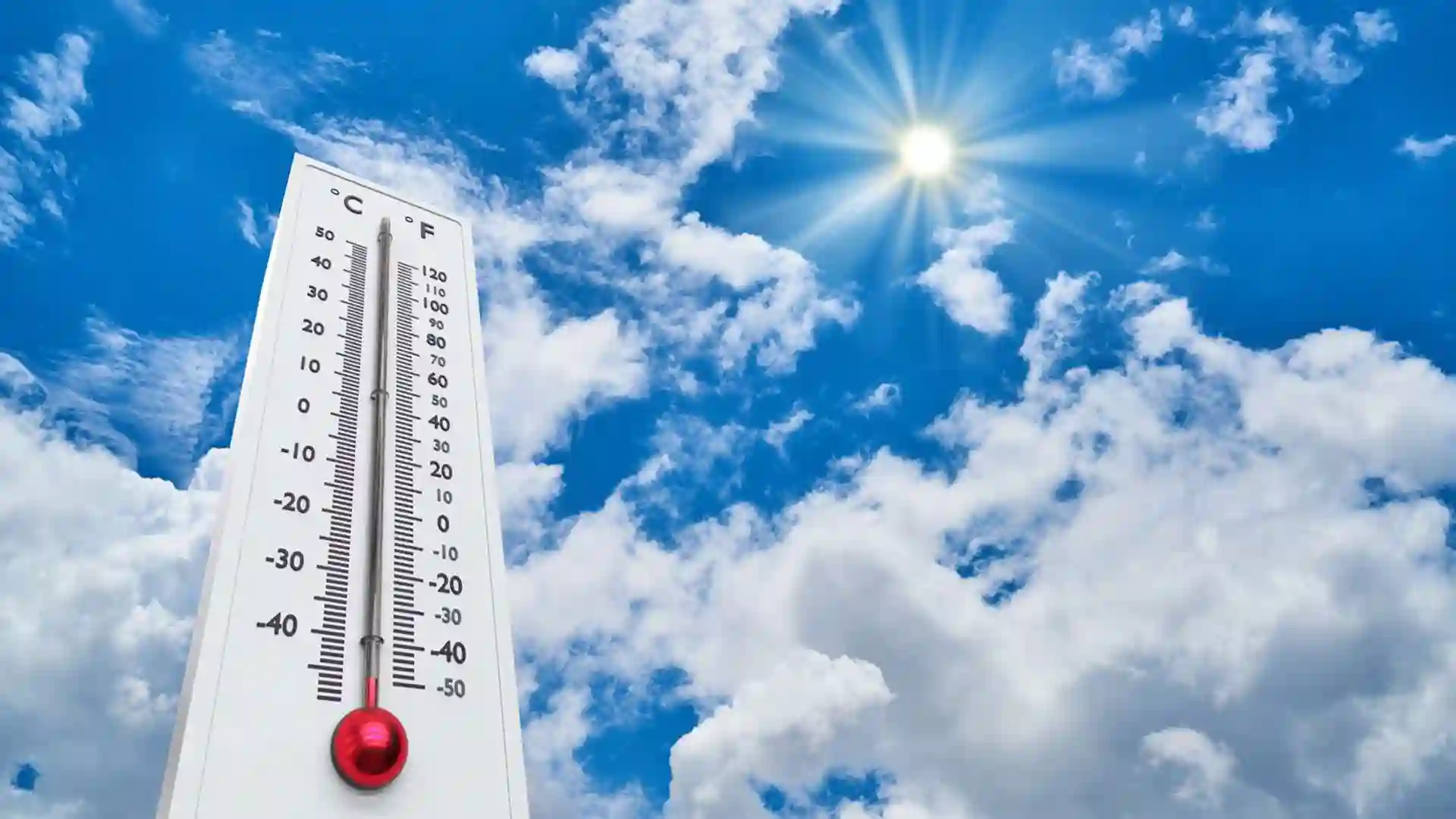
Global temperatures continued their relentless rise in 2025, making it the third warmest year ever recorded, according to climate scientists from the United States and the European Union. The findings extend a historic streak of extreme heat and suggest little chance of respite in the near future, with experts warning that 2026 could also rank among the hottest years on record.
Data released Wednesday by the EU’s Copernicus Climate Change Service and Berkeley Earth, a U.S.-based climate research organization, show that the past 11 years are now the warmest since modern records began. Among them, 2024 remains the hottest year ever observed, followed by 2023, with 2025 close behind.
One of the most concerning developments highlighted in the reports is that global average temperatures over the past three years have surpassed 1.5 degrees Celsius above pre-industrial levels. This marks the first time such a threshold has been crossed over a multi-year period, underscoring the speed at which the planet is warming
Berkeley Earth described the temperature surge between 2023 and 2025 as unusually intense, noting that the scale of warming points to a possible acceleration in climate change rather than normal year-to-year variability. Scientists say this pattern raises alarms about how quickly Earth is moving toward dangerous climate tipping points.
The 2015 Paris Agreement set a goal of limiting global warming to well below 2 degrees Celsius, with an aspirational target of 1.5 degrees, a level scientists say could significantly reduce the most destructive impacts of climate change. However, recent trends suggest that maintaining this limit is becoming increasingly unlikely.
In October, United Nations Secretary-General António Guterres cautioned that temporarily exceeding the 1.5-degree threshold now appears unavoidable. Still, he emphasized that swift and deep reductions in greenhouse gas emissions could shorten the duration of this overshoot and lessen long-term damage.
Copernicus echoed these concerns, warning that the 1.5-degree benchmark could be breached permanently by the end of the decade—more than ten years earlier than previously anticipated. This projection reflects the combined influence of rising emissions and reinforcing climate feedbacks.

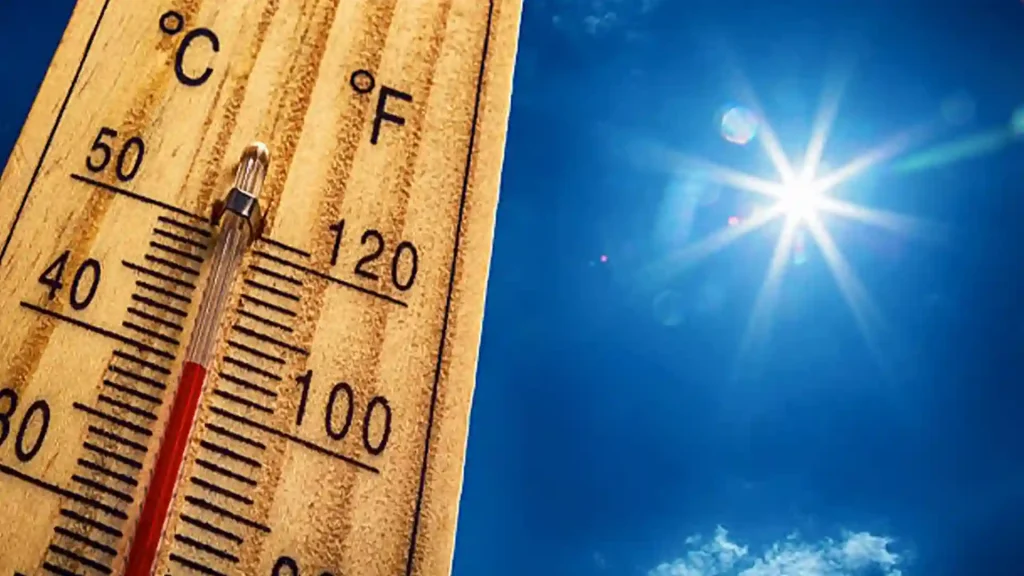
Political developments have further complicated global efforts to curb warming. Last week, U.S. President Donald Trump announced plans to withdraw the United States from the United Nations climate framework, a move that could undermine international cooperation. The United States is currently the world’s second-largest emitter of greenhouse gases, behind China.
In numerical terms, global temperatures in 2025 averaged about 1.47 degrees Celsius above pre-industrial levels. While slightly cooler than 2023, the year followed the record-breaking heat of 2024, when temperatures climbed to approximately 1.6 degrees above historical norms.
The consequences of this heat were felt worldwide. Around 770 million people experienced their hottest year on record where they live, according to Berkeley Earth. Notably, no region on Earth recorded a record-low annual temperature, highlighting the uneven but pervasive nature of warming.
Polar regions were also heavily affected. Antarctica experienced its warmest year ever documented, while the Arctic recorded its second warmest year, accelerating ice loss and raising concerns about sea-level rise and ecosystem disruption.
Regional analyses revealed that parts of Central Asia, the Sahel, and northern Europe endured unprecedented heat in 2025. These findings were supported by an independent analysis of Copernicus data, further illustrating how widespread extreme temperatures have become.
Looking ahead, scientists say there is little indication that the trend will reverse in 2026. Both Copernicus and Berkeley Earth anticipate another exceptionally warm year. If an El Niño weather pattern develops, it could push global temperatures even higher.
Carlo Buontempo, director of the Copernicus Climate Change Service, told AFP that new temperature records are inevitable as long as warming continues. “The exact year doesn’t matter,” he said. “Whether it’s 2026 or later, the trajectory is unmistakable.”
Berkeley Earth projects that 2026 will likely rank as the fourth warmest year since records began in 1850, placing it only marginally behind recent extremes.
Despite mounting evidence, efforts to cut emissions are losing momentum in several major economies. In the United States, greenhouse gas emissions rose last year, ending a two-year decline. Analysts attribute the increase to higher energy demand driven by severe winter weather and rapid expansion of energy-intensive technologies such as artificial intelligence.
Europe has also seen slower progress. Emission reductions in Germany and France have decelerated, raising questions about whether climate targets can still be met.
While greenhouse gases remain the primary driver of warming, scientists say other factors may be amplifying recent temperature increases. Berkeley Earth’s chief scientist, Robert Rohde, pointed to changes in air pollution rules as one possible contributor.
New international regulations introduced in 2020 sharply reduced sulphur content in ship fuel. While the move improved air quality and human health, it also reduced sulphur aerosols that previously reflected sunlight away from Earth, potentially allowing more heat to be absorbed.
Together, these findings paint a sobering picture of a planet heating faster than expected, at a time when global action to slow climate change appears increasingly uncertain.