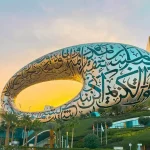
Dubai brings its history to life by showcasing a collection of historic doors and gateways, each revealing stories of craftsmanship, culture, and moments that played a key role in shaping the city’s rich heritage.
Doors of the Past: Dubai showcases historic gateways that shaped its story.
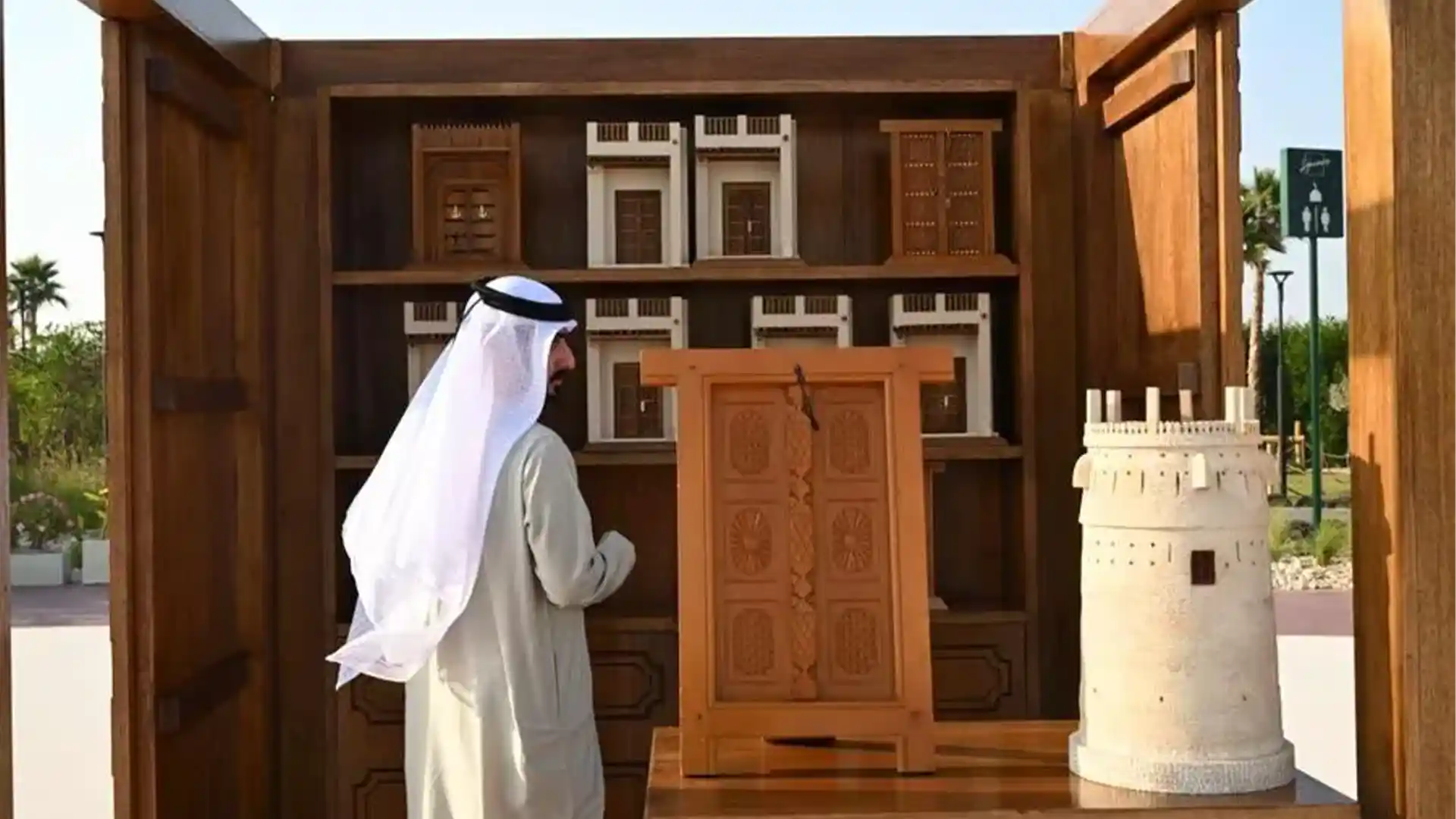
Dubai’s traditional doors are far more than functional architectural elements; they serve as enduring storytellers that reveal layers of the emirate’s social, cultural, and artistic history. Crafted with care and intention, these heritage doors offer a glimpse into how people once lived, welcomed guests, protected their homes, and expressed identity through design. Each panel, carving, and metal fitting reflects a time when architecture was deeply connected to daily life, belief systems, and environmental needs. Today, these doors stand as tangible reminders of Dubai’s journey from a modest trading settlement to a global metropolis, preserving the spirit of the past while continuing to inspire contemporary creativity.
This rich narrative unfolds at the Dubai Doors exhibition, currently on display at Nad Al Sheba Square until January 26. The exhibition brings together an exceptional collection of historic doors dating back to the 19th and 20th centuries, allowing visitors to step into a world where craftsmanship was both an art form and a practical necessity. Through these doors, the exhibition highlights how architecture once reflected values such as hospitality, privacy, faith, and resilience—principles that remain central to Emirati culture today.
Many of the doors showcased are made from teak wood, a material prized for its durability and resistance to harsh climatic conditions. Teak was often imported through ancient trade routes, underscoring Dubai’s long-standing role as a commercial hub connecting different regions. These doors, particularly the grand double-leafed examples, were designed not only to withstand time and weather but also to convey status and warmth. Their solid construction symbolised protection and stability, while their decorative elements served as visual expressions of craftsmanship and pride.
A defining feature of these heritage doors is their intricate ornamentation. Symmetrical panels are common, creating a sense of balance and harmony that reflects traditional design philosophies. Fan-shaped patterns, diamond motifs, and carefully arranged geometric carvings adorn many of the surfaces, each design chosen for both aesthetic appeal and symbolic meaning. The repetition of shapes and lines demonstrates the skill of artisans who relied on hand tools and generational knowledge rather than modern machinery.
Vertical wooden beams known as “anfs” are another distinctive element found in many of the doors. These structural components reinforce the door’s strength while adding visual rhythm to the design. Often secured with domed iron nails, the anfs highlight the clever fusion of form and function. The iron nails themselves, arranged in deliberate patterns, were not merely utilitarian fasteners but decorative accents that added texture and contrast to the wood.
Traditional hardware further enriches the story these doors tell. Brass handles, locks, and hinges were carefully crafted and installed, reflecting both security needs and artistic sensibilities. The weight and design of these metal elements suggest how important the doorway was as a threshold between the public and private realms. Locks were often complex, ensuring safety while also demonstrating the ingenuity of local metalworkers.
Geometric symbols appear frequently throughout the exhibition, with the five-pointed star being among the most notable. This motif was commonly used as a protective symbol, believed to guard households against misfortune. Such designs reveal how architecture was deeply intertwined with belief systems, with homes serving not just as shelters but as spiritual spaces imbued with meaning.
Some of the doors on display feature “roshan” openings—small ventilation windows that allowed air and light to circulate while preserving privacy. These architectural solutions reflect a deep understanding of the local climate and social norms. In an era before air conditioning, roshan openings played a crucial role in maintaining comfort within homes, demonstrating how traditional design balanced practicality with cultural values.
Other doors take on a more overtly spiritual dimension through the inclusion of Arabic calligraphy. Verses from the Holy Quran, along with prayers and blessings, are carved or inscribed into the wood, transforming the doorway into a sacred boundary. These inscriptions served as daily reminders of faith and protection, reinforcing the idea that the home was a place of both physical and spiritual refuge.
Floral patterns also appear prominently, particularly in the central stiles of many doors. These continuous chains of floral motifs flow vertically, adding elegance while also reinforcing the door’s structure. The use of floral designs reflects a connection to nature and an appreciation for beauty, even in functional objects. Their repetition creates a sense of movement and continuity, symbolising growth and renewal.
Together, these design elements illustrate how traditional Emirati doors were crafted with intention and care. Every detail, from the choice of wood to the placement of a carving, carried meaning. The doors were not mass-produced; each one bore the unique touch of the artisan who created it, shaped by local customs, available materials, and the specific needs of the household.
The Dubai Doors exhibition places these architectural treasures in a modern context, encouraging visitors to reflect on how heritage continues to influence contemporary design. By presenting these historic doors in a public setting, the exhibition bridges generations, allowing younger audiences to engage with tangible pieces of the past. Designers, architects, and creatives can draw inspiration from the craftsmanship on display, finding ways to reinterpret traditional motifs and principles in modern projects.
In a rapidly evolving city like Dubai, where innovation and progress are ever-present, preserving and celebrating heritage becomes especially important. The exhibition serves as a reminder that modern identity is built upon historical foundations. By honouring traditional craftsmanship, Dubai reinforces its commitment to cultural continuity while embracing the future.
Ultimately, these doors represent more than architectural artifacts; they are symbols of memory, identity, and continuity. They speak of families who once gathered behind them, of traders and travelers who passed through them, and of artisans who poured their skill into every carved detail. As visitors walk through the exhibition, they are invited to see Dubai not only as it is today but as it once was—a city shaped by culture, community, and craftsmanship, with each door offering a quiet yet powerful story from the past.
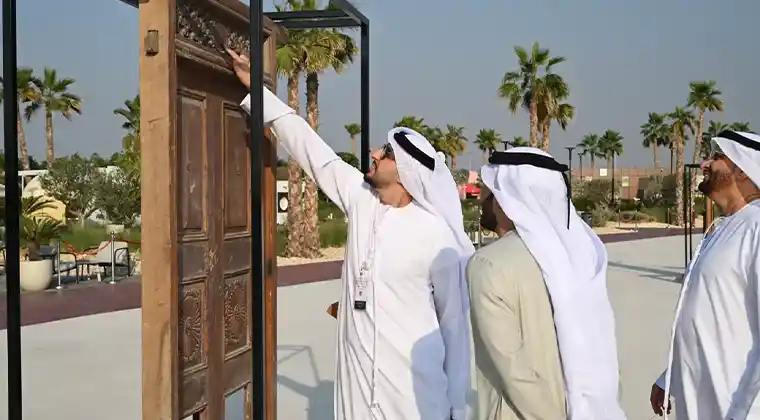
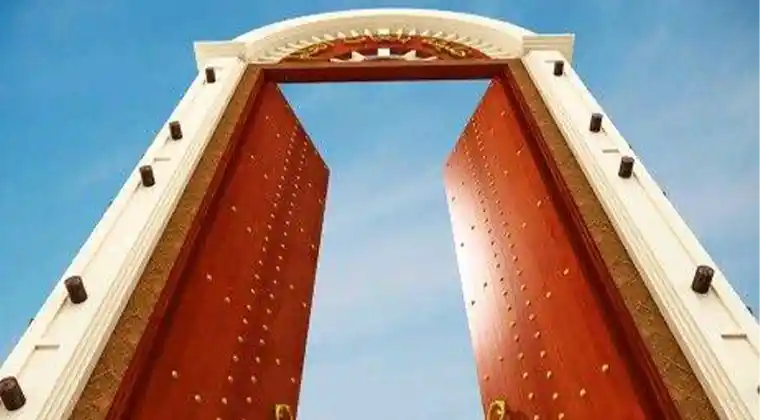
Asem Al Qassim, Director of the Architectural Heritage and Antiquities Department at Dubai Municipality, described Dubai’s historic doors as powerful records of the city’s past, explaining that they capture the spirit of old neighbourhoods, the craftsmanship of local builders, and the social, architectural, and protective roles of traditional homes. Speaking to insider 18, he stressed that these doors are not simply ornamental features, but enduring symbols that embody the memory, character, and identity of Dubai itself.
Al Qassim also highlighted the importance of involving the wider community, particularly young people, in heritage preservation. He noted that Dubai Municipality is hosting interactive workshops and a Ramadan market at Deira Souq to help younger generations appreciate the significance of urban heritage and strengthen their connection to local culture. According to him, it is essential for youth to recognise these doors not merely as historic objects, but as meaningful representations of tradition, identity, and collective history.
Protecting the city’s urban identity
Preservation of Dubai’s architectural identity remains a key strategic focus for the municipality. This long-term effort began with the identification of more than six historic districts, followed by detailed surveys to classify buildings according to their age and significance. Authorities have since worked on documenting, restoring, and formally defining authentic architectural features to ensure they are protected and accurately represented in future developments.
Al Qassim explained that the objective extends beyond saving individual historic structures. Instead, the municipality aims to establish a cohesive urban framework that reflects Dubai’s distinctive character while supporting sustainability for generations to come. He pointed out that architectural styles in the emirate naturally differ between coastal, desert, and mountainous areas, and formally recording these variations helps prevent designs that clash with the local environment. All conservation efforts follow international best practices consistent with UNESCO standards, considering not only the physical age and materials of a building but also its cultural, social, and historical importance.
Balancing heritage with rapid development
The pace of urban expansion presents ongoing challenges. As Dubai continues to attract designers and architects from around the world, the risk of diluting its unique character grows. Al Qassim cautioned that without a strong connection to heritage, the city could lose the essence that makes it distinctive. He emphasized that the emirate’s leadership remains committed to blending tradition with innovation, citing areas such as Jumeirah and the Burj Khalifa district as examples where modern development is carefully aligned with historical context.
When tradition shapes contemporary design
Heritage preservation in Dubai goes beyond archiving and restoration; it also informs forward-thinking urban solutions. Research initiatives are exploring how traditional materials—such as wood commonly found in historic doors—can be combined with modern elements like aluminum and PVC while maintaining cultural authenticity. Collaborative partnerships with universities further support this vision, engaging students in developing design approaches that respect heritage while accommodating the demands of a rapidly evolving city.
Al Qassim explained that showcasing traditional crafts, including decorative plasterwork like Talli, helps younger generations appreciate the refined taste and cultural depth of earlier communities. He noted that elegance was present even in modest ways of life, and that these timeless design values can serve as inspiration for today’s architectural practices.
Traditional architectural elements are also being closely examined for their relevance in modern planning. Features such as wind towers, known as barjeel, which provided natural cooling, internal courtyards that enhanced air circulation, and narrow winding lanes, or sikkak, designed to ensure privacy, are influencing contemporary approaches to sustainable urban design.
A vision toward 2040
The protection of urban heritage plays a central role in the Dubai 2040 Urban Master Plan. Historic districts like Deira and Bur Dubai are seen as living records of the city’s past rather than simply geographic areas. Al Qassim stressed that neglecting these neighbourhoods would mean losing an essential part of Dubai’s historical identity and collective memory.