Dubai Civil Defence plans to deploy smart uniforms fitted with medical chips, enabling faster access to vital health information and improving emergency response, safety, and life-saving efforts for personnel.
Dubai Civil Defence to introduce intelligent uniforms embedded with medical chips designed to save lives
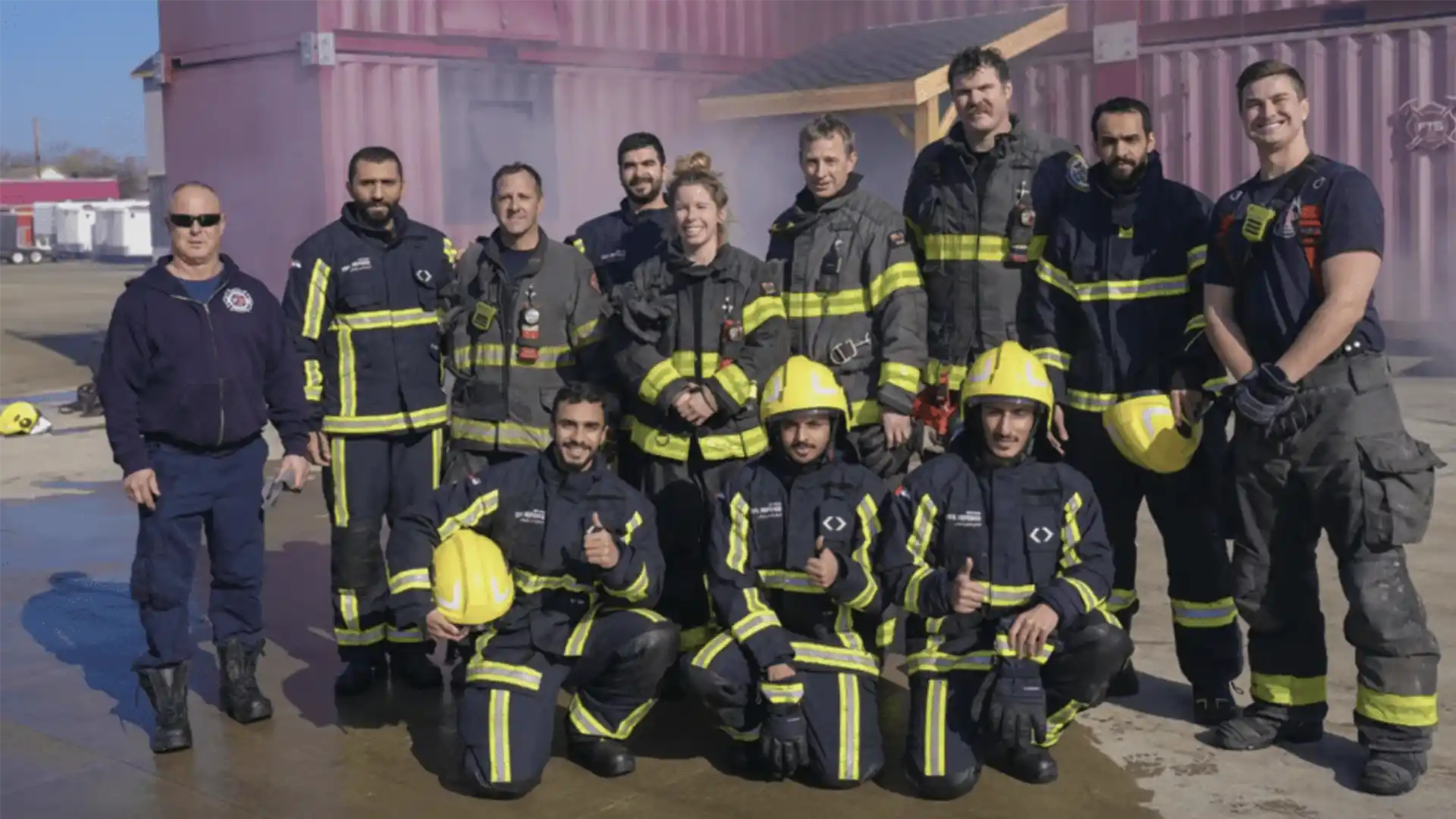
Dubai Civil Defence plans to integrate advanced smart-chip technology into firefighters’ uniforms to support faster medical care during emergencies, according to its leadership.
Lieutenant General Rashid Al Matrooshi, Commander-in-Chief of Dubai Civil Defence (DCD), said the embedded, scannable chips would enable medical teams to instantly access a firefighter’s essential health information using a mobile device. This instant access could significantly reduce response times when treating injuries sustained in high-risk rescue operations.
Firefighting incidents can result in severe injuries, and responders are not always conscious or able to communicate when they arrive at ambulances or hospitals. In such cases, the smart-chip system would allow paramedics and doctors to review pre-existing medical conditions and deliver appropriate treatment without delay.
Speaking on the sidelines of Intersec, the international security, safety and fire protection exhibition held at Dubai World Trade Centre, Al Matrooshi noted that once rolled out, Dubai Civil Defence would become the first government entity to adopt this type of wearable medical technology for emergency personnel.
“The firefighter is often the most exposed individual during an incident because they operate on the front lines,” he said. “We observed that treatment can sometimes be delayed after transfer to an ambulance because medical teams lack access to the firefighter’s health background.”
Al Matrooshi added that work on the initiative began more than a month ago and that the system itself is fully prepared. The remaining step involves integrating the chips into newly designed uniforms to ensure durability and functionality in demanding conditions.
Beyond local implementation, Dubai Civil Defence intends to make the technology available internationally. Al Matrooshi said the programme would be shared globally at no cost, emphasising that the organisation’s priority is safeguarding lives and property rather than generating profit.
Beyond improving emergency medical response, the smart-uniform initiative reflects Dubai Civil Defence’s broader push toward innovation and digital transformation within public safety services. By adopting wearable technology, the department aims to enhance operational readiness while prioritising the wellbeing of firefighters who routinely face extreme danger. Officials believe that integrating health data into uniforms can also support long-term workforce planning, allowing the organisation to better understand injury patterns, physical strain, and occupational risks associated with firefighting. Over time, this data could inform training methods, safety protocols, and equipment design, ultimately reducing injuries and improving resilience among frontline responders across the emirate.
The chip technology is expected to store only essential, secure medical information, ensuring both privacy and practicality. According to officials familiar with the project, the system will be designed so that sensitive data can be accessed exclusively by authorised medical personnel during emergencies. This balance between accessibility and confidentiality is critical, especially in high-pressure rescue situations where seconds matter. Dubai Civil Defence is reportedly working closely with technology partners and healthcare authorities to ensure the system complies with international data protection standards while remaining simple enough to use in chaotic, real-world scenarios.
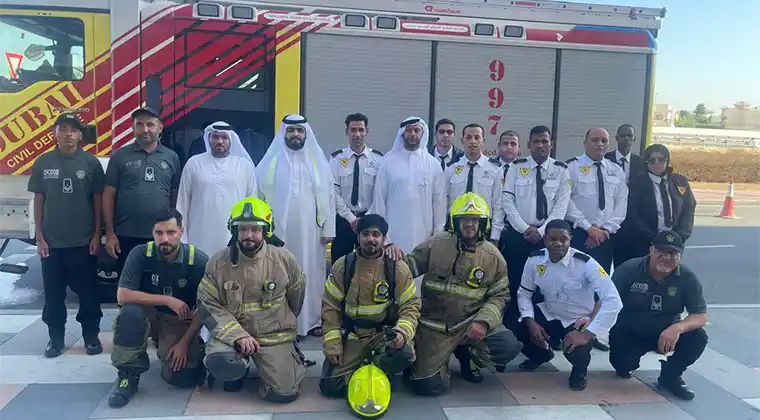
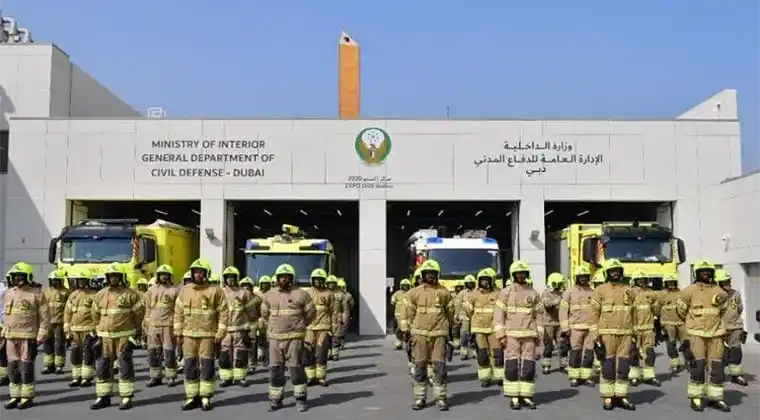
Firefighters themselves have welcomed the concept, viewing it as an added layer of protection during already dangerous missions. Many operate in environments involving intense heat, collapsing structures, toxic smoke, and unpredictable conditions, where injuries can escalate rapidly. Knowing that their medical history can be accessed instantly if they are incapacitated provides reassurance not only to the firefighters but also to their families. Senior officials say this psychological confidence can positively impact performance, as responders are better able to focus on their tasks without worrying about delays in medical care.
The initiative also aligns with Dubai’s wider smart-city vision, where technology is increasingly embedded into public services to improve efficiency and safety. From smart policing to intelligent traffic systems, authorities have consistently invested in digital solutions that enhance response times and decision-making. The smart-uniform programme extends this philosophy to emergency response, reinforcing Dubai’s position as a regional leader in adopting advanced safety technologies. Observers note that such innovations often set benchmarks later adopted by other cities and emergency services worldwide.
Looking ahead, Dubai Civil Defence is exploring the possibility of expanding the technology’s capabilities. Future versions of the chip could potentially integrate real-time biometric data, such as heart rate or exposure levels, allowing command centres to monitor firefighters’ health during active operations. While still at a conceptual stage, such enhancements could further transform emergency response by enabling early intervention before injuries become critical. For now, officials stress that the primary objective remains clear: protecting those who risk their lives daily to keep the community safe.