With unemployment rising, Nepal’s youth are increasingly relying on short-term election work as a source of income and engagement.
Unemployed Young People in Nepal Turn to Election-Related Work
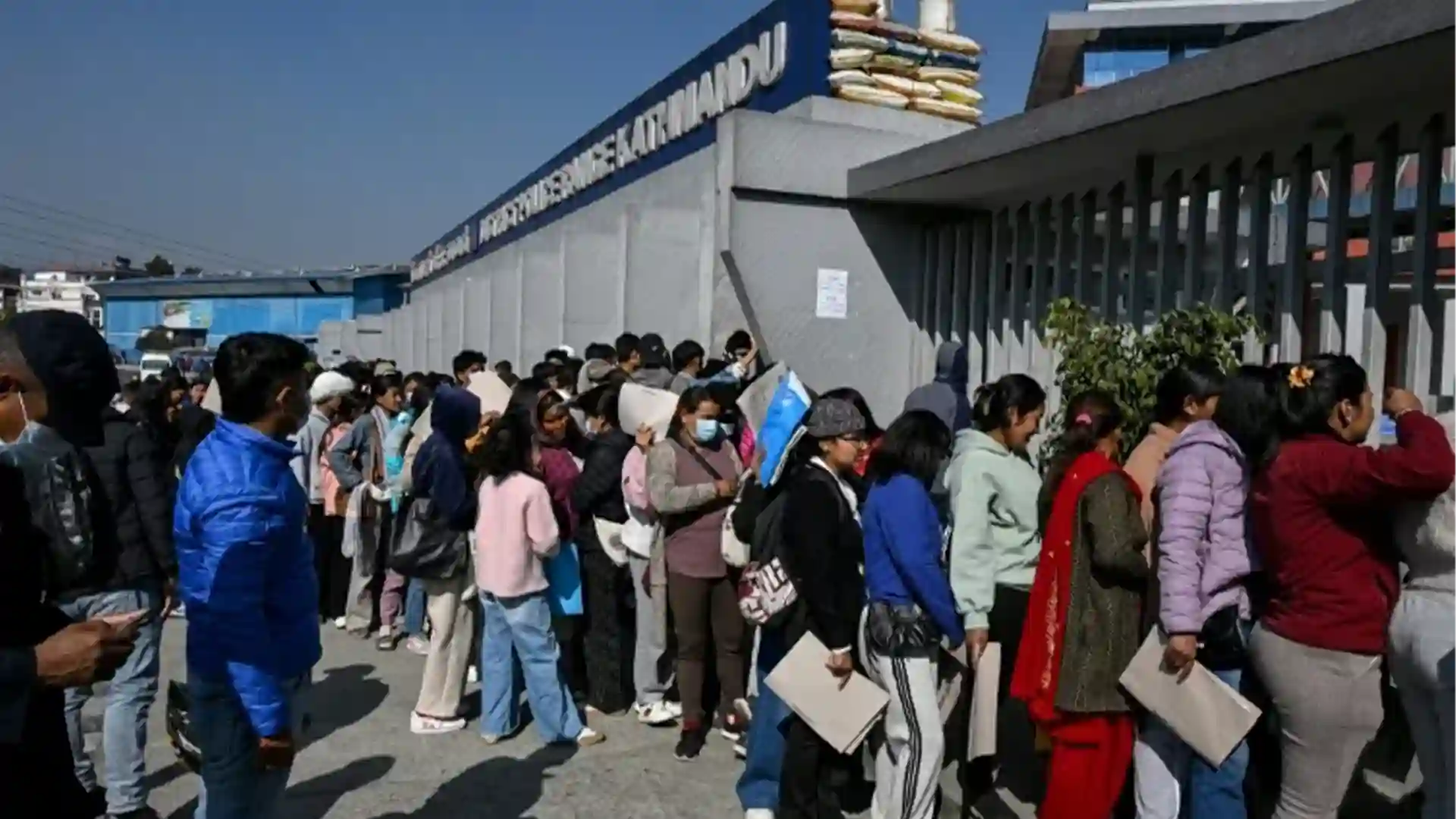
Tens of thousands of young people across Nepal are lining up for short-term election-related work, highlighting the country’s deepening employment crisis ahead of its first nationwide polls since a youth-driven uprising exposed widespread economic discontent.
Applications have surged for temporary police positions assigned to support the upcoming elections, drawing overwhelming interest from jobless and underemployed youth. According to Nepal Police, more than 27,000 people submitted applications within the first two days alone, underscoring the intense competition for even brief sources of income.
The elections, scheduled for March, come in the aftermath of dramatic protests last September that led to the downfall of the government. Those demonstrations, largely led by young people, initially erupted after authorities imposed a short-lived ban on social media platforms. However, what began as anger over digital restrictions quickly evolved into mass protests driven by frustration over corruption, rising living costs, and a lack of economic opportunities.
The unrest turned violent after security forces cracked down on demonstrators, resulting in the deaths of young protesters. Riots subsequently spread to several parts of the country, with parliament set on fire amid escalating chaos. The turmoil ultimately forced the government to resign, leaving at least 77 people dead and the economy severely shaken.
Government estimates suggest the unrest caused financial losses of approximately $586 million, while nearly 15,000 people lost their jobs in the aftermath. For many young Nepalis, already struggling to find steady work, the situation further narrowed limited employment options.
Against this backdrop, the temporary election policing roles have become a rare chance for income. Nepal plans to recruit nearly 149,090 temporary police personnel to assist with election logistics, including crowd management at polling stations, transporting ballot boxes, and other administrative tasks. Each recruit will receive about $280 for 40 days of service — a substantial amount in a country where per capita gross national income stood at $1,404 in 2025, according to a United Nations monitoring report.
For applicants like 20-year-old Sarika Karki, the opportunity offers a small but meaningful financial lifeline. Speaking in Kathmandu, she said she hoped the job would allow her to earn some extra money while contributing to the democratic process.
I belong to Generation Z, but I don’t have a job,” she said. “If everything goes well, I hope I can help in my own way by serving as a temporary police officer during the elections.”
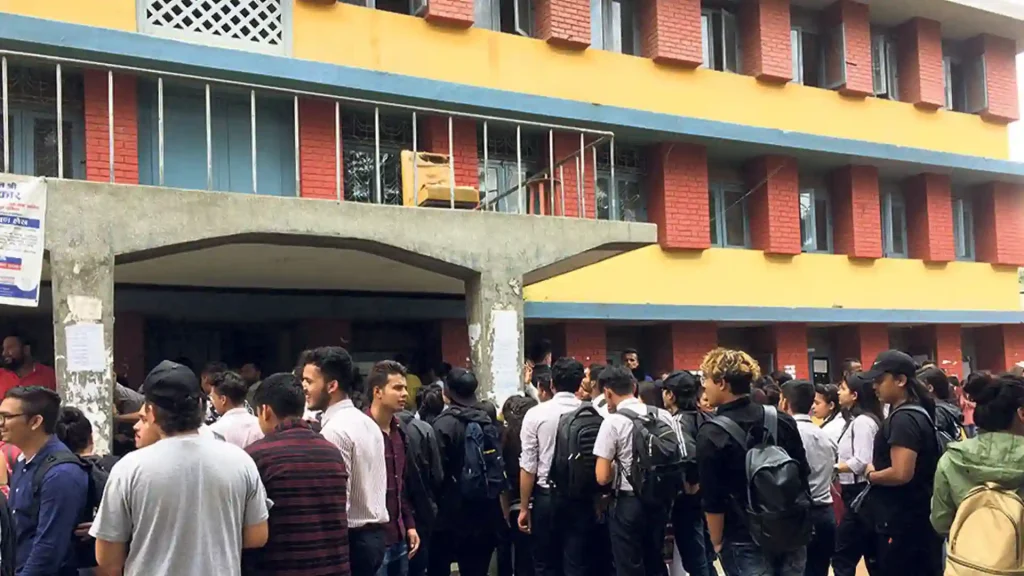
Police spokesman Abinarayan Kafle said the response has been overwhelming, with long lines forming outside police stations nationwide. He noted that even on a public holiday, young applicants queued eagerly to submit their forms.
“Most of the people standing in line were young and enthusiastic,” Kafle said, adding that applications were received across all 77 districts of the country. For many, this will be their first time participating directly in an election, albeit in a support role.
Nepal’s labor challenges extend far beyond election season. According to government figures, more than 839,000 Nepalis left the country last year in search of work abroad, a trend that continues to drain the nation of young labor. Meanwhile, the World Bank estimates that 82 percent of Nepal’s workforce is engaged in informal employment, often without job security, benefits, or stable wages.
These realities have made temporary government roles, even short-term ones, highly attractive. For many applicants, the election job represents not only income but also a sense of purpose and inclusion at a time when trust in political institutions remains fragile.
Thirty-year-old Nischal Poudel, who previously worked as a cook in a hotel, said he lost his job and has been unemployed for months. Standing in line to apply, he expressed cautious optimism.
“I don’t know if I’ll be selected,” he said. “But I’ve applied, and I believe something good might come out of it.”
Analysts say the massive turnout reflects both the scale of youth unemployment and the lack of alternatives. While elections are meant to strengthen democratic processes, they have also become a temporary economic safety net for thousands struggling to make ends meet.
As Nepal prepares for the polls, the scenes outside police stations — long queues of hopeful young applicants — serve as a reminder that political stability and economic opportunity remain deeply intertwined. For many young Nepalis, the election is not just a civic event, but a rare chance to earn, participate, and be seen in a system they have long felt excluded from.