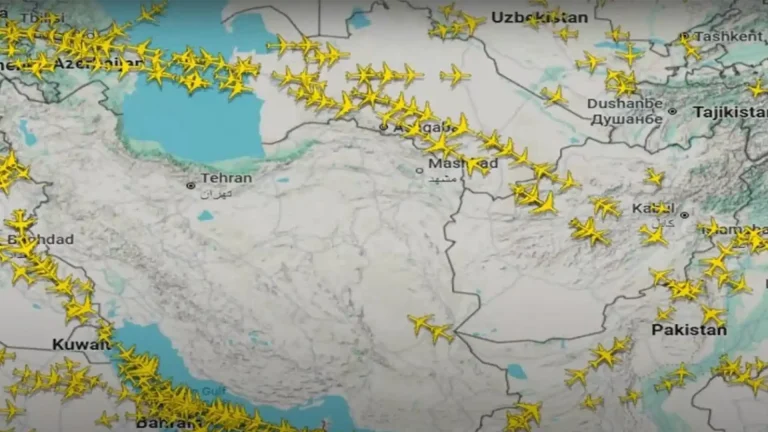
An Indian rocket launch malfunctioned shortly after liftoff, losing control and failing its mission, marking another setback for ISRO and raising concerns about reliability of upcoming space missions nationwide efforts.
Indian Rocket Launch Goes Awry, Dealing New Blow to ISRO
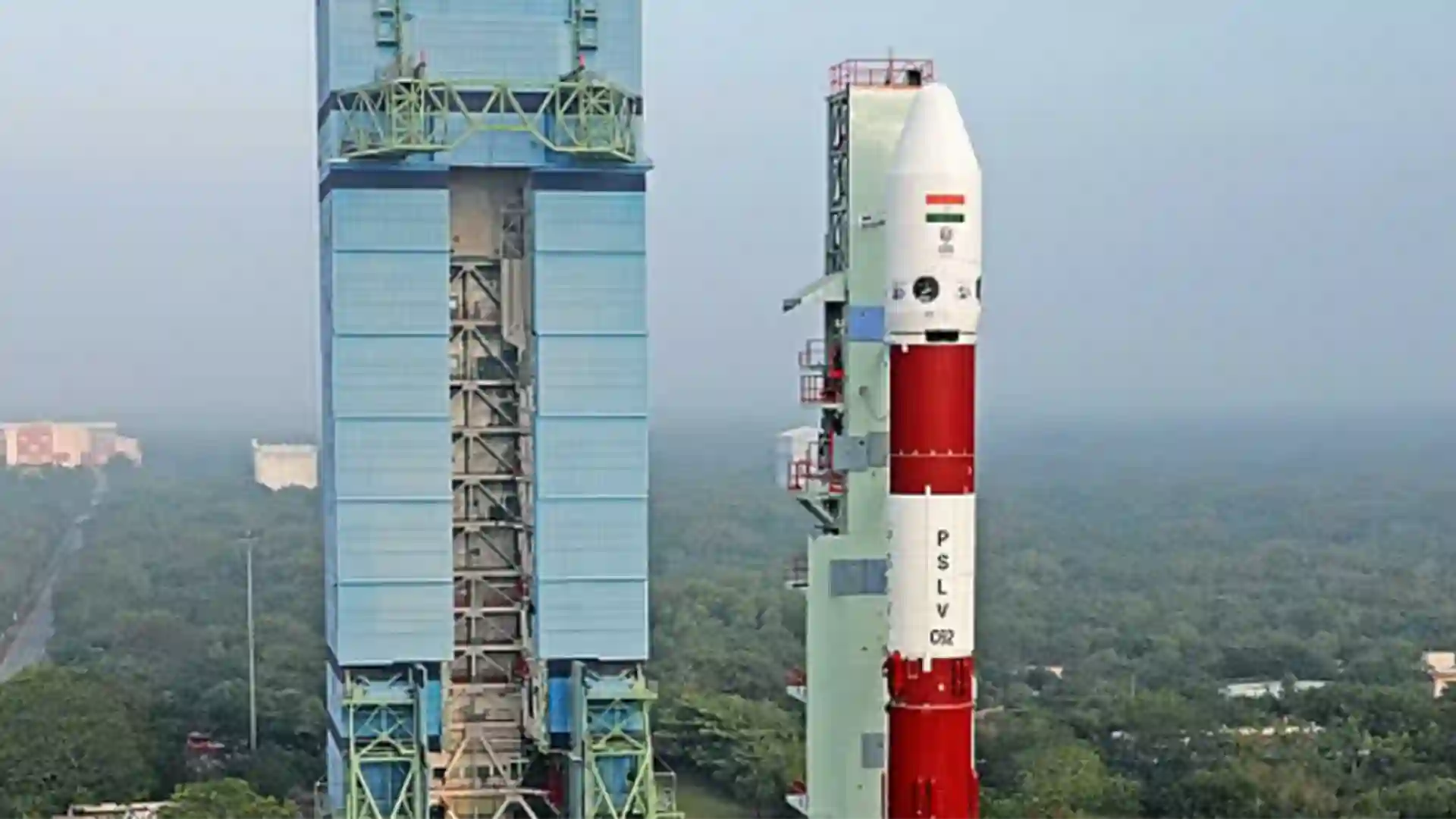
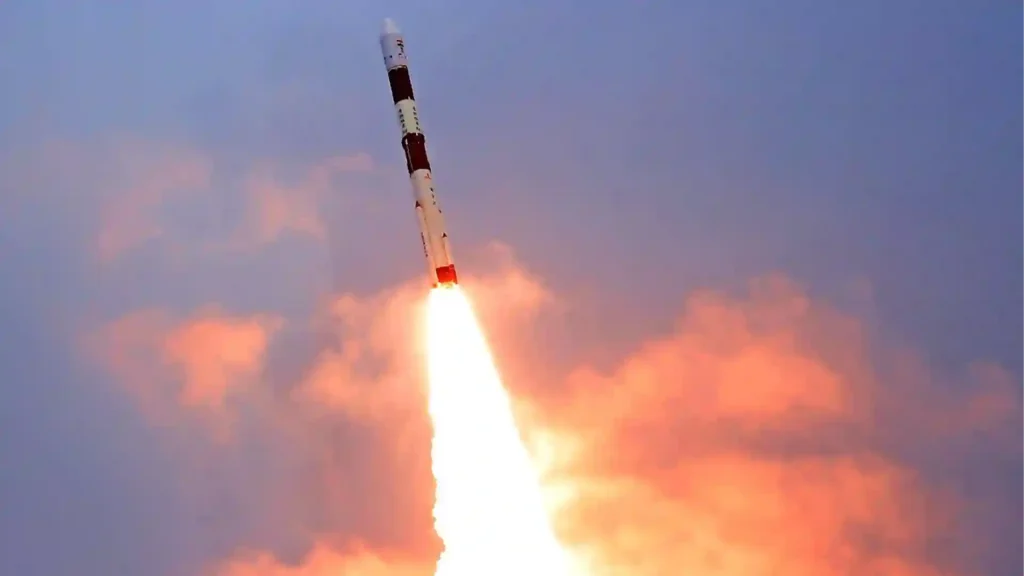
An Indian launch mission suffered a setback on Monday after a rocket carrying multiple scientific payloads veered off course soon after taking off, delivering another blow to the Indian Space Research Organisation’s most frequently used launch vehicle.
The rocket was transporting a total of 16 payloads, including an Earth observation satellite along with various instruments and experiments. These payloads were developed by a mix of Indian startups, academic institutions, and international partners. However, shortly after liftoff, the mission failed to proceed as planned when the vehicle lost its intended trajectory.
This incident marks the second major disappointment for the Polar Satellite Launch Vehicle (PSLV) within a span of roughly eight months. The development has slightly tarnished the vehicle’s long-standing reputation for dependability. Historically, the PSLV has been regarded as one of ISRO’s most reliable rockets, boasting a success rate of over 90 percent across more than 60 missions. The latest failure has therefore raised concerns among space scientists and industry observers.
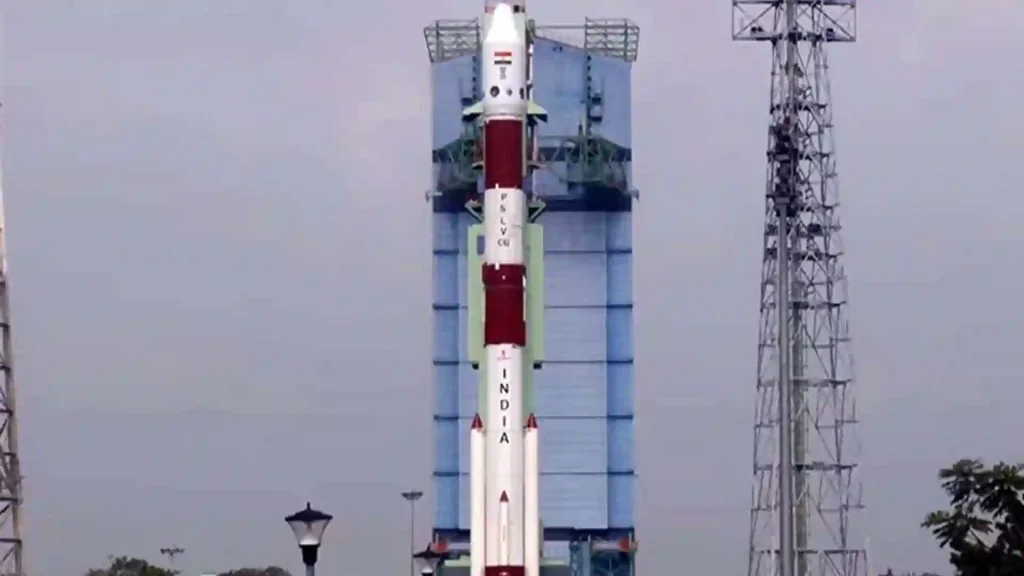
The mission, designated PSLV-C62, was launched from the Satish Dhawan Space Centre located on Sriharikota island, off India’s southeastern coast. Liftoff occurred at 10:18 a.m. local time. The rocket was tasked with deploying the EOS-N1 Earth observation satellite, which was designed to enhance India’s surveillance and imaging capabilities. Alongside EOS-N1, the rocket carried 15 smaller payloads, many of which represented the growing involvement of private companies and universities in India’s expanding space ecosystem.
According to ISRO officials, the rocket initially performed as expected. Mission control indicated that the launch vehicle functioned normally during most phases of its ascent. However, near the later part of the flight, an unforeseen disturbance occurred, causing the rocket to deviate from its planned path.
In an official statement released after the incident, ISRO confirmed that the anomaly took place toward the end of the PS3 stage of the flight. The space agency noted that a comprehensive investigation had been launched to determine the root cause of the problem. At the time of the announcement, ISRO did not provide specific details about the nature of the malfunction or the final status and location of the rocket and its payloads.
The lack of immediate clarity has prompted questions about potential technical issues within the launch system, particularly given the PSLV’s long operational history. Engineers and analysts are expected to closely examine telemetry data to identify whether the issue stemmed from hardware failure, software malfunction, or external factors.
The PSLV has played a pivotal role in shaping India’s space ambitions. Over the years, it has been the backbone of numerous high-profile missions, including Chandrayaan-1, India’s first lunar probe, which helped confirm the presence of water molecules on the Moon. The vehicle also successfully launched the Aditya-L1 mission, aimed at studying the Sun and improving understanding of solar activity and its impact on Earth.
Beyond scientific exploration, the PSLV has been instrumental in advancing India’s commercial space capabilities. It has regularly been used to deploy satellites for foreign clients, contributing to India’s reputation as a cost-effective and dependable launch service provider. The rocket has also supported India’s efforts to encourage private-sector participation in space manufacturing and satellite development.
In recent years, ISRO has actively promoted collaboration with startups and academic institutions, positioning the PSLV as a key platform for nurturing innovation and entrepreneurship in the space sector. The inclusion of multiple experimental payloads on the failed mission highlighted this strategy, making the setback particularly disappointing for emerging players who rely on such launches to test and validate their technologies.
While the latest failure is a reminder of the inherent risks involved in space missions, ISRO officials have emphasized that setbacks are part of the learning process in aerospace engineering. The findings from the ongoing investigation are expected to inform corrective measures and strengthen future missions.
Despite the incident, experts believe the PSLV will continue to remain a cornerstone of India’s space program. With decades of operational experience and a strong overall success record, the launch vehicle is likely to regain confidence once the cause of the anomaly is identified and resolved.
For now, the focus remains on understanding what went wrong during the PS3 stage and ensuring that similar issues do not recur. The outcome of this analysis will be crucial not only for ISRO’s upcoming missions but also for India’s broader goal of establishing itself as a major player in the global space industry.