Gold prices in Dubai have risen sharply, with 22-carat gold now exceeding Dh500 per gram, reflecting increased demand, global market trends, and investor interest in safe-haven assets.
Dubai gold rates surge as 22-carat prices climb past Dh500 per gram
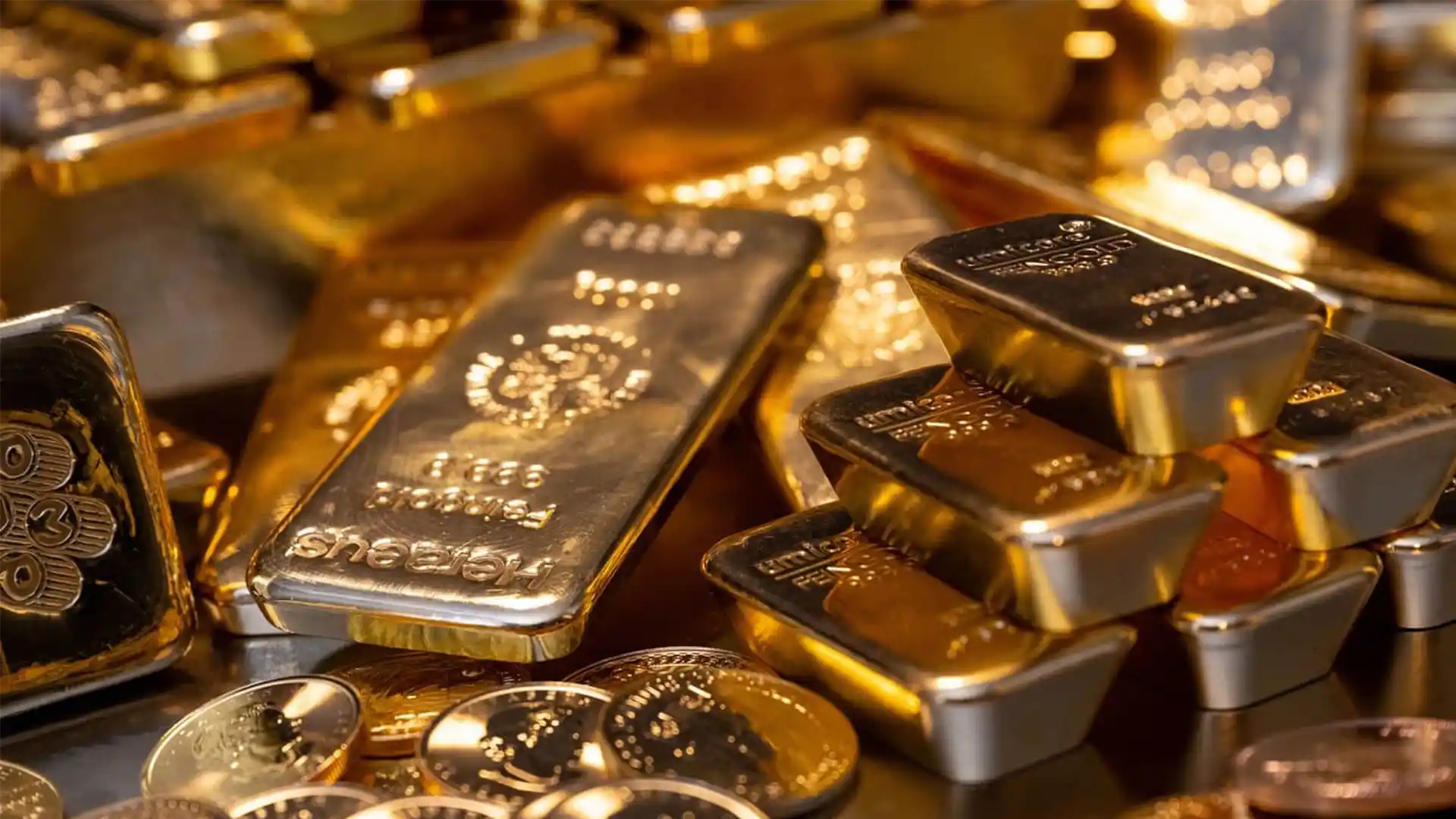
Gold values in Dubai climbed sharply on Friday evening, with the price of 22‑carat gold moving above Dh500 per gram as markets reacted to global developments. According to data from the Dubai Jewellery Group, the rate for 22K gold rose to Dh500.25 per gram, while pure 24K gold increased to Dh540.25 per gram. Other popular grades also saw gains: 21K gold traded around Dh479.75 per gram, 18K at Dh411.25 and 14K at Dh320.75.
The rise in local gold prices followed a surge in international bullion, with spot gold briefly trading above $4,500 per ounce on Friday evening amid macroeconomic uncertainty and geopolitical pressures. At approximately 7.30pm UAE time, spot gold was quoted at $4,510.35 per ounce, up about 1.3 per cent. Analysts linked the increase to weaker‑than‑expected US jobs data and heightened demand for safe‑haven assets.
In the United States, December 2025 nonfarm payroll figures showed an increase of only 50,000 jobs — below market forecasts of 60,000 — which helped lift gold’s appeal as investors searched for refuge from economic volatility. Vijay Valecha, Chief Investment Officer at Century Financial, said the precious metal looked set to post its fourth weekly gain in five weeks, holding up well despite a strong dollar.
Valecha attributed the bolstered demand not only to soft US labour data but also to international tensions, including frictions between the US and Venezuela and trade uncertainties involving China and Japan. These factors, he noted, have encouraged market participants to seek protection in gold, a traditional store of value.
Meanwhile, comments from US Treasury Secretary Scott Bessent suggested that an announcement on the next Federal Reserve Chair might be imminent. Markets are speculating that the new appointment could align with existing policy favouring lower interest rates, which tends to support precious metal prices by reducing the opportunity cost of holding non‑yielding assets like gold.
Despite short‑term shifts, long‑term drivers of the rally remain in place, Valecha said. He highlighted that supply constraints, especially in silver, where industrial demand outpaces availability, continue to underpin strength in precious metals. He also noted that volatility in silver had increased significantly, reflecting evolving market conditions.
Looking ahead, Valecha mentioned that gold could face resistance near the $4,550‑per‑ounce level, while silver might test resistance around $79.54. Traders and investors will be closely watching these technical points as prices adjust to ongoing global economic developments.
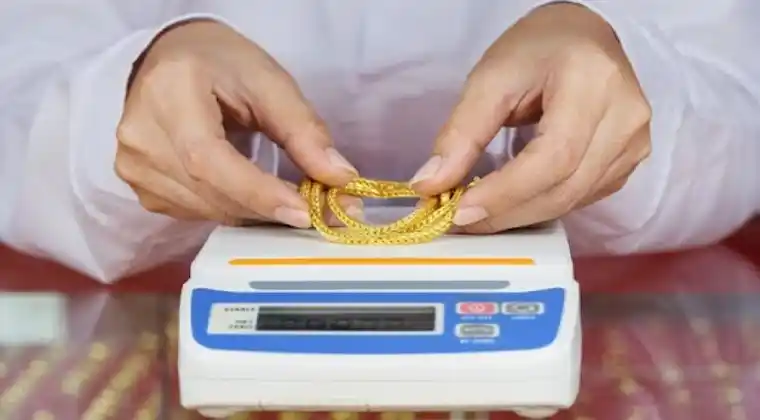
Investors in Dubai are closely monitoring the local gold market as prices continue to climb, reflecting global uncertainty and regional economic developments. Jewellery retailers have reported an uptick in enquiries, particularly for 22K and 24K gold, as buyers look to secure physical assets before potential further increases. Analysts note that gold often serves as a hedge during periods of volatility, providing a sense of security to investors amid fluctuations in currencies and stock markets. The current surge has prompted renewed interest in smaller denominations as well, making gold more accessible for retail buyers.
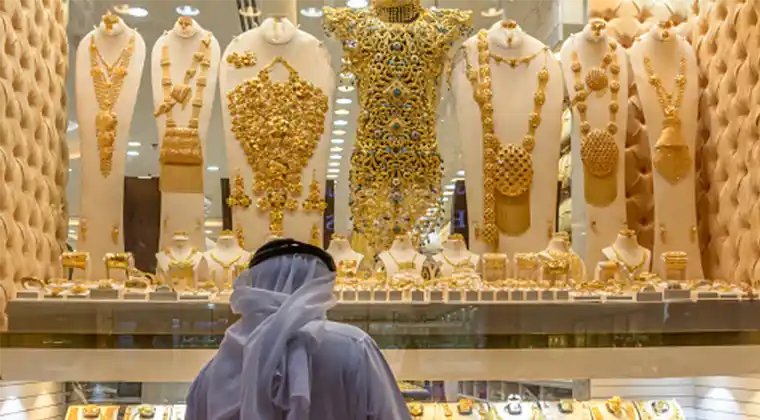
Rising demand is also evident in the jewellery sector, where consumers are increasingly purchasing gold items not just as investments but as gifts and cultural assets. Dubai’s gold souks and malls have seen higher footfall, with many customers taking advantage of competitive rates and promotional offers. Retailers note that international buyers, particularly from India and other GCC countries, have returned in significant numbers after festive seasons. The trend reflects gold’s dual role as both a store of value and a cherished commodity in social and cultural traditions.
Economists say that geopolitical tensions are a primary factor driving the surge in precious metal prices. Conflicts in various regions, coupled with strained trade relations between major economies, have increased uncertainty for investors, prompting a flight to safe-haven assets such as gold. Additionally, fluctuations in US monetary policy, including the timing of interest rate adjustments and appointments at the Federal Reserve, continue to influence market sentiment. Analysts warn that even minor announcements related to global politics or economics could have outsized effects on bullion prices in the short term.
Silver, platinum, and other precious metals are also reflecting market volatility, though to a lesser extent than gold. Silver has experienced heightened activity due to both industrial demand and investment speculation, while platinum and palladium have remained more stable but are closely watched by traders. Precious metals ETFs and other investment vehicles have reported increased inflows as investors diversify portfolios to manage risk. The UAE, with its strategic position as a trading hub and gold re-export center, continues to play a key role in connecting global bullion markets with regional buyers.
Looking ahead, market watchers anticipate that gold may test higher thresholds if global uncertainty persists, particularly around trade disputes, energy markets, and geopolitical hotspots. While short-term corrections are possible, the prevailing sentiment suggests continued interest from investors seeking long-term protection against inflation and market volatility. Retail and wholesale buyers in Dubai are advised to monitor international indicators closely, including US economic data releases, global oil prices, and geopolitical developments, as these will influence local pricing. Traders recommend caution while also taking advantage of strategic purchase opportunities before potential further rises.