Venezuela’s interior minister says a U.S. military operation that ousted Nicolás Maduro killed about 100 people, with dozens more hurt and Maduro and his wife also injured, authorities report.
Venezuela says U.S. strike left 100 people dead, interior minister reports
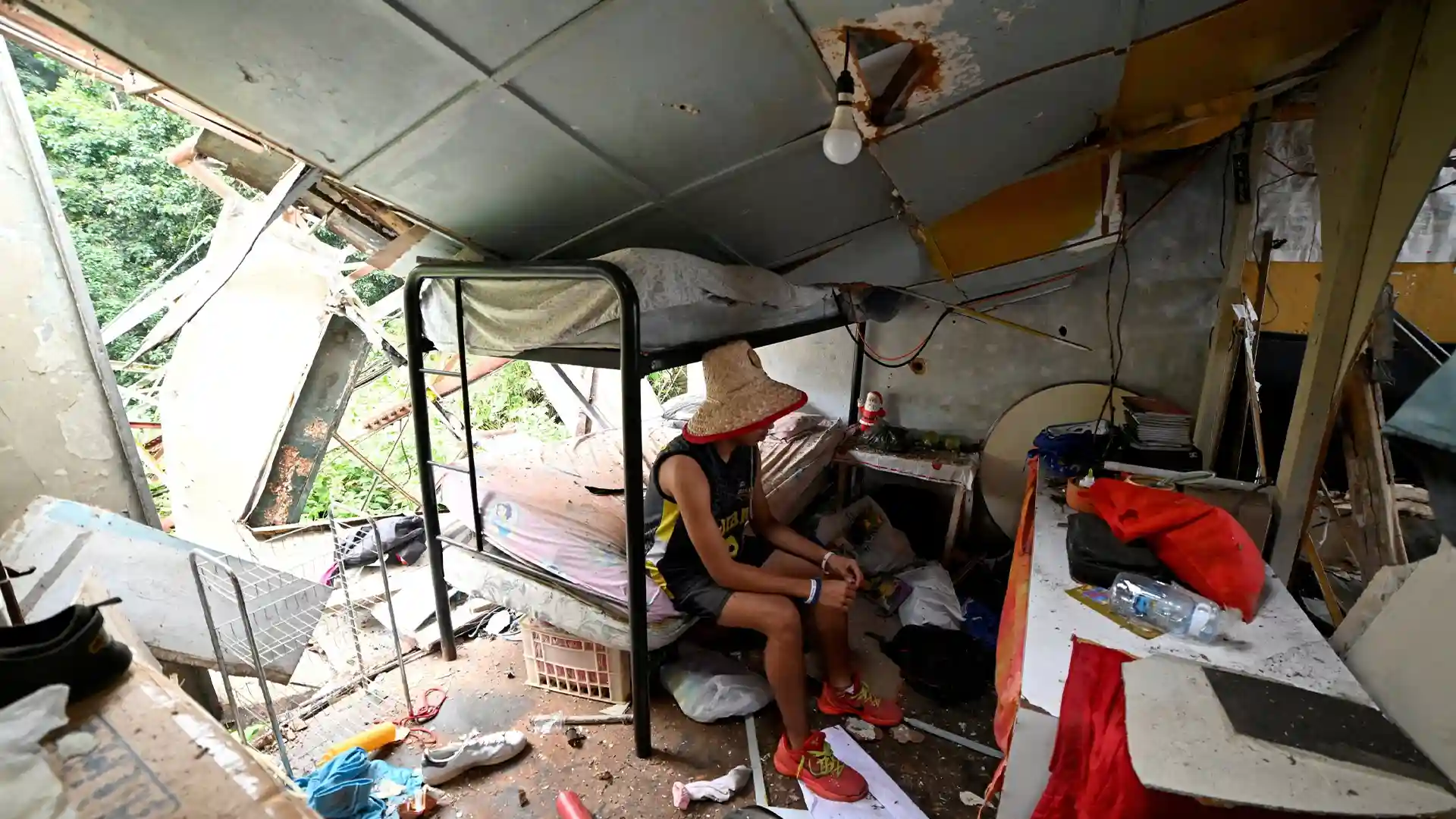
Venezuela’s interior minister, Diosdado Cabello, said late Wednesday that approximately 100 people were killed during a United States operation that led to the removal of President Nicolás Maduro from power over the weekend. His statement marked the first time Venezuelan authorities publicly provided an overall death toll linked to the operation, which has sharply escalated tensions and drawn international scrutiny.
Until Cabello’s announcement, official figures regarding casualties had been limited and fragmented. While the government had previously acknowledged that members of the armed forces and security services were killed, it had not released a comprehensive estimate. Earlier, the Venezuelan military shared a list naming 23 soldiers who it said died during the operation. Officials now argue that this list represents only a portion of the total casualties and does not account for losses among other security units or allied forces.
According to Cabello and other senior officials, a significant share of those killed belonged to President Maduro’s security detail. Venezuelan authorities have accused U.S. forces of killing many of these individuals deliberately and without offering them a chance to surrender. Officials described the deaths as having occurred “in cold blood,” language that reflects the government’s effort to portray the raid as both unlawful and excessively violent.
The consequences of the operation were not limited to Venezuelan nationals. Cuba, a close ally of Maduro’s government, has also reported losses among its personnel stationed in Venezuela. Cuban officials said that 32 members of their military and intelligence services were killed during the events surrounding the raid. Havana has condemned the operation and expressed solidarity with Venezuela, describing the deaths as evidence of what it calls foreign aggression against a sovereign state.
Cabello also provided details about injuries sustained by Maduro and his wife, Cilia Flores, during their detention. Flores reportedly suffered a head injury in the course of the operation, while Maduro was said to have been hurt in one of his legs. Both were detained together when U.S. forces carried out the raid that ultimately led to Maduro’s removal from office. The extent of their injuries has not been fully detailed, but officials have suggested they are receiving medical care.
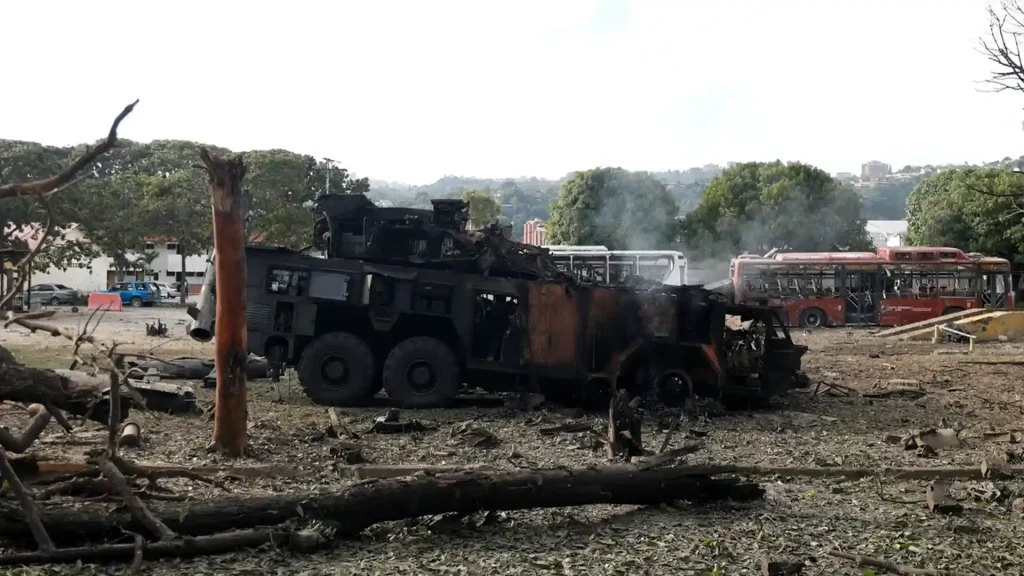
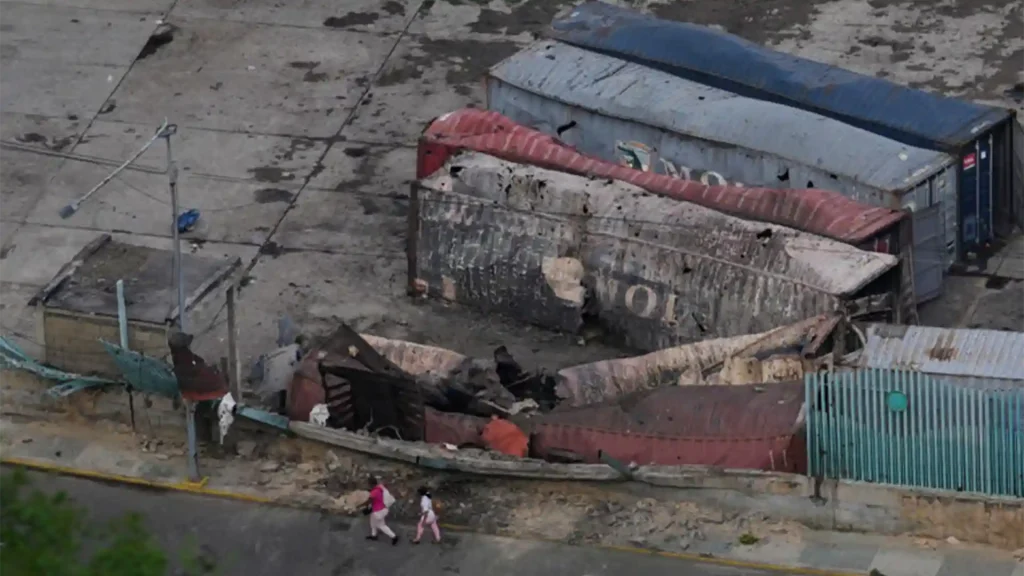
In the aftermath of the operation, Venezuela’s interim president, Delcy Rodríguez, moved quickly to frame the events as a national tragedy and an attack on the country’s institutions. Speaking earlier this week, Rodríguez declared a week-long period of mourning in honor of military personnel killed during the raid. She called on citizens to remember those who died and to unite during what she described as a critical moment for the nation.
Cabello, during his weekly television program broadcast on state media, praised Rodríguez for her leadership in the wake of the crisis. He described her as “courageous” and credited her with standing firm during what he characterized as an unprecedented assault on Venezuela’s sovereignty. State television coverage emphasized themes of resilience, sacrifice, and resistance, reinforcing the government’s narrative that the country is under external attack.
The operation and its reported death toll have deepened political divisions within Venezuela and intensified debate abroad. Supporters of the former Maduro government argue that the scale of casualties demonstrates the excessive use of force and validates their claims of foreign interference. Critics, however, question the figures provided by Venezuelan officials and argue that independent investigations are needed to verify the number of deaths and the circumstances under which they occurred.
International reaction has been mixed. Some governments have called for transparency and restraint, urging all sides to avoid further violence and to allow humanitarian access if needed. Others have aligned themselves with Caracas, condemning the operation and expressing concern over civilian and military casualties. Human rights organizations have also begun calling for independent inquiries to establish the facts surrounding the deaths and injuries reported by both Venezuelan and Cuban authorities.
Within Venezuela, the announcement of a 100-person death toll has fueled public debate and heightened emotions. Families of those listed among the dead have demanded answers, while supporters of the government have organized vigils and memorial events during the official mourning period. State-run media continues to highlight personal stories of fallen soldiers and security personnel, presenting them as defenders of the nation.
As more details emerge, the long-term political and diplomatic consequences of the operation remain uncertain. What is clear is that Cabello’s statement has set a new benchmark in the official narrative, transforming what had been a series of isolated casualty reports into a single, stark figure. Whether that number will be confirmed or challenged by independent sources remains to be seen, but it has already become a central point in Venezuela’s account of the events that led to Nicolás Maduro’s fall from power.