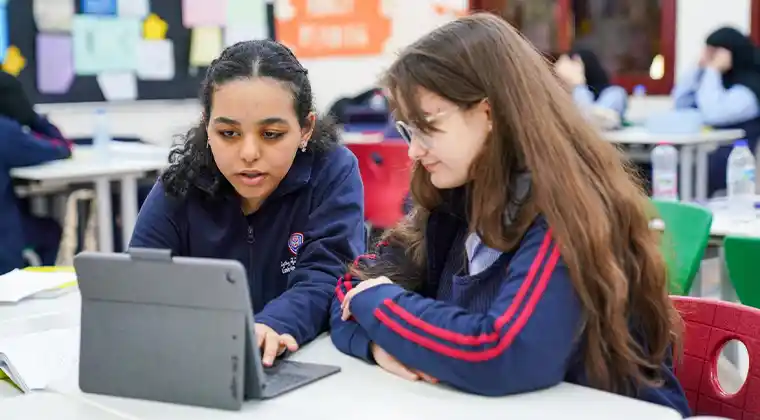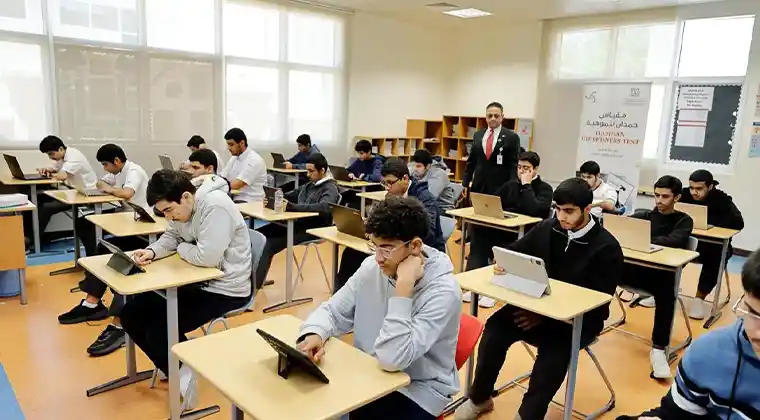
Across the UAE, schools are providing emotional support and counseling to students as classrooms grapple with loss, helping children process grief, adjust to empty desks, and heal together after the deaths of their classmates.
Grief in the classroom: UAE schools help students cope after losing classmates.
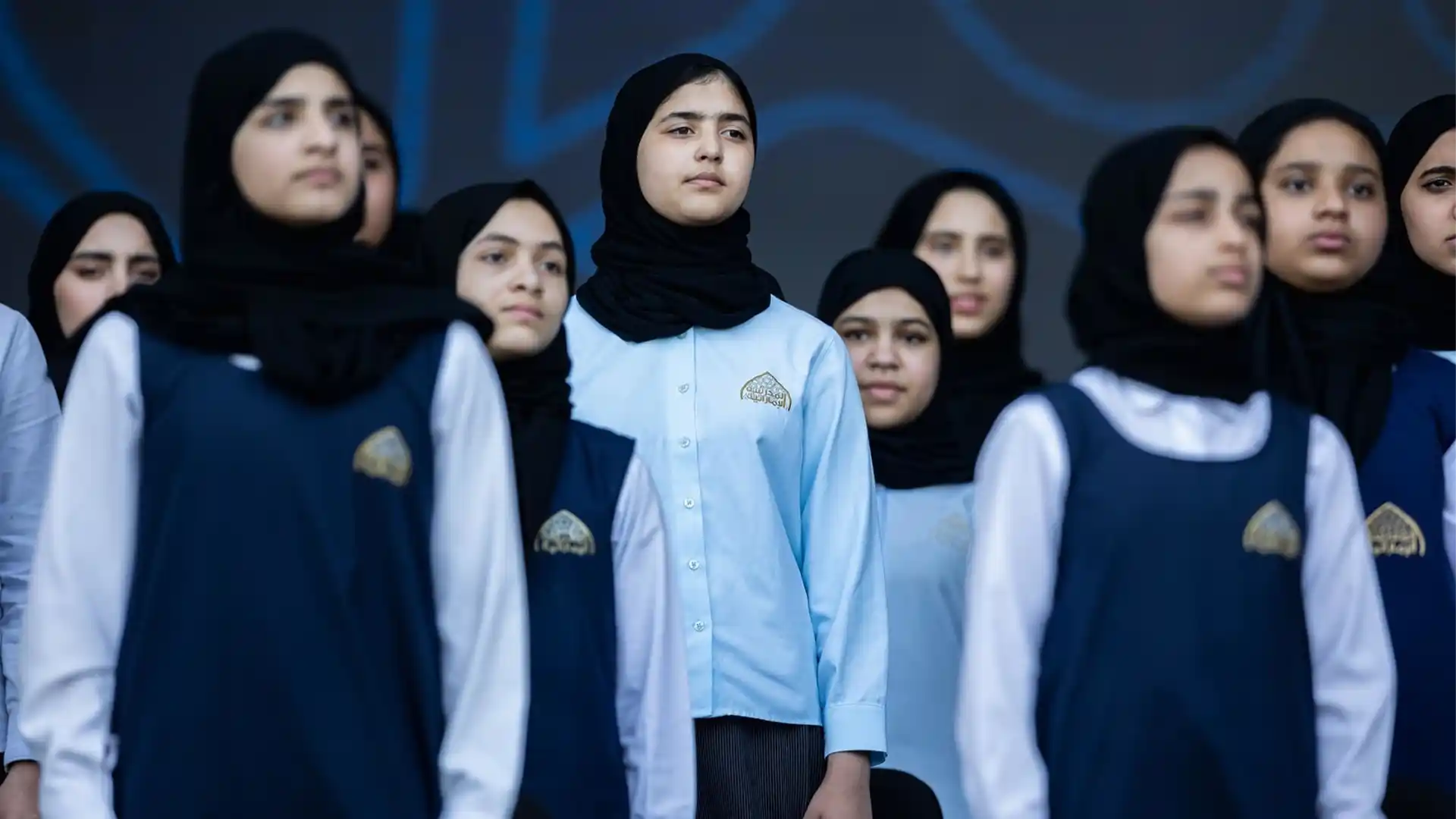
When Classrooms Become Places of Mourning and Healing
Across the UAE, schools are navigating an unfamiliar and painful reality: classrooms once filled with routine chatter and youthful energy are now marked by silence, empty desks, and shared grief. In recent weeks, educators, students, and parents alike have been forced to confront loss not as an abstract concept, but as a deeply personal experience that has entered the school gates.
Two tragedies, occurring within a short span of time, have profoundly affected school communities. The sudden death of four young brothers in a fatal road accident in Abu Dhabi, followed by the unexpected passing of a 17-year-old student in Sharjah due to cardiac arrest, have left students struggling to understand how life can change so abruptly.
In the wake of these losses, schools have emerged as spaces not just for learning, but for collective mourning, emotional reassurance, and healing.
A Shock That Rippled Through Schools
The death of four Indian expatriate siblings in a car crash early Sunday morning sent shockwaves through multiple school communities. The boys, students at Arab Unity School in Dubai, were known among peers and teachers as bright, friendly, and deeply connected to their classmates. News of the accident spread quickly, leaving students stunned as they returned to school after the weekend.
For many children, the tragedy felt incomprehensible. Just days earlier, they had been sharing lessons, laughter, and plans. Now, they were being asked to accept that their classmates would never return.
This incident came close on the heels of another heartbreaking loss. In December 2025, 17-year-old Aisha Mariam, a student at Sharjah Indian School, collapsed suddenly due to cardiac arrest. With no known prior medical condition, her passing left her classmates and teachers grappling with disbelief and unanswered questions.
Together, these tragedies have prompted schools to reflect on how best to support students encountering grief—often for the first time in their young lives.
A Teacher’s Pause That Spoke Volumes
For Naseer Chowthodika, a Physics teacher at Arab Unity School, the reality of loss became painfully clear during what should have been an ordinary school day. Standing in front of his Year 10 classroom, he began handing out winter examination papers, calling out names as he had done countless times before.
But when he reached one particular name, he stopped.
The student’s chair sat empty.
In a deeply moving Facebook post, Chowthodika described how the absence struck him with unexpected force. Words failed him. For a brief moment, the classroom was suspended in silence—a silence heavy with memory.
He wrote about how that empty space seemed to echo with the student’s presence: the familiar smile, the curiosity, the quiet moments of connection built over time. The loss, he reflected, was not merely academic. It was deeply personal.
“He was not just one of many students,” Chowthodika shared. “He was part of our classroom family. His presence shaped the room, and now his absence has left a gap that cannot be filled.”
The teacher’s reflection resonated with educators across the country, many of whom have faced similar moments—calling out names that no longer receive an answer, glancing instinctively toward desks that will remain vacant.
Navigating Grief With Careful Words
At Sharjah Indian School, Principal Pramod Mahajan faced a different but equally delicate challenge following the loss of Aisha Mariam. When schools reopened after the winter break, he knew that returning to routine without acknowledging the loss would not serve the students.
Standing before the school during morning assembly, Mahajan addressed the tragedy with deliberate care. He chose his words thoughtfully, mindful that for many students, this was their first encounter with death within their peer group.
Later that day, he visited Aisha’s classroom.
The chair she once occupied remained untouched. Her classmates avoided it instinctively, as though sitting there would make the loss feel more real. Understanding their hesitation, Mahajan quietly took the seat himself.
He sat there for several minutes, not speaking much, simply being present.
“I wanted them to see that it was okay,” he later explained. “Okay to acknowledge the absence, okay to feel uncomfortable, and okay to slowly return to normal.”
Gradually, the students relaxed. One by one, they began to reclaim their space.
Mahajan recalled meeting one of Aisha’s classmates days later—a student still holding tightly to a final shared memory.
“She told me the last time they were together was during lunch before the holidays,” he said. “That moment had become frozen in her mind.”
Such memories, Mahajan noted, often linger long after formal condolences fade.
No Single Way to Grieve
Educators agree that there is no universal roadmap for helping children process loss. Adolescents, in particular, may swing between silence, anger, confusion, and overwhelming sadness—sometimes all in the same day.
“Grief doesn’t follow rules,” Mahajan said. “Some children want to talk endlessly. Others withdraw. Some appear fine, only to break down weeks later.”
At Sharjah Indian School, counsellors have been working closely with students, offering consistent emotional support and creating spaces where feelings can be expressed safely. Teachers have been encouraged to remain observant and flexible, understanding that concentration, motivation, and behaviour may fluctuate.
“Our job isn’t to rush them through grief,” Mahajan said. “It’s to walk beside them.”
Parents Struggling to Find the Right Words
The impact of the tragedy has extended beyond school walls and into homes across Dubai. Fiza, a parent whose son attends Arab Unity School, described the heartbreak of watching her child struggle to comprehend the loss of a close friend.
Her son, a Year 9 student, had returned to school eager to reconnect with classmates after the break. Instead, he was met with devastating news.
“The principal and a teacher came to the class and explained what had happened,” she recalled. “As soon as they spoke, many of the children started crying.”
Fiza said her son was particularly affected, having shared a close bond with one of the brothers who died.
“He couldn’t understand how someone he spoke to just days ago was suddenly gone,” she said.
She praised the school’s response, describing how staff handled the announcement with sensitivity and compassion, encouraging students to pray together and support one another.
“At that moment, the school felt less like an institution and more like a family,” she added.
When Schools Become Families
Veteran educator Lisa Johnson believes that moments of loss reveal the true heart of a school community. Drawing from her experience as Principal of the American Academy for Girls (AAG), she recalled how the school responded when a student named Hessa passed away after battling cancer several years ago.
“The sense of loss was collective,” Johnson said. “Every student, teacher, and staff member felt it.”
To help students cope, the school created opportunities for remembrance. Students were invited to write messages, share memories, and express emotions through symbolic gestures. Yellow ribbons bearing handwritten notes were tied to a remembrance tree, offering students a tangible way to process their feelings.
“These actions may seem small,” Johnson said, “but they open doors for connection and healing.”
Beyond memorials, AAG implemented structured emotional support systems. A wellbeing triage approach helped identify students struggling the most, pairing them with trusted adults for regular check-ins.
Teachers were guided on how to respond with empathy—adjusting workloads, allowing flexibility, and understanding that grief does not operate on a schedule.
“Support doesn’t end after the funeral,” Johnson emphasized. “It continues quietly, especially on anniversaries or significant dates.”
Understanding the Hidden Faces of Grief
Dubai-based life coach and energy healer Girish Hemnani believes one of the greatest challenges is helping children recognize what grief feels like in the first place.
“For many children, grief arrives as a strange heaviness they don’t have words for,” he explained. “It disrupts their sense of safety and predictability.”
Hemnani noted that adults often expect grief to look like tears, but for children, it frequently appears in subtler forms—irritability, fatigue, physical discomfort, or withdrawal.
“When we dismiss these behaviours, children feel misunderstood,” he said. “Validation is crucial.”
He urged parents and educators to explain grief honestly, without resorting to confusing euphemisms that may increase fear or misunderstanding.
“Children need gentle truth,” he said. “They need reassurance that their feelings—whatever form they take—are normal.”
Equally important, Hemnani stressed, is helping children identify safe adults they can turn to when emotions feel overwhelming.
“That sense of having an anchor—a counsellor, a teacher, a parent—makes all the difference,” he said.
A Shared Path Forward
As UAE schools continue to navigate these painful losses, one truth has become clear: education extends far beyond textbooks and exams. In moments like these, schools become places where children learn how to grieve, how to support one another, and how to find strength in community.
Empty chairs may remain, but they are not symbols of abandonment. Instead, they stand as reminders of lives that mattered deeply—and of classrooms learning, together, how to carry loss with compassion, patience, and hope.