Etihad Rail has unveiled the UAE’s complete passenger rail network, announcing seven new stations that enhance national connectivity, improve travel efficiency, and support sustainable transport across the country.
Etihad Rail Reveals Full UAE Passenger Network, Announces 7 New Stations
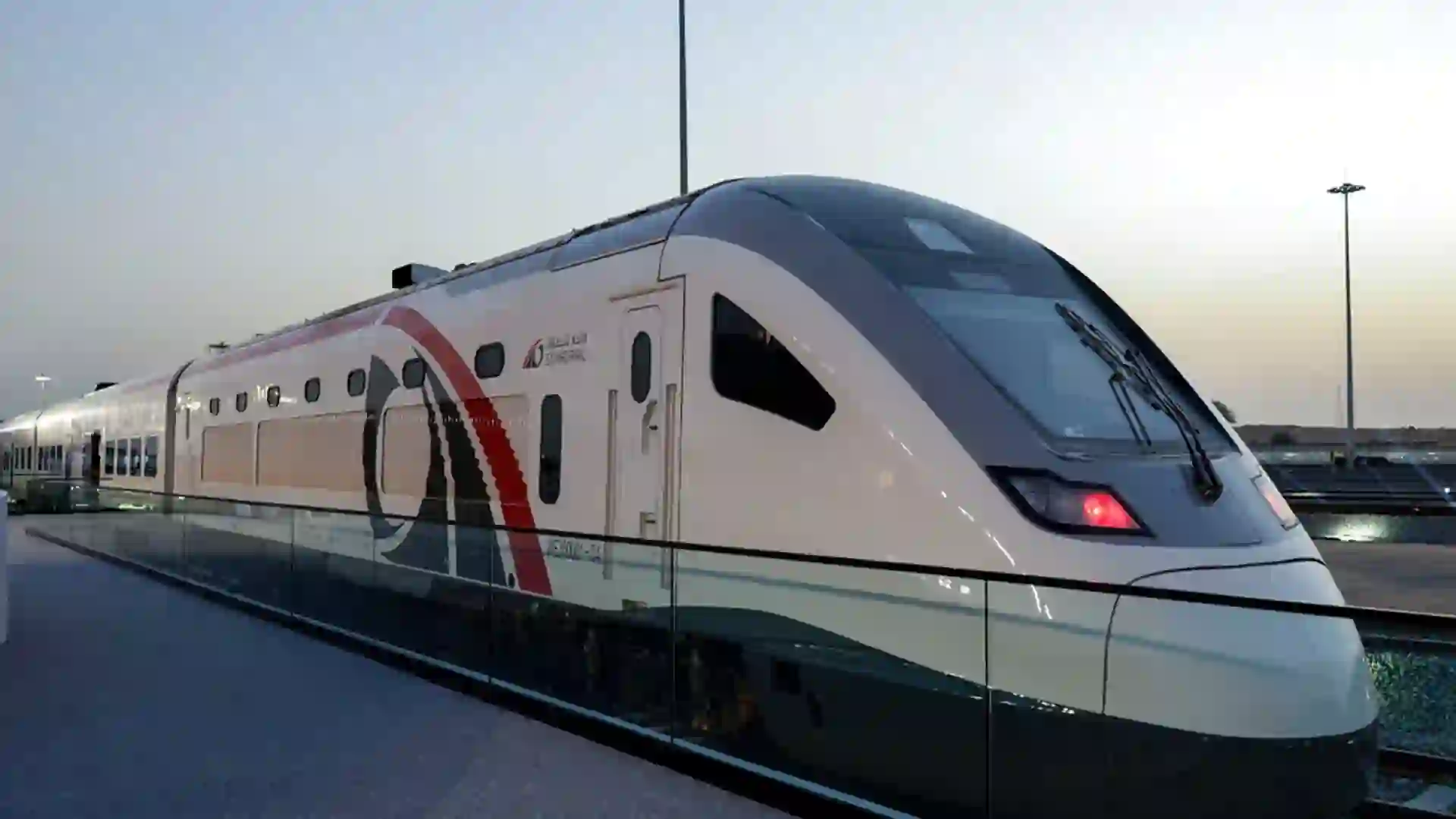
Etihad Rail has announced a major expansion of the UAE’s passenger rail infrastructure, revealing seven additional stations that bring the total number of passenger stops across the country to 11. This development marks the completion of the national passenger rail network, which is expected to begin operations later this year and connect communities across all seven emirates.
The newly revealed stations will be located in Al Sila, Al Dhannah, Al Mirfa, Madinat Zayed, Mezairaa, Al Faya, and Al Dhaid. Together, these locations complete the passenger network and significantly enhance connectivity between urban centres, regional hubs, and developing areas across the UAE. The new stations complement those that were announced earlier, which include Mohammed Bin Zayed City in Abu Dhabi, Jumeirah Golf Estates in Dubai, University City in Sharjah, and the Al Hilal district in Fujairah.
According to Etihad Rail, the stations will be launched in phases rather than all at once. Once fully operational, the network will link 11 cities and regions, establishing the UAE’s first fully integrated, nationwide passenger rail system. The project represents a major step forward in the country’s long-term transport strategy, aimed at improving mobility while supporting sustainable development.
Mohammed Alshehii, Chief Projects Officer at Etihad Rail, explained that careful consideration was given to the selection of station locations. He noted that the stations were strategically placed near key population centres to ensure accessibility and to meet the needs of residents, commuters, and visitors alike. This approach is intended to maximise usage of the rail service while providing efficient connections between major destinations.
Azza AlSuwaidi, Deputy CEO of Etihad Rail, highlighted the broader importance of the passenger network within the UAE’s transport ecosystem. She described the rail system as a central pillar supporting national connectivity and economic growth. AlSuwaidi noted that the passenger service builds upon the success of Etihad Rail’s freight operations, which began in 2023, and reflects strong collaboration between public and private partners. She also emphasised the role of Emirati talent alongside international expertise, stating that the network has been developed using global best practices and advanced technologies to ensure safe, reliable, and efficient operations.
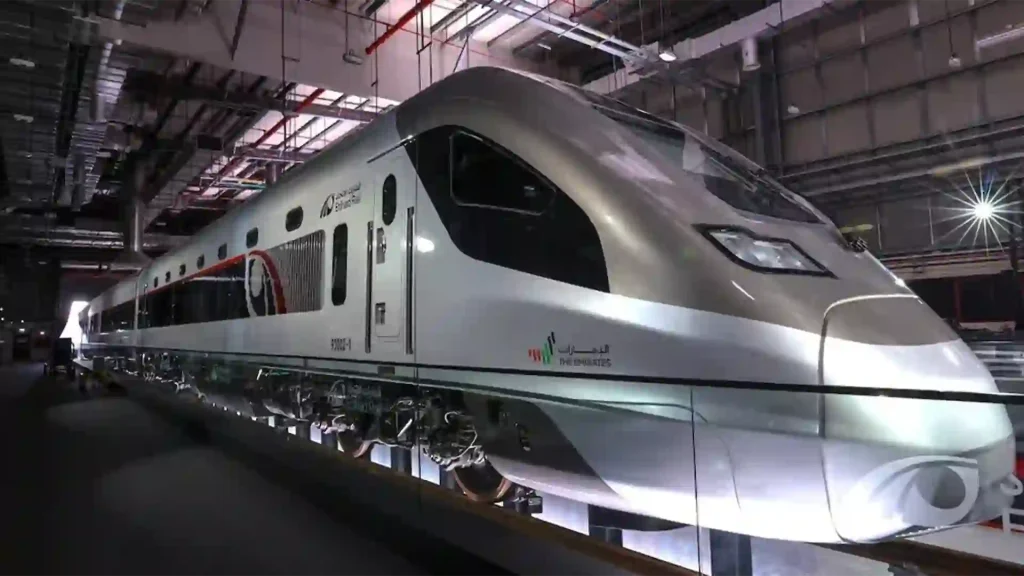
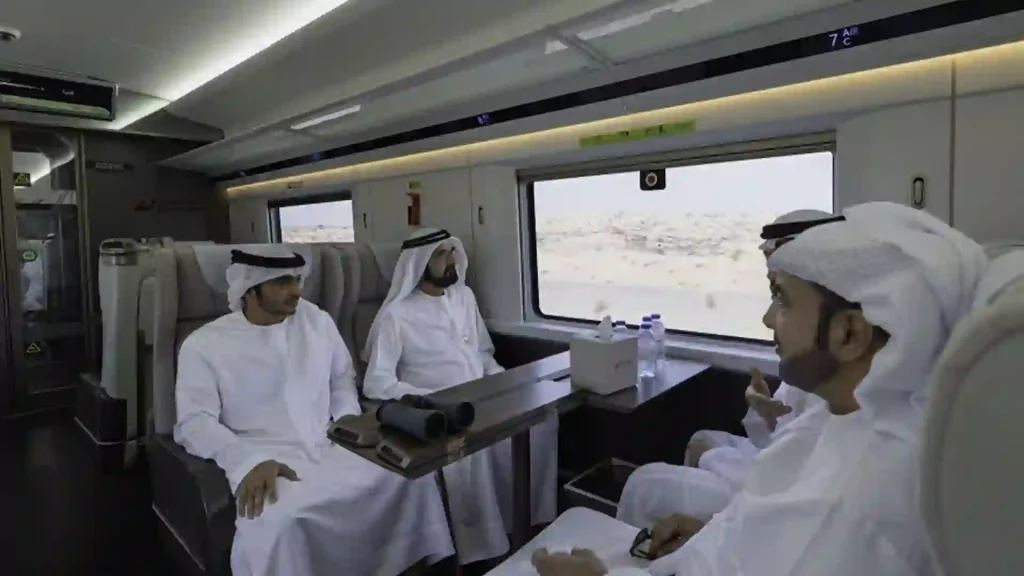
Passenger comfort has been a key focus of the project. Etihad Rail has previously confirmed that trains will offer both business and economy class seating, providing travellers with a high-quality journey experience. Business class carriages will feature 16 seats, while economy class compartments will accommodate 56 passengers. Each train has been designed with a modern interior aesthetic, combining functionality with comfort.
To meet the expectations of today’s travellers, trains will be equipped with full Wi-Fi connectivity and power outlets at every seat. Services are expected to operate on a regular timetable, enabling fast and efficient travel between emirates. By offering a viable alternative to road transport, the rail network is also expected to ease traffic congestion and contribute to reduced emissions.
Alshehii confirmed that significant progress has already been made in preparing the rolling stock for service. Out of the 13 trains planned for the network, 10 have already arrived in the UAE. These trains have undergone extensive testing and certification to ensure they meet the highest international safety and quality standards. Each train will be capable of carrying up to 400 passengers and will be operated using advanced control and monitoring systems.
The scale of the project has required a substantial workforce and years of sustained effort. Alshehii credited the success of the development to more than three years of intensive planning, engineering, and construction. He stated that total working hours reached approximately 24.5 million, with more than 7,000 experts and workers contributing to the project across various disciplines.
In October last year, Etihad Rail strengthened its operational capabilities by signing a landmark joint venture with Keolis, a global leader in passenger transport services. Under the agreement, Keolis will be responsible for operating the passenger rail services and managing associated connections. This includes coordinating with buses, taxis, car services, and parking facilities to ensure seamless door-to-door travel for passengers.
Alistair Gordon, CEO of Keolis UK, Middle East, and India, previously explained that the company will also be responsible for training train drivers and recruiting operational staff. The partnership aims to deliver a smooth, efficient, and customer-focused transport experience that aligns with international standards.Beyond improving mobility, the passenger rail network is expected to deliver wide-ranging national benefits. These include supporting tourism by making travel between destinations easier, reducing carbon emissions through a shift away from road transport, and strengthening social and economic links between regions. By connecting cities, towns, and emerging areas, the network is set to play a key role in making the UAE more accessible, integrated, and future-ready.