A strong 6.7-magnitude earthquake struck near Baculin in the Philippines, shaking nearby communities and causing alarm among residents as authorities monitored the situation for possible damage.
Strong 6.7 Quake Jolts Area Near Baculin, Philippines
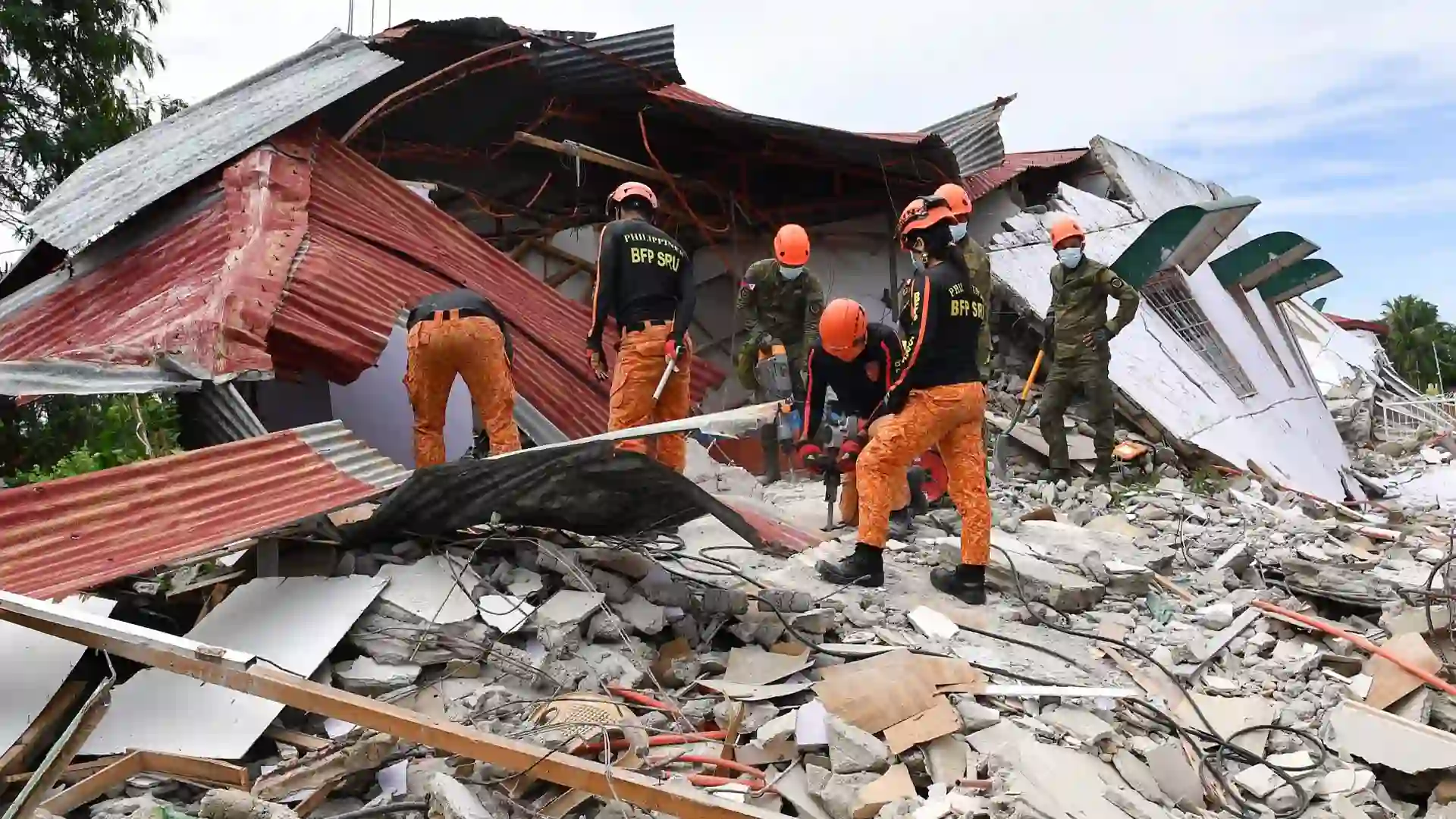
A powerful earthquake with a magnitude of 6.7 struck waters east of Baculin in the Philippines on Wednesday, according to information released by the United States Geological Survey (USGS). The seismic event occurred approximately 68 kilometers (about 42 miles) from the town, drawing immediate attention from disaster monitoring agencies and residents across nearby areas.
The USGS reported that the earthquake originated at a relatively shallow depth of around 10 kilometers (roughly 6.2 miles) beneath the Earth’s surface. Shallow earthquakes are often felt more strongly at ground level, which raised concerns about potential structural damage and risks to communities located near the epicenter.
Local authorities, including the Philippine Institute of Volcanology and Seismology (PHIVOLCS), quickly began monitoring the situation following the initial tremor. PHIVOLCS noted that aftershocks were expected in the hours and days following the main quake, a common occurrence after strong seismic events. These smaller tremors can sometimes cause additional damage, especially to buildings or infrastructure already weakened by the initial shock.By 11:25 a.m. local time, PHIVOLCS had recorded at least six aftershocks in the affected region. These subsequent tremors varied in strength, with magnitudes gradually decreasing from 3.9 down to 2.1. While significantly weaker than the main earthquake, aftershocks can still be felt by residents and may contribute to anxiety among communities already unsettled by the earlier shaking.
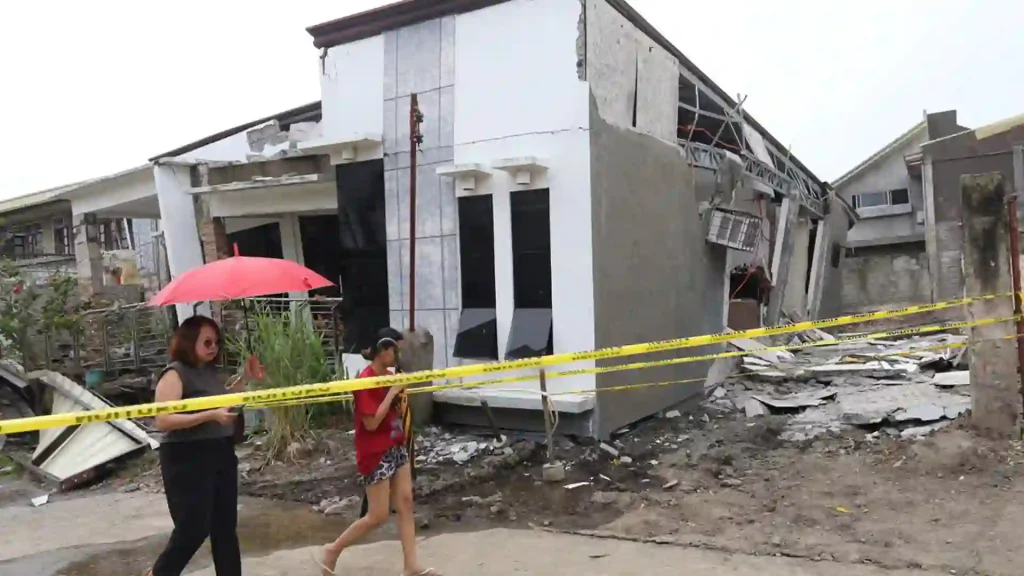
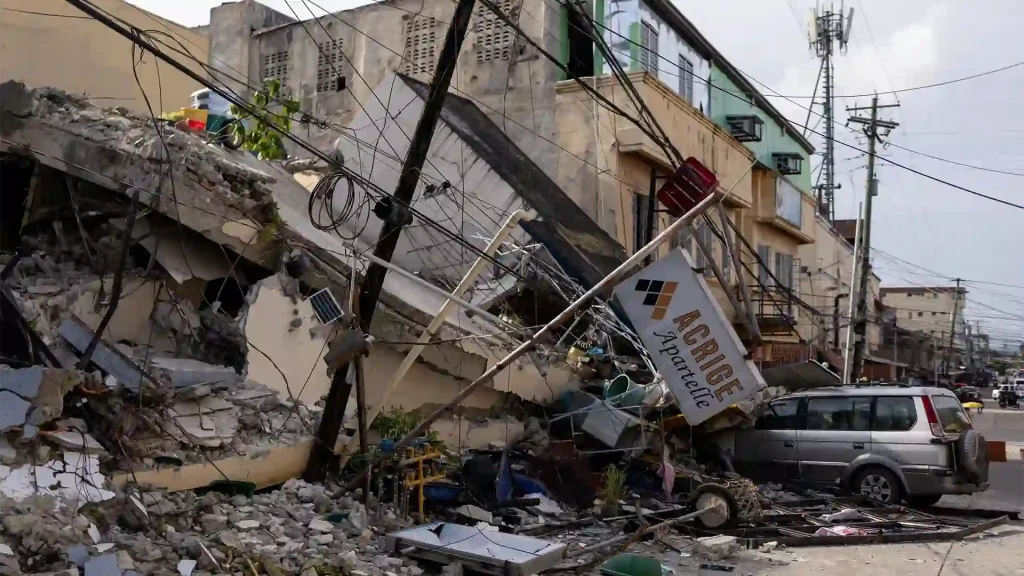
Emergency and monitoring agencies emphasized the importance of vigilance, advising residents to remain alert for further seismic activity. PHIVOLCS indicated that both aftershocks and some level of damage were possible, particularly in areas closest to the epicenter. However, detailed assessments of structural impact and potential casualties were still ongoing at the time of reporting.
Despite the strength of the earthquake, there was no immediate indication of a tsunami threat. The USGS confirmed that no tsunami warning or alert had been issued in connection with the quake. This information provided some reassurance, especially for coastal communities that are often vulnerable to secondary hazards following undersea or near-coastal earthquakes.
The Philippines lies along the Pacific “Ring of Fire,” a region known for frequent seismic and volcanic activity due to the movement of tectonic plates. As a result, earthquakes of varying magnitudes are not uncommon in the country. Nonetheless, stronger quakes such as this one often prompt heightened concern because of their potential to cause widespread damage, landslides, or disruptions to daily life.
Residents in surrounding areas reportedly felt noticeable shaking, prompting some to evacuate buildings temporarily as a precaution. Authorities reminded the public to follow established earthquake safety guidelines, including staying away from damaged structures, preparing emergency supplies, and remaining informed through official updates.
Disaster response teams and local government units were expected to conduct inspections of infrastructure, including roads, bridges, and public buildings, to determine whether the earthquake caused any significant harm. In rural or coastal regions near Baculin, officials were particularly cautious, as access to some areas can be challenging following natural disasters.
Seismologists explained that the series of aftershocks was a normal geological response as stress along the fault line continued to adjust after the main rupture. While most aftershocks are smaller, experts cautioned that they can still pose risks, especially if people re-enter damaged buildings too soon.
As monitoring continued, authorities stressed the importance of relying on verified information from official agencies such as PHIVOLCS and the USGS. They also urged the public not to spread unconfirmed reports or rumors, which can cause unnecessary panic during emergency situations.
At the time of the latest updates, there were no confirmed reports of casualties or major destruction, though assessments were still underway. Officials indicated that more detailed information would be released as soon as field reports and inspections were completed.
Overall, the 6.7-magnitude earthquake served as a reminder of the Philippines’ exposure to seismic hazards and the need for ongoing preparedness. While the absence of a tsunami warning was a relief, the event underscored the importance of readiness, effective communication, and rapid response to minimize the impact of natural disasters on communities.