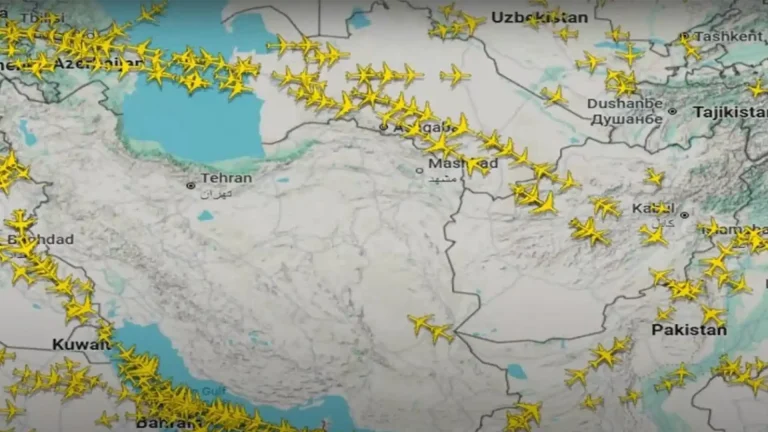
Syria has suspended all flights at Aleppo Airport as violent clashes escalate in the city, raising concerns over civilian safety and disrupting travel and transport in the region.
Aleppo Airport Halts Flights Amid Intensifying City Clashes
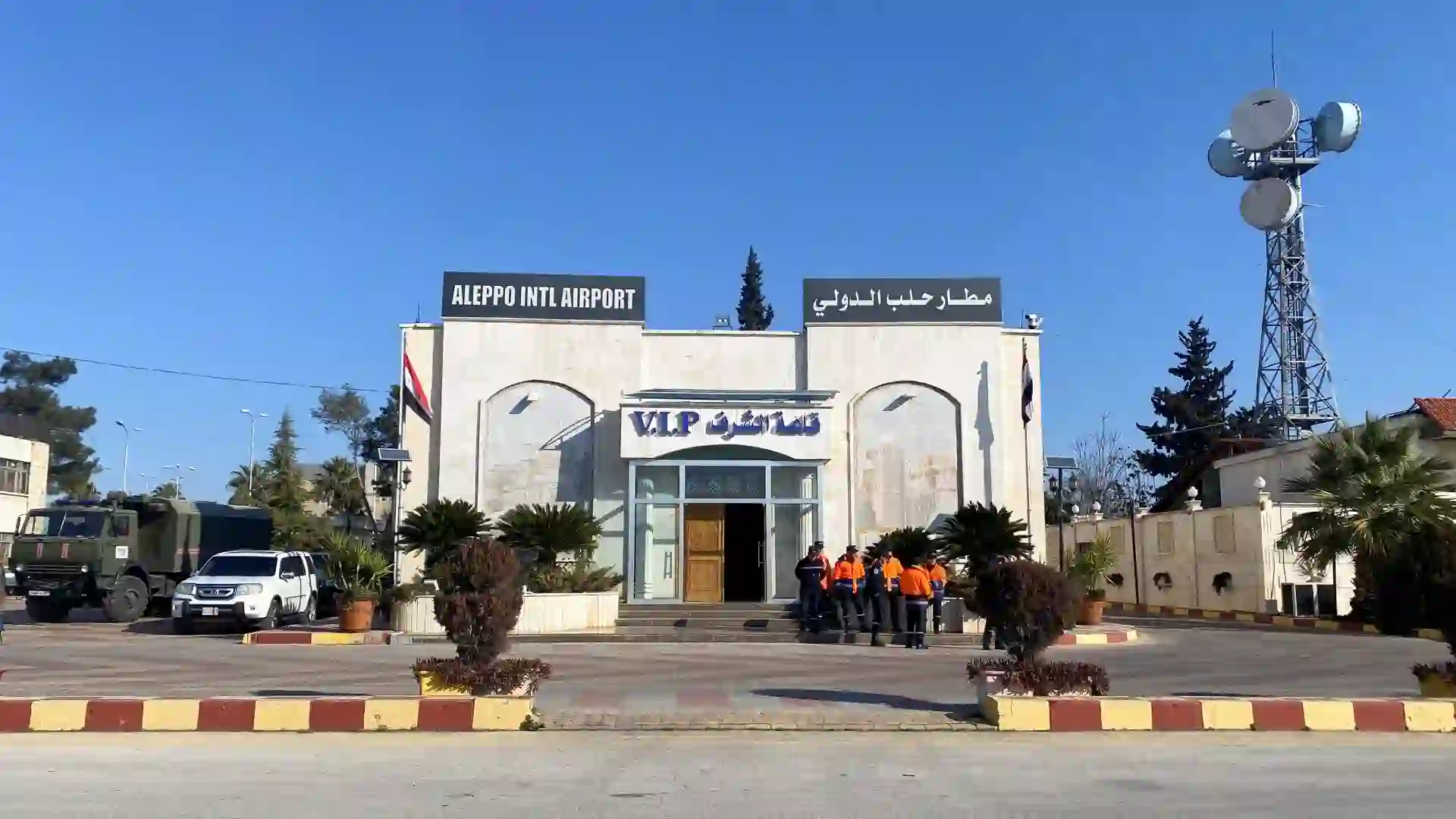
Syrian authorities have temporarily halted flights at Aleppo Airport, located in the country’s north, following violent clashes that erupted in the provincial capital. The suspension, announced on Tuesday, comes amid escalating confrontations between government forces and Kurdish-led militias, which have claimed multiple lives and heightened concerns over civilian safety.
According to Syrian state media, civil aviation officials confirmed that flights to and from Aleppo would be suspended for 24 hours. Passengers and cargo scheduled for Aleppo have been redirected to Damascus International Airport while the situation is assessed. The disruption represents a significant setback for travel and logistics in northern Syria, which relies heavily on Aleppo as a commercial and transportation hub.
The recent fighting in Aleppo has resulted in at least nine fatalities, most of whom were civilians. The violence marks one of the deadliest flare-ups in months between Syrian government forces and Kurdish-led groups. The tensions in the region reflect a broader struggle over political authority and the integration of Kurdish-controlled areas into the central Syrian administration.
Earlier this year, the Syrian government and Kurdish authorities had reached an agreement intended to merge the Kurdish semi-autonomous administration and its armed forces into the Syrian state. However, implementation of the March deal has been largely stalled, leaving unresolved questions about governance, security, and local autonomy. Sporadic clashes have occurred since, with Aleppo—home to significant Kurdish-majority neighborhoods—becoming a recurring hotspot.
Residents of Aleppo described Tuesday’s violence as intense and chaotic. Explosions and gunfire echoed through several districts, prompting many families to seek shelter in basements or flee temporarily. Local hospitals reported a surge in casualties, with emergency personnel struggling to treat those injured amid the ongoing unrest.
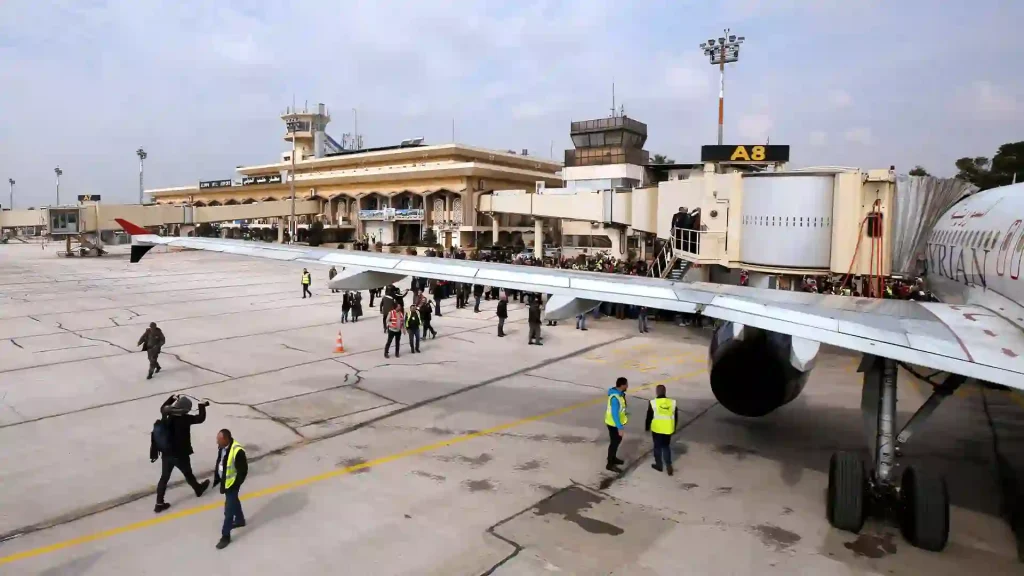
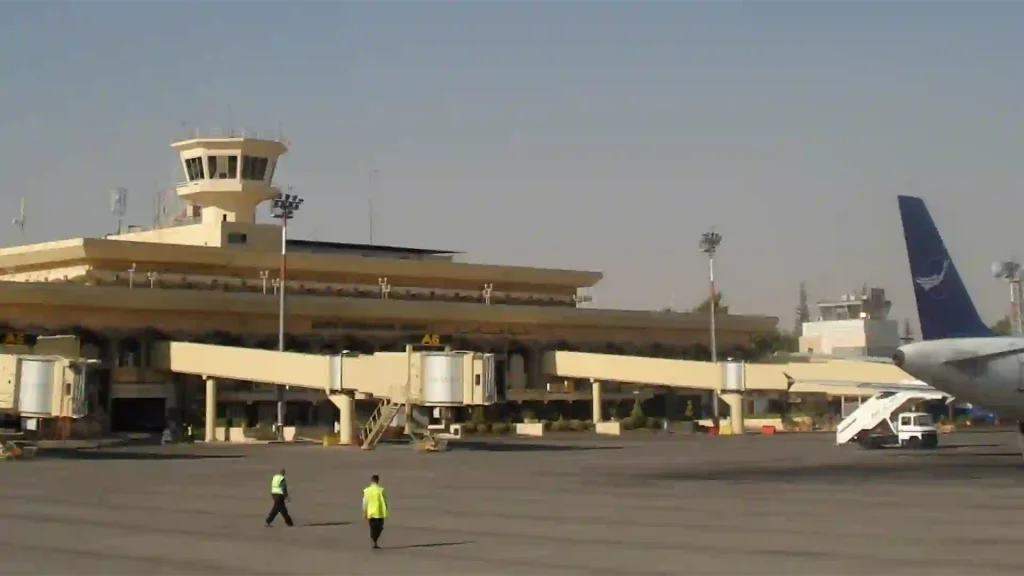
The Kurdish-led groups involved in the clashes operate under the umbrella of Syria’s semi-autonomous administration in the north, which has maintained a distinct governance structure for several years. While the March agreement aimed to incorporate these forces into the Syrian military and administrative framework, practical implementation has faced resistance on both sides. The result has been an uneasy truce punctuated by sudden outbreaks of violence, particularly in contested urban areas like Aleppo.
Aleppo itself remains a strategic city with historical, economic, and cultural significance. Beyond being Syria’s second-largest city, it serves as a commercial hub connecting northern Syria with other regions. The city’s Kurdish-majority neighborhoods have become focal points of tension, as both sides attempt to assert authority and maintain control over key areas. The recent fighting underscores the fragility of ceasefires and agreements in a region where alliances are fluid, and grievances run deep.
International observers have expressed concern over the humanitarian impact of the clashes. Civilian populations face not only the immediate threat of violence but also disruptions to essential services, including transportation, healthcare, and food supplies. The temporary closure of Aleppo Airport complicates aid delivery and mobility, affecting both residents and travelers. In addition, the constant threat of armed confrontations adds psychological stress to communities already battered by years of war and instability.
Analysts note that the stalled integration of Kurdish forces into the Syrian state highlights the broader difficulties the government faces in consolidating control across diverse regions. Kurdish authorities, while negotiating with Damascus, continue to exercise significant autonomy in their territories. The delicate balance between respecting local governance and asserting central authority has repeatedly led to friction, with Aleppo frequently emerging as a flashpoint.
While the Syrian government has emphasized its commitment to implementing the March agreement, the recurring violence suggests deeper challenges remain. Issues such as security arrangements, political representation, and local administration have yet to be fully resolved. Until these matters are addressed, analysts warn that sporadic clashes and disruptions—including the temporary suspension of flights—are likely to continue.
For now, Aleppo Airport remains closed to commercial flights, with travelers advised to adjust their plans accordingly. Authorities have pledged to reassess the situation after 24 hours, depending on security conditions. Meanwhile, residents of the city continue to navigate the uncertainty, balancing daily life with the ever-present risks posed by the ongoing conflict.
The clashes in Aleppo reflect a broader pattern across northern Syria, where negotiations between the central government and Kurdish-led forces have produced agreements on paper but limited practical outcomes on the ground. The city’s experience serves as a reminder of the complex dynamics at play in Syria’s multi-faction conflict, where local disputes can quickly escalate into deadly confrontations affecting both civilians and infrastructure.
As the situation unfolds, attention remains on whether the Syrian government and Kurdish authorities can make meaningful progress toward integration and stability. Until then, Aleppo and its residents are likely to face intermittent violence, disruptions to essential services, and the uncertainties that come with living in a contested and politically sensitive environment.